Hydroquinone (Skin Lightening Agent) — Patient Guide (Australia)
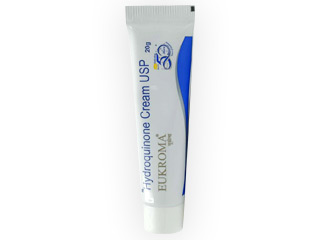
Hydroquinone is a topical medicine used to lighten certain types of skin discolouration. It is commonly used for conditions such as melasma and age spots (solar lentigines). This guide explains what hydroquinone is, how it works, how your body handles it, how to use it safely, and what to watch for. It also covers interactions (including alcohol and other medicines), practical tips, alternatives, and the Australian market/legal context.
Quick product information
| Topic | What to know |
|---|---|
| Medicine name | Hydroquinone |
| Common form | Cream, gel, or lotion (strength varies; many products are available at different concentrations) |
| Main skin purpose | Lightening of pigmentation caused by excess melanin |
| Typical conditions | Melasma, post-inflammatory hyperpigmentation, sun spots/solar lentigines |
| How it’s applied | Thin layer to affected areas, usually once daily or as directed |
| Key safety concerns | Skin irritation, redness, dryness; rare long-term risks including ochronosis and nail/skin discolouration with misuse |
What is hydroquinone?
Hydroquinone is a skin-directed depigmenting agent. In simple terms, it helps reduce the production of melanin (the pigment that gives skin its colour) and can gradually fade unwanted dark patches or spots.
In Australia, hydroquinone is available in different strengths depending on product type and regulatory status. Some products may be supplied for specific indications and may be subject to additional restrictions based on concentration and local requirements.
How hydroquinone works (mechanism of action)
Hydroquinone targets pigment formation in the skin by affecting multiple steps in the melanin pathway. The main actions include:
- Inhibiting tyrosinase activity: Tyrosinase is an enzyme required for melanin production. Hydroquinone helps reduce melanin synthesis.
- Reducing melanin transfer: By interfering with how pigment is produced and transported within skin cells, it can lessen the appearance of hyperpigmentation.
- Anti-oxidant effects: Hydroquinone can reduce oxidative stress involved in pigment signalling.
Pigment change is typically gradual. Many people notice early improvement within several weeks, with more visible results over a few months when used consistently and paired with strong sun protection.
Pharmacokinetics (how the body handles it)
Hydroquinone is applied to the skin. Because it is used topically, systemic absorption is generally limited when used correctly on intact skin and at recommended doses.
- Absorption: Absorption through the skin can increase if applied to broken/irritated skin, over large areas, under occlusion, or in higher-strength formulations.
- Distribution: Small amounts that enter circulation are distributed through the body.
- Metabolism: Hydroquinone is metabolised (including formation of conjugated metabolites) primarily in the liver.
- Excretion: Metabolites are eliminated mainly via the kidneys.
Because systemic levels are usually low, hydroquinone is mainly associated with local skin effects (such as irritation) rather than widespread body effects—provided it is used as directed.
Typical uses and indications
Hydroquinone is used to treat skin discolouration where melanin overproduction is involved. Common indications include:
- Melasma (including facial patches that darken with sun exposure)
- Post-inflammatory hyperpigmentation (dark marks after acne, irritation, or minor injuries)
- Solar lentigines / age spots (sun-induced brown spots)
- Fading unwanted pigmentation from other benign pigmentary conditions (when advised by a qualified healthcare professional)
Hydroquinone is generally not intended for treating active infections, warts, or redness due to inflammation. It works on pigment rather than underlying inflammatory causes.
When to start seeing results (timing)
Results vary by skin type, the cause of pigmentation, sun exposure, and how consistently the product is used. Typical timelines:
- First changes: often after 4–8 weeks
- More noticeable fading: around 8–12 weeks
- Maximum effect: may take 3–6 months
If there is no improvement after the expected trial period, or if symptoms worsen (increasing redness, burning, or swelling), stop and seek advice.
How to use hydroquinone (dosing and application)
Always follow the instructions on your specific product label and any instructions given by your clinician. Dosing can depend on the concentration and your condition.
A common practical approach is:
- Frequency: often once daily (commonly at night) for a limited course
- Amount: a thin layer on the affected areas
- Area: apply only to discoloured patches, not large areas of unaffected skin
- Duration: typically limited to a defined course (many regimens use intermittent or time-limited cycles to reduce irritation risk)
- Stop if severe irritation occurs: burning, blistering, or significant swelling
Step-by-step practical application tips
- Cleanse: Gently wash and pat skin dry.
- Protect surrounding skin: If your skin is sensitive, apply carefully only to the pigmented areas.
- Apply sparingly: Use a small amount; spread thinly.
- Moisturise: If your skin gets dry, use a bland moisturiser.
- Sun protection every day: Use broad-spectrum sunscreen (SPF 30+ or higher) to prevent pigment from returning or worsening.
Patch test: Before full-face or widespread use, consider testing on a small area for a few days to check tolerance. This is especially important if you have sensitive skin or are combining other actives.
Food interactions
Because hydroquinone is used topically and systemic absorption is typically low, food interactions are not usually expected. No specific dietary interactions are commonly reported for topical hydroquinone.
However, general skin health can be supported by staying well hydrated and maintaining a consistent skincare routine. Avoid known irritants for your skin (e.g., harsh exfoliants that may worsen inflammation and pigmentation).
Alcohol and medicine interactions
Alcohol
There is no well-established, direct interaction between alcohol and topical hydroquinone. Nonetheless, alcohol can indirectly worsen skin conditions in some people by:
- increasing dehydration
- promoting inflammation or flushing
- affecting sleep and stress patterns, which may influence melasma in some individuals
If you notice that alcohol makes your skin more reactive or worsens redness/irritation, consider limiting alcohol during treatment.
Other medicines (topical and systemic)
Interactions with other medicines are mainly a concern when products increase irritation or affect pigment biology. Inform your pharmacist or clinician if you use:
- Other topical actives such as retinoids, strong exfoliating acids, or benzoyl peroxide (may increase irritation when used too close together)
- Other depigmenting agents (e.g., multiple brightening products layered without spacing)
- Medicines that cause photosensitivity (such as some acne medications or antibiotics) because sun exposure can worsen pigmentation
- Cosmetic procedures (chemical peels, laser, microdermabrasion) because your skin may become more sensitive
To reduce irritation, many people space products out (for example, using hydroquinone at night and other actives on alternate nights), but follow product instructions and professional advice.
Safety profile and side effects
Common side effects
The most frequent issues are local skin reactions, especially during the first days or if the product is used too often or too heavily:
- redness
- dryness or peeling
- burning, stinging, or itching
- skin tightness or mild swelling
- temporary worsening of appearance due to irritation (often mistaken as “not working”)
Serious or concerning reactions (seek prompt advice)
Stop using hydroquinone and seek medical advice urgently if you experience:
- severe swelling or blistering
- intense burning that does not settle
- signs of allergic reaction (widespread rash, hives, trouble breathing)
- darkening of treated skin that becomes persistent or unusual (rare but important)
Rare long-term risks
With prolonged or improper use—especially if used continuously for long periods—there is a risk of ochronosis (a potentially bluish-black discolouration) or other pigmentation changes. This is one reason hydroquinone regimens are often time-limited or cycled.
To reduce risk:
- use only on affected areas
- avoid occlusion unless directed
- follow a limited treatment course
- do not exceed the recommended frequency
- stop if significant irritation occurs
Who should use caution
- Very sensitive skin or a history of dermatitis
- Pregnancy or breastfeeding: consult a clinician before use (pigment patterns can also change in pregnancy)
- Children: use only if appropriate for age and advised
- People using multiple strong skincare actives simultaneously
Practical use tips to get better results and reduce irritation
-
Sun protection is essential: Hydroquinone can only do so much. UV exposure is a major trigger for melasma and rebound pigmentation.
- Use broad-spectrum sunscreen daily.
- Consider protective clothing (hats, shade, sunglasses).
- Reapply sunscreen if outdoors.
- Start slowly if you’re sensitive: If your skin reacts easily, consider using the product less frequently at first (e.g., alternate nights) and moisturising well.
- Moisturise to protect the skin barrier: Barrier damage can increase irritation and worsen post-inflammatory hyperpigmentation.
- Avoid layering too many actives: Try not to use harsh exfoliants or multiple strong brighteners on the same night initially.
- Don’t “spot treat everything” blindly: Apply only to the discoloured areas as directed. Using it on large areas can increase side effects.
- Manage expectations: Some improvement is gradual. Overuse can backfire by causing irritation.
Alternative options for treating hyperpigmentation
Hydroquinone is one option for pigment control. Depending on the cause, strength of pigmentation, skin sensitivity, and your response, alternatives may include:
- Azelaic acid: helpful for melasma and post-inflammatory hyperpigmentation with often good tolerability.
- Retinoids (topical): can support pigment reduction and improve skin texture; may require gradual introduction.
- Vitamin C (ascorbic acid/derivatives): antioxidant that can help brighten and support even tone.
- Niacinamide: supports barrier function and can reduce the appearance of pigment.
- Kojic acid or licorice extract: may provide mild-to-moderate brightening in some formulations.
- Professional treatments (case-by-case): procedures such as chemical peels or laser may be options, but choice depends on skin type and risk of rebound pigment.
If you’ve had poor tolerance or limited response to hydroquinone, ask a pharmacist or clinician about a tailored plan that minimises irritation while maximising sun protection.
Market and legal context in Australia
Availability of hydroquinone in Australia can vary by product strength and regulatory classification. Some hydroquinone products may be accessible over the counter at certain concentrations, while higher-strength formulations may be restricted or supplied under specific conditions.
Because regulatory requirements can change, the best approach is to:
- check the product page on the label for concentration and intended use
- confirm whether the product is suitable for your skin condition and region
- follow the dispensing/usage instructions provided with that specific product
For long-term or difficult cases—particularly melasma—professional guidance can be valuable because recurrence is common and combination approaches may be needed.
Recent guidance and practical considerations
In recent years, clinical and safety discussions have emphasised:
- Time-limited use: avoiding prolonged continuous application to lower risk of pigment abnormalities.
- Barrier-first skin care: using gentle moisturisers and avoiding unnecessary irritation.
- Strong sun protection: consistent sunscreen use is key to sustained improvement.
- Patch testing and step-up routines: reducing the risk of redness and dermatitis.
Your best results usually come from combining hydroquinone with a well-tolerated routine, avoiding irritation triggers, and preventing UV exposure.
Delivery and availability (online pharmacy)
Hydroquinone may be available through online pharmacies depending on product classification, strength, and stock availability. Delivery options and timeframes vary by supplier and location across Australia.
When ordering:
- check the product concentration and form (cream/gel)
- ensure the packaging is intact and the expiry date is valid
- read the instructions on the label for frequency and treatment duration
- store according to the label (usually at controlled room temperature)
If you’re unsure whether a particular product concentration suits your needs, consult a pharmacist before starting.
Storage and handling
- Store at room temperature unless the label says otherwise.
- Keep away from direct sunlight and heat.
- Close the cap/tube tightly after use.
- Wash hands after application unless the product is part of your hands-care routine.
- Avoid contact with eyes, lips, and inside the nose or mouth.
FAQ about hydroquinone (Australia)
1) Is hydroquinone safe to use?
When used correctly on affected areas for a limited course, hydroquinone is generally well tolerated. The most common issue is skin irritation. Avoid overuse, follow label directions, and stop if you develop severe reactions.
2) How long should I use hydroquinone for?
Treatment is typically time-limited or cycled depending on your product concentration and your pigmentation condition. Follow the label or professional instructions. Long continuous use can increase the risk of persistent pigmentation changes.
3) Where should I apply it?
Apply a thin layer only to the discoloured patches you’re treating. Avoid spreading it to larger areas of unaffected skin unless your clinician specifically advises otherwise.
4) What should I do if my skin burns or becomes very red?
Stop the product and allow your skin to recover. Use a gentle moisturiser. If symptoms are severe or continue, seek advice promptly.
5) Can I use hydroquinone with sunscreen?
Yes—and in fact, it is strongly recommended. Sunscreen helps prevent further pigment darkening and supports longer-lasting results.
6) Can I use hydroquinone with moisturisers or makeup?
You can apply moisturiser to reduce dryness. Wait until the product has absorbed before applying makeup. If your skin is irritated, postpone makeup until your skin settles.
7) Can I combine hydroquinone with other brightening ingredients?
Some people do, but combining multiple strong actives can increase irritation. If you want to use other products (like retinoids or acids), consider spacing them out and introduce them gradually.
8) Why does my pigmentation look worse at first?
Sometimes irritation can temporarily darken the area (post-inflammatory hyperpigmentation). This may happen if you apply too frequently, use too much, or layer with harsh products. Reduce frequency, moisturise, and ensure sun protection.
9) Does hydroquinone remove pigmentation permanently?
It can significantly lighten pigmentation, but many pigment conditions (especially melasma) can recur with sun exposure and hormonal or inflammatory triggers. Ongoing sun protection and maintenance routines are often needed.
10) What if I miss a dose?
Apply it when you remember only if it’s still within your routine timing. Don’t double up to catch up.
Important note: This guide is for general information. Always read your product label carefully and follow local advice. If you have a complex skin condition, widespread pigmentation, a history of severe skin reactions, or you’re unsure how to build your routine, seek personalised advice.