
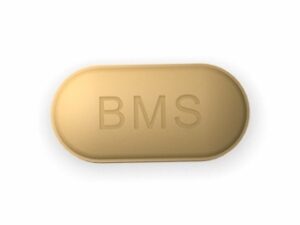
Imdur (Isosorbide) — Patient-Friendly Medicine Information (Australia)
Imdur contains isosorbide (often presented as isosorbide mononitrate) and is used to help prevent chest pain due to coronary heart disease. It belongs to a group of medicines called nitrates. Imdur works by improving blood flow to the heart and reducing the workload on the heart muscle.
This page explains how Imdur works, how it’s taken, what to watch for, and practical tips to use it safely. It also includes information relevant to people in Australia, including typical availability and safety considerations.
1. Basic product information
| Feature | Details |
|---|---|
| Medicine name | Imdur |
| Active ingredient | Isosorbide (commonly isosorbide mononitrate) |
| Medicinal group | Nitrate vasodilator |
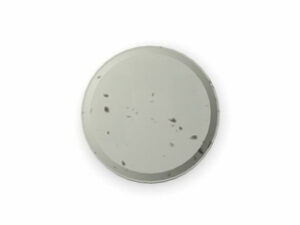
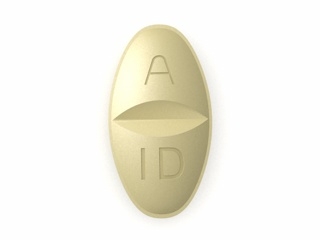
| Common formulation | Controlled-release tablets (often used for once-daily dosing) |
| Therapeutic use | Prevention of angina (chest pain) |
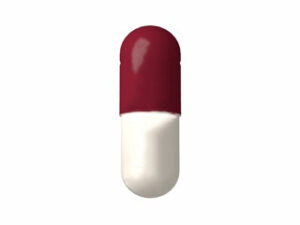
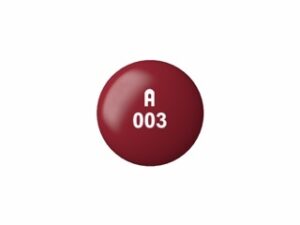
Important: Brand strength and exact tablet characteristics can vary. Always check the label and packaging for your specific product strength and instructions.
2. How Imdur works (mechanism of action)
Nitrates such as isosorbide are converted in the body into nitric oxide–like substances. This helps relax blood vessels, especially veins, which leads to:
- Reduced venous return to the heart (less blood pooling in the veins).
- Lower cardiac workload (the heart needs less oxygen).
- Improved coronary blood flow in some cases.
The overall effect is prevention of angina episodes by reducing the triggers that cause chest pain during exertion or stress.
Note about relief: Imdur is typically used for prevention. For sudden chest pain, many people are also prescribed a fast-acting nitrate such as glyceryl trinitrate (often used as a spray or tablet). Follow your individual treatment plan.
3. Pharmacokinetics (how the body handles the medicine)
Pharmacokinetics describes how the body absorbs, distributes, metabolises, and eliminates a medicine.
- Absorption: With controlled-release formulations, isosorbide is absorbed gradually to help provide sustained symptom prevention over the day.
- Distribution: Nitrates act on blood vessels throughout the body; effects depend on vascular responsiveness.
- Metabolism: Isosorbide is metabolised primarily in the liver.
- Elimination: Metabolites are excreted mainly via the kidneys.
Onset and duration: With controlled-release tablets, the goal is steady coverage. Some people notice effects within hours, but the schedule matters for consistent protection.
4. Typical uses and indications
Imdur is used to prevent angina (chest pain) in people with coronary artery disease, including situations where chest pain is triggered by physical activity or stress.
It may be used as part of a broader plan that could include other heart medicines such as beta-blockers, calcium channel blockers, antiplatelets, or cholesterol-lowering therapy.
Common indications include
- Prevention of chronic stable angina
- Prevention of angina that occurs with predictable triggers (e.g., walking uphill, cold air, emotional stress)
- Sometimes used in combination therapy as advised by a clinician
For the best fit, a clinician considers your heart history, current medicines, blood pressure, and whether you have frequent breakthrough symptoms.
5. When to take Imdur (timing and routine)
Because Imdur is commonly a controlled-release medicine, timing helps maintain an effective level throughout the day and reduce the chance of tolerance (see below).
General timing guidance
- Take at the same time each day.
- Do not crush or chew controlled-release tablets unless your product instructions specifically say it’s safe.
- Follow the planned “nitrate-free” interval if advised—this can help reduce tolerance.
Why a nitrate-free interval matters
Nitrates can lose effectiveness if taken continuously without breaks. A planned daily break is often built into dosing schedules for prevention of tolerance. If you’re unsure whether your dose schedule includes a nitrate-free period, check the instructions provided with your medicine or with your healthcare team.
If you miss a dose: Take it when you remember if it’s still close to your usual time. If it’s near the time of the next dose, skip the missed dose. Do not double up.
6. Food interactions
Food is not usually a major issue for nitrates, and isosorbide controlled-release tablets can typically be taken with or without food. However:
- If food upsets your stomach, try taking Imdur with a light meal.
- Always swallow tablets whole with water.
- Avoid making frequent changes to your routine unless advised.
If you experience nausea, dizziness, or headaches after dosing, it can sometimes be linked to the timing relative to meals and your hydration status.
7. Alcohol interactions
Alcohol can worsen side effects associated with Imdur, particularly:
- Low blood pressure (dizziness, light-headedness, fainting)
- Headaches
- Weakness or reduced coordination
If you drink alcohol, consider limiting intake and be cautious when standing up. Seek medical advice if you regularly experience dizziness after alcohol or after taking your nitrate.
8. Medicine interactions (important)
Some medicines can have clinically important interactions with nitrates. The most important examples include medicines used for erectile dysfunction and certain treatments for blood pressure or heart failure.
Absolute or high-risk interaction
- Phosphodiesterase-5 (PDE5) inhibitors such as:
- sildenafil
- tadalafil
- vardenafil
Combining nitrates with PDE5 inhibitors can cause a dangerous drop in blood pressure. Avoid the combination and discuss with a healthcare professional about safe timing and alternatives.
Other interactions to discuss
- Other blood pressure–lowering medicines (e.g., antihypertensives): may increase risk of dizziness or fainting.
- Riociguat (for certain lung/heart conditions): can also cause severe hypotension when combined with nitrates.
- Blood pressure–affecting medicines in general: your overall risk depends on your baseline blood pressure and dose changes.
- Medicines that cause low blood pressure or dehydration (e.g., some diuretics if you’re not well hydrated): may increase side effects.
Always tell your healthcare professional about all medicines you take, including over-the-counter products and herbal supplements.
9. Dosing information (typical regimens)
Dose varies according to your condition, response, and tolerability. Controlled-release nitrate regimens are commonly adjusted to balance symptom control with side effects.
How dosing is commonly structured
- Once daily dosing is common with controlled-release tablets.
- Some people may be started at a lower dose to reduce side effects, then increased if needed.
- Breaks in dosing (nitrate-free interval) may be included depending on the product schedule and your clinical plan.
What “typical” dosing means
Because strengths and product schedules differ, use the following as general guidance only and follow the instructions provided for your specific Imdur tablet strength.
- People with angina prevention often start with a dose designed to reduce the frequency of episodes.
- Clinicians may adjust dose based on:
- how often angina occurs
- blood pressure and dizziness
- headache severity
- need for breakthrough rescue treatment
If you have questions about your prescribed strength or schedule, it’s best to confirm with your pharmacy or healthcare provider.
10. Safety profile and side effects
Like all medicines, Imdur can cause side effects. Many are related to its blood vessel–relaxing action (e.g., headache or dizziness).
Common side effects
- Headache (often early in treatment and may lessen over time)
- Dizziness or light-headedness
- Flushing (warmth, redness)
- Nausea
- Low blood pressure symptoms, especially when standing
Less common but serious effects
- Fainting (syncope) due to low blood pressure
- Severe weakness, confusion, or chest pain that doesn’t respond to your usual plan
When to seek urgent help
Contact emergency services or seek urgent medical care if you experience:
- Severe dizziness or fainting
- New or worsening chest pain that is not consistent with your usual angina pattern
- Signs of an allergic reaction such as swelling of the face/lips, difficulty breathing, or widespread rash
11. Practical use tips
To reduce side effects
- Stand up slowly to limit dizziness.
- Hydrate well (unless you’ve been advised to restrict fluids).
- If headaches occur, some people find they reduce as the body adapts—however, do not ignore severe or persistent symptoms.
- Keep your dosing time consistent and follow any nitrate-free interval plan.
Monitoring your angina pattern
- Track when chest discomfort occurs (time, activity, stress, weather, meals).
- Note breakthrough episodes and whether they respond to your fast-acting rescue medicine.
- Discuss changes with your clinician—dose adjustment or combination therapy may be needed.
Tolerance and effectiveness
If you notice reduced benefit over time, it could be due to tolerance. Your healthcare team may adjust the schedule to include a nitrate-free period or consider alternative treatments.
12. Patient considerations (who should be extra cautious)
Some situations require closer supervision or careful dose selection, including:
- Low blood pressure or history of fainting
- Severe anaemia or conditions that affect blood oxygen delivery
- Use with multiple heart and blood-pressure medicines
- Older adults: increased sensitivity to dizziness and falls risk
Always seek advice if you have any kidney or liver problems or if your heart condition changes.
13. Alternative options
Depending on your individual diagnosis and symptom pattern, clinicians may consider other medicines for prevention of angina or related conditions. Common alternatives or adjuncts may include:
- Beta-blockers (reduce heart rate and oxygen demand)
- Calcium channel blockers (vasodilation and rate effects depending on type)
- Other long-acting nitrates (for example, different formulations of isosorbide or glyceryl trinitrate long-acting products)
- Ranolazine (for certain angina patients when appropriate)
- Revascularisation or device-based treatments (for select people with coronary artery disease)
Choice depends on your blood pressure, heart rate, other medical conditions, and how well your current regimen controls symptoms.
14. Imdur in the Australian market: legal and regulatory context
In Australia, prescription-only medicines are regulated to ensure safe supply and appropriate use. Online pharmacies operate under Australian requirements for lawful dispensing and supply. Medicine availability can depend on:
- Manufacturer supply and stock levels
- Whether an item is commonly stocked by wholesalers
- Product formulation and strength
To purchase online, you generally need to follow the platform’s requirements for identity verification and lawful dispensing. Always use a reputable Australian online pharmacy and check the product packaging for authenticity and correct strength.
Good to know: Medicines can change in formulation or brand presentations over time. If you switch brands or strengths, be alert to any new side effects or differences in how your dose is scheduled.
15. Recent guidance and practical updates
Clinical practice around nitrates can evolve, particularly regarding:
- Managing tolerance (including ensuring appropriate nitrate-free intervals)
- Cardiovascular risk optimisation (statins, antiplatelets, blood pressure control, lifestyle changes)
- Drug interaction vigilance (especially PDE5 inhibitors and other agents affecting blood pressure)
Local healthcare advice and medicine safety communications may be updated by Australian health authorities and professional bodies. If you have any concerns, consider checking with a pharmacist or clinician for current recommendations that apply to you.
16. Delivery and availability (what to expect online in Australia)
Availability of Imdur may vary by strength and supply chain conditions. When ordering through an online pharmacy, delivery timeframes typically depend on:
- Whether the item is in stock at the pharmacy or needs to be sourced
- Standard vs express shipping options
- Your delivery address and local courier schedules
On the product page, you’ll usually see estimated dispatch times, shipping options, and tracking details if available. If a product is out of stock, a reputable pharmacy may contact you with options (such as ordering an alternative equivalent product if appropriate).
17. FAQ
Is Imdur the same as glyceryl trinitrate?
No. Imdur is a long-acting nitrate (commonly controlled-release isosorbide mononitrate) used for prevention. Glyceryl trinitrate is often a short-acting nitrate used for quick relief of sudden angina symptoms. Your treatment plan may include both, depending on your symptoms.
How long does Imdur take to work?
Because controlled-release formulations release medication gradually, benefit is aimed at long-lasting prevention across the day. Some people notice improvement within hours, but consistent daily use is important. If you’re not getting adequate protection, discuss adjustments with your healthcare team.
Can I take Imdur with food?
In most cases, yes. You can typically take it with or without food. If you experience nausea, taking it with a light meal may help.
What should I do if I get chest pain while taking Imdur?
Follow your personal angina action plan and the instructions provided with your rescue medicine (often a fast-acting nitrate). If chest pain is severe, new, or different from usual—and especially if it doesn’t improve—seek urgent medical care.
Why do nitrates sometimes stop working well over time?
With continuous exposure, the body can develop tolerance to nitrates, reducing effectiveness. Clinicians often manage this using a scheduled nitrate-free interval and may adjust the dose or add other preventive medicines.
Can I drink alcohol while taking Imdur?
Alcohol may increase the risk of dizziness and low blood pressure. It’s best to limit alcohol and be careful when standing. If you feel light-headed, avoid alcohol and seek advice.
Can I use erectile dysfunction medicines like sildenafil or tadalafil with Imdur?
Combining nitrates with PDE5 inhibitors can cause dangerous low blood pressure. Do not combine unless a healthcare professional has specifically instructed a safe approach. If you’re unsure, ask your pharmacist or clinician.
How should I take Imdur if I forget a dose?
Take it when you remember if it’s close to your usual time. If it’s near the next dose, skip the missed dose. Do not double up.
What side effects are most common?
Headache, dizziness, flushing, and nausea are common. These often occur early and may reduce as your body adapts. Severe dizziness, fainting, or worsening symptoms require urgent assessment.
Is Imdur safe for everyone?
Not necessarily. People with low blood pressure, certain heart conditions, or those taking interacting medicines need careful consideration. Your pharmacist can help check interactions and suitability based on your current medication list.
Are there alternatives if Imdur doesn’t control my angina?
Yes. Options may include different long-acting nitrates, beta-blockers, calcium channel blockers, or other anti-anginal medicines. The best alternative depends on your symptoms, blood pressure, heart rate, and overall cardiac risk.
Summary
Imdur (isosorbide) is a long-acting nitrate used to prevent angina by relaxing blood vessels and lowering the heart’s workload. It’s typically taken once daily in a controlled-release form, with attention to timing and any advised nitrate-free interval. Common side effects include headache and dizziness, while the most important interaction is with PDE5 inhibitors used for erectile dysfunction, which can cause dangerous blood pressure drops. For best results, take Imdur consistently, monitor your angina pattern, and discuss any changes or breakthrough symptoms with your healthcare team.