
Gabapentin (Australia) – Patient Information Guide
Gabapentin is a prescription medicine used to treat certain nerve-related conditions, and in some cases to help manage pain and other symptoms. This page explains how gabapentin works, typical uses, how it is taken, key safety considerations, and practical tips for getting the best outcomes.
Important: Medicines affect people differently. Always follow the directions provided by your healthcare professional and read the product information for your specific brand and strength.
Basic product information
| Category | Details |
|---|---|
| Generic name | Gabapentin |
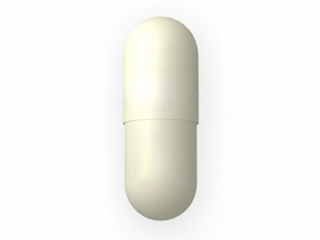
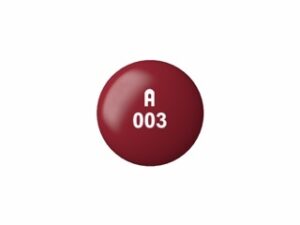
| Common form(s) | Capsules and tablets (strengths vary by brand) |
| How it’s used | Oral medicine taken by mouth |
| What it is often used for | Neuropathic (nerve) pain and certain types of seizures |
| Typical prescribing approach | Start low, increase gradually if needed |
How gabapentin works (mechanism of action)
Gabapentin affects the nervous system, particularly how nerves communicate in the brain and spinal cord. Although gabapentin does not work like older painkillers (such as paracetamol or ibuprofen), it can reduce nerve pain by:
- Modulating calcium channels involved in releasing neurotransmitters.
- Reducing abnormal nerve signalling that contributes to pain sensations (such as burning, stabbing, tingling, or shooting pain).
- Helping stabilise neuronal activity which is important in seizure control for some people.
For many patients, benefit may build over days to weeks, not immediately—especially for chronic nerve pain.
Pharmacokinetics (how the body handles gabapentin)
Pharmacokinetics describes how the body absorbs, distributes, metabolises, and eliminates a medicine.
- Absorption: Gabapentin is absorbed through the gut after taking it by mouth. Absorption can be variable between individuals.
- Peak levels: Blood levels rise over a few hours after a dose (timing varies by formulation and individual factors).
- Distribution: Gabapentin distributes into body tissues including the nervous system.
- Metabolism: It is not extensively broken down by the liver.
- Elimination: It is mainly cleared through the kidneys. This is important for people with kidney impairment.
Practical takeaway: Because gabapentin is cleared by the kidneys, dose adjustments may be needed if you have kidney disease or reduced kidney function.
Typical uses of gabapentin
Gabapentin is commonly used for:
Neuropathic pain
- Examples include pain from nerve damage (often described as burning, tingling, or shooting pain).
- It may be used for conditions such as post-herpetic neuralgia (pain following shingles), and other nerve pain syndromes where appropriate.
Seizure disorders
- Gabapentin is also used as an anti-seizure medicine in certain settings, depending on the person’s condition and treatment plan.
Note: The exact approved indications can depend on the specific product and local regulatory requirements. Your pharmacist or doctor can confirm whether gabapentin is suitable for your situation.
Indications (when gabapentin may be considered)
In Australia, gabapentin may be considered for:
- Neuropathic pain conditions as judged clinically by a healthcare professional.
- Adjunctive seizure management for some seizure types, depending on age and clinical circumstances.
Gabapentin is not generally used for every kind of pain. It is most helpful when pain is driven by nerve signalling rather than inflammation alone.
Dose guidance and timing
How dosing works: Many people start with a lower dose, then increase gradually. This helps reduce side effects such as dizziness, drowsiness, and unsteadiness.
Your exact dose and schedule should be individualised based on your condition, age, kidney function, and how you respond.
Common timing approach
- Gabapentin is often taken two or three times daily depending on your regimen.
- Try to take doses at consistent times each day.
- For long-term pain, regular dosing is usually more effective than “as needed” dosing.
Starting and increasing (general pattern)
- Start low (lower dose at first).
- Increase gradually every few days or as directed, until symptom relief is achieved or side effects become limiting.
- Maintenance: once the effective dose is reached, it is continued as advised.
Missed dose
If you miss a dose, take it when you remember unless it is close to your next dose. Do not double up.
Stopping gabapentin
Do not stop suddenly unless instructed. Stopping abruptly may increase the risk of withdrawal-like symptoms or return/worsening of symptoms in some people. A gradual dose reduction is often needed.
Food interactions (what to know about meals)
Gabapentin may be taken with or without food. Food generally does not cause a dangerous interaction, but practical aspects may influence tolerability:
- To reduce stomach upset: some people find it easier to take gabapentin with meals.
- Consistency helps: try to take it the same way each day (with or without food) to keep absorption more predictable.
Tip: If you notice nausea or dizziness, consider taking it with food (unless your local product information advises otherwise) and discuss persistent issues with a clinician.
Alcohol and medicine interactions
Alcohol
Combining gabapentin with alcohol may increase side effects, particularly:
- Drowsiness and sedation
- Dizziness
- Impaired coordination
- Slower reaction times
It’s generally safest to avoid alcohol or keep it minimal, especially during the first weeks of treatment or after dose increases.
Other medicines that may interact
Gabapentin’s main interactions are often about shared side effects (e.g., sedation) rather than major chemical interactions.
- Opioid pain medicines (e.g., oxycodone, morphine): may increase risk of sleepiness and breathing problems in some people.
- Sedatives and sleeping tablets (e.g., benzodiazepines): may increase sedation and falls risk.
- Other medicines causing dizziness or drowsiness: may add to impairment.
Important: Always tell your healthcare professional and pharmacist about all medicines you take, including over-the-counter products and herbal supplements.
Safety profile and common side effects
Most people tolerate gabapentin reasonably well, but side effects are possible. Side effects are often more common when starting or when increasing the dose.
Common side effects
- Drowsiness or sleepiness
- Dizziness
- Unsteadiness or difficulty with balance
- Fatigue
- Swelling in the legs or feet (oedema) in some cases
- Nausea
Less common but serious concerns
Seek urgent medical help if you experience:
- Signs of an allergic reaction (swelling of face/lips, rash, trouble breathing)
- Severe sleepiness or trouble staying awake
- Breathing difficulties, especially if combined with opioids or other sedating medicines
- Worsening mood or suicidal thoughts
- Unusual changes in behaviour or severe confusion
Falls risk: Because gabapentin can affect balance and alertness, take care when standing up quickly, walking on uneven surfaces, or using stairs.
Kidney function considerations
Since gabapentin is primarily cleared by the kidneys, people with kidney impairment may need dose adjustments and closer monitoring.
Practical use tips (how to get the most from gabapentin)
- Start consistently: take it at the same times each day to maintain steady effect.
- Give it time: nerve pain relief can take days to weeks. Continue as advised while you titrate.
- Move carefully: be cautious with driving, cycling, machinery, and heights until you know how gabapentin affects you.
- Track symptoms: note pain severity, sleep quality, and any side effects. This can help your clinician adjust dosing.
- Hydration and routine: dizziness may feel worse if you are dehydrated. Maintain good hydration and regular meals.
- Do not adjust abruptly: avoid changing your dose on your own, especially increasing or stopping suddenly.
- Missed dose strategy: if you often forget doses, set reminders. If you miss a dose, follow the “do not double” principle.
Alternative options (discuss with your clinician)
Whether gabapentin is the best option depends on the cause of symptoms, other health conditions, and your response. For neuropathic pain and some seizure management strategies, clinicians may consider alternatives such as:
For neuropathic pain
- Pregabalin (another nerve-targeting medicine, often similar in purpose but with different dosing schedules and tolerability profiles).
- Tricyclic antidepressants (e.g., amitriptyline) used at lower doses for pain modulation.
- Serotonin-noradrenaline reuptake inhibitors (e.g., duloxetine) for certain nerve pain conditions.
- Topical treatments (where appropriate), such as lidocaine-containing products or capsaicin, depending on the cause and skin area.
For seizures
- Other anti-seizure medicines may be chosen based on seizure type, age, comorbidities, and side effect profiles.
Note: Switching treatments may require careful planning and gradual dose changes to avoid symptom worsening.
Market and legal context in Australia (what it means for access)
In Australia, medicines are regulated under the Therapeutic Goods Administration (TGA) framework. Availability and prescribing requirements vary by product type and strength.
General overview:
- Many gabapentin-containing products are treated as prescription-only medicines in Australia.
- Pharmacies and online pharmacies must follow Australian regulatory standards for dispensing, supply, storage, and verification.
- Pharmacists play an essential role in safety checks, including medication history, interactions, and suitability.
Recent guidance (general themes): In recent years, Australian health guidance across many conditions has emphasised careful risk assessment when gabapentinoids are used alongside other sedating medicines (particularly opioids), and highlights the importance of appropriate dosing, gradual titration, and patient education about sedation and breathing risk where relevant.
Delivery and availability (online pharmacy considerations)
Availability varies by brand, strength, and stock levels. Many online pharmacies in Australia can:
- Provide information about expected availability and delivery timeframes.
- Pack medicines in secure, tamper-evident packaging.
- Use safe, compliant dispatch processes.
Delivery tips:
- Ensure your delivery address is correct and someone can receive the parcel if required.
- Store medicines as directed on the pack (typically at controlled room temperature, away from moisture and direct sunlight).
- Check the expiry date on arrival.
Frequently Asked Questions (FAQ)
1) When will gabapentin start working?
Some people notice changes within a few days, but for nerve pain relief it often takes days to weeks as the dose is increased. Your clinician will guide you through a gradual titration plan.
2) Can I take gabapentin “as needed”?
For many nerve pain conditions, gabapentin works best when taken regularly on a schedule. “As needed” use may not provide consistent symptom control, but your clinician will advise based on your situation.
3) Does gabapentin interact with common pain relief?
Gabapentin can sometimes be used alongside other pain treatments. However, you should confirm combinations with your healthcare professional, especially if using opioid medicines or multiple sedating products.
4) Will gabapentin make me sleepy?
Drowsiness and dizziness are among the more common effects, especially at the start or after increasing the dose. Until you know how it affects you, avoid driving and hazardous activities.
5) What if I feel unsteady or at risk of falls?
Take extra precautions: rise slowly, avoid alcohol, and consider whether timing the doses could help with daytime symptoms. If balance problems are significant, contact your pharmacist or prescriber promptly—dose adjustment may be needed.
6) Can I drink alcohol while taking gabapentin?
Alcohol can increase sedation and dizziness. It’s generally safest to avoid alcohol or discuss safe limits with your clinician—particularly early in treatment or after dose increases.
7) Is gabapentin safe for people with kidney problems?
Gabapentin is mainly cleared by the kidneys. People with reduced kidney function may need lower doses and closer monitoring. Tell your healthcare professional if you have kidney disease or reduced kidney function.
8) What should I do if I miss a dose?
Take it when you remember unless it is close to the next dose. Do not double up.
9) How do I stop gabapentin?
Do not stop suddenly unless directed. A gradual reduction is often needed to reduce the chance of withdrawal-like symptoms or return of symptoms.
10) Are there alternatives if gabapentin doesn’t work for me?
Yes. Options may include other medicines for neuropathic pain (such as pregabalin, certain antidepressants used for pain, or topical treatments) or other anti-seizure medicines, depending on your diagnosis. Your healthcare professional can tailor options to you.
Summary
Gabapentin is a medicine used to treat certain nerve-related pain conditions and, in some circumstances, seizure disorders. It works by modulating signalling in the nervous system. Because it can cause dizziness and drowsiness—especially when starting or increasing doses—careful dosing and attention to alcohol and sedating medicine combinations are important. Regular scheduled dosing, gradual titration, and kidney-aware safety considerations help many people use gabapentin more safely and effectively.
If you have questions about suitability, interactions, side effects, or delivery availability, speak with a pharmacist or your healthcare professional.