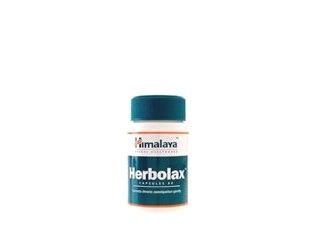


Herbolax (Australian Online Pharmacy Guide)
Herbolax is an over-the-counter herbal laxative used to relieve constipation. Many people choose Herbolax when they need gentle, short-term help to return bowel movements to a more comfortable rhythm. This page explains how Herbolax works, when to take it, how to use it safely, and what to expect.
Note: Product formulations and strength may vary by country and supplier. Always check the label and follow the directions on your package or the advice of your pharmacist.
At a glance
- Type: Herbal laxative
- Common purpose: Constipation relief (short-term)
- Typical onset: Often within 6–12 hours (varies by person)
- Key focus: Helps stimulate bowel movement and/or soften stool
- How to take: Usually taken by mouth with a glass of water
Basic product information
Herbolax is marketed as a herbal medicine for constipation. Depending on the pack, it may be presented as tablets, capsules, or liquid products. The exact ingredients can differ slightly between versions—so it is important to confirm the active ingredient(s) on your specific pack.
| Category | What this means |
|---|---|
| Medicine name | Herbolax |
| Use | Relief of constipation |
| Type | Herbal laxative (formulation dependent) |
| How it may work | Stimulates bowel movement and/or supports softer stool passage |
| Where it fits | Short-term constipation management |
How Herbolax works (mechanism of action)
Most herbal constipation products like Herbolax contain plant-derived laxative constituents (commonly senna or similar anthraquinone-containing herbal ingredients, though exact ingredients should be confirmed on your pack). These act in the large bowel to encourage bowel emptying.
In general terms, herbal laxatives work by:
- Stimulating intestinal contractions: Helping move stool along the colon.
- Changing water handling in the bowel: Supporting stool to pass more easily (mechanism varies by ingredient).
- Increasing bowel activity: Leading to a bowel movement after a short delay.
The time between taking Herbolax and having a bowel movement is part of how these products work—because the active ingredients typically require transit through the gastrointestinal tract before producing an effect.
Pharmacokinetics (how the body handles it)
“Pharmacokinetics” describes what happens to the medicine after you take it: absorption, distribution, metabolism, and excretion. With herbal laxatives such as Herbolax, the most relevant effect often occurs in the large intestine.
Typical pattern
- GI transit first: The product moves through the stomach and small intestine before it can act in the colon.
- Local bowel action: Active constituents or metabolites influence colon motility and stool passage.
- Effect after a delay: A bowel movement may occur within the same day, but often later (commonly within 6–12 hours).
- Limited systemic involvement: Many laxatives have a local gastrointestinal effect with relatively limited whole-body exposure.
Individual responses can vary depending on constipation severity, hydration, diet, activity, and whether you have underlying bowel conditions.
When Herbolax is typically used (indications)
Herbolax is generally intended for short-term relief of constipation in adults and, where age-appropriate directions allow, in children.
Typical reasons people use a laxative like Herbolax include:
- Constipation causing discomfort, bloating, or straining
- Occasional difficulty passing stools
- Need for short-term bowel support after changes in routine, travel, or diet
- Situations where increasing bowel movement regularity is helpful
If constipation is severe, persistent, or recurrent, or if you have “red flag” symptoms (listed below), it’s important to seek appropriate medical advice rather than relying solely on laxatives.
Important safety note (who should avoid or be cautious)
Before using Herbolax, consider whether your situation might require extra caution. Stop and seek medical advice urgently if you have:
- Severe abdominal pain, marked tenderness, or a swollen/distended abdomen
- Vomiting or inability to pass gas
- Blood in stool or black/tarry stools
- Unexplained weight loss or fever
- Constipation that follows a sudden change in bowel habits
- Constipation lasting longer than a short period despite treatment
Also check with a pharmacist before using if you have conditions such as inflammatory bowel disease, bowel obstruction, or if you’ve been told you should avoid laxative stimulant effects.
Dosing guidance (how much to take)
Dosing depends on the exact product strength and the instructions on your pack. Always follow the label. If you are unsure, ask a pharmacist for guidance based on your specific Herbolax product.
General dosing approach for herbal laxatives:
- Start low: Use the lowest effective dose.
- Use as needed: Typical laxative use is short-term, not indefinite daily use.
- Do not exceed maximum duration: If constipation persists, do not keep escalating doses—seek advice.
Typical timing of dosing
Many herbal laxatives are taken in the evening to allow time for action overnight. Your pack instructions will specify best timing.
When to take Herbolax (timing and expectations)
The onset of effect varies by formulation and individual factors, but common expectations are:
- Possible effect: Often within 6–12 hours
- Plan around your day: If you take it in the evening, you may have a bowel movement overnight or the following morning.
- Do not “double up” repeatedly: If you don’t respond quickly, follow package guidance rather than taking extra doses.
If you experience cramping or urgency, review your dose and consider whether a different type of constipation treatment might suit you better (e.g., stool softeners or osmotic options).
How to take it (practical use tips)
- Take with water: Swallow with a full glass of water unless label instructions say otherwise.
- Stay hydrated: Adequate fluids help stool pass more easily.
- Consider your routine: Choose a time when access to a bathroom is convenient.
- Pair with diet and movement: Fibre-rich foods, regular walking, and good toileting habits can improve results.
- Avoid overuse: If you need laxatives frequently, constipation may require a longer-term plan.
Food interactions and dietary considerations
Herbal laxatives like Herbolax may be affected by how quickly food moves through the gut and by overall hydration. In general:
- Taking with or without food: Usually either is acceptable, but follow the pack instructions.
- Hydration matters: Drink sufficient fluids—particularly if constipation is linked to dehydration.
- Fibre balance: If you increase fibre, increase fluids at the same time to avoid worsening constipation.
If you have reflux, nausea, or an upset stomach, ask a pharmacist for the best timing to reduce discomfort.
Alcohol and medicine interactions
Alcohol: While there is no universal “direct” interaction with all herbal laxatives, alcohol can contribute to dehydration and worsen constipation. If you are constipated, limiting alcohol and increasing water intake can be helpful.
Medication interactions: Because laxatives can change bowel transit time and fluid balance, it’s sensible to avoid taking them too close to other medicines. If you are taking medicines regularly, particularly those with narrow timing requirements, consider spacing doses.
Spacing advice (general)
- Separate by at least 2 hours from other oral medicines if possible (confirm with your pack or pharmacist).
- Be cautious if you have conditions requiring stable medication levels.
If Herbolax is used frequently, there is a higher chance of electrolyte disturbances from ongoing stimulant laxative effects. Electrolyte imbalances can be important for people taking medicines such as diuretics or those affecting heart rhythm.
Safety profile and side effects
Most people tolerate Herbolax well when used as directed. However, like all medicines, it can cause side effects.
Common side effects
- Abdominal cramps or bowel spasms
- Bloating or stomach discomfort
- Urgency or loose stools
- Diarrhoea if the dose is too high
Less common but important concerns
- Dehydration if diarrhoea occurs
- Electrolyte imbalance with frequent or prolonged use
- Rash or allergy symptoms (rare; seek urgent help if you have swelling, breathing difficulty, or widespread rash)
When to stop and seek advice
Stop using Herbolax and seek pharmacist or medical advice if you experience:
- Severe or persistent abdominal pain
- Signs of dehydration (dizziness, very dry mouth, reduced urination)
- Persistent diarrhoea
- Blood in stool or unusual bleeding
- Constipation that does not improve after a short trial
Safety in special groups
Always read the label for age-specific instructions. In general:
- Children: Only use if the product label specifies it and dosing is age-appropriate.
- Pregnancy and breastfeeding: Check with a pharmacist before use, as constipation management may differ and the safest choice may depend on the trimester and your circumstances.
- Older adults: Ensure adequate hydration and avoid frequent use without advice, since dehydration risk can be higher.
- People with kidney or heart conditions: Ask a pharmacist—if diarrhoea occurs, fluid and electrolyte changes may be more significant.
Practical constipation management tips (alongside Herbolax)
Laxatives can provide relief, but long-term constipation usually improves with lifestyle measures. Consider these practical steps:
- Hydrate: Aim for regular water intake throughout the day.
- Fibre: Add fruits, vegetables, oats, legumes, and whole grains gradually.
- Movement: Even short daily walks can stimulate bowel motility.
- Toileting routine: Try to sit on the toilet at the same time each day (often after meals).
- Don’t ignore urges: Holding stool can make constipation worse.
- Review contributing factors: Iron supplements, some pain medicines (opioids), and certain antidepressants can contribute to constipation.
Alternative options for constipation
If Herbolax doesn’t suit you—or if constipation keeps recurring—there are other constipation treatments available. The best choice depends on the cause, stool consistency, and how quickly you need relief.
Common alternative categories
- Osmotic laxatives (e.g., agents that draw water into the bowel): Often used for more regular softening.
- Stool softeners: Helpful when stools are hard and difficult to pass.
- Bulk-forming fibre supplements: Useful if you can tolerate fibre and maintain good hydration.
- Suppositories/enemas: Options for rectal constipation when oral treatments aren’t effective.
- Prescription-based options (discussed with a clinician when needed): For chronic constipation or specific conditions.
A pharmacist can help you choose the most appropriate option and discuss which ones may be safer for your personal situation.
Market and legal context in Australia
In Australia, many laxatives are supplied as over-the-counter products and are available through pharmacies and approved retail channels. Herbal constipation products are widely used, but they still fall under Australian regulatory standards for medicines and labels.
We recommend you:
- Use only products from reputable suppliers.
- Follow the dosing directions on the pack.
- Check the active ingredients and any contraindications relevant to your circumstances.
If you have long-standing constipation, ongoing symptoms should not be managed solely with stimulant laxatives. Professional advice may be needed to rule out underlying causes and to develop a suitable longer-term plan.
Recent guidance and best-practice considerations
General constipation guidance in Australia commonly emphasizes:
- Short-term use: Laxatives are generally most appropriate for brief relief.
- Hydration and fibre: Lifestyle measures support stool consistency and bowel regularity.
- Watch for red flags: Persistent constipation, blood in stool, unexplained weight loss, or severe pain require prompt assessment.
- Electrolyte awareness: Repeated use of stimulant-type laxatives can affect fluid and electrolyte balance in some people.
If you’re using a laxative for more than a short period, speak to a pharmacist or another qualified health professional about the most appropriate long-term approach.
Delivery, availability, and ordering (Australia)
Herbolax is commonly stocked in Australian pharmacies and online health retailers. Availability depends on the exact product variant (size, form, active ingredient strength) and supplier.
What to check when ordering online
- Product variant: Confirm you’re buying the exact Herbolax formulation intended for your needs.
- Pack size: Larger packs may be more economical for repeated short-term use.
- Active ingredients: Review the label for the product’s herbal laxative component(s).
- Expiry date: Ensure the product is not near expiry.
Delivery typically occurs within the retailer’s standard shipping timeframe. Shipping costs and estimates vary by location. If you have urgent needs (e.g., constipation causing significant discomfort), select a delivery option that fits your timeframe.
FAQ: Herbolax
1) How fast does Herbolax work?
Many people notice bowel movement within 6–12 hours, though timing can vary. Evening dosing is often chosen so the effect occurs overnight or the next morning. Always follow the timing directions on your specific pack.
2) Can I take Herbolax every day?
Herbal stimulant-type laxatives are typically intended for short-term constipation relief. If you need laxatives regularly, discuss options with a pharmacist to help develop a safer, longer-term plan.
3) What if Herbolax doesn’t work?
If there’s no improvement after using it as directed, avoid repeatedly increasing the dose. Consider speaking to a pharmacist for advice—there may be an underlying cause, or another type of constipation treatment may be more suitable.
4) Will Herbolax cause diarrhoea?
Diarrhoea can occur if the dose is too high or if you are more sensitive to laxatives. If diarrhoea happens, stop using additional doses and focus on hydration. Seek advice if symptoms are severe or persistent.
5) Are there food interactions?
Food doesn’t usually “cancel out” herbal laxatives, but hydration and bowel transit can affect how quickly and effectively the product works. Ensure you drink enough water and follow label directions on taking with or without food.
6) Is it safe with alcohol?
Alcohol can worsen dehydration and may aggravate constipation. If you’ve taken alcohol, drink water and use caution. If you have diarrhoea or significant cramps, avoid alcohol until symptoms settle.
7) Can I take Herbolax with other medicines?
To reduce the chance of reduced absorption due to faster transit, consider spacing Herbolax by at least 2 hours from other oral medicines. If you take medicines with critical timing, ask a pharmacist for tailored advice.
8) Who should not use Herbolax?
Avoid use and seek advice if you have red-flag symptoms such as severe abdominal pain, suspected obstruction, vomiting, blood in stool, or constipation that is sudden and unusual. For pregnancy, breastfeeding, and use in children, always check label directions and consult a pharmacist if unsure.
9) What are better long-term options than laxatives?
For ongoing constipation, lifestyle measures (fluids, fibre, routine, and physical activity) are key. Depending on the cause, a pharmacist may recommend a different class of laxative for safer longer use.
10) When should I see a doctor?
Seek medical advice if constipation lasts longer than expected, keeps returning, or is accompanied by severe pain, weight loss, bleeding, or fever. Persistent constipation may require evaluation for underlying conditions.
Summary
Herbolax is an herbal constipation relief option designed for short-term use. It works by stimulating bowel activity and helping stools pass more comfortably. For best results, follow the pack directions, take with adequate water, consider appropriate timing, and combine with healthy bowel habits. If your symptoms are persistent or accompanied by warning signs, seek professional advice to ensure the safest and most effective plan.