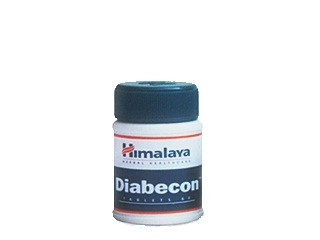
Diabecon® Information (Australia)
Diabecon® is an oral herbal medicine traditionally used as a supportive option for people with type 2 diabetes or those seeking help with blood glucose (sugar) management. This page provides patient-friendly information about what Diabecon is, how it may work, how it is typically used, possible side effects, and practical tips to help you use it safely. It is designed for an Australian audience.
Quick overview
- Product type: Herbal oral medicine
- Common use: Support for blood glucose management
- Who it may suit: Generally adults with type 2 diabetes as a complementary option
- How it is taken: Typically in divided doses, with meals or as directed
- Key safety notes: Monitor glucose closely; watch for stomach upset; discuss interactions
Basic product information
Diabecon® contains a standardised herbal extract blend (commonly marketed in Australia for supportive use in blood sugar management). The exact strength and ingredients can vary slightly by product presentation and packaging version, so it’s important to check the label on your specific box for:
- active ingredients and strengths
- recommended daily dose
- directions for use
- expiry date and storage instructions
If you are comparing products or switching between brands, use the label to confirm the same formulation and daily dose.
How Diabecon may work (mechanism of action)
Diabecon is a multi-ingredient herbal product. While individual ingredients may act through different pathways, the overall proposed mechanisms for blood glucose support often include:
- Improving insulin sensitivity: helping the body use insulin more effectively
- Supporting glucose metabolism: contributing to steadier post-meal glucose levels
- Antioxidant and anti-inflammatory effects: which may support overall metabolic health
- Influencing carbohydrate absorption: potentially reducing rapid spikes in blood sugar after meals
It’s important to note: herbal medicines may not act like prescription glucose-lowering medicines. Diabecon is commonly used as a supportive therapy alongside lifestyle measures and other diabetes care.
Pharmacokinetics (how the body processes it)
Because Diabecon is a standardised herbal product, detailed pharmacokinetic data (such as plasma peak levels and half-life for each ingredient) may be limited compared with conventional single-molecule medicines. In general terms:
- Absorption: Herbal components are absorbed through the gastrointestinal tract after oral dosing.
- Distribution: Components may distribute through body tissues, influenced by their solubility and binding.
- Metabolism: Many plant-derived compounds are metabolised by liver enzymes and other pathways.
- Excretion: Metabolites are typically eliminated via bile and/or urine.
Practical takeaway: effects may build over time. Many people monitor for changes in fasting and post-meal glucose readings over weeks, not overnight.
Indications: when Diabecon is commonly used
Diabecon is commonly marketed and used for supportive blood glucose management in type 2 diabetes. It may also be considered as part of a broader plan that includes:
- healthy eating (carbohydrate-aware meals)
- regular physical activity
- weight management where appropriate
- stress reduction and adequate sleep
- ongoing glucose monitoring
Diabecon is not intended to replace established diabetes care. If you have type 1 diabetes, diabetic emergencies, or complications requiring urgent attention, seek medical advice promptly.
Typical timing and how to take Diabecon
The best timing depends on the product label and your individual diabetes plan. In many cases, herbal glucose-support products are taken with meals to help support post-meal blood sugar patterns.
Typical approach (general guidance):
- Take doses as directed on the label.
- If the label suggests divided dosing, spread doses across the day (e.g., morning and evening).
- Try to take it consistently at similar times each day.
- Monitor glucose more frequently when you start or change the dose.
Example schedules (only if consistent with your pack directions):
- Twice daily: with breakfast and with dinner
- Three times daily: with breakfast, lunch, and dinner
If you’re unsure, check your packaging instructions or speak with a pharmacist.
Dosing (how much to take)
Always follow the dose on the product label. Herbal medicines can have different strengths depending on the formulation. Common dosing patterns (for informational purposes) may include:
- Adults: typically multiple capsules/tablets per day, divided by meal
- Children: not generally used unless a clinician specifically advises it
- Missed dose: take when you remember unless close to the next dose—avoid doubling
Do not exceed the recommended daily dose stated on your Diabecon packaging.
Food interactions (what to know about meals)
Diabecon is generally taken with or around meals. Food can influence the absorption and tolerability of herbal ingredients. Practical points include:
- With meals: may reduce the chance of stomach upset for some people.
- Consistency matters: taking at the same meal times daily may help you interpret glucose trends.
- Carbohydrate balance: your overall carbohydrate intake remains crucial for blood glucose control.
There are no universally established “avoid this food” rules, but if you notice that certain meals lead to greater glucose spikes, review your meal composition and monitor your response.
Alcohol and medicine interactions
Alcohol can affect blood glucose in unpredictable ways. It can also increase the risk of side effects such as dizziness or stomach irritation, particularly when combined with other diabetes-related treatments.
- Alcohol and glucose: may lower blood sugar in some situations and contribute to spikes in others.
- Alcohol and safety: avoid binge drinking; eat beforehand if you choose to drink.
- Hypoglycaemia concern: if you are using other glucose-lowering medicines, alcohol may increase the risk of low blood sugar.
To stay safe, discuss your alcohol habits with a pharmacist or doctor—especially if you use other diabetes medicines.
Medicine interactions (including common considerations)
Herbal products may interact with other medicines through effects on liver enzyme systems, gut absorption, blood clotting, or blood glucose regulation. While specific interaction details for every product combination aren’t always available, the following areas are important:
- Other blood glucose medicines: glucose-lowering combinations may increase the risk of low blood sugar in some people.
- Blood pressure and cholesterol medicines: monitor overall health and side effects; changes in diet or weight may also affect these.
- Blood thinning medicines: some herbal ingredients can affect bleeding risk. If you take anticoagulants/antiplatelets, ask a pharmacist.
- Diuretics and other cardiovascular drugs: keep an eye on hydration and electrolyte symptoms.
- Antidepressants and other long-term medicines: always inform your pharmacist of your full list.
Important: Provide your pharmacist with a complete list of medicines, supplements, and herbal products you use, including “natural” products. This helps prevent avoidable interactions.
Safety profile and side effects
Like all medicines, Diabecon may cause side effects in some people. Not everyone experiences them. Herbal medicines can also vary in tolerability depending on dose and the individual.
Common or mild side effects
- Stomach upset (nausea, mild cramps)
- Diarrhoea or loose stools
- Heartburn or indigestion
- Headache (less common)
- Changes in appetite
If mild side effects occur, taking the product with food and temporarily adjusting timing (while staying within label directions) may help. If symptoms persist, stop and seek advice.
Serious side effects (seek urgent help)
Stop using Diabecon and seek medical help urgently if you experience signs of an allergic reaction, such as:
- swelling of the face, lips, tongue, or throat
- trouble breathing or wheezing
- hives or widespread rash
Seek urgent advice if you have symptoms that could indicate significant low blood sugar, especially if you take other glucose-lowering medicines. Symptoms may include:
- sweating, shaking, or sudden weakness
- dizziness or confusion
- blurred vision
- hunger and palpitations
Who should take extra care
- Pregnancy and breastfeeding: speak to a healthcare professional first.
- Liver or kidney disease: ask a pharmacist; herbal metabolism and clearance can be affected.
- People with complex diabetes regimens: if you use insulin or sulfonylureas, monitor carefully.
- History of allergies to herbal products: discuss before use.
Practical use tips for best results
The biggest determinants of blood glucose control remain your overall lifestyle and diabetes care plan. If you choose to use Diabecon, these practical tips can help you assess whether it suits you:
- Start consistently: take at the same meal times daily.
- Track your glucose: record fasting and post-meal readings, as advised by your healthcare team.
- Give it time: evaluate trends over several weeks rather than days.
- Stay alert to symptoms: watch for stomach upset or possible signs of low blood sugar.
- Keep your other routine steady: don’t change multiple variables at once (e.g., diet, exercise, medicine changes) so you can interpret what’s working.
- Hydrate and eat regularly: irregular meals can affect glucose control and tolerability.
Alternative options
If you’re considering Diabecon, it may help to know there are other ways to support blood glucose—some are non-medicine, while others are oral or injectable therapies.
Non-medicine approaches
- Dietary changes: focusing on fibre-rich foods, limiting refined carbs, and balancing meals
- Physical activity: regular walking, strength training, and tailored exercise plans
- Weight management: for those who are overweight, even modest loss can improve glucose control
- Sleep and stress support: both can influence glucose
Other complementary products
Depending on your situation and preferences, other supplements may be considered. Examples include products marketed for glucose support (e.g., cinnamon extracts, chromium, or berberine-based supplements). Quality and evidence vary widely, and interactions are possible. Ask a pharmacist before starting any supplement—especially if you take other diabetes medicines.
Diabetes medicines (clinical options)
For many people, standard diabetes medications recommended by Australian clinical guidelines may provide more predictable glucose control. Discuss options with your healthcare professional if your glucose readings are above target or if complications are developing.
Market and legal context in Australia
In Australia, herbal medicines and complementary products are generally regulated through the Australian Register of Therapeutic Goods (ARTG) and must meet applicable regulatory requirements for quality, safety, and quality control. The exact regulatory status of a specific product depends on how it is supplied and registered.
When purchasing online, choose reputable retailers and confirm the product you receive matches the one listed on the pack. Look for:
- ARTG registration details (where applicable)
- manufacturer information
- clear directions for use and warnings
- expiry date and storage instructions
Product availability can change over time due to supply, regulatory updates, or packaging revisions. Always check the current product page and label details.
Recent guidance and key “current practice” points
Diabetes management guidance in Australia commonly emphasises:
- Evidence-based care: lifestyle measures plus diabetes medicines when needed
- Monitoring: regular review of glucose levels and individual targets
- Risk reduction: cardiovascular risk management and screening for complications
- Safety with combinations: caution with supplements/herbals that may affect glucose
For Diabecon specifically, patient-focused guidance typically advises:
- use according to label directions
- monitor glucose after starting or changing dose
- check interactions if you take other diabetes or cardiovascular medicines
- seek help if you experience adverse effects or persistent symptoms
Delivery, availability and what to expect
At our online pharmacy, Diabecon availability may vary depending on stock levels and supplier schedules. If a product is temporarily unavailable, you may see:
- estimated restock dates
- alternative pack sizes or similar products
- delivery timeframes at checkout
Delivery timeframe: depends on your location in Australia and the dispatch day. If available, you’ll see the estimated delivery window at checkout.
Packaging and storage: keep your product in a cool, dry place and follow label storage directions. Do not use past the expiry date.
Need help choosing the right pack? Contact us and we can help you confirm dose directions and check for availability.
FAQ about Diabecon (Australia)
Is Diabecon suitable for everyone with type 2 diabetes?
Diabecon is commonly used as a supportive option for adults. Suitability depends on your overall health, current medicines, kidney/liver function, and how your diabetes is being treated. If you take insulin or other glucose-lowering medicines, it’s especially important to monitor your glucose closely and speak with a pharmacist.
How quickly will I notice an effect?
Herbal glucose-support products may take time. Many people look for changes over several weeks. Monitor your glucose trends (including fasting and post-meal readings) to evaluate how you respond.
Should I take Diabecon with food?
Often, taking Diabecon with meals improves tolerability and may align with support for post-meal glucose patterns. Follow the directions on your label for the most accurate advice for your specific product.
Can I drink alcohol while using Diabecon?
It’s best to be cautious. Alcohol can affect blood glucose and may increase the risk of side effects. If you choose to drink, keep it moderate, eat beforehand, and monitor your glucose—particularly if you use other diabetes medicines.
What if I miss a dose?
Take it when you remember if it’s not close to the next dose. Otherwise, skip the missed dose and continue your normal schedule. Do not take double the dose.
Are there any warning signs I should stop and get help?
Stop using Diabecon and seek medical advice urgently if you have symptoms of a possible allergic reaction (e.g., swelling, rash, trouble breathing) or symptoms suggesting significant low blood sugar.
Will Diabecon replace my diabetes treatment?
Diabecon is typically used as a complementary/supportive option. Diabetes care should be individualised based on your glucose results, overall risk, and clinical plan. If you’re considering changing your diabetes regimen, speak with a healthcare professional first.
What interactions should I be most careful about?
Take extra care if you use other glucose-lowering medicines, blood thinners, or have complex medication regimens. Provide your full list of medicines and supplements to a pharmacist so they can help identify potential interactions.
Can I take other supplements with Diabecon?
Some supplements may affect blood sugar or interact with medications. It’s safest to check with a pharmacist before combining multiple supplements—especially those marketed for glucose support or those affecting liver function.
Is Diabecon available in different pack sizes?
Availability can vary by retailer and supply. When you choose a pack size, double-check that the dose instructions match your label.
Summary
Diabecon is an oral herbal medicine commonly used as a supportive option for blood glucose management in people with type 2 diabetes. While it may help some individuals by supporting glucose metabolism and metabolic health, it should be used alongside appropriate lifestyle measures and overall diabetes care.
For safety, follow label directions, take note of timing with meals, monitor your glucose more closely when starting, and discuss interactions with a pharmacist—especially if you take other diabetes medicines or have other health conditions.
Product information table
| Category | What to know |
|---|---|
| Product name | Diabecon® |
| Type | Oral herbal medicine (for supportive blood glucose management) |
| Typical use | Support for blood glucose in type 2 diabetes as part of a broader care plan |
| How it may work | May support insulin sensitivity and glucose metabolism through herbal constituents |
| Timing | Often with meals; follow label directions |
| Dose | Follow the label for your specific product strength and presentation |
| Food interactions | Usually taken around meals; consistency helps interpretation of glucose trends |
| Alcohol interactions | Alcohol can affect glucose and increase side effects; use caution and monitor |
| Safety | Stop and seek help for allergy symptoms; monitor for low blood sugar with other diabetes medicines |