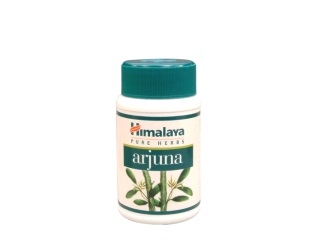

Arjuna (Terminalia arjuna) — Patient-Friendly Guide (Australia)
Arjuna is a herbal medicine traditionally used in Ayurveda for cardiovascular and overall vitality support. In Australia, Arjuna products are available through consumer health channels depending on formulation and regulatory classification. This page is designed to help you understand how Arjuna works, how it’s typically used, what to consider for safe use, and how to choose a suitable product.
Note: Herbal medicines can still affect the body and interact with other substances. If you have a medical condition, take other medicines, are pregnant or breastfeeding, or plan to use Arjuna for an extended period, consider speaking with a healthcare professional or pharmacist.
Basic Product Information
| Topic | What to know |
|---|---|
| Common name | Arjuna |
| Scientific name | Terminalia arjuna |
| Traditional use | Cardiovascular support, stamina, and “heart strength” in traditional systems of medicine |
| Typical form | Tablets/capsules, powders, and standardized extracts depending on brand |
| Key actives (varies by product) | Phytochemicals such as arjunic acid and related compounds (amounts depend on standardization) |
| Regulatory status (Australia) | May be supplied as an ingredient in listed complementary medicines or as a registered product depending on formulation and claims |
| Who may use it | Adults seeking general cardiovascular and wellbeing support (not for everyone) |
How Arjuna Works (Mechanism of Action)
Arjuna is best understood as a multi-constituent herbal product. While exact effects depend on the specific extract and dose, research and traditional use suggest several possible actions relevant to cardiovascular health:
- Antioxidant activity: Helps reduce oxidative stress, which is implicated in many cardiovascular processes.
- Support for vascular function: Compounds may support healthier endothelial (vessel lining) function and circulation.
- Modulation of inflammation: Some constituents may help calm inflammatory pathways.
- Lipid and metabolic support: Certain studies suggest improvements in cholesterol-related markers, though results vary and are not identical across all products.
- Traditional “cardiac support”: Historically used for “heart strength,” stamina, and maintenance of healthy cardiovascular function.
Important: Herbal medicines should not be expected to replace prescribed management for serious cardiovascular disease. If you have symptoms such as chest pain, shortness of breath, fainting, or rapid heartbeat, seek urgent medical care.
Pharmacokinetics (How the Body Handles It)
Pharmacokinetics describe how a substance is absorbed, distributed, metabolised, and eliminated. For Arjuna, pharmacokinetic data in humans is still limited and can vary widely by:
- the specific extract (whole herb powder vs. standardized extract)
- dose and tablet/capsule composition (fillers, bioenhancers)
- individual factors (age, liver function, gut health, other medicines)
General considerations:
- Absorption: Plant compounds are often absorbed variably; some constituents may have limited bioavailability.
- Distribution: Bioactive metabolites may circulate and reach target tissues after metabolism.
- Metabolism: Many herbal constituents undergo metabolism in the liver and gut.
- Elimination: Metabolites are typically cleared via bile and urine, but exact timelines are product- and compound-dependent.
Practical takeaway: Because bioavailability can differ between brands, sticking to one consistent product and following the label dosing instructions can help you monitor effects more reliably.
Typical Use and Indications (What It’s Often Used For)
Arjuna is commonly used as a complementary approach to support:
- Cardiovascular wellbeing (as part of overall heart health routines)
- Healthy circulation
- Physical stamina and vitality (traditional use)
- General metabolic and lipid-related support (depending on product and individual response)
What it does not guarantee: Herbal support is not a cure and should not be relied upon to treat established cardiovascular conditions by itself. If you’re managing high blood pressure, angina, heart failure, arrhythmias, or prior cardiac events, make sure your overall plan is coordinated with a clinician.
Timing: When and How to Take Arjuna
Many people take Arjuna once or twice daily, depending on the dose and the product label. Common timing patterns include:
- With a meal: Often chosen to improve comfort and reduce potential stomach upset.
- Morning and evening: Used for split dosing for steadier daily intake.
- Consistent schedule: Taking it around the same times each day makes it easier to track any effects.
How long until you notice effects? Some benefits (like general wellbeing or lifestyle-related markers) may take several weeks. For lipid or inflammation-related goals, longer consistent use is often needed before any change is detectable. If you don’t notice any benefit after a reasonable trial (often 6–12 weeks, depending on your goals), consider reassessing with a pharmacist or clinician.
Dosing (How Much to Take)
Follow the product label. Dosing for Arjuna differs depending on whether the product is:
- powdered herb (by weight)
- a standardized extract (by strength)
- a multi-ingredient formulation
Because there is no single universal “Arjuna dose” that fits all brands, use these general guidelines only as a starting point:
- Typical adult dosing: Many OTC products are taken in the range of one to two doses daily, commonly around 250–500 mg per dose for standardized extracts (brand-dependent).
- Split dosing: If the label indicates twice daily, aim for roughly 12-hour spacing.
- Start low if you’re sensitive: If you’ve never used it before, consider starting with the lower end of the label range for a few days, then adjust if tolerated (unless the label states a fixed dose).
Maximum dose: Do not exceed the maximum amount stated on your specific product label.
Food Interactions: What to Consider
Arjuna may be taken with food to improve tolerability. However, food can influence absorption for many herbal products.
- Taking with meals: Often helps reduce nausea or gastric discomfort for some people.
- Fats and meals: If your product contains fat-soluble constituents or is formulated with bioenhancers, taking it with a meal may improve consistency.
- Grapefruit and similar foods: These can affect drug-metabolising enzymes for some medicines. While direct grapefruit interactions with Arjuna are not well established, if you take other medicines, keep interactions in mind.
Best practice: Choose either always with food or always on an empty stomach depending on what your label recommends. Consistency can reduce variability in effects.
Alcohol and Medicine Interactions
Alcohol
Moderate alcohol intake does not have a well-defined direct interaction with Arjuna in most references. However, alcohol may:
- worsen dizziness or stomach irritation in sensitive individuals
- affect liver metabolism of herbal constituents
- confuse how you feel when you’re monitoring the supplement’s effects
Practical advice: If you drink alcohol, consider spacing your intake away from dosing, and stop alcohol if you notice increased side effects.
Interactions with medicines
Because Arjuna can influence cardiovascular-related pathways (and because herbal products may affect metabolism), caution is advised if you take regular medicines—especially:
- Antihypertensives (blood pressure-lowering medicines): possible additive effects on blood pressure
- Anticoagulants or antiplatelet medicines (blood thinners): increased bleeding risk is a theoretical concern; monitor closely
- Diuretics (water tablets): potential for further changes to fluid/electrolyte balance
- Antiarrhythmics and other heart rhythm medicines
- Cholesterol-lowering agents (statins, ezetimibe, etc.): may be additive in lipid effects; also watch for muscle or liver-related symptoms
- Diabetes medicines: if used for metabolic support, monitor glucose
- Immunosuppressants: herbal immune effects are not always predictable
Action step: If you take any long-term medicines, it’s wise to check with a pharmacist before starting Arjuna, particularly if you have cardiovascular disease or are taking anticoagulants.
Safety Profile: Side Effects and Who Should Avoid Arjuna
Herbal products are generally well tolerated when used correctly, but side effects can occur. Reported or potential adverse effects may include:
- Gastrointestinal discomfort (nausea, stomach upset, or reflux)
- Headache in some individuals
- Allergic reactions (rare), especially in people with sensitivities to plant materials
- Changes in blood pressure (theoretical/additive effect)
Stop and seek medical advice urgently if you experience:
- swelling of the face/lips, trouble breathing, or rash/hives
- severe dizziness or fainting
- chest pain, worsening shortness of breath, or new irregular heartbeat
- signs of significant bleeding (unusual bruising, black/tarry stools, vomiting blood)
Who should be extra cautious?
- Pregnancy and breastfeeding: Use only if a healthcare professional advises it.
- Children and adolescents: Not routinely recommended unless advised by a clinician.
- Liver disease: Because herbal compounds are metabolised, discuss first if you have liver impairment.
- Kidney disease: Discuss first, as clearance can be affected.
- History of bleeding disorders or anticoagulant use: Check before starting.
Quality matters: Choose reputable brands with clear ingredient disclosure and standardized content where available.
Practical Use Tips (How to Get the Best Experience)
- Start steadily: Begin with the labeled dose (or a lower starting dose if your product allows and your clinician agrees) to see how you respond.
- Keep track: Note how you feel, and if you’re monitoring relevant markers (blood pressure, cholesterol, symptoms), track them over time.
- Stay consistent: Don’t frequently change brands or dosing schedules mid-trial.
- Check the label: Confirm the strength, serving size, and whether it’s an extract or whole herb powder.
- Pair with lifestyle fundamentals: For cardiovascular goals, diet quality, regular exercise, sleep, and smoking cessation (where relevant) are crucial.
- Watch for side effects: If you feel stomach upset, take with food or speak with a pharmacist.
Alternative Options (Depending on Your Goal)
If you’re considering Arjuna for cardiovascular or wellbeing support, other complementary options may be considered. The “best” alternative depends on your health history and current medications.
- Omega-3 fatty acids (e.g., fish oil): often used for general cardiovascular support and triglyceride-related goals.
- Coenzyme Q10: sometimes used for energy metabolism support; commonly used by people who want to support heart health.
- Magnesium: may support muscle and nervous system function; some people take it for cramps or stress-related symptoms.
- Hawthorn (Crataegus): traditionally used in herbal approaches to cardiovascular support (interaction potential exists).
- Curcumin/turmeric extracts: used for antioxidant/anti-inflammatory support in some routines.
Important: Alternatives can also interact with medications. Always check compatibility with your current medicines and health conditions.
Market & Legal Context for Australia (What You Should Expect)
In Australia, complementary medicines are regulated under the Therapeutic Goods Administration (TGA). Depending on the product and its claims, Arjuna-containing items may be supplied as:
- Listed medicines (meeting requirements for quality and safety for certain kinds of claims)
- Registered medicines (for products with higher levels of evidence supporting specified therapeutic indications)
- Ingredients in multi-ingredient formulations
Claims matter: Marketing for complementary medicines must align with the product’s approved or permitted claims. As a customer, it’s helpful to look for:
- clear active ingredient(s) and amounts
- instructions on dosing and use
- relevant caution statements
- evidence of quality control (standardisation or validated testing where available)
Recent guidance (practical interpretation): In recent years, Australian consumer protection and regulatory messaging has increasingly emphasised product quality, accurate labelling, and careful use alongside prescription/health conditions—especially for people with chronic diseases. Always ensure your product is from a reputable seller and check the most current label instructions.
Delivery, Availability, and What to Expect When Ordering in Australia
Arjuna products are commonly available online from Australian retailers, pharmacies, and specialist complementary health stores. Availability may vary by brand, formulation, and size.
- Delivery options: Many online pharmacies offer standard and express shipping depending on location.
- Packaging: Products should arrive sealed, with labels intact and dosing clearly printed.
- Storage: Store as directed on the label, typically in a cool, dry place away from sunlight.
- Stock rotation: Check expiry dates when possible; reputable retailers maintain proper stock rotation.
If you need help choosing: Share your goal (e.g., general cardiovascular support), your age range, and any medications with the support team or a pharmacist to help match you with the most appropriate product type and dosing approach.
FAQ About Arjuna (Terminalia arjuna)
1) Is Arjuna a “heart medication”?
Arjuna is a herbal complementary medicine traditionally used for cardiovascular wellbeing. It is not the same as prescription heart medications. If you have a diagnosed heart condition, use Arjuna only as an add-on to a plan agreed with a healthcare professional.
2) How quickly will Arjuna work?
Herbal effects often build gradually. Some people notice wellbeing changes within a few weeks, while measurable effects related to cardiovascular markers may take longer and depend on consistent dosing and lifestyle factors.
3) Can I take Arjuna with my other medicines?
Possible interactions exist, especially with medicines affecting blood pressure, clotting, heart rhythm, cholesterol, or diabetes. It’s best to check with a pharmacist or your healthcare provider before combining Arjuna with regular medications.
4) Should I take Arjuna with food or on an empty stomach?
Many people tolerate Arjuna better with food. Follow your product label. If the label doesn’t specify, taking it with a meal can help reduce stomach upset and improve consistency.
5) What side effects might I experience?
Possible side effects include mild gastrointestinal discomfort (like nausea or indigestion) or headache. Stop use and seek medical advice if you experience severe symptoms, allergic reactions, dizziness/fainting, or signs of bleeding.
6) Is Arjuna safe for everyone?
No. Extra caution is needed for pregnancy/breastfeeding, children, people with liver or kidney problems, those taking anticoagulants/antiplatelet drugs, or anyone with complex medical conditions. Consult a healthcare professional when in doubt.
7) Can I drink alcohol while taking Arjuna?
There is no universal, guaranteed interaction, but alcohol may worsen stomach irritation and affect how your body metabolises substances. Keep alcohol moderate and monitor how you feel. Seek advice if you notice adverse effects.
8) How do I choose the right Arjuna product?
Look for clear labelling with the ingredient type (powder vs standardized extract), the amount per serving, dosing instructions, and reputable manufacturing. If possible, choose standardized extracts with consistent strength.
9) Are there alternative herbal options?
Yes—depending on your goal, some alternatives include omega-3, coenzyme Q10, magnesium, hawthorn, or curcumin/turmeric extracts. Each has its own safety and interaction profile, so check compatibility with your current medicines.
10) What if I miss a dose?
Take it when you remember unless it’s close to the next dose. Do not take double doses. If you’re unsure, follow the label guidance or ask a pharmacist.
Summary
Arjuna (Terminalia arjuna) is a traditional herbal medicine commonly used to support cardiovascular wellbeing and overall vitality. While many people use it as part of a heart-healthy routine, it’s important to choose a reputable product, follow the label dosing guidance, and consider interactions—particularly if you take medicines related to blood pressure, clotting, heart rhythm, cholesterol, or diabetes. With consistent use and mindful safety checks, Arjuna may fit into a complementary approach to wellbeing.