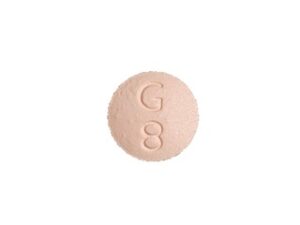

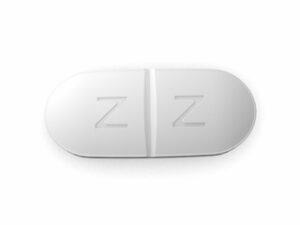
Zyprexa (Olanzapine) – Patient-Friendly Medicine Information (Australia)
Zyprexa is a brand of olanzapine, an antipsychotic medicine used to treat certain mental health conditions. This page explains how olanzapine works, how it behaves in the body, typical uses, dosing considerations, and important safety information. It is written to be patient-friendly and is suitable for general education. Always follow the advice of your healthcare professional and read the consumer medicine information provided with your product.
Quick overview
- Active ingredient: Olanzapine
- Medicines type: Antipsychotic (second-generation/atypical)
- Common forms: Tablets (including standard and orodispersible depending on the product brand available), and other formulations depending on market availability
- Typical uses: Schizophrenia, bipolar disorder (including manic or mixed episodes), and related conditions as directed by clinicians
- Key safety themes: Weight gain, metabolic changes (lipids and glucose), drowsiness, and movement-related side effects
Basic product information
Zyprexa contains olanzapine, a medicine that affects several brain receptors involved in mood, thought, perception, and behaviour. Olanzapine is widely used internationally and is available in Australia as an approved medicine.
| Feature | What to know |
|---|---|
| Brand name | Zyprexa (olanzapine) |
| Generic name | Olanzapine |
| Drug class | Second-generation (atypical) antipsychotic |
| How it’s taken | Usually by mouth once daily, depending on your regimen and formulation |
| Onset of benefits | Some effects may occur early; full benefit often takes weeks |
| Monitoring | Weight, waist circumference, blood pressure, glucose, and cholesterol are often monitored |
How olanzapine works (mechanism of action)
Olanzapine works by influencing multiple neurotransmitter pathways, particularly:
- Dopamine receptors (D1/D2) – helps reduce symptoms such as hallucinations and delusions.
- Serotonin receptors (including 5-HT2A) – helps improve mood-related symptoms and may contribute to a different side-effect profile compared with older antipsychotics.
- Other receptor effects – olanzapine can affect histamine and other receptors, which is linked to drowsiness and appetite changes.
Because it targets several systems, olanzapine may help with both psychotic symptoms and mood instability in conditions such as schizophrenia and bipolar disorder, when used as directed.
Pharmacokinetics (how the body handles olanzapine)
Pharmacokinetics describes how a medicine is absorbed, distributed, metabolised, and eliminated. Understanding these can help with timing, missed doses, and drug interaction awareness.
Absorption
After oral administration, olanzapine is generally absorbed reasonably well. Peak blood levels typically occur within a few hours (often around ~5–8 hours depending on formulation and individual factors).
Distribution
Olanzapine distributes throughout the body and crosses into the brain to exert its effects. It is also bound to plasma proteins.
Metabolism
Olanzapine is primarily metabolised in the liver, mainly via CYP1A2 (and to a lesser extent other pathways). This is important because certain factors can increase or decrease levels.
- Smoking/tobacco smoke exposure can lower olanzapine levels by increasing CYP1A2 activity.
- Some drug interactions can change olanzapine concentrations.
Elimination
Olanzapine is eliminated as metabolites, mainly through renal excretion and bile/fecal pathways. The elimination half-life is roughly ~20–30 hours, which is part of why it is often dosed once daily.
Typical use and indications
Olanzapine is used for specific conditions where a clinician judges that an antipsychotic may reduce symptoms and improve function. Indications can vary by formulation and patient factors. In Australia, use aligns with the approved product information.
Common clinical indications include
- Schizophrenia: helps manage symptoms such as hallucinations, delusions, disorganised thinking, and negative symptoms.
- Bipolar disorder:
- Manic or mixed episodes
- Maintenance strategies in selected patients, depending on the broader treatment plan
- Acute agitation and related symptom control in appropriate contexts as directed by clinicians (depending on formulation and local guidelines)
Your healthcare professional may also consider olanzapine for other situations based on clinical judgment and approved guidance.
Dosing: what patients typically need to know
Dosing varies according to the condition being treated, age, overall health, and tolerability. Only your clinician can determine the most suitable starting dose and adjustments. Below are general educational dosing concepts commonly reflected in product information.
General dosing principles
- Start low and go slow may be used to minimise side effects.
- Regular review helps ensure the dose is effective and tolerable.
- Do not stop suddenly without medical advice, as stopping can lead to symptom return or withdrawal-like effects in some people.
Typical dose ranges (general guidance)
For many adults, oral dosing is often within ranges such as:
- Schizophrenia: commonly around 5–20 mg once daily (range may differ by patient and guidance).
- Bipolar disorder (mania/mixed episodes): commonly around 5–20 mg once daily, sometimes adjusted based on response.
In some circumstances, lower starting doses may be used (for example, in older adults or when there are specific safety concerns). Dose adjustment may be necessary if you have liver/kidney issues, are sensitive to sedation, or if interactions are present.
Missed dose
If you miss a dose, take it when you remember unless it is close to the time for your next dose. Avoid doubling up. If you are unsure, ask your pharmacist for advice tailored to your dosing schedule.
Timing: when to take olanzapine
Olanzapine is commonly taken once daily. Many people take it in the evening if it causes sleepiness, but some individuals prefer morning dosing depending on how they feel.
Practical timing tips
- Choose a consistent time each day to maintain steady levels.
- If you feel drowsy, discuss switching to bedtime dosing with your clinician.
- Avoid sudden major changes in routine (such as night-shift sleep patterns) without checking with your healthcare team.
Food interactions and absorption
Olanzapine can be taken with or without food for many patients. Food generally does not significantly affect overall absorption, but taking it consistently may help reduce side effects such as nausea or stomach discomfort.
- If olanzapine upsets your stomach, taking it with food may help.
- Follow the instructions provided with your specific Zyprexa product.
Alcohol and medicine interactions
Alcohol
Combining olanzapine with alcohol can increase effects on the nervous system, leading to:
- Greater drowsiness or dizziness
- Higher risk of accidents or falls
- Worsening impaired coordination and reaction time
It’s generally recommended to avoid alcohol or use only with clear clinician guidance.
Medication interactions
Olanzapine levels and side effects may be influenced by other medicines. Always keep your healthcare professional and pharmacist informed about everything you take, including over-the-counter medicines and supplements.
Examples of interaction categories (general information)
- Medicines that affect CYP1A2:
- Smoking can reduce olanzapine levels.
- Some drugs may increase or decrease levels by affecting CYP1A2.
- Other sedating medicines (e.g., some antihistamines, benzodiazepines, opioid pain medicines):
- may increase sedation, impair driving ability, and increase fall risk.
- Medicines affecting the brain’s dopamine system:
- may influence symptom control or side effects.
- Medicines that impact heart rhythm:
- may require extra caution depending on your personal risk factors.
This is not a complete list. Your pharmacist can check your specific medicines for interaction risk with olanzapine.
Safety profile: common and serious side effects
Like all medicines, olanzapine can cause side effects. Many people tolerate it well, but it’s important to know what to watch for. If you experience concerning symptoms, seek medical advice promptly.
Common side effects
- Drowsiness, sleepiness, or feeling “slow”
- Increased appetite and weight gain
- Dizziness, especially when standing up quickly
- Constipation or dry mouth
- Increased blood sugar or cholesterol/triglycerides (metabolic effects)
- Swelling in some cases (e.g., peripheral oedema)
Metabolic monitoring: an important part of olanzapine care
Olanzapine is associated with metabolic changes in some people. Clinicians commonly monitor:
- Weight (and often waist circumference)
- Blood pressure
- Fasting glucose or HbA1c (diabetes risk)
- Lipids (cholesterol and triglycerides)
Serious but less common risks
- Severe allergic reactions (e.g., swelling of face/lips, rash, trouble breathing)
- Neuroleptic malignant syndrome (NMS): high fever, muscle stiffness, confusion, unstable blood pressure/heart rate
- Tardive dyskinesia and other movement disorders: involuntary movements, especially with longer-term use
- Falls and injuries due to dizziness/sedation (especially in older adults)
- Changes in blood counts in rare cases
When to seek urgent help
Get urgent medical assistance if you experience symptoms such as:
- Signs of severe allergic reaction
- High fever with stiffness, confusion, or severe worsening of symptoms
- Fainting, severe dizziness, or chest pain
- New or rapidly worsening difficulty breathing
Practical use tips for patients
These tips are designed to help you use olanzapine more smoothly and safely in everyday life.
1) Side-effect tracking
- Note changes in sleepiness, appetite, weight, or mood.
- Share them with your clinician early—dose adjustment or supportive strategies can help.
2) Metabolic health support
- Discuss a weight and glucose plan with your healthcare team.
- Consider healthy eating strategies and regular physical activity that fit your goals and abilities.
- Attend planned blood tests to catch changes early.
3) Standing up slowly
If you feel light-headed when getting up, rise slowly from sitting or lying positions, especially after taking your dose.
4) Driving and operating machinery
Because olanzapine can cause drowsiness, be cautious with driving, cycling, and machinery until you know how it affects you.
5) Smoking and routine changes
Tobacco smoke can affect olanzapine metabolism. If you change your smoking habits (including quitting), discuss with your clinician, as your dose may need reassessment.
6) Don’t skip monitoring appointments
Antipsychotic medicines often require follow-up to support safety and effectiveness. Regular review is a key part of care.
Alternative options (what else might be used)
Treatment for schizophrenia or bipolar disorder is individualised. Alternatives can include other antipsychotics, mood stabilisers, and non-medication supports such as psychotherapy and structured psychosocial care. Your clinician will choose based on symptom profile, past response, side effect history, and medical factors.
Possible alternative medication approaches
- Other atypical (second-generation) antipsychotics (choice depends on side-effect profile and symptoms)
- Other mood stabilisers for bipolar disorder (depending on whether acute mania, maintenance, or mixed episodes are the focus)
- Combination therapy may be used in certain bipolar presentations under medical supervision
If olanzapine is not a good fit—due to side effects, inadequate response, or other factors—talk to your healthcare professional about switching strategies and how to reduce risks during any transition.
Market and legal context in Australia (patient-facing)
Medicines like Zyprexa (olanzapine) are regulated in Australia. Availability and use are governed by Australian medicines law and the product information approved for the medicine. Your healthcare professional can determine what is appropriate for you based on your condition and safety considerations.
If you purchase online, reputable pharmacies will typically verify eligibility and provide required information such as safe use instructions and product details.
Recent guidance and clinical focus
Clinicians and services in Australia commonly emphasise:
- Metabolic monitoring for antipsychotics (weight, glucose, lipids, blood pressure)
- Shared decision-making (balancing benefits and side effects)
- Regular review of ongoing need, dose, and tolerability
- Safety management for sedation, falls risk, and movement-related side effects
Recommendations may vary slightly over time and by local health service; your clinician can align your care with the latest evidence-based practice.
Delivery and availability (online pharmacy information)
When Zyprexa (olanzapine) is available through an online pharmacy, delivery options usually depend on stock levels and your location within Australia. Many reputable services offer:
- Standard and express delivery (where available)
- Tracking for shipment progress
- Discrete packaging
- Product authenticity checks according to pharmacy supply standards
Availability can vary due to manufacturer supply, pharmacy ordering schedules, and formulation strength. If your preferred strength or formulation is temporarily unavailable, your pharmacy may suggest alternatives where appropriate and safe.
FAQ (frequently asked questions)
1) What is Zyprexa used for?
Zyprexa (olanzapine) is used for conditions such as schizophrenia and bipolar disorder (for manic or mixed episodes, and in some cases broader management plans), as directed by clinicians and in line with the approved product information.
2) How quickly will it work?
Some people notice improvements in agitation, sleep, or mood symptoms within days to weeks, but full benefits can take several weeks. Consistent daily use is important for best results.
3) Should I take it with food?
It can often be taken with or without food. If it upsets your stomach, taking it with food may help. Always follow the directions for your specific product.
4) Can I drink alcohol while taking olanzapine?
Alcohol may increase sedation and dizziness. It is generally best to avoid alcohol or ask your clinician/pharmacist what is safest for you.
5) Will it cause weight gain?
Weight gain and increased appetite can occur with olanzapine in some people. Monitoring weight and metabolic health is an important part of treatment. Lifestyle strategies and clinical review can help manage risk.
6) Does smoking affect olanzapine?
Yes. Tobacco smoke can reduce olanzapine levels by increasing CYP1A2 activity. If you start smoking, quit, or significantly change your smoking habits, discuss with your clinician because your dose may need adjustment.
7) What should I do if I feel very sleepy?
Drowsiness is a common effect. Avoid driving or risky activities until you know how you respond. Speak with your clinician or pharmacist—dose timing or dose adjustment may be options.
8) Can I stop taking Zyprexa suddenly?
Do not stop suddenly without advice. Stopping antipsychotic medicines can lead to symptom return and other issues. If you want to change treatment, discuss a safe plan with your healthcare professional.
9) What monitoring is usually needed?
Monitoring often includes weight, blood pressure, glucose (or HbA1c), and lipids. Your clinician will set a schedule based on your individual risk and response.
10) Are there alternatives if side effects are a problem?
Yes. Depending on your diagnosis and history, your clinician may consider other antipsychotics or different treatment strategies. Switching needs careful planning to maintain symptom control and reduce withdrawal or relapse risk.
11) Is everyone affected the same way?
No. People differ in how they respond and what side effects they experience. Age, other medical conditions, diet, smoking status, and interacting medicines can all influence risk and tolerability.
Important patient reminder
This information is general and educational. It cannot replace personalised advice from your healthcare professional. If you have questions about side effects, dosing timing, or interactions with your other medicines, speak with your pharmacist or prescriber for support.