

Mysoline (Primidone) – Patient-Friendly Medicine Information (Australia)
Mysoline is a brand of primidone, a medicine used mainly to help control certain types of seizures. This page explains how Mysoline works, how it’s usually taken, key safety considerations, and where to find current information relevant to Australia.
Important: This guide is for general education. Your treating clinician or pharmacist can tailor advice to your individual situation. If you are unsure about anything—especially dosing, missed doses, or stopping—ask a healthcare professional.
Basic product information
| Item | Details |
|---|---|
| Medicine name | Mysoline (primidone) |
| Medicine type | Anticonvulsant (anti-seizure/antiepileptic medicine) |
| How it is taken | Oral tablets (availability may vary by brand/formulation) |
| Common uses | Seizure control; sometimes used for essential tremor depending on clinician assessment |
| ATC/therapeutic area | Antiepileptic medicines |
| Medicine classification in general terms | Often subject to prescription and safety monitoring practices in Australia |
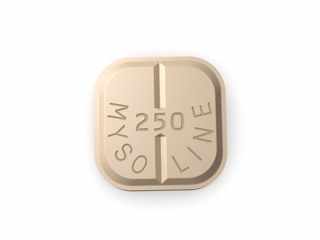
Note: Product presentations and strengths differ by country and manufacturer. Your pharmacy can confirm the exact tablet strength you have.
What is primidone and how does Mysoline work?
Primidone (Mysoline) is an antiepileptic medicine. After it’s taken by mouth, your body converts part of it to phenobarbital. The overall effect helps reduce excessive electrical activity in the brain.
Mechanism of action (simplified):
- Enhances inhibitory signalling in the brain, which can raise the seizure threshold.
- Modulates neurotransmission and neuronal excitability.
- Produces effects partly through phenobarbital formation after metabolism.
This combination contributes to better control for many people with certain seizure types.
Pharmacokinetics (how the medicine moves through the body)
Pharmacokinetics describes what the body does to a medicine (absorption, metabolism, and elimination). The exact numbers can vary between individuals.
- Absorption: Primidone is absorbed after oral dosing, with levels building gradually as dosing begins.
- Distribution: It distributes throughout body tissues and can cross into the central nervous system.
- Metabolism: Primidone is metabolised in the liver. A major metabolite is phenobarbital, which also contributes to activity.
- Elimination: Clearance occurs through metabolic pathways and excretion.
- Onset and steady effect: Because dosing is often increased gradually, symptom improvement may take days to weeks, depending on the person and dose adjustment schedule.
Why this matters: Mysoline is commonly started at a low dose and increased slowly to reduce side effects (especially at the beginning) while achieving seizure/tremor control.
Typical uses
Mysoline is primarily used to help control seizures. In clinical practice, it may be used for:
- Epilepsy (various seizure types depending on individual assessment and local clinical guidelines).
- Refractory or adjunct therapy when seizures are not fully controlled with other medicines alone.
- Essential tremor in selected patients, depending on clinician evaluation and suitability.
Indication note: The specific approved indications can vary by product registration details in Australia. Your pharmacist can confirm the approved use for your specific Mysoline product.
When and how to take Mysoline (timing)
Common practical approach:
- Mysoline is usually taken once or twice daily, but your regimen may vary.
- Your clinician may increase the dose slowly to improve tolerance.
- Try to take it at consistent times each day.
If you are starting:
- Initial doses are often low to reduce early side effects (such as drowsiness or dizziness).
- Plan for the first few days/weeks to see how you respond before driving or operating machinery.
Missing a dose:
- If you miss a dose, take it when you remember unless it is close to the next dose.
- Do not take a double dose to make up for the missed one.
- If you frequently miss doses, speak with your pharmacist for strategies to improve adherence.
Do not stop suddenly:
Stopping abruptly can increase seizure risk. If you need to stop, your clinician will usually guide a gradual taper.
Food interactions and what to eat
Food and primidone: Mysoline can generally be taken with or without food. However, taking it with food may help some people reduce stomach discomfort or nausea.
- If you feel nauseous: try taking the dose with a meal or snack.
- Maintain consistency: if a clinician advises taking with food, keep that routine.
Grapefruit and similar products: There are no special, widely emphasised “avoid” rules for grapefruit with primidone in the way there are for some other medicines. Still, because individuals differ and interactions are possible, check with a pharmacist if you consume concentrated supplements or beverages.
Alcohol interactions
Alcohol is best avoided or used with extreme caution while taking Mysoline.
- Alcohol and primidone can both contribute to sleepiness, impaired coordination, and slowed reaction time.
- Combining them increases the risk of falls, accidents, and dangerous sedation.
- If you drink, ask your pharmacist what “safe” means for you specifically, based on your dose and other medicines.
Driving and machinery: Avoid driving or operating machinery if you feel drowsy, dizzy, or slowed after taking Mysoline—especially during the early treatment period or after dose changes.
Interactions with other medicines
Mysoline can interact with several medications, because it may affect liver enzyme activity and because other medicines can add to sedation or seizure risk.
Always tell your pharmacist about:
- All prescription medicines
- Over-the-counter medicines
- Herbal products and supplements
- Past reactions to medicines
Common interaction themes
- Other sedating medicines: opioids, benzodiazepines, sleep medicines, some antihistamines, and some anxiety/depression medicines may increase drowsiness.
- Medicines that affect seizure threshold: some drugs can worsen seizure control.
- Enzyme interactions: primidone/phenobarbital can alter metabolism of other medicines, potentially changing their effectiveness.
Examples of medicine categories to discuss
- Oral contraceptives (reduced effectiveness may occur with enzyme-inducing antiepileptics—discuss reliable contraception options).
- Warfarin or other anticoagulants (possible effects on INR and bleeding risk).
- Antidepressants and antipsychotics (sedation and level changes can occur).
- Other antiepileptic drugs (dose adjustments may be needed for tolerability and seizure control).
- Some antibiotics/antifungals or antivirals (potential metabolism effects—pharmacist check recommended).
Important: Interaction checking depends on exact product names and strengths. Use your pharmacy’s medicine interaction tools or ask directly.
Dosing: how Mysoline is typically started and adjusted
Dosing varies widely depending on age, seizure type, medical history, and response. Your clinician will set your exact regimen.
General principles:
- Start low and increase slowly to reduce side effects.
- Adjust based on seizure control and tolerability.
- Some people require dose changes over time.
Typical titration pattern (conceptual):
- Week 1–2: low initial dose to assess tolerance.
- Subsequent weeks: gradual increases at intervals determined by your clinician.
- Maintenance: a stable daily dose that controls symptoms with the fewest side effects.
Monitoring considerations:
- Early in treatment, you may be monitored for sedation, dizziness, balance issues, and mood changes.
- Longer term, routine review of seizure control and side effects is important.
Do not self-adjust: Changing the dose without guidance can destabilise seizure control or increase side effects.
Safety profile and side effects
Like all medicines, Mysoline can cause side effects. Many are most noticeable at the start or after dose increases and may lessen as your body adjusts.
Common side effects
- Drowsiness or fatigue
- Dizziness
- Nausea or stomach upset
- Unsteadiness / balance problems
- Headache
- Reduced concentration
Less common but important to discuss
- Skin reactions
- Mood changes (irritability, depression, unusual behaviour)
- Blood-related changes (your clinician may monitor blood counts if needed)
Seek urgent medical help if
- You develop signs of a serious allergic reaction (e.g., swelling of face/lips, trouble breathing)
- Severe rash, blistering, or mouth sores
- Unusual bruising/bleeding, persistent fever, or severe infection symptoms
- Marked confusion, extreme drowsiness, or breathing difficulties
- Any sudden worsening in seizures or new seizure patterns
Special considerations
- Older adults: may be more prone to sedation, falls, and coordination problems.
- People with liver issues: may require careful monitoring.
- Pregnancy and breastfeeding: decisions require careful risk–benefit discussion with your clinician.
Practical tips for taking Mysoline safely
- Use a dosing routine: take it at the same times daily; consider a pill organiser.
- Be cautious with driving: if you feel drowsy or dizzy, avoid driving until you know how you respond.
- Limit alcohol: it can worsen sedation and coordination issues.
- Keep a symptom diary: note seizure frequency, triggers, and side effects to help clinicians adjust therapy.
- Don’t stop abruptly: even if you feel better, continue unless your clinician advises otherwise.
- Check interaction risks: ask before starting new medicines, including herbal products.
- Hydration and meals: taking doses with food may reduce nausea for some people.
Alternative options (what else can be considered)
If Mysoline isn’t suitable due to side effects, interactions, or lack of effectiveness, there are other treatment options for seizures and tremor. Alternatives may include:
- Other antiepileptic medicines (choice depends on seizure type and patient factors)
- Combination therapy using different medicines at adjusted doses
- Non-medicine strategies for some conditions, including trigger management and, in selected cases, specialist interventions
- For tremor: clinicians may consider other tremor-focused treatments depending on cause and severity
Important: If you’re considering switching, do it under medical guidance—tapering and cross-titration can be necessary.
Indications (what conditions it is used for)
In Australia, primidone products are used for specific clinical indications, typically including:
- Epilepsy/seizure disorders (as assessed by clinicians)
- Essential tremor (in selected cases)
Because approved indications and prescribing practices can vary, confirm the intended use for your individual medicine with your pharmacist or prescriber.
Market and legal context for Australia (general information)
Medicines containing primidone are regulated under Australian medicines and pharmacy laws. Availability through online pharmacies depends on compliance with:
- Australian regulatory requirements for medicines supply
- Pharmacist professional responsibilities to verify suitability, interactions, and counselling needs
- Patient identification and verification processes where required
Your online pharmacy should provide access to appropriate clinical and safety checks before supply. If you have questions about eligibility or supply, contact the pharmacy directly.
Recent guidance and keeping up to date
Clinical guidance for antiepileptic medicines can evolve. Recommendations may include updates on:
- Best practice for managing seizure control
- Safety warnings and monitoring practices
- Considerations for special groups (pregnancy, older adults, mental health)
- Interaction management and safer prescribing
For the latest official information in Australia, consider reviewing:
- Product information documents from the Australian medicines regulator and the manufacturer
- Advice from Australian epilepsy support organisations and specialist clinicians
- Your pharmacist’s counselling and monitoring plan
If you’re starting Mysoline or changing your dose, ask your pharmacist whether there are any recent updates relevant to your product and situation.
Delivery and availability
Availability of Mysoline can depend on stock levels, strength, and tablet presentation. Many online pharmacies in Australia provide home delivery for eligible medicines.
What to expect when ordering online:
- Verification steps: your details may be checked to support safe supply and counselling.
- Packaging: medicines are typically dispatched in tamper-evident packaging.
- Delivery timing: varies by state/territory and courier service.
- Cold chain: Mysoline is generally not temperature-sensitive like vaccines; however, follow packaging instructions and storage guidance.
Tip: If you need your medication urgently, contact the pharmacy to check dispatch times and alternative options if stock is limited.
Storage instructions
Follow the storage instructions on the pack or product leaflet. In general:
- Store at room temperature unless otherwise stated
- Keep the medicine in its original container
- Keep out of reach of children
- Protect from moisture and extreme heat
If your tablets look different (e.g., discoloured, damaged), ask your pharmacist before using them.
FAQ – Frequently asked questions
1) How long does it take for Mysoline to work?
Some people notice changes within days, but for others it can take longer—especially because doses are often increased gradually. It may take several weeks to reach a stable effect at the maintenance dose. If you have breakthrough seizures or worsening tremor, contact your clinician for advice rather than changing your dose yourself.
2) Why do I need to increase the dose slowly?
Primidone can cause side effects early in treatment (such as drowsiness, dizziness, or unsteadiness). Slow titration helps your body adjust and can improve tolerability.
3) Can I take Mysoline with meals?
Yes, it can usually be taken with or without food. If you feel nauseous, taking it with food may help.
4) Is it safe to drink alcohol while taking Mysoline?
Alcohol can increase sedation and impair coordination. It is generally best to avoid alcohol or discuss a personalised plan with your pharmacist.
5) Can I stop Mysoline suddenly?
No. Stopping abruptly can increase the risk of seizures. If you want to stop, ask your clinician or pharmacist about a gradual taper schedule.
6) What should I do if I miss a dose?
Take it when you remember unless it’s close to the next dose. Don’t take a double dose. If you’re unsure, ask your pharmacist—especially if you miss multiple doses.
7) What side effects are most common at the start?
Drowsiness, dizziness, nausea, and unsteadiness are among the most common early effects. These often improve as the dose stabilises, but report severe or persistent effects promptly.
8) Are there interactions with other medicines?
Yes. Mysoline can interact with other medicines—particularly those that cause sedation, affect liver metabolism, or change seizure control. Always ask a pharmacist before starting new medicines or supplements.
9) Does Mysoline affect contraception?
Some antiepileptic medicines can reduce the effectiveness of hormonal contraception. Discuss contraception options with your pharmacist or clinician so you can choose a reliable method.
10) Where can I find official information for my product?
Your pharmacist can provide the most relevant product information. You may also look up the official consumer or product information documents for primidone products used in Australia.
Need more help?
If you’d like, tell us the tablet strength, your age group (adult/older adult/child), and what you’re taking Mysoline for (seizure control or tremor). We can then help you find more specific counselling points to discuss with your pharmacist.