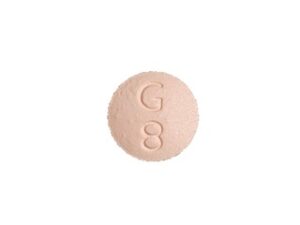



Eszopiclone (Lunesta) — Patient Information (Australia)
Eszopiclone is a medicine used to help with insomnia—particularly difficulties with falling asleep and staying asleep through the night. This guide is written to help you understand how eszopiclone works, how it’s used, what to expect, and important safety information for people living in Australia.
Please read this information carefully. It does not replace advice from a healthcare professional, and the safest use of eszopiclone depends on your personal medical history, other medicines, and how you respond to treatment.
Basic product information
| Item | Details |
|---|---|
| Generic name | Eszopiclone |
| Common brand name | Lunesta (may vary by market and product listing) |
| Medicine type | Non-benzodiazepine “Z-drug” hypnotic |
| Typical formulation | Oral tablet (strengths vary) |
| Where it’s used | Insomnia (short-term or ongoing depending on clinical plan) |
| ATC/Drug class | Hypnotics and sedatives |
How eszopiclone works (mechanism of action)
Eszopiclone belongs to a group of medicines called hypnotics. It works by affecting the brain’s calming chemical system, known as the GABA (gamma-aminobutyric acid) system.
Specifically, eszopiclone binds to a site on the GABA-A receptor that helps increase the effect of GABA. This leads to sedation and a reduction in brain activity associated with wakefulness, helping you fall asleep and stay asleep.
- Promotes sleep onset
- Supports sleep maintenance
- May reduce nighttime awakenings
Pharmacokinetics: what the body does with eszopiclone
“Pharmacokinetics” describes how the medicine is absorbed, distributed, metabolised, and eliminated. While individual results vary, the key points below may help you understand what to expect.
- Absorption: After taking a tablet by mouth, eszopiclone is absorbed into the bloodstream. It is designed to help you sleep soon after dosing.
- Onset: Many people feel the effects within about 30 minutes of dosing, though it can vary.
- Metabolism: Eszopiclone is processed mainly by liver enzymes (notably involving CYP3A4 pathways).
- Elimination: The medicine is cleared from the body through metabolism and subsequent excretion.
- Half-life: The “half-life” (how long it takes for the level of medicine to reduce by half) is often cited around several hours, which is why next-day drowsiness is a possible risk—especially if you don’t get adequate sleep time.
Because metabolism can be affected by other medicines and liver function, your clinician may adjust dose or frequency in some situations.
Typical use and indications
Eszopiclone is indicated for the treatment of insomnia. It is commonly used when insomnia is causing significant distress and/or impairment, such as:
- Difficulty falling asleep
- Difficulty staying asleep
- Early morning waking associated with sleep disruption
It is generally used as part of a broader approach to sleep health, which may include sleep hygiene measures and treatment of underlying causes (such as anxiety, depression, pain, restless legs, or sleep apnoea).
How to take eszopiclone: timing and routine
Timing is crucial for safety and effectiveness. Eszopiclone is typically taken once each night for insomnia symptoms.
- Take it shortly before bedtime—often when you are ready to sleep.
- Allow adequate time for a full night’s sleep. A common safety approach is to ensure you can get at least 7–8 hours before you must be active again (work, driving, school, etc.).
- Do not take it early in the evening if you won’t be able to sleep for long enough, as this increases risk of next-day impairment.
- Use the dose prescribed for you and avoid changing the amount without advice.
If you miss a dose, do not take extra to “catch up.” Instead, wait until the next planned dose.
Dosing: common approaches
Dose varies by age, overall health, liver function, and potential interactions with other medicines. The following information is a general overview of how clinicians commonly approach dosing. Always follow the dosing instructions provided for your specific product and situation.
- Adults: dosing commonly starts low and may be adjusted based on response and tolerability.
- Older adults: a lower starting dose is frequently used due to increased sensitivity to sedatives and higher risk of next-day drowsiness or falls.
- Liver impairment: may require dose reduction or increased caution.
Important: Do not exceed the recommended dose. Avoid combining with other sedative sleeping tablets unless explicitly advised.
Food interactions
Food can affect how quickly eszopiclone reaches your bloodstream. Taking it with or soon after a meal may delay or reduce how quickly you feel its effect.
- Best practice: follow your clinician’s instructions about whether to take it on an empty stomach.
- If you’ve just eaten: your onset may be slower, which may lead to difficulty falling asleep if timed incorrectly.
- Maintain consistency: using a similar routine each night can make it easier to judge your response.
If you consistently eat late meals, consider discussing timing adjustments with your pharmacist.
Alcohol interactions (very important)
Alcohol and eszopiclone together can significantly increase the risk of:
- Excessive sedation
- Impaired coordination and reflexes
- Memory problems (including blackout-type episodes)
- Risk of falls and injuries
- Breathing problems, particularly in people with sleep apnoea or breathing disorders
For these reasons, you should avoid alcohol while taking eszopiclone unless your healthcare professional specifically instructs otherwise.
Interactions with other medicines
Eszopiclone can interact with medicines that affect the brain, cause sedation, or are processed through similar metabolic pathways. Always provide a complete list of your medicines to your healthcare professional, including over-the-counter products and supplements.
Medicines that may increase sedation or impairment
- Opioid pain medicines (e.g., oxycodone, morphine, codeine)
- Other sedatives or hypnotics
- Some antihistamines that cause drowsiness
- Some anxiety or mood medicines that can be sedating
Medicines that may affect eszopiclone levels
- Strong inhibitors of CYP3A4 may raise blood levels and increase side effects.
- Strong inducers of CYP3A4 may reduce effectiveness.
Your pharmacist can check interactions for your specific product and current medication list.
Safety profile: common and serious risks
Like all medicines, eszopiclone has potential side effects. Many people tolerate it well when used correctly, but it’s important to know what to look for.
Common side effects
- Next-day drowsiness or “hangover” feeling
- Dizziness
- Headache
- Dry mouth or altered taste
- Nausea in some people
Sleep-related behaviours and abnormal actions
Some hypnotics have been associated with complex sleep behaviours, where a person may not fully wake up (and may not remember the event). These can include:
- Sleepwalking
- Preparing/eating food while not fully awake
- Making phone calls or driving while not fully awake
- Other unusual behaviours during sleep
Risk may be higher with alcohol, other sedatives, higher doses, or when sleep is not long enough. If you notice any of these behaviours, stop and seek urgent medical advice.
Memory and concentration effects
- Reduced memory for events shortly after taking the tablet
- Slower reaction time the next day
Falls and driving impairment
Drowsiness, dizziness, and impaired coordination can increase the risk of falls—especially in older adults. Do not drive or operate machinery until you know how eszopiclone affects you.
Dependence and withdrawal
With hypnotics, there is a potential for dependence and withdrawal symptoms if the medicine is stopped suddenly after regular use. If you want to stop, do so with a plan agreed with a clinician.
Allergic reactions (seek urgent help)
Get medical help immediately if you develop signs of serious allergy, such as:
- Swelling of the face, lips, tongue, or throat
- Trouble breathing
- Severe rash or hives
Practical use tips for best results
- Use a consistent bedtime routine: dim lights, reduce screen time, and keep the bedroom cool.
- Only take it when you can sleep long enough to reduce next-day impairment.
- Avoid “stacking” sedatives: don’t combine with other sleep aids or alcohol.
- Protect against falls: if you must get up at night, use adequate lighting and move slowly.
- Plan for the morning: if you have to drive or be alert early, discuss dosing timing with your pharmacist.
- Track your sleep: note bedtime, dose time, awakenings, and side effects. This helps clinicians adjust treatment.
- Consider non-medicine strategies: cognitive behavioural therapy for insomnia (CBT-I) and sleep hygiene can be very effective, alone or combined with medication.
Alternative options for insomnia
Insomnia has multiple treatments. Depending on the cause and your circumstances, alternatives may include:
Non-medicine options
- CBT-I (Cognitive Behavioural Therapy for Insomnia): evidence-based first-line approach.
- Sleep hygiene: consistent wake time, limiting late caffeine, reducing naps.
- Relaxation techniques: breathing exercises, mindfulness, progressive muscle relaxation.
- Address underlying issues: pain control, treating anxiety/depression, managing restless legs, and assessing sleep apnoea.
Medicine options
- Other hypnotics (Z-drugs or benzodiazepine receptor agonists) may be considered by clinicians.
- Sedating antidepressants in selected cases (depending on diagnosis).
- Melatonin for specific sleep timing problems (not the same as hypnotic sedation; discuss suitability).
Choice of alternative depends on your age, medical conditions, breathing risks, and current medications. Always consult a healthcare professional before switching.
Market and legal context in Australia
In Australia, access to prescription-only medicines and regulated medicines is governed by national and state arrangements and the Therapeutic Goods Administration (TGA). Health professionals help ensure safe use, including checking interactions and suitability for your specific situation.
Eszopiclone is a regulated medicine. In Australia, how it is supplied and what information you must provide (for example, to support safe dispensing) can depend on local pharmacy and regulatory requirements. Your dispensing pharmacist can guide you on availability, packaging, and safe handling of your medicine.
Additionally, regulatory bodies continue to update safety communications for medicines in the hypnotic class. This includes advice about next-day impairment, risks of complex sleep behaviours, and the importance of avoiding alcohol and other sedatives.
Recent guidance and safety updates (what to know)
Across recent years, international and Australian-aligned safety communications for hypnotics have emphasised:
- Not mixing with alcohol or other sedatives
- Ensuring sufficient sleep time after dosing to reduce next-day effects
- Watching for abnormal sleep behaviours and stopping treatment if they occur
- Reviewing dose and necessity regularly, especially for longer-term use
- Monitoring high-risk groups (older adults, those with breathing disorders, and those on interacting medicines)
Always follow the most current advice from your pharmacist or prescriber for your specific circumstances.
Delivery and availability (online pharmacy Australia)
Availability may vary by brand, strength, and stock levels. When ordering online, the pharmacy typically performs safety checks and confirms eligibility for supply based on regulated product requirements.
- Dispatch: Orders are generally dispatched after processing and verification.
- Shipping: Delivery options depend on your location (metro, regional, or rural areas).
- Packaging: Medicines are supplied in appropriate packaging with product information.
- Storage: Follow the storage instructions on the label (commonly at room temperature, away from moisture).
If you have questions about estimated delivery times or stock updates, contact the pharmacy team before placing an order.
FAQ: Eszopiclone (Australia)
1) What is eszopiclone used for?
Eszopiclone is used to treat insomnia, especially problems with falling asleep and/or staying asleep.
2) How quickly does it work?
Many people notice sleepiness within about 30 minutes, but individual response varies. Timing matters, including avoiding taking it too early.
3) Can I take eszopiclone with food?
Food may delay onset. If possible, follow the instructions provided for your medicine about whether to take it on an empty stomach. Keeping a consistent routine can help.
4) Can I drink alcohol while using eszopiclone?
It is strongly advised to avoid alcohol while taking eszopiclone. The combination increases risks of excessive sedation, impaired coordination, and breathing problems.
5) Will eszopiclone make me feel drowsy the next day?
It can. Next-day drowsiness (“hangover”), dizziness, and reduced reaction time are possible—especially if you take it and do not get enough sleep time, or if you combine it with other sedatives.
6) Is it safe for older adults?
Older adults may be more sensitive to sedatives, so dose and timing are especially important. Discuss suitability and fall risk with a healthcare professional.
7) What should I do if I forget a dose?
If you forget, skip the missed dose and take your next dose at the usual time. Do not double up.
8) What if I experience unusual sleep behaviours?
Stop using eszopiclone and seek medical advice urgently. Complex sleep behaviours (such as sleepwalking or doing activities while not fully awake) can occur with hypnotics, particularly if alcohol or other sedatives are involved.
9) Can I drive after taking eszopiclone?
Do not drive or operate machinery until you know how eszopiclone affects you. Ensure you have a full night’s sleep and feel fully alert in the morning.
10) Is eszopiclone addictive?
With regular use, there is a possibility of dependence. Do not stop suddenly without medical advice. If you want to discontinue, a gradual plan may be recommended.
When to seek urgent medical help
Contact emergency services or seek urgent medical care if you experience:
- Severe allergic symptoms (swelling, breathing difficulty, severe rash)
- Confusion, extreme drowsiness, fainting, or inability to stay awake
- Breathing difficulties, especially during sleep
- Complex sleep behaviours such as sleepwalking, attempting to drive, or memory blackouts
- Signs of serious self-harm or severe mood changes
Summary
Eszopiclone is a hypnotic medicine used for insomnia. It acts on the brain’s GABA system to help you fall asleep and remain asleep. To use it safely and effectively, take it at the right time (when you can sleep long enough), avoid alcohol and sedating medicines, and be mindful of next-day drowsiness and unusual sleep behaviours.
If you have any concerns—such as interactions with other medicines, breathing issues, liver problems, or sleep behaviours—talk to your pharmacist or healthcare professional before using eszopiclone.