
Betapace (Sotalol) – Patient Guide (Australia)
Betapace is a brand of sotalol, a medicine used to help control certain abnormal heart rhythms. This guide explains how Betapace works, when it’s used, how it behaves in the body, and practical tips for safe use in everyday life. It’s written to be patient-friendly and Australia-focused, but always follow the advice of your healthcare professional and the information on your medicine label.
| Product | Details |
|---|---|
| Brand name | Betapace |
| Generic name | Sotalol |
| Medicine type | Antiarrhythmic (class III, with beta-blocking effects) |
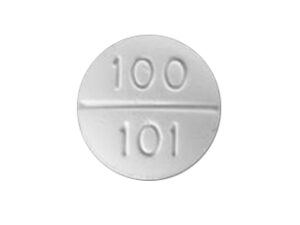
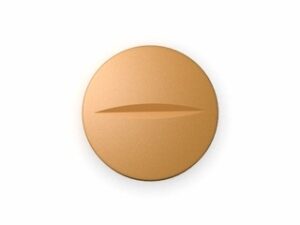
| Common forms | Oral tablets (varies by market/supply) |
| How it’s taken | Usually in divided daily doses |
| Key safety focus | Heart rhythm monitoring (QT interval), kidney function, electrolytes (potassium/magnesium) |
Basic product information
Betapace (sotalol) belongs to a group of medicines called antiarrhythmics. It helps stabilise the electrical activity of the heart. Because it can affect heart rhythm in both beneficial and risky ways, careful dosing and monitoring are important—especially early in treatment or when doses change.
Who it may be for: people with certain diagnosed rhythm problems such as some forms of ventricular or supraventricular tachycardia, depending on individual assessment and risk factors.
How Betapace works (mechanism of action)
Sotalol has two key actions on the heart:
- Class III antiarrhythmic effect: it prolongs the heart’s electrical recovery phase by blocking potassium channels. This can reduce abnormal rhythm episodes.
- Beta-blocking effect: it reduces the influence of adrenaline on the heart, slowing the heart rate and decreasing certain rhythm triggers.
The combined effect helps prevent some abnormal heartbeats and can maintain a steadier rhythm. However, prolonging certain electrical intervals can also increase the risk of dangerous rhythm disturbances, which is why monitoring matters.
Pharmacokinetics (how it behaves in the body)
Understanding pharmacokinetics helps explain timing, dosing consistency, and why kidney function affects the medicine.
- Absorption: sotalol is absorbed after oral dosing.
- Distribution: it distributes throughout body tissues including cardiac tissue.
- Onset: effects may be seen soon after dosing, but the full rhythm-control effect depends on the underlying condition and how your body handles the medicine.
- Elimination: sotalol is predominantly cleared by the kidneys. If kidney function decreases, drug levels may rise.
- Half-life: the duration of action is influenced by renal (kidney) function—so dosing schedules may differ for people with reduced kidney function.
- Steady state: consistent dosing reaches a more stable blood level after several doses, which is one reason monitoring may be especially important during early treatment.
Typical use in clinical practice
Betapace is used to treat specific heart rhythm conditions. The exact indication depends on diagnosis, symptoms, prior treatment, and overall risk profile.
In general, sotalol may be prescribed for:
- Ventricular arrhythmias (abnormal rhythms originating in the lower chambers), under specialist evaluation.
- Supraventricular arrhythmias (abnormal rhythms originating in the upper chambers) in certain cases, where appropriate.
- Maintenance of rhythm control to reduce recurrence, depending on individual suitability.
Important: suitability depends on ECG findings, heart rate, electrolyte levels, kidney function, and other medicines you may be taking.
Indications (what it’s meant to treat)
Indications can vary based on local guidelines and product information. Your healthcare professional will confirm whether Betapace is appropriate for your particular rhythm problem.
Common clinical reasons for use include:
- Documented abnormal heart rhythms such as certain tachyarrhythmias.
- Prevention of recurrence of some arrhythmia episodes after evaluation and risk assessment.
Because Betapace can influence the ECG (especially the QT interval), it may not be appropriate for everyone with palpitations or abnormal rhythms—your treating team will base the decision on your ECG and overall health.
How to take Betapace: timing and dosing basics
Always follow the dose instructions provided by your healthcare professional and the product label. The information below is general education and not a substitute for individual dosing advice.
General timing
- Betapace is typically taken in divided doses over the day (for example, morning and evening), to maintain stable levels and rhythm control.
- Take it at about the same times each day.
- If you miss a dose, follow the instructions provided by your pharmacist/doctor or the medicine leaflet. In many cases, you may be advised not to double up—especially with rhythm medicines—so check your specific guidance.
Dosing overview (educational)
Doses may vary depending on:
- Arrhythmia type and severity
- Baseline ECG (especially QT interval)
- Heart rate and blood pressure
- Kidney function (sotalol is cleared by the kidneys)
- Electrolytes (potassium and magnesium)
- Other medicines being used
Kidney function is crucial: people with reduced kidney function often need adjusted dosing and closer monitoring.
Practical steps when starting
- You may be advised to have ECG monitoring around initiation and dose changes.
- Blood tests may be done to check kidney function and electrolytes.
- Your healthcare professional may adjust the dose based on results and your response.
Food interactions: can you take Betapace with meals?
Most people take sotalol tablets with or without food depending on tolerance and routine. However, consistent timing is important.
- If your stomach feels irritated, you may find it easier to take sotalol with food.
- Avoid sudden changes in meal timing if it affects how you take doses.
More important than food: avoiding dehydration and maintaining normal electrolyte levels (especially during vomiting, diarrhoea, or heavy sweating) helps reduce risk of complications.
Alcohol and medicine interactions
Alcohol can affect heart rhythm, blood pressure, and the way you feel—particularly if you’re also dealing with palpitations, dizziness, or fatigue.
- Alcohol and sotalol together: may increase the likelihood of dizziness, light-headedness, or fainting in some people due to blood pressure effects and overall cardiovascular impact.
- Alcohol may also worsen sleep quality and dehydration, which can indirectly influence electrolytes.
Practical advice: if you choose to drink alcohol, do so cautiously and in line with your doctor’s recommendations. Seek medical advice if you experience dizziness, worsening palpitations, or near-fainting.
Medicine interactions (important)
Betapace can interact with other medicines, particularly those that also affect the heart’s electrical system or electrolyte balance. Always inform your healthcare professional and pharmacist about all medicines you take, including over-the-counter products and supplements.
Interactions that may increase risk
- Medicines that prolong the QT interval (some antibiotics, antifungals, antipsychotics, antidepressants, and other antiarrhythmics) may increase the risk of dangerous rhythm changes.
- Electrolyte-lowering drugs, such as certain diuretics, may reduce potassium and/or magnesium, increasing risk.
- Other beta-blockers or blood pressure/heart-rate–lowering medicines may add to effects like slow heart rate or low blood pressure.
- Medicines affecting kidney function or competing for renal elimination could influence sotalol levels.
Common categories to discuss with your pharmacist
- Antiarrhythmics (other rhythm medicines)
- Antidepressants and antipsychotics
- Some antihistamines for allergies (some can affect QT)
- Antibiotics/antifungals known to affect ECG
- Diuretics (“water tablets”)
- Medications for nausea (some can affect QT)
Do not start or stop any medicine—including “non-prescription” options—without checking first, because rhythm safety depends on the overall combination.
Safety profile and when to seek urgent help
Betapace is effective for some rhythm problems, but it has a specific safety profile. The biggest concerns relate to heart rate, blood pressure, and the ECG interval called QT.
Common side effects
- Dizziness or light-headedness
- Fatigue
- Slow heart rate (bradycardia)
- Low blood pressure (hypotension)
- Shortness of breath with exertion in some people
Serious risks (important)
Seek urgent medical attention if you experience any symptoms suggestive of a serious rhythm problem, such as:
- Fainting or near-fainting
- Severe dizziness
- Chest pain
- Sudden palpitations with weakness or breathlessness
- Seizures (rare)
These symptoms may require immediate evaluation. If you suspect a medical emergency, call emergency services right away.
Monitoring considerations
- ECG monitoring: especially after starting or dose changes.
- Blood tests: kidney function and electrolytes (potassium, magnesium).
- Heart rate and blood pressure: to avoid overly slow heart rate or too-low blood pressure.
Contraindications and who should be extra cautious
Suitability depends on your clinical situation. People may require extra caution or may not be suitable if they have certain ECG abnormalities (such as prolonged QT), significant kidney impairment without appropriate dose adjustment, or certain electrolyte disturbances.
Your prescriber will assess this using your medical history, ECG, and lab results.
Practical use tips for everyday life
- Stick to your schedule: take it at consistent times daily.
- Keep hydrated: dehydration can affect blood pressure and kidney function; more importantly, it can influence electrolytes.
- Maintain electrolytes: if you have vomiting or diarrhoea, contact your healthcare professional—electrolytes can drop.
- Don’t skip ECG/blood test appointments: they help reduce risk.
- Stand up slowly: dizziness may occur, especially when beginning treatment.
- Carry a medication list: in case of emergencies, it helps clinicians quickly understand your therapy.
What to do if you miss a dose
Missing doses can affect rhythm control and ECG stability. If you miss a dose:
- Check the advice given to you by your pharmacist/doctor or the product information leaflets.
- Do not take extra doses to “catch up” unless you’ve been told it’s safe.
- Because rhythm medicines can be higher-risk, it’s often best to confirm your plan when you receive the prescription.
Alternative options (general overview)
There are several alternative approaches for managing abnormal heart rhythms. The best option depends on the type of arrhythmia, how stable you are, and the causes of the rhythm problem.
Other medication options
- Different antiarrhythmics (chosen based on rhythm type and safety profile)
- Rate-control medicines in some supraventricular arrhythmias (rather than rhythm-conversion)
- Beta-blockers without the class III QT-prolonging effect may be used in some situations
Non-medicine options
- Cardioversion (for certain arrhythmias)
- Catheter ablation for selected arrhythmia types
- Lifestyle and trigger management (e.g., managing caffeine, alcohol, sleep and stress; addressing thyroid problems or other contributors)
Your treating clinician can explain what alternatives are suitable for your specific rhythm diagnosis and overall risk.
Market & legal context for Australia
In Australia, medicines are regulated under the Therapeutic Goods Administration (TGA) framework, and availability depends on supply, prescribing requirements, and product approvals. Online pharmacies operate within Australian rules for dispensing, identity checks, and safe supply practices.
Betapace (sotalol) is a regulated medicine. Availability and pack sizes can vary by supplier and current stock levels. Your online pharmacy can confirm expected dispatch timelines and current availability for the specific strength you require.
Recent guidance and best-practice themes (general)
While guidance can evolve, several consistent safety themes apply to sotalol therapy:
- ECG-focused monitoring, particularly after dose changes, to assess QT interval risk.
- Electrolyte and kidney-function monitoring, as changes can increase risk.
- Medication reconciliation to avoid unsafe combinations that affect QT or heart rate.
- Patient education to improve early recognition of dizziness, fainting, or worsening palpitations.
It’s wise to ask your pharmacist what monitoring schedule applies to you and to keep a record of your latest ECG and blood test results.
Delivery and availability
Online pharmacies in Australia may deliver to eligible addresses. Delivery times depend on:
- Stock availability for the specific strength and pack size
- Your delivery location
- Shipping service and dispatch cut-off times
When ordering, ensure your contact details are up to date so the pharmacy can reach you if they need additional information to safely supply the medicine.
Note: availability can change. If Betapace is temporarily out of stock, a pharmacy may suggest an alternative strength or another option depending on clinical appropriateness and regulatory supply pathways.
FAQ
1) What is Betapace used for?
Betapace (sotalol) is used to treat certain abnormal heart rhythms (arrhythmias) when it’s considered appropriate based on ECG findings, your medical history, and risk factors.
2) How long does it take to work?
Some effects on heart rhythm may be seen after dosing, but the overall rhythm-control benefit and safe dosing require ECG and clinical assessment. It may take time and monitoring to reach the best balance of benefit and safety.
3) Will sotalol slow my heart rate?
It can. Slower heart rate (bradycardia) is a known effect. If you feel faint, very weak, or have worsening dizziness, seek medical advice promptly.
4) Why is QT interval monitoring important?
Sotalol can prolong certain ECG intervals. Prolongation of the QT interval can, in some circumstances, lead to dangerous rhythm changes. Monitoring helps ensure the benefits outweigh the risks for you personally.
5) Can I take Betapace with food?
Often yes. If it upsets your stomach, taking it with food may help. Keep your routine consistent and follow the directions given by your pharmacist or doctor.
6) What foods should I avoid?
There are no specific foods universally banned, but staying hydrated and maintaining electrolyte balance is important. If you’re experiencing vomiting or diarrhoea, contact your healthcare professional because electrolyte levels may drop.
7) Can I drink alcohol while taking Betapace?
Alcohol may increase dizziness or low blood pressure and can affect heart rhythm indirectly. If you choose to drink, do so cautiously and follow your clinician’s advice.
8) What medicines interact with Betapace?
Medicines that can affect QT interval, heart rate, or electrolyte levels may interact. This includes some antiarrhythmics, antibiotics/antifungals, antidepressants/antipsychotics, certain antihistamines, and diuretics. Always check with your pharmacist.
9) What should I do if I miss a dose?
Follow the specific advice given when your medicine was dispensed. In many cases, you may be advised not to double a missed dose—especially for rhythm medicines—so confirm with a pharmacist if you’re unsure.
10) Is it safe to stop Betapace suddenly?
Do not stop suddenly unless your clinician advises. Stopping abruptly may affect rhythm control. If you’re considering stopping or changing your dose, talk to your healthcare professional first.
11) Who should be extra careful with sotalol?
People with reduced kidney function, electrolyte disturbances, existing ECG abnormalities (such as prolonged QT), or those taking multiple interacting medicines should be closely monitored.
12) When should I seek urgent help?
Seek urgent medical care if you faint, feel severely dizzy, develop chest pain, or experience sudden worsening palpitations with breathlessness or weakness.
Summary
Betapace (sotalol) is an antiarrhythmic medicine used to manage certain abnormal heart rhythms. It works by affecting the heart’s electrical signals and heart-rate responses. Because it can influence ECG intervals—particularly the QT interval—and because it’s cleared by the kidneys, safe use typically includes ECG and blood test monitoring and careful attention to interactions and electrolytes. If you follow your prescribed schedule and promptly report concerning symptoms, you can help maximise safety and effectiveness.