
Bisacodyl: Uses, How It Works, Timing, and Safety (Australia)
Bisacodyl is a widely used bowel stimulant laxative. It helps relieve constipation by encouraging the bowels to move more effectively. Many people use bisacodyl occasionally to manage constipation and to support regular bowel habits when diet and fluids alone are not enough.
This page explains how bisacodyl works, when to take it, how quickly it may work, key safety considerations, and what to know about interactions—so you can use it confidently. Information here is designed for general guidance and does not replace advice from a pharmacist or doctor.
Basic product information
| Feature | What to know |
|---|---|
| Active ingredient | Bisacodyl |
| Type | Stimulant laxative (bowel stimulant) |
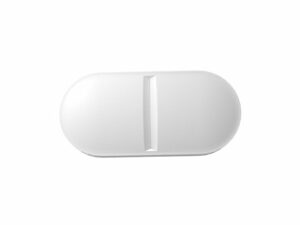
| Common forms | Tablets (oral), enteric-coated tablets, suppositories (rectal) |
| Typical use | Short-term relief of constipation |
| Availability in Australia | Often available via pharmacies and retailers; specific brands and strengths vary |
| Common onset | Oral: often within 6–12 hours (especially with bedtime dosing); suppository: often within 15–60 minutes |
How bisacodyl works (mechanism of action)
Bisacodyl acts directly on the lining of the intestine. In simple terms, it:
- Stimulates the nerves and muscles in the bowel wall (increases peristalsis—wave-like contractions that move stool forward).
- Promotes fluid and electrolyte movement into the bowel, which helps soften stool and improve passage.
Because it can work relatively quickly, bisacodyl is often chosen when you need more dependable relief than fibre alone.
Pharmacokinetics (what the body does to it)
Understanding absorption and timing helps explain why bisacodyl works differently depending on the form you take.
- Oral bisacodyl (enteric-coated): The coating is designed to pass through the stomach and dissolve in the intestines, reducing irritation. The active form is produced in the colon, where it exerts most of its laxative effect.
- Distribution: Bisacodyl has minimal systemic effect for the purpose of constipation relief because its main action occurs in the gut.
- Metabolism: Bisacodyl is metabolised in the body, producing active and inactive metabolites.
- Elimination: Mostly excreted through the faeces, with a smaller amount eliminated by urine.
Practical takeaway: The way bisacodyl is formulated (especially enteric coating) helps determine how quickly it starts working.
What bisacodyl is used for (indications)
Bisacodyl is commonly used for:
- Constipation (including occasional or short-term constipation)
- Reducing stool transit time when quicker bowel movement support is needed
- Situations where softening or evacuation is helpful, such as when stool passage is uncomfortable due to constipation (ask a pharmacist if you’re unsure)
Some bowel-preparation pathways in clinical settings may use laxatives containing bisacodyl, but this page focuses on general consumer constipation use.
Typical timing: when it works
Timing can vary based on the formulation and how it’s taken. Many products provide guidance on timing; always follow the instructions on the pack or as directed by your pharmacist.
Oral tablets
- Bedtime dosing (commonly used): may work in approximately 6–12 hours.
- Daytime dosing: onset may still occur within 6–12 hours, depending on when the dose is taken and individual bowel rhythm.
Rectal suppositories
- Often works faster, typically within 15–60 minutes.
Tip: If you need results by morning, many people take the oral form at bedtime (where appropriate for their product instructions). If you need faster relief, a suppository may be considered, but choose the option that fits your needs and comfort.
How to take bisacodyl (dosing guidance for adults and older adolescents)
Dose depends on age and the product strength. Because bisacodyl products differ by brand and formulation, use the instructions on your pack or pharmacy label.
Adults and adolescents
- Oral: follow the label for the number of tablets per dose.
- Suppositories: follow the label for one suppository dose and frequency.
General dosing principles (important)
- Start with the lowest effective dose as indicated on the packaging.
- Do not exceed the maximum daily dose stated on the product.
- Use for short periods unless a clinician advises otherwise.
- Allow time to work: stimulant laxatives often need hours (oral) or minutes (suppository), not repeated dosing immediately.
If constipation persists beyond a few days, or if you experience repeated need for stimulant laxatives, it’s a good idea to speak with a pharmacist or doctor to identify the cause and consider safer long-term strategies (e.g., osmotic laxatives or stool-softening approaches).
Food interactions and lifestyle considerations
Food may influence how quickly enteric-coated oral bisacodyl tablets dissolve and act. While the exact effect depends on formulation, these practical points are widely relevant:
- Oral tablets may work less predictably if taken with certain foods or at certain times.
- Try not to take with milk or antacids close to dosing unless your product instructions allow it.
Hydration matters: Drink water regularly, especially if you’re using laxatives. Being dehydrated can worsen constipation and increase side effects like cramps.
Alcohol and medicine interactions
Alcohol
Bisacodyl does not have a classic “direct” alcohol interaction, but alcohol can contribute to constipation through dehydration. If you drink alcohol while constipated, you may find the laxative works less effectively.
Interactions with other medicines
The biggest concern with bisacodyl is electrolyte imbalance if laxatives are overused or if large fluid losses occur. This can matter when you take certain medicines.
- Diuretics (“water tablets”) and corticosteroids: increased risk of low potassium if laxative use causes electrolyte shifts.
- Digoxin: low potassium can increase the risk of digoxin-related side effects.
- Other laxatives: combining products may increase cramping or diarrhoea, and raise the risk of dehydration.
- Antacids and milk: may interfere with the enteric coating performance for some oral formulations.
Always check your product label for specific instructions about antacids or milk. If you are taking multiple medicines (especially for heart conditions, kidney issues, or diuretics), ask a pharmacist for tailored advice.
Safety profile: side effects and when to avoid bisacodyl
Most people tolerate bisacodyl well when used as directed. However, stimulant laxatives can cause discomfort in some users, especially if the dose is too high.
Common side effects
- Abdominal cramps or pain
- Nausea
- Diarrhoea or loose stools
- Dehydration (more likely if diarrhoea occurs)
Seek urgent help if you have
- Severe or persistent abdominal pain
- Blood in the stool or rectal bleeding
- Vomiting with inability to keep fluids down
- Signs of dehydration (dizziness, fainting, very dry mouth, minimal urination)
- Symptoms of bowel obstruction (severe distension, inability to pass gas, worsening pain)
Who should be cautious
Do not use bisacodyl if you have conditions where stimulant laxatives may worsen problems, unless a clinician specifically recommends it. Extra caution is needed if you have:
- Unexplained abdominal symptoms (pain, vomiting, fever)
- Suspected bowel obstruction
- Severe inflammatory bowel conditions (e.g., ulcerative colitis flare—seek advice)
- Rectal disease (for suppositories), unless advised
- Severe dehydration or electrolyte imbalance
Pregnancy and breastfeeding (general guidance)
If you are pregnant or breastfeeding, it’s wise to seek pharmacy advice before using laxatives. Many constipation treatments are considered in this context, and the safest option can depend on your history and severity of constipation.
Practical use tips for best results
- Confirm the cause: occasional constipation from travel, diet changes, or reduced activity is common. If constipation is recurrent, consider underlying causes (medicines, low fibre intake, dehydration, thyroid issues, or pelvic floor problems).
- Use enough water: aim for steady fluid intake—especially if you’re also increasing fibre.
- Consider timing:
- Oral: bedtime dosing is often used for morning relief (follow your pack instructions).
- Suppository: may be more suitable when you need faster relief.
- Avoid “stacking” doses too soon: give the medicine time to work. Overdosing increases the likelihood of diarrhoea and cramps.
- Don’t rely on frequent stimulant laxatives: if you need repeated stimulant laxatives, talk to a pharmacist about alternatives and a constipation plan.
- Support with non-medicine measures:
- Fibre sources (e.g., fruit, vegetables, whole grains)
- Regular movement or gentle exercise
- Toileting routine (don’t ignore the urge)
Alternative options for constipation
Depending on your symptoms, there are several options. The “best” choice often depends on whether you need quick relief, stool softening, or longer-term management.
Osmotic laxatives
- Examples: products such as macrogol/PEG (commonly used in Australia), lactulose (availability varies by brand).
- How they help: draw water into the bowel to soften stool.
- Often chosen when: constipation is persistent, or when gentler long-term stool softening is preferred.
Stool softeners / emollients
- Examples: docusate-containing products (brand-dependent).
- How they help: soften stool to make it easier to pass.
Bulk-forming fibre
- Examples: psyllium-based products.
- How they help: increase stool bulk and water retention.
- Important: require adequate fluids; not ideal if you can’t pass stool or are concerned about obstruction.
Rectal options other than suppositories
- Depending on product availability, there may be other rectal aids. A pharmacist can help choose the safest option for your situation.
When to seek further advice: If constipation is new, severe, unexplained, or associated with weight loss, anaemia, persistent blood in stool, or a change in bowel habits, seek medical assessment rather than continuing laxatives alone.
Market and legal context in Australia (overview)
In Australia, many constipation medicines are supplied as non-prescription products, commonly available through pharmacies. Availability and classifications can vary by brand and formulation (for example, tablets versus suppositories). Some products may be listed on the Australian Register of Therapeutic Goods (ARTG) and are subject to Australian medicines regulatory requirements.
What this means for you:
- You’ll typically find clear dosing instructions on the packaging.
- Pharmacists can provide advice about safe use, interactions, and whether a different laxative strategy may be better.
- For safety reasons, certain use cases (e.g., unexplained abdominal symptoms or suspected obstruction) warrant professional assessment.
Note on guidance: Ongoing constipation guidance commonly emphasises correct diagnosis, hydration, fibre strategies, appropriate selection of laxative class, and avoiding unnecessary prolonged use of stimulant laxatives.
Recent guidance themes (what reputable health sources commonly emphasise)
Recent clinical and consumer guidance trends for constipation management generally highlight:
- Identify contributors: medications (some pain medicines, iron, anticholinergics), reduced fluid intake, low fibre, and inactivity.
- Prefer stepwise treatment: start with diet and fluids; consider osmotic options if constipation is ongoing; use stimulant laxatives as short-term rescue when needed.
- Use the lowest effective dose and reassess if symptoms persist.
- Watch for red flags (blood in stool, persistent severe pain, unexplained weight loss, vomiting, bowel obstruction signs).
While specific recommendations vary by guideline and patient context, these principles remain consistently important.
Delivery and availability (Australia)
Bisacodyl products are typically available through Australian pharmacies and online pharmacy platforms. Stock can vary by brand, strength, and formulation (oral vs suppository).
- Availability: check the product page for current stock status and delivery options.
- Delivery: shipping times depend on the provider and your location. Some retailers offer standard and express shipping.
- Packaging: medicines are usually dispatched in protective packaging to prevent damage.
Storage advice: Keep bisacodyl according to the instructions on the pack (typically in a cool, dry place, out of direct sunlight, and away from children).
FAQ about bisacodyl
1) How long does bisacodyl take to work?
For many people, oral bisacodyl works in about 6–12 hours (often used as a bedtime dose for morning relief). Suppositories often work faster, typically within 15–60 minutes.
2) Can I take bisacodyl every day?
Bisacodyl is generally intended for short-term constipation relief. If you’re needing it daily or repeatedly, talk to a pharmacist or doctor to discuss a longer-term plan and to check for underlying causes. Overuse can increase the risk of diarrhoea, dehydration, and electrolyte imbalance.
3) What if I still don’t have a bowel movement after the first dose?
Give the medicine time to work based on the product form (oral vs suppository). If you don’t get relief after the expected onset window, check dosing instructions and consider speaking with a pharmacist. Avoid taking extra doses too soon.
4) Can I eat normally while using bisacodyl?
Yes, but for some oral formulations, food can affect timing and coating performance. As a practical approach, follow the label instructions closely. If the pack advises taking on an empty stomach or avoiding certain foods (such as milk or antacids near dosing), follow that advice.
5) Is bisacodyl safe for children?
Dosing for children depends on age and product strength, and not all formulations are suitable. Always use products specifically labelled for the child’s age and follow pack instructions or pharmacy advice.
6) What should I do if I get cramps or diarrhoea?
Mild cramping can happen with stimulant laxatives. If diarrhoea is significant or persistent, stop using the product and focus on hydration. If symptoms are severe, or you notice blood in stool, contact a healthcare professional promptly.
7) Does bisacodyl cause dependence?
Bisacodyl is not usually considered a “habit-forming” medicine in the way some sedatives can be, but frequent reliance on stimulant laxatives can mask underlying issues. If constipation keeps returning, reassess diet, hydration, activity, and consider alternative laxatives with pharmacist guidance.
8) Can I combine bisacodyl with other laxatives?
You can sometimes use laxatives together in a plan, but it increases the chance of diarrhoea and dehydration. Ask a pharmacist before combining products, especially if you have other medical conditions or take medications that may be affected by fluid/electrolyte changes.
9) Are there warning signs that mean I should stop and get help?
Yes. Stop and seek urgent medical advice if you have severe abdominal pain, vomiting, signs of bowel obstruction (not passing gas with worsening pain), blood in stool, or signs of dehydration.
Summary
Bisacodyl is a stimulant laxative used to provide relief from constipation. It works by stimulating bowel movement and promoting fluid effects in the gut. Oral forms often start working within 6–12 hours (with bedtime dosing commonly used for morning relief), while rectal suppositories may work within 15–60 minutes.
To use bisacodyl safely, follow pack dosing carefully, avoid overuse, stay hydrated, and be mindful of food and medicine interactions—especially if you take medicines that can be affected by electrolyte changes. If constipation is persistent or recurrent, consider alternatives and seek professional advice to address the underlying cause.