
Tetracycline (Tetracycline Hydrochloride) – Patient Information (Australia)
Tetracycline is an antibiotic medicine used to treat certain bacterial infections. This guide explains how tetracycline works, how it is used, how to take it safely, and what to consider regarding food, alcohol, and other medicines. It is written to be patient-friendly for customers in Australia.
Basic product information
| Item | Details |
|---|---|
| Generic name | Tetracycline (Tetracycline Hydrochloride) |
| Medicine type | Antibiotic (tetracycline class) |
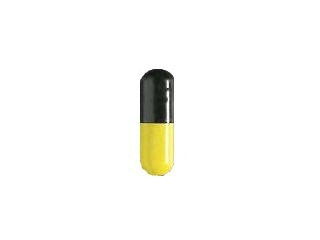
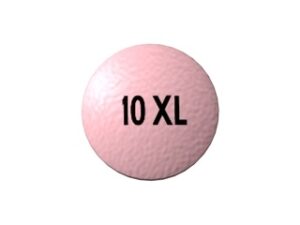
| Common dosage forms | Oral tablets/capsules (brand and strengths may vary by supplier) |
| Who it’s for | Adults and, in selected situations, children (age considerations are important—see “Safety profile”) |
| How it’s supplied | Availability can vary; follow the requirements relevant to Australia and your local regulations. |
How tetracycline works (mechanism of action)
Tetracycline works by inhibiting bacterial protein production. Bacteria need to make proteins to grow and multiply. Tetracycline binds to the bacterial ribosome (the cell’s protein-making machinery), blocking attachment of amino acids and interrupting synthesis of new proteins. As a result, bacterial growth slows and the infection can resolve.
Like many antibiotics, tetracycline is active against certain types of bacteria. It is not effective against viral infections such as colds and influenza.
Pharmacokinetics: how the body handles tetracycline
“Pharmacokinetics” describes what happens to a medicine after you take it—absorption, distribution, metabolism, and elimination.
- Absorption: Tetracycline is absorbed from the gastrointestinal tract, but absorption can be reduced by foods and by minerals such as calcium, iron, magnesium, aluminium, and zinc.
- Distribution: It spreads through the body and can reach many tissues. It tends to bind to tissues where calcium is present (e.g., developing teeth and bones).
- Metabolism: Metabolic processing in the body may be limited compared with some other medicines.
- Elimination: Most tetracycline is eliminated through the kidneys (urine). Kidney function influences how quickly the medicine leaves your system.
Because absorption is strongly affected by minerals, careful timing with meals and supplements is a key part of effective treatment.
What tetracycline is used for (typical use & indications)
Tetracycline is used for infections caused by susceptible bacteria. Common clinical indications may include:
- Acne (certain cases): Sometimes used as part of acne management when tetracycline-class treatment is appropriate.
- Respiratory or skin infections: Infections caused by susceptible organisms where tetracycline is suitable.
- Specific sexually transmitted infections (STIs): Tetracycline can be considered in certain STI regimens based on organism susceptibility and local guidance.
- Other bacterial infections: It may be used where the bacteria are known or likely to be sensitive and alternative options are not suitable.
Treatment choice depends on the infection type, local resistance patterns, patient factors (including allergies and pregnancy status), and potential drug interactions. Your healthcare professional will match tetracycline to the most appropriate bacteria and clinical scenario.
Timing and how to take tetracycline
General timing guidance
Tetracycline is often best absorbed when taken on an empty stomach. Many people are advised to take it:
- With water (a full glass is often recommended)
- Either 1 hour before food or 2 hours after food (unless your clinician advises otherwise)
- At the same times each day to maintain consistent levels
Using it with daily routines
- If you take it in the morning, consider taking it at least 1 hour before breakfast.
- If you take it at night, allow at least 2 hours after your last meal.
- If you get stomach upset, you may be advised to take it with a small amount of food—however, this can reduce absorption. Always follow the instructions given to you.
Swallowing tips
To reduce the risk of irritation of the oesophagus (the food pipe), swallow tablets/capsules with a full glass of water. Avoid lying down immediately after taking a dose (many clinicians recommend waiting at least 30 minutes).
Food interactions: what to avoid
Tetracycline interacts with minerals, which can prevent the antibiotic from being absorbed properly. This can make it less effective. Avoid taking tetracycline close to the following:
- Dairy products (milk, yoghurt, cheese)
- Calcium-rich foods
- Iron supplements and some multivitamins
- Magnesium or aluminium antacids (e.g., some indigestion medicines)
- Zinc supplements (including some cold/immune products)
- Some high-mineral drinks or fortified products
A common practical approach is to separate tetracycline from mineral-containing foods and supplements by several hours. If you are unsure, ask your pharmacist how to schedule your doses around your specific products.
Alcohol and tetracycline interactions
Moderate alcohol may not always directly interact with tetracycline in the way some medicines do. However, alcohol can:
- Increase gastrointestinal irritation, nausea, or heartburn.
- Worsen dehydration, which can affect how you feel during an infection.
- Increase stress on the liver in people with liver disease.
For the best outcome, consider limiting alcohol while taking tetracycline—especially if you’re experiencing stomach upset or your illness affects your appetite. If you have liver disease, ask a pharmacist or doctor for advice tailored to your situation.
Medicine interactions (including common interacting medicines)
Tell your healthcare professional about all medicines you use, including over-the-counter products and supplements. Some interactions to be aware of:
- Antacids and mineral-containing products: Medicines containing aluminium, magnesium, calcium, iron, or zinc can reduce tetracycline absorption. Separate doses as advised by your pharmacist.
- Oral retinoids (e.g., isotretinoin): Combining tetracyclines with retinoids can increase the risk of certain rare side effects related to raised pressure in the head (idiopathic intracranial hypertension). Clinicians often avoid this combination.
- Warfarin (blood thinner): Antibiotics may affect bleeding risk by influencing vitamin K-producing gut bacteria and metabolism. Your INR may need monitoring if used together.
- Diuretics (water tablets) and kidney function: If you have kidney problems or are on multiple medicines, your pharmacist may check safety and dosing considerations.
- Other antibiotics: Depending on the infection and bacteria, your clinician may choose a specific regimen to avoid reduced effectiveness or unnecessary overlap.
- Oral contraceptives: Most antibiotics do not reliably reduce pill effectiveness; however, severe vomiting or diarrhoea can affect absorption of oral contraceptives. If you vomit soon after taking a pill or have significant diarrhoea, consider additional contraceptive precautions.
This list is not exhaustive. Always check the label and consult a pharmacist if you’re unsure about scheduling your medicines.
Dosing: typical adult use and practical considerations
Dosage depends on the infection being treated, severity, and patient factors. Strengths and schedules can vary. Use the dose and frequency given to you by your healthcare professional or as directed on the product label.
General adult dosing principles
- Frequency: Tetracycline is commonly taken in divided doses throughout the day.
- Course length: Complete the full course as directed, even if you feel better.
- Kidney impairment: Kidney function may affect dosing decisions.
- Children and adolescents: Age matters due to effects on developing teeth and bones.
If you miss a dose, take it when you remember unless it’s close to the next dose. Do not double up. If you’re unsure, ask a pharmacist.
What to do if symptoms don’t improve
If your symptoms are not improving after a few days (or you worsen), contact a healthcare professional. Sometimes antibiotics need to be adjusted based on the bacteria involved or because the infection isn’t bacterial.
Safety profile: who should be careful and why
Common side effects
- Nausea
- Stomach discomfort or cramping
- Diarrhoea (sometimes mild)
- Heartburn or indigestion
- Headache
- Skin sensitivity to sunlight (photosensitivity)
Serious side effects: seek urgent medical help
Contact urgent care or seek medical advice immediately if you experience:
- Allergic reaction: swelling of the face/lips, rash with breathing difficulty, wheezing.
- Severe or persistent diarrhoea (especially if watery or bloody), or diarrhoea accompanied by fever or significant abdominal pain.
- Signs of liver problems: yellowing of the eyes/skin, dark urine, severe fatigue.
- Severe headache, vision changes, or dizziness (possible increased pressure around the brain—rare).
- Severe blistering rash or widespread skin peeling.
Important warnings
- Photosensitivity: Tetracycline can make skin more sensitive to sunlight/UV. Use sun protection (SPF, protective clothing) and avoid tanning beds.
- Oesophageal irritation: Taking tetracycline with insufficient water or right before lying down can irritate the oesophagus.
- Developing teeth/bones in children: Tetracycline-class antibiotics can affect tooth development and may have other effects on bone. Use in children requires careful consideration and medical guidance.
- Pregnancy: Tetracyclines may not be suitable during pregnancy. A clinician will assess risks versus benefits.
- Kidney impairment: Dose adjustment may be required in people with reduced kidney function.
Practical use tips (to improve effectiveness and comfort)
- Separate from minerals: Keep tetracycline away from dairy, antacids, iron, magnesium, and zinc—follow pharmacist advice on exact timing.
- Use enough water: Reduce irritation by swallowing with a full glass of water and remaining upright for 30 minutes.
- Protect against sun: If you’re taking tetracycline, consider extra sun protection and limit direct sun exposure.
- Hydrate: Drink water regularly, especially if you have mild stomach upset.
- Track improvements: Note whether fever, pain, discharge, or rash is improving as expected.
- Don’t stop early: Stopping too soon may allow bacteria to survive and increase the chance of recurrence or resistance.
- Avoid sharing: Antibiotics should not be shared with others or used for a different illness.
Alternative options
If tetracycline is not suitable due to side effects, allergies, interactions, resistance patterns, or the specific type of infection, healthcare professionals may consider other antibiotic options or treatment strategies. Alternatives may include other tetracycline-class antibiotics, or medicines from different antibiotic classes depending on the infection and bacteria.
For skin conditions like acne, alternatives may include topical treatments, hormonal approaches, or different oral antibiotics. For STIs and other infections, options depend on organism susceptibility and local guidelines.
If tetracycline is unsuitable for you, ask a pharmacist or clinician what alternatives are most appropriate for your specific diagnosis.
Australia: market, legal and guidance context
In Australia, antibiotic supply and use are regulated to support safe use and antimicrobial stewardship. Availability can vary by formulation and supplier, and medicines may be classified under Australian medicines scheduling rules.
Antimicrobial stewardship aims to:
- Use antibiotics only when they are likely to help (bacterial infections).
- Choose the narrowest effective option.
- Use correct dose and duration to reduce resistance.
- Minimise unnecessary exposure to antibiotics.
Australian healthcare systems also emphasise review of antibiotic choice when symptoms do not improve, and promoting adherence to reduce relapse.
Recent guidance considerations
Treatment recommendations can change as local resistance patterns and evidence evolve. In general, current antibiotic practice encourages:
- Confirming the likely bacterial cause when possible.
- Using culture/sensitivity results where appropriate for persistent or severe infections.
- Reviewing treatment if there is no improvement within a short timeframe.
- Checking interactions (especially mineral-containing products and antacids).
If you are unsure whether tetracycline is the right medicine for your condition, consult a healthcare professional—particularly for recurrent infections or if you have complex medical conditions.
Delivery and availability (online pharmacy)
Availability of tetracycline products may vary depending on the formulation, strength, and supplier. When you order from an online pharmacy, delivery options and timeframes depend on your location within Australia.
To help ensure a smooth delivery:
- Double-check the strength and pack size shown on the product page.
- Confirm you understand how many tablets/capsules are included for your planned course length.
- Keep the medicine in its original packaging until use.
- If you require refrigeration for a specific product (less common for tablets), follow the label instructions.
Storage
Store tetracycline according to the product label. In general:
- Keep in a cool, dry place.
- Protect from moisture and excessive heat.
- Keep out of reach of children.
- Do not use after the expiry date.
Frequently Asked Questions (FAQ)
1) How long does tetracycline take to start working?
Many people begin to notice improvement within a few days, depending on the infection. If there is no improvement after a short timeframe, or if symptoms worsen, seek medical advice.
2) Can I take tetracycline with food?
For best absorption, tetracycline is often taken on an empty stomach. However, if your stomach is sensitive, you may be advised to take it with a small amount of food. Avoid dairy and mineral-rich foods near your dose.
3) What should I do about missed doses?
Take the missed dose as soon as you remember unless it is close to the next scheduled dose. Do not double the dose. If you’re uncertain, ask a pharmacist for guidance.
4) Is tetracycline suitable for children?
Tetracycline can affect developing teeth and bones, so use in children requires careful medical consideration and age-appropriate guidance. If a child is prescribed tetracycline, follow the healthcare professional’s instructions closely.
5) Can I take antacids or indigestion tablets?
Many antacids contain minerals (such as aluminium or magnesium) that can interfere with absorption. Separate tetracycline and antacids by several hours, and confirm scheduling with a pharmacist.
6) Does alcohol affect tetracycline?
Alcohol may increase stomach irritation and can worsen how you feel while you are unwell. It is usually best to limit alcohol during treatment, especially if you have nausea or liver problems.
7) Will tetracycline cure all types of infections?
No. Tetracycline treats infections caused by susceptible bacteria. It does not treat viral infections like colds or flu. If symptoms are not consistent with a bacterial infection, antibiotics may not help.
8) What if I’m taking other medicines or vitamins?
Some vitamins and supplements contain minerals that can reduce absorption—particularly iron, calcium, magnesium, and zinc. Tell your pharmacist what you take so they can help you space doses correctly.
9) What signs mean I should stop and get help?
Seek urgent medical advice for signs of allergy, severe or persistent diarrhoea, severe headache or vision changes, or signs of liver problems. If you’re concerned at any point, contact a healthcare professional.
10) What are the most important tips to remember?
- Take with plenty of water and stay upright for about 30 minutes.
- Separate from dairy and mineral-containing products.
- Use sun protection due to photosensitivity.
- Complete the course as directed.
- Check interactions with antacids, supplements, and other medicines.
Disclaimer
This information is intended to help you understand tetracycline and how it is commonly used. It does not replace advice from a pharmacist or healthcare professional. If you have specific questions about your condition, other medicines, or side effects, please consult a qualified clinician.