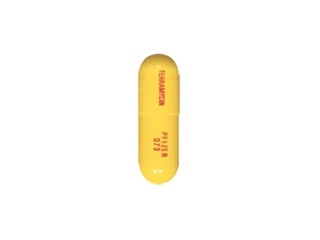


Terramycin® (Oxytetracycline) — Patient Information
Terramycin® is a brand of oxytetracycline, an antibiotic from the tetracycline group. It is used to treat certain bacterial infections (for example, some respiratory, skin, and wound infections) and, in some settings, may also be used for specific other indications depending on local product approvals and the condition being treated.
This guide is designed to be patient-friendly and to help you understand how Terramycin works, what to expect while taking it, and how to use it safely. Always follow the instructions given with your medicine and talk to your healthcare professional if you have questions.
Basic product information
- Brand name: Terramycin®
- Active ingredient: Oxytetracycline
- Drug class: Tetracycline antibiotic
- Common formulations: Tablets/capsules, and in some markets topical formulations may exist (availability varies)
- How it’s used: Usually taken by mouth for bacterial infections; topical forms may be used on skin wounds depending on product instructions
Availability and approved uses can differ by country and by formulation. In Australia, only products with appropriate approvals may be sold, and uses may vary by the specific formulation and strength. Check the product label and consult a healthcare professional or pharmacist for advice tailored to your situation.
How Terramycin works (mechanism of action)
Oxytetracycline works by interfering with bacterial protein production. Bacteria need proteins to grow and multiply; oxytetracycline helps block this by binding to the bacterial ribosome (the protein-making machinery), which reduces the production of essential proteins.
Overall, this antibiotic is typically bacteriostatic—it helps stop bacteria from multiplying. Your immune system then helps clear the infection.
Pharmacokinetics (what the body does to the medicine)
“Pharmacokinetics” describes how oxytetracycline is absorbed, distributed, metabolised, and eliminated.
- Absorption: Absorption can be reduced by food (especially dairy and foods containing calcium), antacids, and supplements with minerals such as iron, magnesium, zinc, and aluminium. Taking oxytetracycline as directed improves absorption.
- Distribution: It can distribute into body tissues, including areas where infections occur, depending on the infection type and formulation.
- Metabolism: Oxytetracycline undergoes limited metabolism.
- Elimination: It is mainly eliminated by the kidneys (urine) and to a lesser extent via other routes. Kidney function can influence how long it remains in the body.
If you have reduced kidney function or take medicines that affect kidney clearance, your clinician may adjust your regimen.
Typical uses
Terramycin (oxytetracycline) is used to treat infections caused by susceptible bacteria. The exact indications depend on the product and local approvals.
Common categories of infections where tetracyclines may be used include:
- Some skin and wound infections due to susceptible bacteria
- Certain respiratory infections
- Some infections where the bacteria are known or suspected to be susceptible to tetracyclines
In addition, oxytetracycline can be used for other specific medical or veterinary purposes depending on the approved product and jurisdiction. Your pharmacist can confirm what your specific product is intended for.
Timing and how to take Terramycin
Correct timing helps ensure good absorption and effective blood levels.
General timing tips
- Take at regular intervals: Try to keep the time between doses consistent.
- Take with water: Use a full glass of water to reduce the chance of stomach irritation.
- Avoid lying down immediately: To help reduce the risk of irritation/esophagitis (especially important for oral tablets/capsules), avoid lying down for at least 30 minutes after taking a dose.
With or without food?
Food can affect absorption. Many people tolerate oxytetracycline better when taken with a light meal if stomach upset occurs, but dairy and mineral-containing foods can reduce absorption. Follow your label instructions or pharmacist advice.
If your product information specifies “take on an empty stomach,” follow that guidance for best results.
Food interactions (important)
Oxytetracycline can bind to minerals, reducing absorption and making the antibiotic less effective. The most common food-related issues are with dairy and mineral supplements.
Avoid or separate by time from the following:
- Dairy products: milk, yoghurt, cheese, and some high-calcium foods
- Calcium-fortified drinks
- Antacids and products containing minerals (often best separated)
- Iron, magnesium, zinc, and aluminium supplements
A practical approach is to separate oxytetracycline from mineral-containing products by at least 2 hours before or 2–4 hours after, unless your pharmacist advises otherwise. (Exact timing may vary by product instructions.)
| Food/Products | Why it matters | Practical separation tip |
|---|---|---|
| Dairy and calcium-rich foods | Minerals can reduce absorption | Try to avoid taking doses with dairy; separate from the last dairy intake by a few hours |
| Antacids | Mineral content reduces absorption | Separate doses (often 2–4 hours) unless label says otherwise |
| Iron/magnesium/zinc supplements | Binding reduces antibiotic absorption | Separate by at least 2 hours before or 2–4 hours after |
| Multivitamins | May contain minerals | Consider taking vitamins at a different time of day |
Alcohol and medicine interactions
Alcohol may not directly “cancel out” oxytetracycline in the same way as some other antibiotics, but it can worsen side effects such as nausea, stomach irritation, fatigue, and diarrhoea. It can also interfere with recovery by affecting sleep and hydration.
For the best outcome, it’s generally recommended to avoid or minimise alcohol while you are unwell and taking an antibiotic. If you are concerned about alcohol use or liver health, ask a pharmacist or doctor for personalised advice.
Medicines that may interact with Terramycin
Interactions can occur due to absorption changes, liver/kidney processing, or effects on gut bacteria.
Common interaction themes
- Mineral-containing products (antacids and supplements) can reduce absorption.
- Other antibiotics or medicines affecting gut bacteria may change how you tolerate treatment.
- Blood thinners (anticoagulants) may require monitoring in some cases.
- Oral contraceptives: Some antibiotics are discussed for potential reduced effectiveness; evidence varies. For safety, if you experience vomiting/diarrhoea or if your clinician advises, consider using additional contraception during and for a short time after treatment.
Always tell your healthcare professional about all medicines you take, including prescription and over-the-counter products, vitamins, and herbal remedies.
Indications (what it’s used for)
“Indications” describes the conditions a medicine is used to treat. For Terramycin (oxytetracycline), the intended use is for infections caused by susceptible bacteria, as determined by clinical assessment, local guidelines, and—when available—culture and sensitivity testing.
Your pharmacist can help verify the specific intended indication for your particular product presentation (tablet strength and formulation can matter).
Dosing (general information)
Dosing depends on the infection type, severity, age, kidney function, and the specific product strength. Follow the dosing instructions on your label or provided by your clinician.
Do not change your dose or stop early. Completing the full course helps reduce the chance of the infection returning or becoming harder to treat.
How to estimate typical schedules
Oxytetracycline is often taken in divided doses (multiple times daily) to maintain effective levels. Your product instructions will specify the exact frequency.
Common practical approach:
- Take doses at evenly spaced times across the day.
- If you miss a dose, take it when you remember unless it’s close to the next scheduled dose—then skip the missed dose and continue normally.
- If you are unsure, ask your pharmacist for advice.
Children: Dose decisions in children require special care. Tetracyclines are generally not preferred in very young children unless clearly indicated by a clinician, due to potential effects on developing teeth and bones. Your pharmacist or doctor will guide appropriate use.
Safety profile and side effects
Like all medicines, Terramycin (oxytetracycline) can cause side effects. Most people experience mild effects, but some require urgent attention.
Common side effects
- Nausea or stomach upset
- Diarrhoea or loose stools
- Heartburn or irritation if taken improperly (e.g., lying down soon after)
- Loss of appetite
- Headache (sometimes)
Less common but important reactions
- Skin sensitivity to sunlight (photosensitivity) — you may burn more easily
- Vaginal yeast infection or oral thrush after antibiotics
- Allergic reactions (rash, swelling, breathing difficulties)
Seek urgent medical advice if you develop
- Signs of allergy: swelling of face/lips, wheezing, severe rash
- Severe or persistent diarrhoea (especially watery or bloody), abdominal pain, or fever
- Severe skin blistering or peeling
- Severe headache, vision changes, or symptoms suggesting increased pressure in the head (rare)
Who should be extra cautious?
- People with liver disease — clinicians may monitor or adjust treatment
- People with kidney impairment — dosing and monitoring may be adjusted
- Pregnancy: Tetracyclines are generally avoided unless specifically directed by a clinician, due to potential effects on the developing foetus.
- Breastfeeding: Tetracyclines may not be preferred while breastfeeding, depending on circumstances.
- Children: Use in children requires careful clinician guidance.
Practical use tips (to get the best results)
- Complete the course: Even if you feel better, finishing the full duration supports successful treatment.
- Keep a schedule: Use reminders or a medication organiser to avoid missed doses.
- Hydrate: Drink adequate fluids, especially if you have stomach upset or diarrhoea.
- Protect your skin from sun: Use sunscreen, wear protective clothing, and avoid prolonged direct sunlight.
- Separate mineral products: Take iron, zinc, magnesium, calcium, and antacids at a different time.
- Watch for diarrhoea: If diarrhoea is severe, persistent, or contains blood, seek medical advice promptly.
- Tell your pharmacist: Before starting any new supplement, check for mineral content and timing conflicts.
When to contact your healthcare professional
Contact a healthcare professional if:
- Your symptoms are not improving after a couple of days (or sooner if worsening)
- You develop new side effects that concern you
- You have kidney or liver problems
- You have questions about timing with supplements or other medicines
Alternative options
Alternative antibiotics or treatment strategies may be considered depending on the infection site, severity, and the likely bacteria. The “best” option depends on local resistance patterns and allergy history.
Possible alternative approaches
- Other antibiotic classes: Examples include beta-lactams or macrolides, depending on the infection and bacterial susceptibility.
- Topical treatments: For some skin or wound issues, topical therapies may be used where appropriate.
- Supportive care: Pain relief, hydration, and rest may complement antibiotic treatment.
If you have previously had side effects with tetracyclines or have drug allergies, speak to your clinician about suitable alternatives.
Terramycin in Australia: market and legal context
In Australia, medicines are regulated by TGA (Therapeutic Goods Administration). Availability depends on product registration, formulation, strength, and approved indications. Some antibiotic products may be restricted to certain health settings or may require appropriate clinical assessment prior to supply.
Online pharmacies in Australia must comply with Australian regulatory requirements, including standards for supply, identity and age verification where applicable, and proper handling of medicines. Product listings should reflect the specific formulation being sold and its instructions.
Recent guidance and antimicrobial stewardship
Australia participates in broader antimicrobial stewardship efforts to reduce antibiotic resistance and ensure antibiotics are used appropriately. Key practical principles include:
- Use antibiotics only when needed and for infections likely caused by susceptible bacteria.
- Follow the prescribed course and avoid unnecessary antibiotics for viral illnesses.
- Support culture/sensitivity testing when available, especially for complicated or recurrent infections.
- Review therapy if not improving after an appropriate timeframe.
If you’re unsure whether your symptoms require antibiotic treatment, consult a healthcare professional. Early review can help ensure you’re receiving the right treatment.
Delivery and availability (online pharmacy)
Availability of Terramycin can vary by formulation and current stock. When ordering online, your dispensing may depend on:
- Stock levels at the supplier/warehouse
- Your location within Australia
- Any required verification steps
Delivery times: Many online pharmacies offer standard and express options depending on region. Check the checkout page for estimated delivery windows and any conditions that may affect shipping.
Temperature handling: Follow storage instructions on the pack. Many tablets/capsules are stored at controlled room temperature away from direct heat and moisture.
If your order is delayed, contact customer support for assistance with tracking and substitutions (where allowed and clinically appropriate).
Storage information
- Store at room temperature away from heat and moisture.
- Keep in the original packaging to protect from light and maintain label information.
- Keep out of reach of children.
FAQ
1) What is Terramycin used for?
Terramycin contains oxytetracycline, an antibiotic used to treat infections caused by susceptible bacteria. The exact approved indications depend on the product and local guidelines. Your pharmacist can confirm what your specific formulation is intended for.
2) How quickly should I feel better?
Some improvement may be noticed within 24–72 hours, depending on the infection. If symptoms worsen or you do not improve after a couple of days, seek medical advice to reassess treatment.
3) Can I take Terramycin with milk or dairy?
Dairy products can reduce absorption because tetracyclines bind to minerals like calcium. It’s usually best to avoid taking your dose with dairy. Consider separating dairy intake from your antibiotic by a few hours and follow the directions on your product label.
4) What should I do if I miss a dose?
Take it when you remember unless it’s close to the next dose. If it’s almost time for the next dose, skip the missed one and continue your schedule. Don’t double up.
5) Is it safe to drink alcohol while on Terramycin?
Alcohol may increase stomach upset and make you feel worse while you’re recovering. For best results, avoid or minimise alcohol during treatment. If you have liver conditions or heavy alcohol use, ask a pharmacist or doctor for advice.
6) What vitamins or supplements should I avoid?
Supplements containing iron, magnesium, zinc, calcium, or other minerals may reduce absorption. Usually you can take them at a different time of day, but check with a pharmacist for the best separation.
7) Can I take antacids with Terramycin?
Many antacids contain minerals that can reduce oxytetracycline absorption. Separate antacids from your antibiotic dose by a few hours (commonly 2–4 hours) unless your label or pharmacist advises otherwise.
8) Does Terramycin cause sun sensitivity?
Yes. Tetracyclines can make your skin more sensitive to sunlight, increasing the risk of sunburn. Use sunscreen and protective clothing, and avoid prolonged sun exposure.
9) Who shouldn’t use oxytetracycline?
Extra caution is needed in pregnancy, breastfeeding, children, and people with certain liver or kidney problems. A healthcare professional can advise based on your individual circumstances and the specific infection.
10) Are there alternatives if I can’t take Terramycin?
Yes. Depending on your infection, allergies, and local guidance, your clinician may choose another antibiotic class or a different treatment approach. Ask your pharmacist or doctor about options suitable for you.