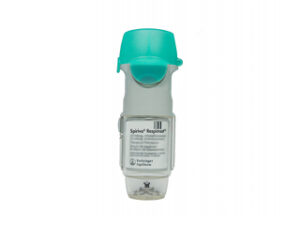


Zomig (Zolmitriptan) — Patient Information (Australia)
Zomig contains zolmitriptan, a medicine used for the acute treatment of certain types of migraine. This page explains how Zomig works, how to take it, what to expect, and important safety information. It is written for an Australian audience and reflects general consumer guidance for medicines in Australia.
| Brand / Name | Active ingredient | Common forms | What it’s used for |
|---|---|---|---|
| Zomig | Zolmitriptan | Tablets (including some orodispersible formats depending on product availability) | Relief of migraine attacks with or without aura |
Basic product information
What is Zomig?
Zomig is a triptan medicine. Triptans are specifically designed to treat migraine by targeting key pathways involved in migraine attacks.
How does it come?
Zomig is commonly supplied as tablet formulations (including variants that may dissolve in the mouth depending on availability). Your pharmacist or the product packaging will confirm the exact strength and form.
Strengths and dosing may vary
The dose you receive may depend on your age, overall health, and how you respond to treatment. Always follow the instructions provided with your medicine.
How Zomig works (mechanism of action)
Migraine is more than “just a headache.” During a migraine attack, multiple systems in the brain and blood vessels contribute to symptoms such as pain, light sensitivity, and nausea.
Zolmitriptan belongs to the class of drugs known as 5-HT1 (serotonin) receptor agonists (triptans). It helps by:
- Constraining certain blood vessels involved in migraine pathways
- Reducing the release of pain-signalling substances (including from trigeminal nerve pathways)
- Alleviating migraine symptoms such as headache pain and associated nausea/light sensitivity
Zomig is designed for acute (attack-at-onset) use—meaning it treats a migraine when it begins, rather than preventing future attacks (although some people may use it under clinician guidance as part of a broader plan).
Pharmacokinetics (how the body handles zolmitriptan)
Pharmacokinetics describes the way a medicine is absorbed, processed, and eliminated.
- Absorption: Zolmitriptan is absorbed after taking a tablet. Onset of benefit may occur within about 30–60 minutes (individual responses vary).
- Distribution: It travels through the bloodstream to target tissues involved in migraine.
- Metabolism: Zolmitriptan is metabolised, primarily by liver enzymes (notably CYP-related pathways), into active and inactive metabolites.
- Elimination: Metabolites are cleared mostly through the kidneys (urine) and to a lesser extent via other routes.
- Half-life (general concept): The medicine’s effect is temporary; if symptoms return, a second dose may sometimes be considered according to dosing instructions.
Why this matters: Understanding timing and repeat dosing helps reduce the chance of taking too much too frequently.
Typical use: when and why it’s taken
Zomig is used to relieve migraine attacks, with or without aura. “Aura” can include visual symptoms (e.g., flashing lights, zigzag lines), sensory changes, or difficulty speaking that may occur before the headache phase for some people.
Common symptoms it may help:
- Headache pain (moderate to severe migraine)
- Nausea and vomiting associated with migraine
- Light and/or sound sensitivity
Important: Zomig is intended for migraine attacks. It is not an appropriate treatment for every type of headache.
Timing: how soon to take Zomig
For best results, many people benefit when they take Zomig as early as possible during a migraine attack after symptoms begin.
- At onset: Take when you recognise the start of a migraine.
- If you’re unsure: If symptoms are unusual for your usual migraine, seek medical advice rather than taking triptans repeatedly.
- If symptoms return: Some people may need a second dose later during the same attack. Follow the maximum dose guidance provided below.
Do not exceed recommended limits (including frequency over 24 hours) to reduce risk of medication-overuse headache.
Food interactions
Food does not generally prevent zolmitriptan from working. However, during a migraine attack you may have nausea or reduced appetite. In that case:
- Taking with or without food: You can usually take Zomig with water, with or without food. If your stomach is sensitive, taking with food may feel more comfortable.
- Vomiting: If you vomit soon after taking a dose, it may be worth discussing with a pharmacist whether another dose is appropriate. Do not take multiple doses “just to be safe” without advice.
If your specific product instructions differ, follow the consumer information leaflet provided with your Zomig brand and formulation.
Alcohol interactions
Alcohol can trigger migraines in some people. While alcohol does not have a direct “banned together” interaction with zolmitriptan in most patients, combining can make your symptoms worse.
Practical advice:
- Avoid alcohol during an attack if you notice it worsens migraine.
- If you choose to drink, do so conservatively and be aware that migraine response may be unpredictable.
Medicine interactions (important)
Certain medicines can affect how zolmitriptan works or increase the risk of side effects. Tell your pharmacist about all medicines you use, including medicines for mood, infections, sleep, heart conditions, blood pressure, and any herbal products.
Key interaction groups
- Other triptans: Avoid taking zolmitriptan with another triptan during the same time period, unless specifically advised.
- Ergot-containing medicines (e.g., ergotamine, dihydroergotamine): Combining may increase vasoconstriction risk; spacing is sometimes required.
- Serotonin-related medicines: Some medicines that affect serotonin pathways may increase the risk of serotonin-related side effects. Caution is especially important with certain antidepressants or other serotonin-affecting therapies.
- MAO inhibitors: These can significantly affect triptan metabolism; guidance may differ depending on the specific MAOI.
- CYP inhibitors: Some medicines can raise zolmitriptan levels, potentially increasing side-effect risk.
When to seek advice urgently
Stop using the medicine and seek urgent medical help if you experience:
- Chest pain or tightness that is severe or persistent
- Unusual shortness of breath
- Signs of an allergic reaction (swelling of face/lips, hives, difficulty breathing)
If you have symptoms that could indicate a serious cardiovascular event, treat them as an emergency.
Indications: who Zomig is for
Zomig is indicated for the acute treatment of migraine attacks in adults. It may be used for migraine with or without aura.
It is not a substitute for long-term migraine prevention. If you have frequent attacks, your healthcare team may consider preventive strategies alongside acute treatment.
Dosing: typical adult use
Always follow the dosing instructions from your product packaging and pharmacist/doctor advice. Below are common general patterns; they may vary by country, product strength, and individual factors.
| Situation | Typical guidance (general) | Notes |
|---|---|---|
| Initial dose at migraine onset | Commonly 2.5 mg | Some people may use a higher starting dose depending on past response and tolerability. |
| If headache improves but returns | A second dose may be used after an interval | Do not take more frequently than the recommended minimum interval. |
| Maximum doses in 24 hours | Typically capped (e.g., up to a total daily maximum) | Exact limits depend on the formulation/strength and other risk factors. |
| Repeat for later attacks | Use for each attack as needed | Keep a record of how many attacks you treat and how often you take triptans. |
Medication-overuse headache:
Using acute migraine medicines too often can sometimes cause headaches to become more frequent or chronic (a condition often called medication-overuse headache). As a general principle, avoid using triptans excessively (for example, more than a few days per month, depending on the specific medicine and your clinician’s advice).
Special populations:
- Liver impairment: Your clinician may reduce the dose or limit maximum daily use.
- Kidney impairment: Dose adjustments may be needed in some cases.
- Older adults: Dose and frequency may be adjusted based on overall health and risk factors.
- Children/adolescents: Use depends on age indications and local product authorisation. Follow local guidance.
Practical use tips (how to get the best results)
- Keep it with you: Migraine timing can be unpredictable. Having Zomig available at onset can improve the chance of relief.
- Take with water: Swallow with water. If your product is an orodispersible tablet, follow the instructions for placing it on the tongue and allowing it to dissolve.
- Rest in a quiet, dark room: Many people find reduced sensory input helps alongside medication.
- Use migraine-appropriate pain relief: If advised, some people may also use anti-nausea medicines or other analgesics; avoid doubling up without checking safe combinations.
- Track what works: Note the time you took Zomig, symptom severity, and whether it relieved your migraine. This can help refine treatment with your healthcare team.
- Don’t “save up” doses: If symptoms match your typical migraine pattern, take it early rather than waiting until pain becomes severe.
Safety profile: common and important side effects
Like all medicines, zolmitriptan can cause side effects. Many people tolerate it well, but you should be aware of potential reactions.
Common side effects (usually mild to moderate)
- Sensation of tingling, warmth, or flushing
- Dizziness or drowsiness
- Headache (may be mild after taking, or could reflect underlying migraine patterns)
- Nausea
- Dry mouth or altered taste (in some cases)
- Fatigue
Less common but important effects
- Chest, neck, or throat tightness/pressure: Often described after taking triptans. Report severe or persistent symptoms urgently.
- Allergic reactions: Swelling, rash, hives, or breathing difficulties require urgent assessment.
- Changes in blood pressure: Some people may experience changes in cardiovascular parameters.
- Serotonin-related symptoms: If you experience agitation, confusion, fever, sweating, shivering, diarrhoea, or muscle stiffness, seek urgent medical help.
When Zomig may not be suitable
Zolmitriptan may be unsuitable for some people, particularly those with certain cardiovascular conditions or risk factors. You should not use triptans without appropriate medical advice if you have:
- Known heart disease or history of stroke/mini-stroke
- Uncontrolled high blood pressure
- Severe peripheral vascular disease
- Significant risk of coronary artery disease (as assessed by a clinician)
- Use of certain interacting medicines (see interactions section)
General warning:
If you have symptoms that feel “different” from your usual migraine (e.g., weakness on one side, trouble speaking, fainting), get medical help promptly.
Recent guidance and evolving migraine care (general)
In recent years, migraine treatment has increasingly included both:
- Acute “attack” treatments (such as triptans, anti-nausea medicines, and other migraine-specific options), and
- Preventive strategies for people with frequent or disabling attacks.
Australian clinicians commonly emphasise:
- Early treatment at onset for best outcomes with acute therapy
- Avoiding frequent use to reduce medication-overuse headache risk
- Reviewing preventive options when attacks are frequent, prolonged, or poorly controlled
- Assessing cardiovascular risk before triptan use in appropriate patients
If you’re using Zomig often, or your migraines are worsening, it’s important to discuss a review plan with your healthcare professional.
Delivery and availability in Australia
In Australia, availability of specific brands and formulations can vary by stock. Many online pharmacies list Zomig strengths and forms, with:
- Standard dispatch times after order confirmation
- Trackable shipping depending on service level
- Packaging that helps protect tablets during transit
Storage: Keep Zomig at room temperature as directed on the packaging, in a dry place away from direct sunlight. Keep out of reach of children.
How to check availability:
Look for the exact listed strength and formulation (e.g., standard tablet vs orodispersible version). If a particular strength is temporarily unavailable, ask your pharmacist about alternatives.
Alternative options for migraine attacks
If Zomig isn’t suitable or doesn’t provide sufficient relief, there are other acute treatment options. Alternatives may include:
- Other triptans (same general class, different dosing/response for individuals)
- Non-triptan acute migraine treatments (for example, certain migraine-specific agents that target different pathways)
- Analgesics used for some attacks (best suited for mild to moderate migraine; effectiveness varies)
- Anti-nausea medicines (help when nausea/vomiting limits oral intake)
Preventive options may be considered if you have frequent migraines or poor response to acute treatment, including lifestyle interventions and, in some cases, prescription preventive medicines.
Your pharmacist can help you compare options and discuss what may be safest based on your health history and current medicines.
Market and legal context for Australia (consumer overview)
In Australia, medicines are regulated under the Therapeutic Goods Administration (TGA) and distributed through legitimate pharmacy channels. Online pharmacies must follow Australian laws and regulations for supply, documentation, and consumer safety.
What this means for you:
- Products sold through legitimate channels should include correct packaging, labelling, and expiry dates.
- You should be able to access clear product information and safety directions.
- Pharmacy services may include identity checks and appropriate counselling to reduce risks from medicine interactions.
If you have concerns about authenticity, packaging, or expiry dates, contact the pharmacy directly before using the product.
FAQ
1) How fast does Zomig work?
Many people feel improvement within 30–60 minutes. If you do not notice any benefit after your usual time window, it may be worth reviewing your migraine diagnosis and treatment plan with a healthcare professional, rather than repeatedly taking additional doses.
2) Can I take Zomig with other pain relievers?
Sometimes acute migraine treatments are used alongside other medicines, but the safest combinations depend on what you plan to take. Tell your pharmacist what you’re considering, including over-the-counter products, so they can check for interactions and dosing safety.
3) Can I use Zomig for any headache?
No. Zomig is for migraine attacks. If your headache is new, unusual, or accompanied by neurological symptoms (such as weakness, fainting, severe confusion), seek medical assessment promptly.
4) What if I miss the migraine onset?
You can still use Zomig during the attack, though earlier use often improves outcomes. If you frequently need to treat late in an attack, it may indicate that preventive or alternative acute options should be reviewed.
5) What are the signs of an allergic reaction?
Allergic reactions can include swelling of the face/lips/tongue, rash or hives, and difficulty breathing. Seek urgent medical help if these occur.
6) Is it safe to drink alcohol while using Zomig?
Alcohol may trigger migraines and can worsen symptoms. While alcohol isn’t universally contraindicated with zolmitriptan, it’s often best to avoid it during attacks and follow general safe drinking guidelines.
7) What should I do if my symptoms come back after Zomig?
Some migraines relapse after initial improvement. Follow your dosing instructions regarding whether a second dose is appropriate and the spacing between doses. If attacks are repeatedly returning quickly, discuss options with your pharmacist or healthcare professional.
8) How often can I use Zomig?
There is a limit to how often triptans should be used within a day and across weeks/months to reduce the risk of medication-overuse headache. Your product information and pharmacist guidance will provide maximum limits; if you find yourself needing Zomig frequently, seek a review of your overall migraine plan.
9) Can I take Zomig if I have liver or kidney problems?
People with impaired liver or kidney function may need dose adjustments or extra caution. If you have any known impairment, discuss it with your pharmacist before using Zomig.
10) When should I stop using Zomig and get urgent help?
Seek urgent medical care if you experience severe chest tightness/pain, signs of stroke (face drooping, arm weakness, speech difficulty), severe allergic reactions, or other serious symptoms. For non-urgent but concerning side effects, contact your pharmacist promptly.
Summary
Zomig (zolmitriptan) is a triptan medicine used to treat migraine attacks with or without aura. It works by activating serotonin receptors involved in migraine pathways, helping reduce pain and associated symptoms. For many people, taking Zomig as early as possible in an attack improves outcomes. As with all triptans, safety depends on correct dosing, awareness of interactions (including with other migraine medicines and serotonin-related medicines), and monitoring for side effects. If migraines are frequent, disabling, or changing, consider discussing preventive strategies with a healthcare professional.