
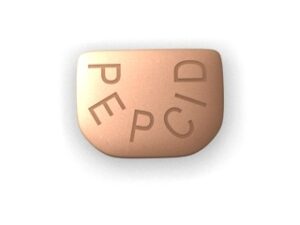
Famotidine (Oral)
Famotidine is a medicine used to reduce stomach acid. It’s commonly used for conditions such as heartburn, reflux-related symptoms, and certain types of stomach and bowel irritation. On this page, you’ll find patient-friendly information about how famotidine works, when to take it, common interactions, safety considerations, and practical tips for use in Australia.
Basic product information
| Item | Details |
|---|---|
| Generic name | Famotidine |
| Medicinal class | H2-receptor antagonist (H2 blocker) |
| Common forms | Tablets and some oral formulations (strengths vary by brand/product) |
| Main purpose | Reduces stomach acid to relieve symptoms of acid-related conditions |
| Typical onset | Often starts working within about 1 hour for heartburn/reflux symptoms |
Note: Brand names and strengths vary. Always check the label for the exact strength and dosing instructions for your specific product.
How famotidine works (mechanism of action)
Famotidine belongs to a group of medicines called H2-receptor antagonists. These medicines work by blocking histamine receptors (specifically H2 receptors) on acid-producing cells in the stomach.
- When histamine normally stimulates acid secretion, blocking H2 receptors reduces the amount of acid released.
- Lower acid helps relieve symptoms such as heartburn, acid indigestion, and reflux-related burning.
- Famotidine can also support healing of certain acid-related irritation by reducing acid exposure.
Pharmacokinetics: how the body handles famotidine
Pharmacokinetics describes what the body does to a medicine—absorption, distribution, metabolism, and elimination. Famotidine is generally:
- Absorbed after oral administration (absorption can vary slightly between individuals and formulations).
- Not extensively metabolised compared with some other drug classes; a large portion leaves the body unchanged.
- Eliminated mainly by the kidneys. This is important for people with reduced kidney function.
Half-life (general concept): Famotidine’s effect can last several hours. The exact duration depends on dose, formulation, and kidney function.
Kidney considerations: Because famotidine is mainly cleared through the kidneys, your doctor or pharmacist may recommend dose adjustments or additional caution if you have kidney disease or reduced renal function.
Typical use in Australia
Famotidine is used to manage acid-related symptoms and conditions, including:
- Heartburn and symptoms of gastro-oesophageal reflux (GORD/GERD)
- Acid indigestion and sour stomach
- Relief of upper gastrointestinal discomfort related to excess stomach acid
- Certain conditions requiring reduced gastric acid exposure (as determined by a clinician)
In many cases, famotidine may be used for short-term symptom relief. If symptoms persist, recur frequently, or become severe, it’s important to seek medical advice.
When to take famotidine (timing guidance)
The best timing depends on why you’re taking it.
- For heartburn/reflux symptoms: Many people take famotidine before meals or when symptoms begin, as it may help reduce acid activity around the time food triggers symptoms.
- For night-time symptoms: If you experience reflux at night, taking it in the evening (as directed on the label or by a healthcare professional) may help.
- With or without food: Famotidine can often be taken with or without food. However, if symptoms are meal-related, taking it before food may be more helpful.
Tip: Use the product label or pharmacist advice to match your schedule. If you’re taking other acid-related medicines (e.g., antacids or proton pump inhibitors), ask for guidance on timing.
Food interactions
Famotidine is generally not strongly “food dependent,” meaning food doesn’t commonly cause dangerous interactions. However, food can affect how and when symptoms occur.
- Meal-triggered heartburn: Reducing triggers (spicy, fatty meals, late-night eating) can improve comfort alongside famotidine.
- Swallowing tablets: Take with water and swallow whole unless the product instructions say otherwise.
- Consistency: Taking famotidine at a consistent time (e.g., before dinner) often helps maintain symptom control.
If you notice changes in symptom control—especially after changing meal timing—talk to your pharmacist.
Alcohol and medicine interactions
Alcohol doesn’t usually cause a direct interaction with famotidine, but it can worsen acid reflux for many people.
- Alcohol may increase reflux symptoms (heartburn, regurgitation, burning).
- Drinking alcohol while taking famotidine may reduce symptom severity, but you may still experience breakthrough heartburn—especially with larger amounts, sugary mixers, or late-night drinking.
Other medicines: Famotidine can interact with certain drugs mainly because it changes stomach acid environment. The most important considerations are:
- Medicines that require stomach acid to work well (their absorption may be affected when acid is reduced).
- Medicines where absorption depends on pH—your pharmacist can check your specific medicines.
Always provide a list of your current medicines (including supplements) when asking for advice.
Indications (what famotidine is used for)
Famotidine’s approved and common uses may vary by formulation and by local regulatory status. In general, famotidine is used for:
- Symptoms of gastro-oesophageal reflux, including heartburn and acid regurgitation
- Acid indigestion and related upper gastrointestinal discomfort
- Conditions involving increased stomach acid where reducing acid can relieve symptoms and support healing
If you’re considering famotidine for persistent symptoms, it’s important to follow appropriate assessment pathways—especially if symptoms are frequent, worsening, or affecting sleep and daily activities.
Dosing: general guidance
Dosing depends on the product strength, the condition being treated, your age, and your kidney function. Always use the dose and schedule on your product label, or the instructions given by your pharmacist/doctor.
Typical patterns (general information):
- Heartburn/reflux (short-term relief): Often taken as a single dose or in divided doses across the day, depending on symptom frequency and the product strength.
- Night-time symptoms: Some people use evening dosing to reduce overnight acid activity.
Kidney impairment: Because famotidine is mainly cleared by the kidneys, a lower dose or longer interval may be recommended for people with reduced kidney function. If you have kidney disease, consult your healthcare professional before using famotidine regularly.
Do not exceed the labelled maximum dose. If symptoms persist beyond the recommended treatment duration on the label, seek advice rather than increasing dose.
Safety profile: who should be cautious
Famotidine is generally well tolerated by many people. As with any medicine, there are possible side effects and situations where caution is needed.
Common side effects
- Headache
- Dizziness
- Constipation or diarrhoea (varies by individual)
- Nausea
- Dry mouth
Less common but important reactions
Seek urgent medical help if you experience signs of a serious allergic reaction, such as:
- Swelling of the face, lips, tongue, or throat
- Difficulty breathing or wheezing
- Severe rash or hives
Special populations
- Older adults: Many older people tolerate famotidine, but kidney function may decline with age—confirm safe dosing if using regularly.
- Pregnancy and breastfeeding: If you are pregnant or breastfeeding, discuss with a pharmacist or doctor to weigh benefits and risks.
- Kidney disease: Extra caution and possible dose adjustment may be needed.
- People with alarm symptoms: If you have certain warning signs (see below), you should seek medical assessment rather than relying on acid reducers alone.
When to seek medical advice urgently
Acid-related medicines can relieve symptoms, but they don’t address every cause of upper abdominal discomfort. Seek prompt medical attention if you have:
- Unexplained weight loss
- Vomiting blood or material that looks like coffee grounds
- Black, tarry stools
- Difficulty swallowing or pain when swallowing
- Persistent vomiting
- Severe chest pain (especially if it could be heart-related)
- Symptoms that keep worsening or don’t improve with appropriate use
Practical use tips (getting the best results)
- Take it consistently: If symptoms are frequent, follow the regular schedule on the label.
- Review triggers: Consider reducing late meals, spicy/fatty foods, and other personal triggers.
- Don’t “stack” without advice: If you’re already using an acid-suppressing medicine (for example, a proton pump inhibitor), ask your pharmacist whether adding famotidine is appropriate.
- Track symptom patterns: Note when symptoms occur (after meals, at night, with certain foods). This can help select timing.
- Use correct administration: Swallow tablets with water; don’t crush unless the product instructions say it’s suitable.
- Give it a fair trial: If your label indicates a recommended short treatment period, try within that timeframe before reassessing.
Alcohol and lifestyle considerations for reflux
Because reflux symptoms are strongly influenced by lifestyle, consider the following alongside famotidine:
- Avoid lying down for 2–3 hours after eating.
- Consider elevating the head of your bed if night-time symptoms occur.
- If alcohol worsens symptoms, reducing intake can improve overall control.
- Maintain healthy body weight if advised by a healthcare professional, as excess weight can increase reflux.
Alternative options to famotidine
Depending on the cause of your symptoms and how long you’ve had them, other treatments may be suitable. Common alternatives include:
- Antacids (for fast, short-term relief): Neutralise existing stomach acid. Helpful for occasional heartburn but shorter acting.
- Alginate-based products: Form a raft-like barrier to reduce reflux in the oesophagus.
- Proton pump inhibitors (PPIs) (e.g., omeprazole/esomeprazole families): Strong acid suppression, often used for frequent or persistent reflux.
- Other H2 blockers: Some people may respond to alternatives in the same class.
Which option is best? It depends on symptom frequency, severity, and whether symptoms are episodic or persistent. If symptoms are recurring, discuss with a pharmacist or doctor for a tailored plan.
Market and legal context in Australia
In Australia, availability and how a medicine is supplied can vary by formulation, strength, and intended use. Famotidine products are typically supplied according to Australian regulatory classification and pharmacy supply requirements.
- Quality and compliance: Medicines sold in Australia must meet Australian quality and regulatory standards.
- Pharmacy guidance: Pharmacists can help determine whether famotidine is appropriate for your symptoms and can check for interactions with your current medicines.
- Ongoing monitoring: If symptoms are frequent, long-term use should be reviewed with a healthcare professional to ensure the underlying cause is properly assessed.
Recent guidance: For reflux symptoms, Australian clinicians generally emphasise appropriate initial lifestyle measures, appropriate short-term use of acid-suppressing therapy, and reassessment if symptoms persist, recur, or involve alarm symptoms. If you’re unsure how long to use famotidine, ask your pharmacist for advice aligned with current local practice.
Delivery and availability (online pharmacy)
Famotidine may be available through online pharmacies depending on stock, formulation, and regulatory supply arrangements. Delivery options can vary by provider.
- Availability: Stock may vary by strength and product type.
- Delivery areas: Most online pharmacies deliver across Australia; delivery timeframes depend on location and courier service.
- Packaging: Medicines are typically dispatched in secure, tamper-evident packaging.
- Storage: Store according to label instructions (commonly at room temperature, away from moisture and direct heat).
Tip: If you take famotidine regularly for recurring reflux, consider ordering in advance to avoid running out.
FAQ
1) Does famotidine work immediately?
Many people notice symptom relief within about 1 hour, though timing can vary. For meal-related symptoms, taking it before eating may help.
2) Can I take famotidine with other reflux medicines?
It depends on what you’re taking. Some combinations can be appropriate, while others may not be necessary. If you use an antacid, alginate, or a PPI, ask your pharmacist about the best schedule and whether there are any interaction concerns.
3) Is famotidine the same as an antacid?
No. Famotidine reduces acid production (H2 blocker). Antacids neutralise existing acid and tend to work faster but for a shorter period.
4) What if my symptoms come back after stopping?
Reflux symptoms can recur if triggers remain or if an underlying condition continues. If symptoms are frequent or persistent, discuss a longer-term plan with a pharmacist or doctor rather than repeatedly restarting without review.
5) Can I drink alcohol while taking famotidine?
There’s typically no direct harmful interaction, but alcohol can worsen reflux for many people. If you notice symptoms after drinking, reducing or avoiding alcohol may improve comfort.
6) Who should be extra careful with famotidine?
People with kidney disease, pregnant or breastfeeding individuals, and anyone taking multiple medicines should check with a pharmacist for dose suitability and interaction screening.
7) How long should I take famotidine for?
Follow the product label for the recommended duration. If symptoms persist beyond the recommended period, or if they recur frequently, seek medical advice for assessment and a tailored treatment strategy.
8) Are there any warning signs that mean I should not self-treat?
Yes. Seek prompt medical attention if you have alarm symptoms such as difficulty swallowing, unexplained weight loss, vomiting blood, black stools, persistent vomiting, or severe chest pain.
9) Does famotidine affect the absorption of other medicines?
Because it reduces stomach acid, it may affect absorption of some drugs that depend on stomach acidity. Your pharmacist can check your specific medicines to confirm safety.
10) How should I store famotidine?
Store according to the label (usually at room temperature, away from moisture and heat). Keep out of reach of children.
Need help choosing the right option?
If you’re unsure whether famotidine is suitable for your symptoms, or you’d like help comparing options (famotidine vs antacids/alginate products vs PPIs), a pharmacist can provide guidance. Consider sharing:
- Your current medicines and supplements
- Your symptom pattern (when it happens and what triggers it)
- Any ongoing medical conditions, especially kidney disease