Prevacid (Lansoprazole) — Patient-Friendly Guide (Australia)
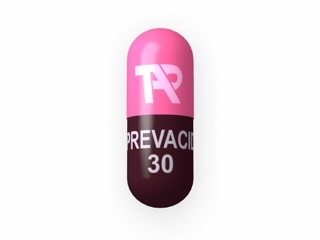
Prevacid is a brand of lansoprazole, a medicine that reduces the amount of acid made in the stomach. It is commonly used to treat conditions such as heartburn and reflux, gastro-oesophageal reflux disease (GORD), and stomach and duodenal ulcers. This guide explains how it works, when to take it, how to use it safely, and what to expect.
Always follow the directions given by your pharmacist or doctor. If you are unsure about any aspect of use, seek advice.
Basic product information
| Item | Information |
|---|---|
| Active ingredient | Lansoprazole |
| Medicine class | Proton pump inhibitor (PPI) |
| How it helps | Reduces stomach acid production |
| Common uses | GORD/heartburn, ulcers, reflux-related inflammation, and other acid-related conditions |
| Common timing | Typically once daily before food (see “Timing” section) |
| Where it’s available | Availability varies by product strength and pack; some forms may be prescription-only depending on strength and brand in Australia |
How Prevacid works (mechanism of action)
Lansoprazole belongs to the proton pump inhibitor (PPI) family. PPIs block the final step of acid secretion in the stomach by inhibiting H+/K+-ATPase (the proton pump) in stomach lining cells.
Because PPIs act on the “acid pumps,” they are most effective when taken in a way that allows the medicine to be present as the stomach prepares to produce acid—often before a meal.
Pharmacokinetics (how the body handles it)
While individual responses vary, the general pattern of lansoprazole in the body includes:
- Absorption: Lansoprazole is absorbed from the stomach/upper intestine after you swallow it. Because it is affected by stomach acidity, taking it before food can improve effectiveness.
- Onset: Symptom relief often begins within the first day, but the full benefit may take several days as the stomach acid pathway is downregulated.
- Metabolism: The medicine is mainly metabolised in the liver via enzyme systems (notably CYP pathways), producing metabolites that are less active.
- Elimination: Metabolites are removed primarily via the kidneys and bile.
- Duration of effect: Acid suppression can last beyond the dosing interval because PPIs form long-lasting inhibition on the proton pumps.
What it is used for (indications)
In Australia, lansoprazole (Prevacid) may be used for a range of conditions where reducing stomach acid helps healing and symptom control. Common indications include:
- GORD (gastro-oesophageal reflux disease) and heartburn
- Erosive reflux oesophagitis (inflammation/erosions of the food pipe due to reflux)
- Duodenal and gastric ulcers
- Ulcers associated with Helicobacter pylori (often as part of an eradication regimen with antibiotics, depending on clinical advice)
- Zollinger–Ellison syndrome and other conditions involving excessive acid production (specialist-directed)
- Prevention or treatment of acid-related injury in certain high-risk circumstances (e.g., associated with medicines that may irritate the stomach), as directed by healthcare professionals
Typical dosing and how to take Prevacid
Dosing depends on the specific diagnosis, severity of symptoms, and your response. Always use the strength and schedule provided for you. Below is general guidance on how PPIs like lansoprazole are typically used.
Common dosing patterns (general)
- Once daily dosing: Many reflux and ulcer regimens are taken once per day.
- Twice daily dosing: Some ulcer or complex regimens may require two doses per day under clinician guidance.
- Helicobacter pylori treatment: When used for H. pylori, lansoprazole is typically combined with antibiotics and taken according to the regimen supplied.
Timing (important)
Lansoprazole is commonly most effective when taken before a meal. Consider these practical options:
- Best timing: Take it at least 30 minutes before food (often before breakfast).
- If it’s once daily: Many people take it before breakfast.
- If it’s twice daily: Space doses so that the second dose is taken before another meal (commonly before dinner), unless your healthcare provider advised otherwise.
- If you miss a dose: Take it when you remember if it’s close to the next dose timing. If it’s almost time for the next dose, skip the missed dose—do not double.
With food and swallowing tips
Follow the instructions on the pack for your exact product form (for example, capsules, modified-release forms, or other formulations). In general:
- Swallow whole with water unless the product instructions specify otherwise.
- Do not crush or chew unless specifically instructed, as this may affect how the medicine releases.
- For people who have difficulty swallowing: Ask your pharmacist whether your specific lansoprazole formulation has suitable administration options.
Food interactions and lifestyle considerations
Food can influence how well lansoprazole works, mainly because PPIs are designed to block acid pumps during active secretion. Practical advice includes:
- Take before meals for best effect.
- Large or late meals may worsen reflux symptoms even if you take your PPI correctly.
- Avoid eating close to bedtime if you have night-time reflux (many people benefit from a 2–3 hour gap before lying down).
- Maintain a consistent routine: taking it at the same time each day can improve control.
Alcohol and medicine interactions
Alcohol
Alcohol can worsen reflux by relaxing the lower oesophageal sphincter and irritating the lining of the oesophagus in some people. While there is no simple “one rule fits all” interaction, reducing alcohol intake may improve symptoms and overall comfort.
If you drink alcohol, consider:
- Limiting intake, especially in the evening
- Monitoring whether alcohol triggers your heartburn or regurgitation
- Seeking advice if you have liver disease or if you are taking multiple medicines
Interactions with other medicines
PPIs can interact with certain medicines through changes in stomach acidity and by affecting liver enzymes involved in metabolism. This is especially relevant if you take several medicines long term. Notable interaction categories include:
-
Medicines where stomach acidity matters for absorption
- Examples may include some antifungal medicines (e.g., certain azoles) or specific antivirals.
- Reduced stomach acid can change absorption and effectiveness.
-
Clopidogrel
- Some PPIs may affect clopidogrel activity in certain patients.
- Discuss your regimen with your healthcare professional, especially if you take clopidogrel.
-
Warfarin (and other anticoagulants)
- PPIs can sometimes change effects, potentially affecting clotting control.
- Monitoring (e.g., INR) may be needed when starting or stopping PPIs.
-
Digoxin
- Changes in gastric acidity may influence digoxin absorption in some circumstances.
-
Medicines affecting liver enzymes
- Some medicines that induce or inhibit liver enzymes may alter lansoprazole levels.
- Examples include certain antibiotics and anti-seizure medicines.
-
Iron supplements
- Long-term acid suppression may reduce absorption of non-heme iron.
- If you have low iron, discuss with your pharmacist or doctor—your iron type and timing may be important.
-
Magnesium-containing products
- Long-term PPI use has been associated with low magnesium in some people.
- If you have symptoms such as unusual cramps, tremors, or palpitations, seek advice.
Always tell your pharmacist about all medicines and supplements you use, including: over-the-counter products, herbal remedies, vitamins, and any “as needed” medicines.
Safety profile: what to know
Many people take lansoprazole without problems. Like all medicines, it can cause side effects. Most are mild and improve as your body adjusts. However, it is important to be aware of potential risks, especially with long-term use.
Common side effects
- Headache
- Nausea or mild stomach discomfort
- Diarrhoea or constipation
- Flatulence
- Dizziness in some people
Serious but less common concerns
Seek urgent medical advice if you develop signs of a severe allergic reaction (for example, swelling of face/lips, difficulty breathing, or widespread rash). Also seek advice if you experience:
- Severe or persistent diarrhoea (especially if watery or with fever)
- Black/tarry stools or vomiting blood
- Unexplained weight loss, trouble swallowing, or persistent vomiting
- New or worsening symptoms despite treatment
Long-term use considerations
PPIs may be used for weeks to months, and in some cases longer under medical supervision. With prolonged use, studies have reported associations (not always direct cause-and-effect) with certain risks, such as:
- Low magnesium
- Vitamin B12 deficiency (especially with long-term therapy)
- Increased risk of certain infections (e.g., gastrointestinal infections in some populations)
- Bone health effects in high-risk groups (e.g., fracture risk), particularly with prolonged high-dose use
If you have been taking a PPI for a long time, ask your clinician whether ongoing therapy is still appropriate and whether any monitoring is recommended.
Practical use tips (making treatment easier)
- Create a routine: Taking it before breakfast can make it easier to remember.
- Use an alarm: Consistency improves control.
- Don’t “double up”: If you miss a dose, resume your normal schedule.
- Track triggers: If symptoms persist, identify patterns (late meals, certain foods, stress, smoking).
- Complement with reflux measures: Try avoiding late eating, elevating the head of the bed if night symptoms occur, and maintaining a healthy weight if advised.
- Separate from some medicines: If you take other medicines that may be affected by timing, ask your pharmacist about spacing.
Alternative options
Depending on your condition and medical history, alternative treatments may include:
- Other PPIs: omeprazole, esomeprazole, pantoprazole, and others. Switching may be possible if one PPI does not provide relief.
- H2 receptor antagonists (H2 blockers): e.g., famotidine. These may be helpful for milder symptoms or as add-on therapy in some cases.
- Antacids: quick relief for occasional heartburn (short-acting).
- Reflux lifestyle strategies: meal timing, portion sizes, avoiding trigger foods, and avoiding smoking.
- Clinical assessment for persistent symptoms: if symptoms continue despite correct use, you may need evaluation for complications or an alternative diagnosis.
Market and legal context in Australia (availability and supply)
In Australia, access to medicines depends on the strength, formulation, and regulatory classification. Lansoprazole products may be available through community pharmacies or may require healthcare review depending on the product and indication. Online pharmacy services may provide advice and facilitate supply within Australian regulatory requirements.
Availability can vary by:
- Pack strength (e.g., different mg strengths and formulations)
- Whether a product is listed for certain pharmacy supply categories
- Clinical screening requirements (for example, questions about alarm symptoms, pregnancy, or medication interactions)
If you are uncertain about what you’re eligible to purchase or how to use it safely, speak to a pharmacist.
Recent guidance and best-practice considerations
Health authorities and clinical guidelines commonly emphasise:
- Correct timing (before meals) to improve PPI effectiveness
- Using the lowest effective dose for the shortest duration needed
- Reviewing ongoing need for long-term therapy
- Checking for alarm symptoms (e.g., trouble swallowing, unexplained weight loss, gastrointestinal bleeding)
- Monitoring risk factors if a PPI is taken for extended periods
If you have persistent or complicated symptoms, ongoing management should involve a clinician.
Delivery and availability (online pharmacy)
When ordering online in Australia, you can typically expect:
- Secure packaging designed to protect tablets/capsules during transit
- Tracking and delivery updates (where available)
- Careful verification of product selection and dosing instructions
- Access to pharmacist support via phone or online messaging if you have questions about use or interactions
Delivery times vary by location and courier service. To avoid delays, ensure delivery details are accurate and complete.
FAQ about Prevacid (lansoprazole)
1) How quickly will Prevacid work?
Many people notice symptom improvement within the first few days. Full healing (for example, of inflamed oesophagus or ulcers) can take longer, depending on the condition and the dose. Continue taking it as directed even if symptoms improve.
2) Should I take it before or after food?
Usually before food (commonly 30 minutes before breakfast). If you take it after meals, it may be less effective. Follow the instructions on your pack or those provided by your pharmacist.
3) Can I take it long term?
Some people need longer therapy, but best practice is to use the lowest effective dose and review whether ongoing treatment is necessary. If you’ve been using a PPI for months or years, ask your clinician about periodic review and any monitoring for long-term effects.
4) What if my symptoms don’t improve?
If symptoms continue despite correct use and timing, speak to a healthcare professional. Persistent symptoms can indicate: incorrect diagnosis, dosing/timing issues, complications, or interaction with other medicines.
5) Is it safe to take with other medicines?
Lansoprazole can interact with some medicines. Tell your pharmacist about all products you use, including anticoagulants, antiplatelets, antifungals, antivirals, supplements, and herbal remedies.
6) Can I drink alcohol while taking Prevacid?
Alcohol may worsen reflux symptoms and irritation. There isn’t always a strict prohibition, but consider limiting alcohol—especially on days symptoms flare or in the evening. If you have liver disease or take multiple interacting medicines, seek advice.
7) What side effects should make me stop and seek help?
Seek urgent care if you have signs of severe allergic reaction (swelling, trouble breathing, severe rash). Get medical advice for severe/persistent diarrhoea, blood in vomit or stools, severe abdominal pain, or symptoms like trouble swallowing or unexplained weight loss.
8) Can I use antacids or alginates together?
Many people use antacids or alginate-based products for quick relief between PPI doses. For best outcomes, antacids may be used as “rescue” therapy, but you should confirm timing and suitability with a pharmacist. Avoid taking other acid-reducing medicines at the same time unless advised.
9) Does Prevacid affect nutrient absorption?
Long-term PPI use can influence absorption of certain nutrients (such as magnesium and vitamin B12) in some people. If you need long-term therapy, discuss whether any blood tests or supplementation is appropriate for you.
10) Are there alternatives if I can’t tolerate lansoprazole?
Alternatives can include other PPIs (switching within the class), H2 blockers, or different regimens depending on your diagnosis. Speak to your pharmacist or doctor before switching, especially if you’re managing ulcers or H. pylori.
Key takeaways
- Prevacid (lansoprazole) reduces stomach acid by blocking the proton pump.
- Timing matters: take it before meals (often 30 minutes before breakfast).
- Food can reduce effectiveness if taken after eating.
- Tell your pharmacist about other medicines to avoid interactions.
- Seek advice if symptoms persist, or if you have alarm features such as bleeding, weight loss, or trouble swallowing.
This information is intended as a guide for patients. It does not replace advice from a pharmacist or doctor. If you have concerns about your condition or how to use lansoprazole safely, please contact a healthcare professional.