
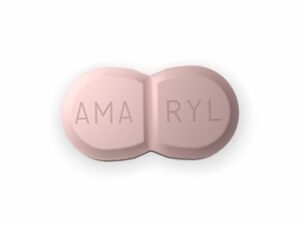
Glimepiride (Oral Medicine) — Patient-Friendly Guide for Australia
Glimepiride is an oral medicine used to treat type 2 diabetes. It helps lower blood glucose levels and is often prescribed when lifestyle changes and other diabetes medicines are not enough. This guide explains how glimepiride works, when it is taken, what to watch for, and how it fits into diabetes care in Australia.
Always follow the instructions provided by your healthcare professional and the medicine label. The information below is general and designed to help you understand your treatment.
Basic product information
| Category | Details |
|---|---|
| Medicine name | Glimepiride |
| Medicine type | Oral blood glucose–lowering medicine (sulfonylurea) |
| Common form | Tablet |
| How it’s used | Helps the pancreas release insulin, improving blood sugar control |
| Who it’s for | Typically adults with type 2 diabetes |
| Key safety watch-outs | Low blood sugar (hypoglycaemia), interactions with some medicines and alcohol |
How glimepiride works (mechanism of action)
Glimepiride belongs to the sulfonylurea group. It mainly works by:
- Stimulating insulin release from the pancreas when blood glucose levels are elevated.
- Improving insulin effectiveness in body tissues to a smaller extent.
Because it increases insulin release, the main risk is hypoglycaemia, particularly if meals are skipped, if the dose is too high for an individual, or if combined with other glucose-lowering medicines.
Pharmacokinetics (what the body does with it)
Pharmacokinetics describes how glimepiride is absorbed, distributed, metabolised, and eliminated. While exact values can vary by person, the key practical points are:
- Absorption: Glimepiride is absorbed after oral dosing, with peak levels typically occurring a few hours after taking a tablet.
- Metabolism: It is processed primarily in the liver.
- Elimination: Metabolites are eliminated mainly via urine and faeces.
- Duration of effect: Its glucose-lowering action lasts long enough that many people take it once daily, often with breakfast or the first main meal.
If your kidney or liver function is reduced, medicine handling may change. Your prescriber may adjust treatment and monitor you more closely.
Typical use in diabetes care
Glimepiride is used for type 2 diabetes mellitus to improve blood glucose control. It may be used:
- As monotherapy (when a single medicine is appropriate), or
- In combination with other glucose-lowering treatments such as metformin or insulin, depending on individual circumstances.
The goal of treatment is to reduce symptoms of high blood glucose and improve long-term outcomes by keeping levels within target ranges. Blood sugar targets differ between individuals, so always follow your care plan.
Indications (when glimepiride is used)
In Australia, glimepiride is generally indicated for adults with type 2 diabetes where the pancreas can still produce insulin. It is not used for type 1 diabetes, and it is not intended for diabetic ketoacidosis.
Your healthcare professional will consider your diabetes history, recent blood glucose results, kidney function, other medicines you take, and your risk of hypoglycaemia before starting or adjusting therapy.
Timing and how to take glimepiride
Glimepiride is commonly taken once daily, typically with breakfast or the first main meal of the day. Taking it with food helps reduce the risk of low blood sugar.
When to take it
- Best timing: With breakfast or your first substantial meal.
- Regular schedule: Try to take it at about the same time each day.
If you miss a dose
- If you remember soon after your usual time, follow the medicine label or prescriber’s advice.
- If it is close to the next dose, skip the missed dose and take the next one at the usual time.
- Do not double up to make up for a missed dose.
If you are unsure what to do, check the product information or speak to your pharmacist.
Dosing: starting and adjusting
Dosing is individualised based on blood glucose results, other diabetes medications, age, kidney function, and hypoglycaemia risk. Your prescriber will typically start with the lowest appropriate dose and adjust gradually.
- Typical starting approach: Start low and titrate based on glucose monitoring.
- Adjustments: Dose changes may occur every 1–2 weeks or as directed, depending on response and side effects.
- Maximum daily dose: This depends on the specific formulation and local product guidance; follow the label/instructions provided.
Always use the strength on your tablet label. If you have questions about your dose, ask a pharmacist.
Food interactions and meal planning
Food is important with glimepiride because the medicine can lower blood glucose by stimulating insulin release. The highest risk of hypoglycaemia occurs when meals are skipped or delayed.
What to do
- Take with meals: Take glimepiride with breakfast or the first main meal.
- Don’t skip meals: Regular eating helps balance glucose-lowering effects.
- Plan around exercise: If you exercise more than usual, you may need dietary adjustments to reduce hypoglycaemia risk.
Does glimepiride “need” food?
In practice, yes—most people are advised to take it with food to reduce the risk of low blood sugar. Follow your clinician’s directions and the product label for your specific prescription/supply.
Alcohol and medicine interactions
Alcohol
Alcohol can increase the risk of hypoglycaemia, particularly if you drink without eating or if alcohol is taken in larger amounts. It can also worsen diabetes control.
- Avoid binge drinking.
- If you choose to drink, consider having food and monitor your blood glucose as directed by your diabetes plan.
Common interaction themes
Glucose-lowering medicines can interact with drugs that affect blood sugar levels or liver metabolism. Some interactions increase hypoglycaemia risk, while others may reduce effectiveness.
Examples of medicines that may interact
- Other glucose-lowering medicines (e.g., insulin, metformin, and some combination therapies): may increase hypoglycaemia risk.
- Medicines that affect liver enzymes (CYP-related pathways): may alter glimepiride levels.
- Medicines that may affect appetite, nutrition, or meal timing: indirectly influence hypoglycaemia risk.
- Beta-blockers and some cardiovascular medicines: may mask some warning signs of hypoglycaemia.
This is not an exhaustive list. If you start, stop, or change any medicine (including herbal products), ask your pharmacist to check for interactions.
Safety profile and side effects
Most important risk: hypoglycaemia
Hypoglycaemia (low blood glucose) is the key serious risk with sulfonylureas, including glimepiride. It can occur if:
- Meals are missed or delayed
- Dose is too high
- You take other glucose-lowering medicines
- You drink alcohol
- You have reduced kidney function
- You have increased physical activity without adjusting food
Symptoms can include sweating, shaking, hunger, dizziness, headache, palpitations, irritability, confusion, or weakness. In some people, especially those taking certain heart medicines, warning symptoms may be less noticeable.
What to do if you have low blood sugar
- Check your blood glucose if possible.
- Take fast-acting carbohydrate (for example glucose tablets or sugary drink), then follow with a snack or meal if advised by your diabetes plan.
- If you become severely drowsy, confused, have seizures, or cannot swallow safely, seek urgent medical help.
Other possible side effects
- Nausea or stomach discomfort (usually mild and transient)
- Weight gain (common with insulin-releasing agents)
- Dizziness or weakness (may be related to blood sugar changes)
Rare but serious side effects
These can include blood count abnormalities, liver problems, or severe allergic reactions. Seek urgent medical care for symptoms such as rash, swelling of the face/lips, difficulty breathing, or yellowing of the eyes/skin.
Practical use tips for day-to-day success
- Monitor your glucose: Use your diabetes monitoring plan (finger-prick and/or continuous glucose monitoring if prescribed) to guide whether targets are being met and to detect lows.
- Keep consistent meal timing: Especially on workdays and weekends. Plan snacks if you tend to get delayed meals.
- Carry fast sugar: Keep glucose tablets or a quick sugar source available, particularly if you drive or work outdoors.
- Know your “low” signs: Train yourself and your family to recognise symptoms early.
- Be cautious with exercise: If you change activity level, adjust food/monitor glucose as advised.
- Review your medicines regularly: Some new medications can increase hypoglycaemia risk or affect glucose control.
- Stay hydrated: Dehydration can worsen blood sugar management and overall wellbeing.
How glimepiride fits with other diabetes medicines
Glimepiride may be combined with other treatments. The combination can improve glucose control, but it also may increase hypoglycaemia risk. If you are starting glimepiride while taking other diabetes medicines, your clinician will usually adjust doses and advise extra monitoring.
Common combination patterns include:
- With metformin: Often used when metformin alone is insufficient.
- With insulin: Sometimes used in selected cases to improve insulin coverage, but requires careful monitoring to reduce lows.
Alternative options (other treatments for type 2 diabetes)
If glimepiride is not suitable or is not controlling diabetes effectively, there are several other medication options in Australia. Treatment selection depends on your goals, kidney function, weight considerations, heart risk, and hypoglycaemia risk.
Common alternative medication groups
- Metformin (often first-line)
- DPP-4 inhibitors (lower blood glucose with a generally lower hypoglycaemia risk)
- GLP-1 receptor agonists (may support weight and cardiovascular benefits in suitable patients)
- SGLT2 inhibitors (help the kidneys remove glucose; benefits may include heart and kidney protection for selected people)
- Other sulfonylureas (similar class; different dosing profiles and side-effect risks)
- Insulin (effective for many people, especially with advanced disease or high glucose levels)
A healthcare professional can help you decide the most appropriate option based on your individual health status and blood glucose pattern.
Market and legal context for Australia
In Australia, medicines are regulated by the Therapeutic Goods Administration (TGA). Medicines are supplied under rules designed to ensure quality, safety, and appropriate use.
Diabetes medicines like glimepiride are widely used; availability and brand offerings may vary by supplier and state. Your local pharmacy can confirm product details such as tablet strength and expiry dating.
For online purchasing, reputable sellers provide clear information about product strengths, batch/expiry details, and delivery timeframes. Always confirm you are receiving the exact medicine and strength you intended.
Recent guidance and monitoring priorities (general)
Diabetes care guidelines continue to emphasise:
- Individual targets for HbA1c and glucose outcomes
- Minimising hypoglycaemia risk—especially in older adults or those with kidney impairment
- Ongoing monitoring including HbA1c, kidney function, and cardiovascular risk factors
- Shared decision-making when choosing therapies, considering benefits, side effects, and patient preferences
- Lifestyle support (nutrition, physical activity, weight management, and education)
If you are experiencing frequent low blood sugar or side effects, discuss adjusting your treatment plan. Sometimes small dose changes or timing adjustments can help.
Delivery and availability (online pharmacy information)
Availability can vary depending on stock levels and tablet strengths. Many Australian pharmacies offer:
- Home delivery with tracking options
- Secure packaging to protect tablets during transit
- Expiry and batch checks prior to dispatch
Delivery times vary by location and courier service. When placing your order, review estimated delivery windows and any conditions for remote or regional areas.
If you need the medicine urgently due to an ongoing dosing schedule, choose a seller that clearly states dispatch time and offers options for faster delivery where available.
FAQ
1) What is glimepiride used for?
Glimepiride is used to help manage type 2 diabetes by lowering blood glucose levels. It works by stimulating insulin release from the pancreas when glucose is high.
2) When should I take glimepiride?
It is commonly taken once daily with breakfast or your first main meal. Taking it with food helps lower the risk of hypoglycaemia.
3) What if I forget to take a dose?
Follow the instructions on the medicine label or from your pharmacist/doctor. In general, if you remember soon you may take it, but if it is near the next dose you typically skip the missed dose. Do not double the dose.
4) Can I drink alcohol while taking glimepiride?
Alcohol can increase the risk of low blood sugar, especially if you drink without eating. If you choose to drink, do so cautiously and consider having food and monitoring your glucose.
5) What are the signs of low blood sugar?
Common symptoms include sweating, shaking, hunger, dizziness, headache, palpitations, confusion, and weakness. If you feel unwell, check your glucose if possible and treat promptly.
6) What should I do if I get frequent hypos?
Contact your healthcare professional. Frequent hypoglycaemia may mean your dose is too high or you need adjustments to diet, timing, or combination therapy.
7) Can glimepiride be taken with other diabetes medicines?
Yes, it may be combined in some treatment plans. However, combination therapy can increase hypoglycaemia risk, so careful monitoring and dose adjustments are important.
8) Are there weight changes with glimepiride?
Some people experience weight gain with medicines that increase insulin release. Maintaining a balanced diet and regular activity can help manage weight.
9) Who should be extra careful with glimepiride?
Extra caution is often needed for people with kidney problems, older adults, those with irregular eating patterns, and those who take multiple glucose-lowering medicines.
10) Is glimepiride suitable for everyone with diabetes?
Glimepiride is generally for type 2 diabetes where insulin production is still present. It is not used for type 1 diabetes and is not suitable for all patients. Your healthcare professional will guide suitability.
Need more help? If you have questions about taking glimepiride, managing food and hypoglycaemia risk, or checking medicine interactions, speak with your pharmacist. They can help you understand your specific medicine schedule and safety plan.