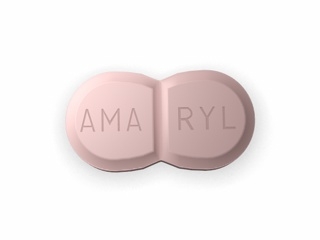

Amaryl (Glimepiride) – Patient Guide (Australia)
Amaryl is a medicine that contains glimepiride, a type of medicine used to help control blood glucose levels in people with type 2 diabetes. This guide explains how it works, how to take it safely, what to expect, and how it interacts with food, alcohol, and other medicines. Information is written for patient understanding and does not replace advice from your healthcare professional.
Quick overview
- Brand name: Amaryl
- Active ingredient: Glimepiride
- Medicine type: Sulfonylurea (blood-sugar lowering medicine)
- Common use: Management of type 2 diabetes (often alongside diet, exercise, and sometimes other medicines)
- Main benefit: Helps lower blood glucose by increasing insulin release
- Key risk: Hypoglycaemia (low blood sugar), especially if meals are missed or doses are too high
What is Amaryl and what is it used for?
Amaryl (glimepiride) is used to improve blood sugar control in adults with type 2 diabetes when diet, physical activity, and (where appropriate) other glucose-lowering therapies are not sufficient.
It may be used:
- As monotherapy (one medicine) in some people
- In combination with other glucose-lowering medicines, depending on individual needs and blood glucose levels
- In some treatment plans, together with metformin or other therapies when targets are not reached
Indications (when it may be appropriate):
- Type 2 diabetes mellitus to reduce blood glucose
- Support in overall diabetes management, including lifestyle measures
How Amaryl works (mechanism of action)
Glimepiride belongs to the sulfonylurea group. It works mainly by stimulating the pancreas to release insulin.
- Glimepiride binds to specific receptors on pancreatic beta cells.
- This helps close potassium channels in these cells.
- As a result, insulin release increases, which lowers blood glucose.
Important: Because it increases insulin release, Amaryl can sometimes cause hypoglycaemia, especially if you eat less than usual, skip meals, exercise more than expected, or take other glucose-lowering medicines.
Pharmacokinetics (how your body handles glimepiride)
Pharmacokinetics describes how the body absorbs, distributes, metabolises, and eliminates a medicine.
- Absorption: Glimepiride is absorbed after oral dosing. Taking it at the recommended time helps support consistent blood levels.
- Peak levels: Blood concentrations generally peak within a few hours after a dose.
- Distribution: The medicine distributes through the body and is highly bound to plasma proteins.
- Metabolism: It is metabolised primarily in the liver.
- Elimination: Metabolites are cleared mainly via the kidneys and partly through bile.
- Duration of effect: Its action can last into the next day, which is why dosing schedules are typically once daily (depending on dose and your clinician’s plan).
Practical meaning: Consistent daily dosing and regular meal patterns can reduce the risk of blood sugar swings.
Typical timing: when to take Amaryl
Amaryl is usually taken once daily with a meal. Many people take it with the first main meal of the day. However, your dosing schedule may differ based on your blood glucose results and your healthcare professional’s advice.
General timing tips:
- Take with food (commonly at breakfast or the first main meal).
- Try to take it at the same time each day.
- If you miss a meal or are going to eat much less than usual, ask your healthcare professional about what to do with your dose.
- Do not double up doses to make up for a missed dose.
Food interactions and meal guidance
The most important food-related issue with glimepiride is its link to meal timing and carbohydrate intake.
- Taking with a meal helps reduce the risk of hypoglycaemia.
- Skipping meals increases the risk of low blood sugar.
- Changing meal patterns (e.g., irregular eating, fasting, very low-carbohydrate days) can affect blood glucose control.
- Illness with reduced eating can increase the likelihood of hypoglycaemia.
Advice for stable control:
- Keep meals reasonably consistent.
- Follow the nutrition plan provided for your diabetes.
- Carry a fast-acting sugar source if you have experienced hypoglycaemia (your healthcare team can advise what to carry).
Alcohol interactions
Alcohol can affect blood glucose by changing liver glucose production and increasing the risk of hypoglycaemia—especially when combined with glucose-lowering medicines.
- Hypoglycaemia risk: Alcohol can increase the chance of low blood sugar.
- Impaired recognition: Alcohol can make it harder to notice early signs of hypoglycaemia.
- Food matters: Drinking alcohol with food may be safer than drinking on an empty stomach, but risk can still vary.
Patient-friendly recommendation: If you drink alcohol, do so carefully and monitor your blood glucose more closely. Discuss your alcohol habits with your healthcare professional for personalised guidance.
Medicine interactions (including common categories)
Glimepiride can interact with other medicines that change insulin sensitivity, insulin secretion, or metabolism. Some medicines can increase the risk of hypoglycaemia, while others can reduce glucose-lowering effects.
Always review your medicines (including over-the-counter products and herbal supplements) with your healthcare professional or pharmacist.
Examples of interaction themes
- Medicines that may increase hypoglycaemia risk (examples include some antibiotics, certain antifungals, and other glucose-lowering agents).
- Medicines that may reduce Amaryl effectiveness (examples include some corticosteroids and certain hormone therapies).
- Medicines affecting liver enzymes may alter glimepiride metabolism.
- Beta-blockers may mask some warning signs of hypoglycaemia (such as palpitations).
Special note: This is not a complete list. Interaction risk can depend on dose, timing, kidney and liver function, and individual response.
Dosing information (general guidance)
Dose should be individualised based on your blood glucose levels, response, and tolerability. Your healthcare professional will determine the starting dose and any adjustments.
Common dosing approach (general):
- Start with a low dose and adjust gradually.
- Because glimepiride stimulates insulin release, titration helps reduce the risk of hypoglycaemia.
- Most people take it once daily with the day’s first main meal.
If you miss a dose
- Follow the advice provided by your healthcare professional.
- In general, do not take an extra dose to catch up.
- If you miss doses frequently or are unsure what to do, speak with your pharmacist for tailored instructions.
Overdose
Taking too much can lead to severe hypoglycaemia. If you suspect an overdose, seek urgent medical advice and monitor blood glucose if possible.
How to use Amaryl in practical day-to-day life
Successful diabetes management is more than medication. Here are practical tips to support safe and effective use of Amaryl.
- Take it consistently: Use a routine (e.g., with breakfast) so you don’t forget.
- Match it to your food: Avoid taking it without eating.
- Know hypoglycaemia symptoms: sweating, shaking, dizziness, hunger, headache, confusion, irritability, or weakness.
- Check blood glucose: Follow your monitoring plan, especially when starting or changing doses.
- Be cautious with exercise changes: Increased physical activity can lower glucose and increase hypoglycaemia risk.
- Plan for sick days: Illness can change appetite and glucose control. Ask your healthcare professional for “sick day” instructions.
When urgent care may be needed: If you have severe confusion, cannot swallow safely, lose consciousness, or cannot raise your blood sugar, seek emergency assistance immediately.
Safety profile: side effects and what to watch for
Like all medicines, Amaryl may cause side effects. Not everyone will experience them.
Common side effects
- Low blood sugar (hypoglycaemia): The main safety concern of sulfonylureas.
- Headache or mild dizziness may occur in some people.
- Nausea or stomach discomfort can occur, though this varies.
Serious side effects (seek urgent medical advice)
- Severe hypoglycaemia (e.g., confusion, inability to eat/drink, seizure, or loss of consciousness)
- Allergic reactions (e.g., swelling of the face/lips, difficulty breathing, rash)
- Signs of liver problems (e.g., yellowing of skin/eyes, dark urine) – report promptly
- Blood disorders (unusual bruising, persistent infections, severe fatigue) – report promptly
Who may be at higher risk of hypoglycaemia?
- Older adults
- People who skip meals or eat irregularly
- People with kidney impairment
- Those who are using other glucose-lowering medicines or insulin
- People who drink alcohol frequently or have reduced food intake
Ongoing monitoring: Keep regular appointments and report symptoms of low blood sugar or other side effects.
Special considerations (pregnancy, breastfeeding, kidney/liver health)
Diabetes management changes in pregnancy and breastfeeding. If you are pregnant, planning pregnancy, or breastfeeding, discuss the safest diabetes treatment options with your healthcare professional.
- Kidney impairment: Hypoglycaemia risk may be higher. Dose may need adjustment.
- Liver impairment: Glucose control and medicine metabolism may be affected.
- Older age: Start low and monitor closely.
This information is general. Your healthcare professional may recommend specific tests or monitoring based on your health status.
Alternative options to Amaryl (glimepiride)
There are multiple medication options for type 2 diabetes. Choice depends on your medical history, blood glucose patterns, weight considerations, kidney function, cardiovascular risk, cost, and side-effect preferences.
Common alternative medicine classes
- Metformin
- Other sulfonylureas (e.g., gliclazide, depending on what is appropriate)
- DPP-4 inhibitors
- SGLT2 inhibitors
- GLP-1 receptor agonists
- Insulin (including basal or basal-bolus regimens)
- Thiazolidinediones (selected cases)
Why alternatives may be considered: Some people choose alternatives to reduce hypoglycaemia risk, address weight goals, improve cardiovascular and kidney outcomes, or simplify treatment. Discuss options with your healthcare professional.
Amaryl in Australia: market and legal context
In Australia, medicines are regulated by the Therapeutic Goods Administration (TGA). Glimepiride products such as Amaryl are supplied in accordance with Australian medicines scheduling and governance.
For safe use, Australian healthcare services commonly emphasise:
- Appropriate selection of therapy based on individual risk factors
- Monitoring for hypoglycaemia and adjusting dose when required
- Using agreed treatment targets for HbA1c and blood glucose levels
Prescriber and pharmacist involvement: Your pharmacist can check medicines for interactions and help you understand how and when to take Amaryl safely.
Recent guidance and treatment considerations (overview)
Diabetes care in Australia is guided by evidence-based clinical practice recommendations. Over recent years, guidance has increasingly highlighted:
- Individualised selection of glucose-lowering medicines
- Reducing hypoglycaemia risk where possible
- Considering cardiovascular and kidney outcomes for appropriate patients
- Regular review of treatment effectiveness (e.g., HbA1c trends) and tolerability
Practical takeaway: If you are using a sulfonylurea like glimepiride, your treatment plan should be reviewed periodically—especially if you experience low blood sugar episodes or if glucose targets are not being met.
Delivery and availability in Australia
Availability can vary by pharmacy and supply chain. When offered by an online pharmacy, Amaryl may be supplied as tablets in different strengths, depending on what is currently available.
- Stock status: Online pharmacies typically display real-time availability.
- Delivery timeframes: These depend on your location (metropolitan vs regional) and courier schedules.
- Product packaging: Medicines are supplied in original manufacturer packaging with clear labelling.
- Storage: Store tablets as directed on the product label (commonly at room temperature away from moisture and heat).
Tip: If you need a specific tablet strength, check that the correct strength is listed and confirm with customer service if unsure.
FAQ – Amaryl (Glimepiride)
1) What is Amaryl used for?
Amaryl (glimepiride) is used to help manage type 2 diabetes by lowering blood glucose levels.
2) How does Amaryl lower my blood sugar?
Glimepiride increases insulin release from the pancreas, which helps reduce blood glucose.
3) When should I take Amaryl?
It is usually taken once daily with a meal, often with the first main meal of the day. Follow your individual schedule provided by your healthcare professional.
4) What happens if I miss a meal after taking Amaryl?
Skipping or delaying meals increases the risk of hypoglycaemia. If this happens, monitor your blood glucose and follow your healthcare professional’s advice. If you develop severe symptoms (confusion, inability to swallow), seek urgent medical help.
5) Can I drink alcohol while taking Amaryl?
Alcohol can increase the risk of hypoglycaemia. If you drink, do so cautiously and ideally with food. Discuss your alcohol intake with your healthcare professional.
6) What are the warning signs of low blood sugar?
Common signs include sweating, shaking, dizziness, hunger, headache, confusion, irritability, or weakness. Treat low blood sugar promptly according to your diabetes action plan.
7) Are there interactions with other diabetes medicines?
Yes. Using Amaryl with other glucose-lowering medicines can increase hypoglycaemia risk. Your pharmacist can check your full list of medicines for safety.
8) Does Amaryl affect driving or operating machinery?
It can if it causes low blood sugar. If you experience hypoglycaemia symptoms, avoid driving or dangerous activities until you are safe and stable.
9) What if I take other medicines for colds, pain, or infections?
Some medicines can change blood sugar levels or interact with glimepiride. Check with your pharmacist, especially for antibiotics, corticosteroids, or medicines that affect liver enzymes.
10) Can I stop Amaryl suddenly?
Do not stop without medical advice. Stopping can worsen blood glucose control. If you are considering changes, discuss them with your healthcare professional.
Medication information summary table
| Category | Details for Amaryl (Glimepiride) |
|---|---|
| Active ingredient | Glimepiride |
| Medicine class | Sulfonylurea |
| Used for | Type 2 diabetes to improve blood glucose |
| How it works | Stimulates insulin release from pancreatic beta cells |
| Typical dosing | Often once daily with the first main meal (individualised) |
| Key food interaction | Take with food; skipping meals increases hypoglycaemia risk |
| Key safety risk | Hypoglycaemia (low blood sugar) |
| Alcohol considerations | May increase hypoglycaemia risk; use caution and monitor |
Final tips for safe use
- Take Amaryl at the recommended time with your meal.
- Don’t skip meals; keep your diabetes nutrition plan as consistent as possible.
- Know the symptoms of hypoglycaemia and how to treat it.
- Tell your pharmacist about all medicines and supplements you use.
- Review your diabetes plan regularly, especially if glucose levels are not at target or if you experience side effects.
Disclaimer: This guide provides general information about Amaryl (glimepiride). Your dose, timing, and monitoring may be tailored to you. If you have questions about your specific situation, contact your pharmacist or healthcare professional.