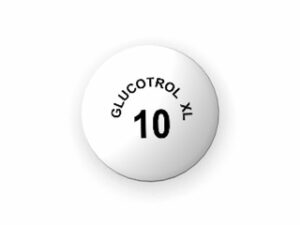
Glipizide (Diabetes Medicine) – Patient-Friendly Guide (Australia)
Glipizide is a diabetes medicine used to help manage blood sugar in adults with type 2 diabetes. It belongs to a group of medicines called sulfonylureas. Glipizide works by increasing insulin release from the pancreas, helping lower blood glucose levels.
This page provides practical, patient-friendly information about how glipizide works, when to take it, how food and alcohol can affect it, common safety considerations, and what to discuss with your healthcare professional.
1. Basic product information
| Feature | Details |
|---|---|
| Generic name | Glipizide |
| Drug class | Sulfonylurea (blood glucose–lowering medicine) |
| Common uses | Improving glycaemic control in type 2 diabetes |
| How it is taken | By mouth (tablets) |
| Key potential risk | Low blood sugar (hypoglycaemia), especially if meals are missed |
| Availability in Australia | Glipizide products may be available depending on supply and brand/formulation |
Brand names and tablet strengths can vary. Always check the package label for your specific product and strength.
2. How glipizide works (mechanism of action)
Glipizide lowers blood glucose mainly by stimulating the pancreas to release insulin. It does this by closing specific potassium channels in pancreatic beta cells, which enhances insulin secretion in response to blood glucose levels.
Key points:
- More insulin release helps reduce blood sugar after meals and during the day.
- Because glipizide increases insulin, it can sometimes lower blood sugar too much, especially when food intake is reduced.
- It is typically used for type 2 diabetes where the body can still make some insulin.
3. Pharmacokinetics (how the body handles the medicine)
Pharmacokinetics describe how glipizide is absorbed, distributed, metabolised, and eliminated. The exact values can vary by formulation and individual factors, but the overall pattern is well recognised.
Absorption
After an oral dose, glipizide is absorbed from the gastrointestinal tract. Taking glipizide with food can reduce stomach upset and may help reduce glucose swings in some people.
Onset and duration
Glipizide’s effect typically begins within a short period after dosing and helps lower blood glucose for several hours. Because schedules vary by regimen and dose, follow your medicine plan closely.
Metabolism and elimination
Glipizide is primarily metabolised by the liver and excreted as metabolites. Liver health and other medical conditions may influence how you respond and how long the medicine stays in your system.
If you have liver impairment or reduced kidney function, it is particularly important to discuss dose selection and monitoring with your healthcare professional.
4. Typical use and treatment goals
Glipizide is used to improve glycaemic control in adults with type 2 diabetes when lifestyle measures (diet, physical activity, weight management) and other treatments are not sufficient.
Treatment goals are typically guided by your overall diabetes management plan, including:
- HbA1c (long-term average blood glucose)
- Fasting and/or pre-meal glucose readings
- Post-meal (after eating) glucose patterns
- Minimising side effects, especially hypoglycaemia
Glipizide may be used alone or alongside other diabetes medicines, depending on your risk profile, current glucose levels, and treatment history.
5. When to take glipizide (timing)
Timing is crucial with sulfonylureas. Many people are advised to take glipizide before meals (often 30 minutes before). The exact timing for your prescribed regimen may differ. Always follow the instructions on your medicine label or the guidance given by your clinician.
Practical timing guidance
- Take it with the meals you intend to eat. Missing a meal increases the risk of low blood sugar.
- If you eat at unusual times or skip meals, speak to your healthcare professional about how to adjust dosing.
- If you miss a dose, don’t double up unless advised. Contact your clinician or pharmacist for guidance.
6. Food interactions (meals, carbohydrates, and absorption)
Glipizide’s main interaction with food is practical rather than “chemical.” Because it increases insulin release, it can become risky if food intake does not match the insulin effect.
What to do
- Try to eat regular meals and include carbohydrates as planned (unless your diabetes plan advises otherwise).
- If you are planning to reduce your meal size or delay eating, discuss the safest approach beforehand.
- If you have nausea, poor appetite, or are unwell, your blood sugar can behave unpredictably—monitor more often.
Signs of low blood sugar to watch for
Low blood sugar can happen if you take glipizide but do not eat enough, exercise unexpectedly, or combine with other glucose-lowering medicines.
- Sweating, shakiness, dizziness
- Hunger, weakness, headache
- Confusion, blurred vision
- Fast heartbeat, irritability
If you suspect hypoglycaemia, check your blood glucose if possible and follow your diabetes action plan.
7. Alcohol and medicine interactions
Alcohol can increase the risk of hypoglycaemia with sulfonylureas and can also worsen judgement about recognising early warning signs. It may also interact with your liver and overall metabolism.
General advice
- Limit alcohol and avoid binge drinking.
- Do not drink alcohol on an empty stomach.
- If you plan to drink, have food available and consider more frequent glucose monitoring.
- Be cautious with sugary mixers—these can cause glucose spikes, while alcohol itself can still drive glucose down later.
Ask your pharmacist or clinician for personalised guidance, especially if you have liver disease or kidney impairment.
8. Indications (who glipizide is for)
The primary indication of glipizide is the management of type 2 diabetes mellitus to improve blood sugar control.
It is not generally used for type 1 diabetes, because insulin release from the pancreas is not reliable in type 1 diabetes.
Your healthcare professional will consider:
- Current HbA1c and glucose patterns
- Existing diabetes medicines
- Risk factors for hypoglycaemia
- Kidney and liver function
- Age, nutrition stability, and meal routine
9. Dosing (general information)
Dosing depends on your individual response, age, kidney/liver function, and current diabetes regimen. Always use the exact dosing schedule provided for your specific product.
Typical starting and adjustment principles
- Treatment often starts at a low dose to reduce the risk of hypoglycaemia.
- Dose increases are usually made gradually based on blood glucose and HbA1c results.
- If you are elderly, underweight, or have irregular eating habits, clinicians may choose more conservative dosing.
When dose timing matters most
- Always coordinate your dose with your meal schedule.
- If you vomit, have poor intake, or are unable to eat, you may need guidance about holding or adjusting doses—contact your healthcare professional.
Do not change your dose without medical advice. Incorrect dosing can lead to either inadequate glucose control or increased risk of hypoglycaemia.
10. Safety profile (side effects and precautions)
Like all medicines, glipizide may cause side effects. Many people tolerate it well, but there are important safety considerations—especially regarding low blood sugar.
Common or important side effects
- Hypoglycaemia (low blood glucose): the most clinically significant risk.
- Dizziness, weakness, sweating, tremor (often signs of low blood sugar)
- Headache or nausea (may occur in some people)
- Weight gain can occur with insulin-secreting agents due to improved glucose availability
Serious or seek-help-now symptoms
Get urgent medical help if you experience severe confusion, fainting, seizures, or inability to treat low blood sugar. If someone else is affected, follow local emergency guidance immediately.
Precautions
- Older adults may be at higher risk of hypoglycaemia—closer monitoring may be needed.
- Kidney or liver impairment may change how the medicine is processed and increase risk.
- Some people may be more sensitive if they have poor nutrition, irregular meals, or other illnesses.
- Be careful when combining with other glucose-lowering medicines.
11. Practical use tips for safer daily management
These tips can help you use glipizide more safely and comfortably:
- Keep a consistent meal routine. If your lifestyle changes, ask your clinician whether your dosing needs adjustment.
- Monitor blood glucose as advised. Your clinician may recommend fasting and/or post-meal checks.
- Know the “15 g” rule (or your clinician’s plan) for treating mild low blood sugar, if suitable for you. Have fast-acting carbohydrates available (for example glucose tablets or sugary drinks).
- Carry identification (e.g., a diabetes card or medical alert) to inform others you take a sulfonylurea.
- Review medicines regularly. Some medicines can increase or decrease blood sugar and affect your overall risk.
- Be extra cautious during illness (“sick day” situations). Appetite may fall, but glucose control is still important. Ask your healthcare professional for specific sick-day instructions.
If you are planning surgery, dental procedures, or travel, contact your healthcare team for advice about glucose monitoring and medication timing.
12. Medicines and alcohol interactions (important examples)
Glipizide interacts with several medicines that can alter blood glucose levels or hypoglycaemia risk. Not every interaction applies to every patient, so always check with a pharmacist.
Other diabetes medicines
- Combining glipizide with other glucose-lowering agents can increase hypoglycaemia risk.
- Insulin and some other diabetes medicines may require dose adjustments and careful monitoring.
Common medicines that may affect glucose control
The list below is not exhaustive. Examples of medicine categories that may influence glucose include:
- Some antibiotics that may affect metabolism or appetite (risk can vary by agent)
- Non-steroidal anti-inflammatory drugs (NSAIDs) (in some situations)
- Corticosteroids, which may increase blood glucose and reduce glipizide effectiveness
- Beta-blockers, which can mask some hypoglycaemia symptoms (such as fast heartbeat)
- Other liver-metabolised medicines that can alter glipizide levels
Always tell your pharmacist about every medicine you take, including: prescription medicines, over-the-counter medicines, vitamins, herbal products, and supplements.
13. Alternative options (if glipizide isn’t suitable)
If glipizide is not appropriate—because of side effects, risk of hypoglycaemia, insufficient glucose lowering, or other factors—there are other treatment options for type 2 diabetes. Choice depends on your individual needs.
Possible alternatives (medicine classes)
- Metformin (often first-line in many care pathways)
- DPP-4 inhibitors (often lower hypoglycaemia risk compared with sulfonylureas)
- GLP-1 receptor agonists (injectable options; may support weight goals)
- SGLT2 inhibitors (oral options; may offer cardiovascular and kidney benefits in suitable patients)
- Thiazolidinediones (selected cases)
- Insulin therapy if needed for adequate control
- Other sulfonylureas (in some cases, but the hypoglycaemia risk remains a consideration)
If you want to discuss alternatives, ask about suitability based on your HbA1c target, other health conditions, and your risk of low blood sugar.
14. Market and legal context for Australia
In Australia, access to prescription medicines is regulated under state and federal requirements, and medicines are dispensed through licensed pharmacies. Availability of specific brands, strengths, and formulations can vary due to supply arrangements.
Guidance on diabetes management is influenced by Australian and international standards of care, including the importance of individualised treatment targets and monitoring for side effects such as hypoglycaemia.
If you are sourcing diabetes medicines online, ensure you use an Australian-compliant online pharmacy. Verify that the website provides legitimate pharmacy details, safe ordering processes, and clear product information.
15. Recent guidance and care considerations
Diabetes care guidance continues to emphasise:
- Individualised treatment targets based on age, comorbidities, and hypoglycaemia risk
- Preferential use of medicines with lower hypoglycaemia risk in many people, particularly where meal patterns are unpredictable or risks are higher
- Ongoing monitoring with HbA1c checks and practical glucose monitoring when needed
- Comprehensive care including blood pressure, cholesterol management, smoking cessation, physical activity, and nutrition counselling
If you have been on glipizide for a while, you may still benefit—however, your clinician may periodically review your regimen to balance effectiveness with safety and tolerability.
16. Delivery and availability (online pharmacy)
Delivery times and availability can depend on stock levels, courier service regions, and dispensing processes. Online pharmacies typically require:
- Confirming the correct product and strength for your needs
- Careful verification at checkout (including medication details)
- Dispatch once the order is processed
For the most accurate information, check the product listing and shipping details on the website you’re using. If glipizide is temporarily unavailable, some pharmacies may offer alternatives or notify you when restocked.
17. FAQ about glipizide
How quickly does glipizide work?
Many people notice glucose-lowering effects within the same day after dosing. The full benefit is evaluated using blood glucose readings and HbA1c over weeks. Your individual response may differ.
Should I take glipizide with food?
Many regimens are recommended before meals. In general, taking it in line with your meal plan is important to reduce the risk of hypoglycaemia. Always follow the instructions on your label or from your healthcare professional.
What should I do if I miss a dose?
Don’t double up. Because dosing schedules can differ, it’s best to check your medicine instructions or ask your pharmacist for advice. Keep your meal plan in mind for future doses.
Can glipizide cause low blood sugar?
Yes. Hypoglycaemia is one of the key risks of sulfonylureas like glipizide, especially if you miss meals, eat less than usual, drink alcohol, or combine with other glucose-lowering medicines.
What are the early signs of hypoglycaemia?
Common early signs include sweating, shakiness, dizziness, hunger, weakness, headache, and confusion. If you take medicines such as beta-blockers, some symptoms may be less noticeable—monitoring becomes even more important.
Is it safe to drink alcohol while taking glipizide?
Alcohol can increase the risk of hypoglycaemia. If you drink, do so cautiously—avoid drinking on an empty stomach and consider extra glucose monitoring. Discuss your situation with your healthcare professional, especially if you have liver disease.
Can I take other medicines at the same time?
Many medicines can be taken together, but some can affect glucose levels or glipizide metabolism. Tell your pharmacist about everything you take (including non-prescription medicines and herbal products) before starting new treatments.
Who should take special care with glipizide?
People at higher risk of hypoglycaemia (for example, older adults, those with kidney impairment, those who skip meals, or those with poor nutrition) may need extra caution, closer glucose monitoring, and potentially dose adjustments.
What if I become unwell or can’t eat?
During illness, appetite and glucose levels can change. Contact your healthcare professional for sick-day guidance. If you’re unable to eat, your clinician may advise holding or adjusting diabetes medicines to reduce hypoglycaemia risk.
Are there alternatives to glipizide?
Yes. Other diabetes medicines may be suitable depending on your health and treatment goals, including metformin, DPP-4 inhibitors, GLP-1 receptor agonists, and SGLT2 inhibitors. Discuss options with your clinician.
18. Key takeaways
- Glipizide is a sulfonylurea used to improve blood sugar control in type 2 diabetes.
- It works by stimulating insulin release, which can cause hypoglycaemia.
- Take glipizide in line with your meal schedule and monitor glucose as advised.
- Be cautious with alcohol and discuss any new medicines with your pharmacist.
- Your regimen may be reviewed over time to balance effectiveness, comfort, and safety.
Always follow the specific instructions provided with your medicine and seek personalised advice for your diabetes care. If you experience severe symptoms or signs of significant low blood sugar, seek urgent medical assistance.