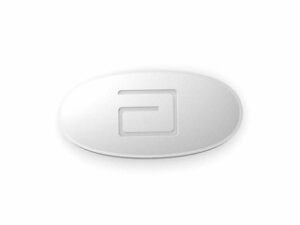
Zetia (Ezetimibe) – Patient-Friendly Guide (Australia)
Zetia is a cholesterol-lowering medicine containing ezetimibe. It helps reduce the amount of cholesterol absorbed in the small intestine. Zetia is commonly used alongside diet and, in many cases, alongside other cholesterol medicines to help manage high cholesterol levels and reduce cardiovascular risk.
This guide is written to help you understand how Zetia works, how it is typically taken, what to expect, and what to consider for safety and interactions. It does not replace medical advice from your doctor or pharmacist.
Key product information
| Item | Details |
|---|---|
| Medicine name | Zetia |
| Active ingredient | Ezetimibe |
| Medicine type | Cholesterol absorption inhibitor |
| Common use | Helps lower LDL (“bad”) cholesterol; often used with other lipid-lowering therapies |
| How it is taken | Usually once daily by mouth |
| Diet and lifestyle | Most effective alongside diet, exercise, and cholesterol-lowering lifestyle changes |
How Zetia works (mechanism of action)
Zetia (ezetimibe) reduces cholesterol levels by targeting cholesterol absorption in the intestine. Specifically, it blocks the NPC1L1 transporter (Niemann–Pick C1-Like 1), which is involved in the uptake of cholesterol from the small intestine.
Because less cholesterol is absorbed from the gut, the liver takes up more cholesterol from the blood, helping to lower circulating levels of LDL cholesterol and total cholesterol.
What Zetia can help with
- Lowering LDL (“bad”) cholesterol
- Reducing total cholesterol
- Improving lipid profiles when used with other therapies (for example, statins or bile-acid sequestrants)
- Sometimes helping in situations where statins are not suitable or not tolerated
Pharmacokinetics (how your body handles it)
After you swallow Zetia, it is absorbed and then converted in the body to its active form. The active metabolite is the main compound that exerts the cholesterol-lowering effect.
Absorption and conversion
- Ezetimibe is absorbed from the gastrointestinal tract.
- It undergoes glucuronidation in the liver and gut wall, forming an active metabolite.
- Peak blood levels typically occur within a few hours after dosing (timing may vary between individuals).
Distribution and elimination
- The active forms are present in blood and help reduce cholesterol absorption.
- Excretion occurs mainly via the bile and faeces pathway.
- Only a small proportion is excreted through the kidneys.
Practical takeaway: taking Zetia once daily helps maintain ongoing cholesterol absorption inhibition throughout the day.
Typical uses in Australia
Zetia is used as part of a cholesterol management plan. Your doctor may recommend Zetia for different reasons depending on your lipid levels, cardiovascular risk, and personal treatment history.
Common indications
- Primary hypercholesterolaemia (high LDL cholesterol), including familial forms
- Mixed dyslipidaemia (high LDL and/or other lipid abnormalities)
- Homozygous familial hypercholesterolaemia (where cholesterol is very high despite other treatments)
- Adjunct therapy to lower LDL further when used with other lipid-lowering medicines (such as statins, when appropriate)
Whether Zetia is used alone or in combination depends on your lipid results and treatment goals. Your healthcare professional will tailor the best plan for you.
How to take Zetia: dosing and timing
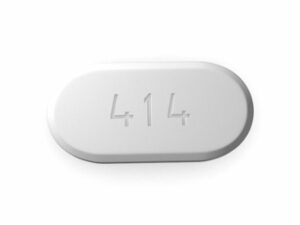
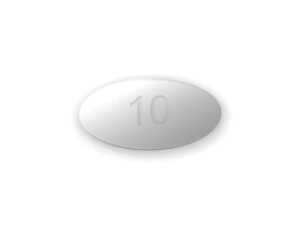
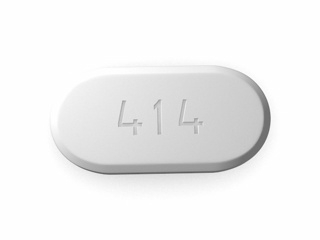
Zetia is commonly taken as a once-daily oral tablet. Many people are prescribed 10 mg once daily.
Timing: day or night?
Zetia can generally be taken at any time of day. Choose a time you can remember, and try to take it consistently. Many people prefer taking it with a daily routine (for example, with breakfast or dinner), but it is not essential to take it with food.
If you miss a dose
- If you miss a dose, take it when you remember unless it is close to the time of your next dose.
- Do not take a double dose to make up for a missed tablet.
- If you’re unsure, ask your pharmacist for advice.
How long does it take to work?
Lipid changes can be seen within weeks. Your clinician may check your cholesterol levels periodically to confirm response and decide whether to adjust treatment.
Food interactions and eating with Zetia
Zetia can usually be taken with or without food. This flexibility helps many patients fit the medicine into daily life.
Alcohol and food
There are no specific food “must avoid” lists for Zetia in the way some medicines require. However, alcohol can affect overall cardiovascular risk and may influence liver health in some people, especially when combined with other lipid-lowering medicines.
If you drink alcohol regularly, discuss your typical intake with your healthcare professional. They can advise based on your medical history and other medicines.
Alcohol and medicine interactions
Zetia can be used with many other medicines, but interactions depend heavily on your full medication list. Alcohol itself does not directly “block” ezetimibe in the way some drugs do, but alcohol can interact with liver metabolism and can worsen certain conditions.
Consider extra caution if you also take:
- Statins (common combination): This is a frequent use-case, but it may increase the risk of muscle-related side effects and sometimes liver enzyme changes. Seek advice if you experience symptoms (see “Safety profile”).
- Cholestyramine or other bile-acid binding agents: these can affect absorption of some medicines. Your pharmacist may recommend spacing doses to avoid reduced effectiveness.
- Certain cholesterol-lowering therapies or medications affecting bile transport: your pharmacist can check suitability.
- Anticoagulants (blood thinners), especially warfarin: medicine changes should be monitored closely. If you are on warfarin, your doctor may want more frequent INR checks when starting or changing doses.
Alcohol tip: If you notice unusual bruising, bleeding, dark urine, severe fatigue, or yellowing of the skin/eyes, seek prompt medical advice—particularly if you drink alcohol or are on combination lipid therapy.
Safety profile: what to watch for
Most people tolerate Zetia well. However, like all medicines, it can cause side effects in some individuals. Always stop and seek medical advice urgently if you have signs of a serious reaction.
Common side effects (may occur)
- Headache
- Abdominal discomfort, nausea, diarrhoea
- Fatigue
- Muscle-related symptoms (especially when combined with a statin)
Serious side effects (seek medical advice promptly)
- Allergic reaction (swelling of the face/lips, rash, breathing difficulties)
- Unexplained muscle pain, tenderness, weakness—particularly if severe or accompanied by fever
- Liver-related symptoms: yellowing of eyes/skin, dark urine, significant persistent nausea/vomiting, severe upper abdominal pain, or unusual tiredness
If Zetia is used with a statin, your risk of muscle and liver-related issues is more closely related to the combined regimen. Report symptoms early so your clinician can review your treatment safely.
Who should be extra careful?
- People with liver disease or a history of liver enzyme elevations
- People taking multiple lipid-lowering medicines (for example statin combinations)
- Older adults (monitoring is still individual—many older people take ezetimibe safely)
- Anyone who has previously had medication allergies
Practical use tips for day-to-day success
- Make it routine: take Zetia at the same time each day to reduce missed doses.
- Keep diet and exercise on track: Zetia works best when combined with a heart-healthy lifestyle.
- Don’t ignore symptoms: tell your doctor/pharmacist about new muscle pain, weakness, rash, or liver-related symptoms.
- Check your medication list: especially if you start new medicines (including over-the-counter products and supplements).
- Use lab tests as planned: if you’re on combination therapy, your clinician may monitor cholesterol and sometimes liver/muscle-related safety tests.
If you have questions about adherence, side effects, or timing with other medicines, your pharmacist is often the fastest and most accessible point of care.
Alternative options to Zetia
Depending on your lipid profile and health history, your clinician may recommend different approaches. Alternatives may include other medicines, combination strategies, or lifestyle-only plans.
Medication alternatives (examples)
- Statins (for example atorvastatin, rosuvastatin, simvastatin): lower cholesterol production in the liver.
- Bile-acid sequestrants (for example cholestyramine): bind bile acids in the gut to reduce cholesterol.
- PCSK9 inhibitors (in suitable patients): injectable medicines that significantly lower LDL.
- Fibrates (for triglycerides): mainly target high triglycerides.
- Omega-3 fatty acids (for specific triglyceride targets): may be recommended in select cases.
Some people cannot tolerate certain drugs, while others need stronger LDL lowering than one agent can provide. Your healthcare professional can discuss the best option(s) for your personal risk and goals.
Market and legal context in Australia
In Australia, medicines are regulated under the Therapeutic Goods Administration (TGA) framework. The availability of medicines can depend on how they are scheduled and approved for use.
In general, cholesterol-lowering medicines including ezetimibe are provided within established prescribing and supply systems. Your pharmacist can confirm suitability, supply options, and any requirements for documentation when relevant.
Recent guidance and clinical practice (high-level)
Australian cholesterol management commonly aligns with evidence-based guidelines that emphasise:
- Assessing cardiovascular risk and setting LDL reduction targets
- Using statins as foundational therapy for many patients
- Adding non-statin options (including ezetimibe) to achieve LDL goals when needed
- Monitoring for side effects and maintaining lifestyle measures
If you are considering changing your regimen, do so with professional guidance so that targets and safety monitoring remain appropriate.
Delivery and availability (online pharmacy)
Online pharmacies in Australia may offer delivery within Australia depending on the service provider and product availability. Availability can vary by strength and pack size.
What you can expect
- Product verification: reputable pharmacies should verify your order details and ensure correct dispensing.
- Delivery times: delivery estimates typically depend on your location and courier schedules.
- Packaging: medicines should be delivered in appropriate protective packaging.
- Storage advice: follow the storage instructions on the product label and carton.
Before ordering, check the listing for stock status, delivery regions, and any shipping cutoff times. If the item is temporarily out of stock, ask whether alternatives or restock dates are available.
Important precautions
- Keep using the medicine as advised: cholesterol-lowering medicines work over time; stopping suddenly can lead to lipid levels rising again.
- Tell your clinician about your conditions: liver disease, kidney problems, and muscle disorders may affect monitoring decisions.
- Use caution with new medications: including antibiotics, antifungals, supplements, and herbal products.
- Pregnancy and breastfeeding considerations: discuss with your healthcare professional if relevant to you.
FAQ – Zetia (Ezetimibe)
1) What is Zetia used for?
Zetia is used to lower cholesterol, particularly LDL (“bad”) cholesterol. It is used for conditions such as primary hypercholesterolaemia and mixed dyslipidaemia, and it may be used in combination with other cholesterol medicines to reach treatment targets.
2) How does Zetia lower cholesterol?
Zetia blocks the NPC1L1 transporter in the small intestine, reducing cholesterol absorption. This helps the liver remove more cholesterol from the bloodstream.
3) How long does it take to start working?
Many people see cholesterol improvements within a few weeks. Your clinician will usually check lipid levels periodically to measure your response.
4) Can I take Zetia with food?
Yes. Zetia is generally taken with or without food, whichever is easier for you.
5) Should I take Zetia at the same time every day?
Consistency helps adherence. Taking it at a similar time each day is recommended, but there is no strict requirement for morning vs night.
6) Does alcohol affect Zetia?
Alcohol does not usually have a direct interaction with ezetimibe, but alcohol can affect liver health and overall cardiovascular risk. If you drink alcohol regularly, discuss your intake with your healthcare professional—especially if you also take a statin or other medicines that affect the liver.
7) What interactions should I be aware of?
Interactions depend on your medicines. Common considerations include: statins (often used together), bile-acid binding agents (may require dose spacing), and anticoagulants such as warfarin (may require monitoring). Always review your full list with a pharmacist.
8) What side effects are most common?
Commonly reported side effects include headache, abdominal discomfort, and sometimes diarrhoea or fatigue. If you experience muscle pain or symptoms suggestive of liver issues, seek medical advice promptly.
9) Is Zetia a statin?
No. Zetia works by reducing intestinal cholesterol absorption. Statins reduce cholesterol production in the liver. They may be used together depending on your treatment plan.
10) What should I do if I miss a dose?
Take it when you remember unless it is nearly time for your next dose. Do not take a double dose. If unsure, ask your pharmacist for advice.
11) Are there lifestyle changes I should do alongside Zetia?
Yes. A heart-healthy diet, regular physical activity, and avoiding smoking are important. Lifestyle changes can improve cholesterol further and support long-term cardiovascular health.
12) Can I stop Zetia when my cholesterol improves?
Cholesterol medicines are often used long-term to maintain lipid control. Stopping can lead to cholesterol levels rising again. Discuss any changes with your healthcare professional.
13) How should Zetia be stored?
Store according to the label and carton instructions (often at room temperature, away from excessive heat and moisture). Keep tablets in their original packaging until use.
Summary
Zetia (ezetimibe) is a cholesterol absorption inhibitor that helps lower LDL cholesterol by blocking intestinal cholesterol uptake. It is commonly used as part of a broader cholesterol management plan and may be taken alone or combined with other lipid-lowering therapies. For best results, take it consistently, maintain heart-healthy lifestyle measures, and seek medical advice if you experience concerning symptoms.