Ezetimibe: Patient-Friendly Guide (Australia)
Ezetimibe is a cholesterol-lowering medicine used to help reduce levels of LDL cholesterol (“bad cholesterol”). It is commonly prescribed when diet and lifestyle changes alone are not enough, or when additional cholesterol lowering is needed alongside other lipid-lowering therapy.
This guide explains how ezetimibe works, how it is used, what to expect, and important safety and interaction information for people in Australia. It is written in clear, patient-friendly language and aims to help you understand your medicine and use it safely.
Basic product information
Generic name: Ezetimibe
Common brand names: Varies by manufacturer (availability may differ).
Medicine type: Cholesterol absorption inhibitor (inhibits intestinal cholesterol uptake).
How it’s taken: Usually by mouth, once daily.
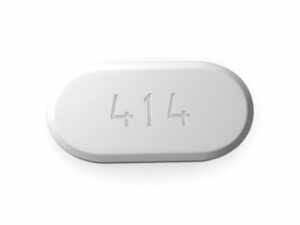
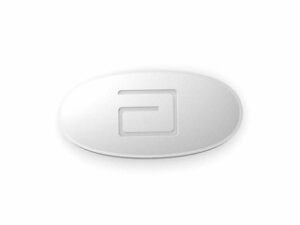
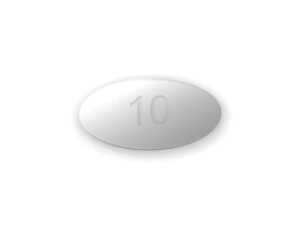
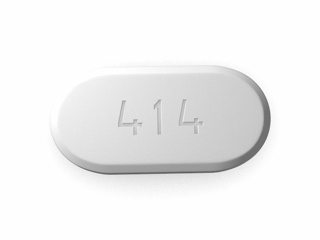
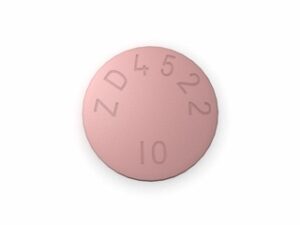
Typical form: Tablets (dose strength depends on product).
In Australia, ezetimibe may be supplied as a standalone medicine or as part of combination products with other lipid medicines, depending on what is available.
How ezetimibe works (mechanism of action)
Ezetimibe lowers cholesterol primarily by reducing the amount of cholesterol absorbed from the intestine. Unlike statins, which mainly reduce cholesterol production in the liver, ezetimibe works at the level of intestinal transport.
- Target: Niemann–Pick C1–Like 1 (NPC1L1) cholesterol transporter in the small intestine.
- Effect: Less dietary and biliary cholesterol is absorbed into the bloodstream.
- Result: Lower circulating LDL cholesterol and total cholesterol.
Because ezetimibe and statins act through different pathways, they are often used together when stronger LDL lowering is needed. Ezetimibe may also be used when statins are not suitable or not tolerated.
Pharmacokinetics (how the body handles ezetimibe)
Understanding pharmacokinetics can help explain onset, consistency, and interaction potential. The key points below describe what happens after swallowing the tablet.
- Absorption: Ezetimibe is absorbed in the intestine and is present in the circulation mainly as ezetimibe and its active metabolite.
- Active metabolite: The major metabolite is ezetimibe-glucuronide.
- Protein binding: The medicine is moderately bound to plasma proteins.
- Onset: LDL-lowering can be seen within days, with greater effects typically becoming clearer over a few weeks.
- Metabolism: Primarily through glucuronidation in the liver (and related processes).
- Elimination: Excreted mainly via the bile into the gastrointestinal tract; a portion is eliminated through urine.
- Half-life (conceptually): The clinical effect persists as the drug and its metabolite circulate and are cleared.
Your prescriber may repeat cholesterol blood tests to check response and guide ongoing therapy. The effectiveness can vary between individuals, depending on baseline cholesterol, diet, and other medicines.
What ezetimibe is used for (indications)
Ezetimibe is used to improve cholesterol levels and reduce risk associated with high LDL cholesterol. Typical indications include:
- Primary (familial or non-familial) hypercholesterolaemia: to lower LDL cholesterol, often when diet and lifestyle measures are insufficient.
- Mixed dyslipidaemia: used as part of combination therapy when both LDL and other lipid parameters are elevated.
- When statins are not suitable or not tolerated: as an alternative LDL-lowering option.
- With statins for additional LDL lowering: when treatment goals are not reached with a statin alone.
- Homozygous familial hypercholesterolaemia (special cases): may be used as part of a specialist lipid-lowering regimen.
Exact eligibility depends on your health history, lipid levels, and overall cardiovascular risk. Your clinician may use international and Australian guidance to decide the best approach.
Timing and how to take ezetimibe
Ezetimibe is usually taken once daily by mouth. Consistency helps maintain stable cholesterol-lowering effects.
When to take it
- Morning or evening: choose a time that suits your routine.
- With or without food: typically no strict requirement, though see “Food interactions” below.
- Missed dose: take it when you remember on the same day; if it is close to the next dose, skip and resume your usual schedule.
Practical technique tips
- Swallow tablets with water.
- Take at the same time each day to help you remember.
- Keep track of dose changes if your treatment plan is adjusted.
- Continue lifestyle measures (diet, exercise, smoking cessation if relevant) alongside medicine.
Food interactions and dietary considerations
In most cases, ezetimibe can be taken with or without food. However, your body may absorb medicines differently depending on meal composition in some individuals.
- General approach: Take it consistently the way your prescriber/pharmacist advises.
- If stomach upset occurs: you may prefer taking it with a small meal or at a different time of day.
Dietary cholesterol and saturated fat intake can still influence your lipid levels. Ezetimibe works best alongside a heart-healthy eating plan (for example, emphasising vegetables, whole grains, legumes, lean proteins, and unsaturated fats).
Alcohol and medicine interactions
Alcohol
Moderate alcohol intake does not typically have a direct interaction with ezetimibe. However, alcohol can affect overall cardiovascular health, blood pressure, weight, sleep, and liver function.
If you have liver disease or elevated liver enzymes, discuss alcohol use with your clinician. In general, keeping alcohol within Australian guidelines is a sensible approach.
Medicine interactions (important)
Ezetimibe is generally well tolerated, but certain medicines can change its effectiveness or increase side effects. Inform your pharmacist or clinician if you take any of the following common categories.
- Bile acid sequestrants (cholestyramine, colestipol, colesevelam): These can reduce absorption of ezetimibe if taken together. Your pharmacist may recommend spacing doses (commonly several hours apart) to improve effectiveness.
- Statins (e.g., atorvastatin, rosuvastatin, simvastatin): Combination therapy is common and can be effective. Monitoring may include liver blood tests and attention to muscle symptoms (see “Safety profile”).
- Fibrates (e.g., fenofibrate, gemfibrozil): Used in selected cases for triglycerides. The combination may increase risk of certain adverse effects; your clinician may monitor you more closely.
- Other cholesterol-lowering or lipid-modifying medicines: Discuss all current treatments to avoid unintended duplication or interactions.
- Herbal and complementary products: Some products may affect liver enzymes or drug transport systems. Always mention supplements you use.
This is not a complete list. Always confirm interactions for your exact medicine regimen.
Dosing (usual adult dosing and special considerations)
The dose of ezetimibe depends on the product strength and your treatment plan. In many cases, the usual adult dose is:
| Patient group | Typical dose | Frequency | Notes |
|---|---|---|---|
| Adults (common use) | 10 mg | Once daily | Often used alone or with a statin for improved LDL lowering. |
| Children/adolescents | Dose may vary by indication and guideline | Once daily | Use in paediatrics depends on eligibility and product instructions. |
| Renal impairment | Often no adjustment needed | Once daily | Clinicians may still monitor based on overall risk. |
| Hepatic impairment | May require caution/assessment | Once daily (if appropriate) | Discuss liver health; additional monitoring may be needed. |
Follow your medicine label and any instructions provided by your pharmacist or clinician. Dose changes should be guided by your cholesterol results and tolerability.
Safety profile and side effects
Ezetimibe is generally well tolerated. As with all medicines, it can cause side effects in some people. Many side effects are mild and temporary.
Common side effects
- Headache
- Gastrointestinal symptoms (e.g., diarrhoea, abdominal discomfort, nausea)
- Fatigue
- Muscle-related discomfort (more relevant when used with statins)
Serious side effects (seek medical advice urgently if these occur)
- Allergic reactions such as swelling of the face/lips, breathing difficulties, or severe rash.
- Severe muscle symptoms (especially with statins): unusual muscle pain, tenderness, weakness, or dark urine. These symptoms can be rare but important to assess.
- Signs of liver problems: yellowing of the skin/eyes (jaundice), persistent nausea/vomiting, unusual tiredness, or upper abdominal pain.
Monitoring
- Your clinician may check lipid levels after starting or changing therapy to ensure targets are being met.
- If ezetimibe is combined with statins, liver enzymes and symptoms related to muscles may be monitored according to standard clinical practice.
Who should take extra care
- People with a history of liver disease or abnormal liver tests.
- People taking multiple lipid-lowering medicines.
- People who have previously experienced muscle-related side effects with cholesterol medicines.
Practical use tips for best results
- Don’t rely on medicine alone: Continue with heart-healthy eating, regular physical activity, and weight management where relevant.
- Be consistent: Take ezetimibe at the same time each day.
- Track symptoms: If you notice muscle pain, weakness, or dark urine, stop and seek medical advice promptly. (Do not wait for routine appointments.)
- Keep your medicine list up to date: Tell every healthcare provider about all prescription, over-the-counter, and supplement products.
- Plan for dose spacing: If you take a bile acid sequestrant, ask your pharmacist how to separate it from ezetimibe.
- Allow time for effect: Cholesterol changes are not always immediate; follow-up blood tests help confirm your response.
Alternative options (if ezetimibe isn’t suitable)
If ezetimibe is not suitable or not sufficiently effective, several other options may be considered depending on your lipid profile and risk. Your clinician can individualise therapy.
Common alternative approaches
- Statins: often first-line for LDL lowering; may be used alone or with other agents.
- Other add-on lipid medicines: depending on goals and lipid patterns (for example, triglyceride-focused medicines for mixed dyslipidaemia).
- Bile acid sequestrants: can lower LDL but may require careful timing and may affect tolerability.
- PCSK9 inhibitors (specialist-led): used in selected high-risk patients when LDL goals are not met.
- Lifestyle interventions: changes in diet composition, exercise, smoking cessation, and weight management can meaningfully affect cholesterol.
The “best” alternative depends on your cardiovascular risk, baseline LDL, other lab values, and your tolerance to different medicines.
Australia market and legal context (plain-English overview)
In Australia, cholesterol-lowering medicines are regulated by the Therapeutic Goods Administration (TGA) and supplied through approved channels. The classification and supply arrangements for ezetimibe can vary depending on product type, strength, and local rules.
Availability may differ between pharmacies and online services, and you may be asked to complete a short medicines-related questionnaire during ordering to support safe supply.
Healthcare providers in Australia may follow guidance from bodies such as the National Heart Foundation and other clinical resources when recommending lipid-lowering therapy. Treatment decisions are usually based on cardiovascular risk, lipid levels, and co-existing conditions.
Recent guidance and clinical considerations
While guidance can evolve, common contemporary themes in cardiovascular risk management include:
- Risk-based LDL targets: therapy intensity is often guided by overall risk (not only cholesterol numbers).
- Combination therapy when needed: when LDL goals are not met with lifestyle measures and a single agent.
- Monitoring and safety: attention to liver enzymes, muscle symptoms (especially with statin combination), and overall tolerance.
- Shared decision-making: considering benefits, side effects, and preferences.
Your pharmacist or clinician can provide the most current, locally relevant recommendations for your situation.
Delivery and availability (online pharmacy Australia)
Ezetimibe may be available through participating pharmacies and online pharmacy services that meet Australian regulatory requirements. Delivery times vary by location and stock availability.
- Stock availability: Some strengths or brands may be limited; generic versions are often easier to supply.
- Packaging: Medicines are typically packed in original manufacturer packaging to maintain traceability and identification.
- Cold chain: Ezetimibe tablets generally do not require refrigeration.
- Tracking: Many services provide tracking updates via SMS/email.
When ordering, ensure the product strength matches the dose you were advised to take.
Storage and disposal
- Storage: Keep tablets in their original packaging and store below 30°C (unless label states otherwise).
- Keep out of reach: Store safely away from children.
- Disposal: Do not flush tablets. Return unused or expired medicines to a pharmacy where take-back bins are available, if offered.
FAQ about ezetimibe
1) What is ezetimibe used for?
Ezetimibe is used to lower LDL cholesterol and total cholesterol. It may be used alone or with other lipid-lowering medicines to help reach cholesterol targets.
2) How long does it take to work?
Cholesterol changes can begin within days, but clearer improvement is usually assessed after several weeks using blood tests as recommended by your clinician.
3) Can I take ezetimibe with food?
In most cases, yes. Ezetimibe can typically be taken with or without food. If you experience stomach upset, choose the option that feels best and stay consistent.
4) Should I stop ezetimibe if I feel better?
Cholesterol lowering is preventive, not curative. Many people need ongoing therapy to maintain benefits. Do not stop unless a clinician advises you.
5) What if I miss a dose?
If you remember soon after missing it, take it. If it is close to the next scheduled dose, skip the missed dose and return to your usual routine. Do not double up.
6) Does ezetimibe cause muscle problems?
Muscle symptoms are uncommon with ezetimibe alone, but risk can be higher when ezetimibe is combined with statins. Seek medical advice if you develop unexplained muscle pain, weakness, or dark urine.
7) Can I drink alcohol while taking ezetimibe?
There is usually no direct interaction. However, if you have liver issues or other risk factors, discuss alcohol intake with your healthcare professional.
8) Are there interactions with other cholesterol medicines?
Yes. Bile acid sequestrants often require dose spacing to avoid reduced absorption. Combination with statins is common but may require monitoring. Always check interactions with your pharmacist.
9) Is ezetimibe safe for people with liver problems?
Ezetimibe should be used with caution in liver impairment. Your clinician may adjust the plan and monitor liver blood tests depending on your history.
10) What lifestyle changes should I continue?
Medicine works best alongside a heart-healthy diet, regular exercise, weight management (if needed), and avoiding smoking. These can enhance cholesterol improvements and overall cardiovascular risk reduction.
Summary
Ezetimibe is a cholesterol absorption inhibitor that helps lower LDL cholesterol by reducing cholesterol uptake in the intestine. It can be used alone or added to other lipid-lowering therapies to help reach cholesterol targets. Most people tolerate it well, but it’s important to be aware of potential side effects and interactions—especially when combined with other medicines.
If you have questions about your dose, timing, or interactions with your current medicines, speak with a pharmacist or healthcare professional.