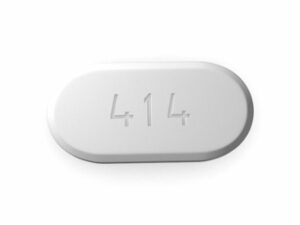
Crestor (Rosuvastatin) – Patient Guide (Australia)
Crestor is a cholesterol-lowering medicine containing rosuvastatin, a statin used to help reduce the risk of heart disease and stroke, particularly for people with higher cholesterol levels or other cardiovascular risk factors. This guide explains how Crestor works, how it’s typically taken, key interactions, and practical tips for safe use in Australia.
1) Basic product information
| Product | Active ingredient | Common strengths* | Drug type |
|---|---|---|---|
| Crestor | Rosuvastatin | 5 mg, 10 mg, 20 mg, 40 mg | Statin (lipid-lowering medicine) |
*Strengths may vary by availability. Always check the specific product label you receive.
Brand names may differ depending on the manufacturer, but the active ingredient is rosuvastatin. Your pharmacist or doctor can advise which product is appropriate for you.
2) How Crestor works (mechanism of action)
Rosuvastatin belongs to the statin family. Statins lower cholesterol primarily by reducing cholesterol production in the liver. They work mainly by:
- Inhibiting HMG-CoA reductase (a key liver enzyme needed to produce cholesterol)
- Increasing LDL (“bad cholesterol”) receptor activity on liver cells, which helps remove LDL cholesterol from the blood
- Lowering triglycerides to a smaller degree and raising HDL (“good cholesterol”) modestly
By improving cholesterol balance, Crestor helps reduce atherosclerosis (plaque build-up in arteries) and lowers the risk of cardiovascular events such as heart attack and stroke in appropriate people.
3) Pharmacokinetics (how the body handles rosuvastatin)
“Pharmacokinetics” describes what the body does with a medicine—absorption, distribution, metabolism, and elimination. Understanding these helps explain why timing and interactions matter.
- Absorption: Rosuvastatin is absorbed after oral dosing; peak blood levels typically occur within a few hours.
- Distribution: It largely targets the liver and is highly bound to plasma proteins.
- Metabolism: Rosuvastatin is metabolised to a limited extent by the liver (including pathways involving enzymes such as CYP2C9 and CYP2C19, and transport proteins). Importantly, it is also influenced by drug transporters that affect how much reaches the body.
- Elimination: The medicine is cleared mainly via bile and faeces, with some renal (kidney) excretion.
- Half-life (conceptually): Rosuvastatin has a duration of action that supports once-daily dosing for most patients.
Because rosuvastatin is affected by drug transporters and certain interacting medicines, some combinations can raise blood levels and increase side-effect risk. This is why interaction checks are essential.
4) What Crestor is used for (indications)
Crestor is used to improve cholesterol levels and reduce cardiovascular risk in certain groups. Indications can include:
- Primary hypercholesterolaemia (high LDL cholesterol), including when diet alone is insufficient
- Mixed dyslipidaemia (elevated LDL and triglycerides, or low HDL) in combination therapy or as appropriate
- Familial hypercholesterolaemia (a genetic condition with very high cholesterol), including cases in younger patients
- Prevention of cardiovascular events in people at increased risk, as determined by clinical assessment
- Adjunct to other risk-reduction steps such as smoking cessation, blood pressure control, healthy diet, and exercise
Whether Crestor is suitable depends on your cholesterol results, medical history, age, and overall cardiovascular risk profile. Your healthcare professional can determine the best plan for you.
5) Typical dosing and timing
Dosing should be individualised. Many people start at a lower dose and adjust based on cholesterol response and tolerability. Higher doses may be used in selected situations under careful supervision.
Common dosing pattern
- Once daily dosing is typical for rosuvastatin.
- Most patients can take it any time of day because timing is less critical than with some other statins.
- Dose changes should be guided by cholesterol testing and clinical review.
Starting and adjustment (general overview)
- Starting dose: often 5 mg or 10 mg once daily.
- Follow-up cholesterol checks: commonly after several weeks to assess response.
- Dose increase: if needed, may be stepped up gradually.
- Maximum dose: often up to 40 mg daily in eligible patients; this depends on risk factors and safety considerations.
Important: If you miss a dose, take it when you remember unless it’s close to the next dose. Do not double up. If you’re unsure, ask your pharmacist.
6) Food interactions
For most people, rosuvastatin can be taken with or without food. Food does not typically require strict timing the way some medicines do.
However, a few dietary and supplement considerations matter:
- Grapefruit: Rosuvastatin is not as strongly affected by grapefruit as some other statins, but it’s still wise to discuss regular large grapefruit intake with a clinician/pharmacist.
- Fibre/meal pattern: A heart-healthy diet can support overall lipid improvements, but you don’t generally need to time rosuvastatin around meals.
- St. John’s wort: Not a “food,” but an herbal product that can affect drug levels—avoid unless advised.
7) Alcohol and medicine interactions
Alcohol
Moderate alcohol consumption may be acceptable for some people, but alcohol can increase the burden on the liver. Since statins are processed by the liver, it’s important to be cautious—especially if you have:
- Liver disease or persistently abnormal liver enzymes
- A history of heavy alcohol intake
- Other medical conditions affecting the liver
If you’re unsure about what “moderate” means for you, ask your doctor or pharmacist. Seek medical advice promptly if you develop symptoms such as unusual fatigue, dark urine, or yellowing of the skin/eyes.
Medicine interactions (key examples)
Some medicines can raise rosuvastatin levels or increase the risk of muscle-related side effects (myopathy/rhabdomyolysis). Below are common categories that require attention:
-
Other cholesterol medicines:
- Fibrates (e.g., gemfibrozil, fenofibrate) may increase muscle risk when combined with statins.
- Cholestyramine/colestipol (bile acid sequestrants) may reduce absorption—separation of dosing time is often required.
- HIV and antiviral medicines (some can strongly affect statin transport/metabolism).
- Immunosuppressants (e.g., ciclosporin) can increase statin exposure.
- Antifungal medicines (especially azoles) and some antibiotics that affect drug transport enzymes.
- Warfarin and other anticoagulants: statins can affect bleeding risk indirectly in some situations—monitoring may be needed.
- Diuretics and some blood pressure medicines: not always a direct problem with rosuvastatin, but overall kidney function and interactions should be reviewed.
This is not an exhaustive list. Always provide your full medicine list (including supplements and “natural” products) to your pharmacist. Rosuvastatin dose adjustments or alternative strategies may be recommended depending on the interaction.
8) Safety profile and side effects
Like all medicines, Crestor may cause side effects. Many people take rosuvastatin without significant problems. However, it’s important to understand potential risks and know when to seek help.
Common side effects
- Headache
- Nausea or stomach discomfort
- Mild muscle aches (can occur, especially after exercise)
- Constipation or diarrhoea
Serious but less common risks
- Muscle injury (myopathy) and rare rhabdomyolysis: symptoms can include severe muscle pain, tenderness, weakness, and dark urine. Risk is higher with certain interacting medicines, higher doses, older age, kidney impairment, hypothyroidism, and dehydration.
- Liver enzyme changes: some people have elevated liver enzymes. This may be monitored with blood tests, especially during initiation and dose changes.
- Allergic reactions: swelling, rash, or breathing difficulty require urgent medical attention.
When to seek urgent medical help
- Severe or unexplained muscle pain/weakness
- Dark urine or markedly reduced urine output
- Yellowing of the skin/eyes, severe upper abdominal pain, or persistent vomiting
- Signs of an allergic reaction (e.g., facial swelling, wheeze, hives)
9) Practical use tips (getting the best results)
Crestor works best as part of a broader plan to lower cardiovascular risk. These tips can help you use your medicine effectively and safely:
- Take it consistently: choose a time you’re likely to remember (morning or evening). While strict timing isn’t usually required, consistency improves adherence.
- Keep blood tests on track: your clinician may check cholesterol and sometimes liver-related blood markers.
- Know what muscle symptoms to watch for: mild aches can happen, but severe symptoms should be assessed.
- Review interactions regularly: if you start or stop any medicine (including antibiotics, antifungals, supplements), re-check the combination.
- Stay hydrated and manage exercise: sudden intense exercise can increase muscle symptoms in some people. Build gradually and address dehydration.
- Adopt a heart-healthy lifestyle: diet (e.g., Mediterranean-style), physical activity, and weight management support cholesterol improvement.
10) Alternative options to consider
If Crestor (rosuvastatin) isn’t suitable or doesn’t achieve your goals, there are alternative approaches. These may include:
- Other statins: different statins can sometimes be better tolerated.
-
Non-statin cholesterol medicines:
- Ezetimibe
- PCSK9 inhibitors (in eligible patients)
- Bempedoic acid (where appropriate)
- Other therapies depending on indication and risk
- Combination therapy: combining lower doses of a statin with another agent can help reduce side effects while improving lipid results.
- Lifestyle interventions: dietary changes, exercise, limiting saturated fats, and improving overall metabolic health.
The best alternative depends on your cholesterol pattern, cardiovascular risk, existing conditions, and how you respond to treatment. Discuss options with a healthcare professional.
11) Market and legal context for Australia (overview)
In Australia, statins like rosuvastatin are widely used and available through regulated channels. Medicines are required to be supplied according to Australian law and pharmaceutical standards. Your pharmacist can provide guidance on:
- How to store the medicine correctly
- Whether your personal health situation affects dosing or monitoring
- How to manage missed doses and safe use with other medicines
- Availability and substitution rules, if relevant
For online pharmacies, legitimate supply typically requires verification of eligibility and compliance with Australian regulations. Always ensure you purchase from a reputable, regulated provider.
12) Recent guidance and clinical practice considerations
Clinical recommendations for statin use evolve as new evidence becomes available. In practice, healthcare providers in Australia consider factors such as:
- Overall cardiovascular risk (not only cholesterol numbers)
- LDL reduction targets based on risk category and treatment response
- Risk–benefit balance, including muscle and liver safety
- Shared decision-making (choosing the most appropriate intensity of therapy)
- Monitoring for side effects and relevant blood tests when starting or adjusting therapy
If you’ve previously had side effects on a statin, let your clinician/pharmacist know—there may be strategies to improve tolerance. Never stop or change your dose without advice, especially if you’re using Crestor for cardiovascular prevention.
13) Delivery and availability (Australia)
Crestor/rosuvastatin may be available as branded products and/or generics depending on supply. Delivery options can vary by pharmacy and location. When ordering online, you can typically expect:
- Medication availability checks prior to dispatch
- Secure packaging and standard storage instructions on the label
- Tracking (depending on the provider)
- Support from pharmacists for questions about use and interactions
Shipping times depend on your postcode and the pharmacy’s processing schedule. If you need your medicine urgently, contact the pharmacy before ordering.
Storage: keep your tablets in their original packaging, protected from moisture and heat, and out of reach of children. Follow the instructions on the product label.
14) FAQ
Is Crestor the same as rosuvastatin?
Yes. Crestor is a brand name that contains rosuvastatin, the active ingredient. Other brands or generic products may also contain rosuvastatin.
What time of day should I take it?
Most people can take rosuvastatin once daily at any convenient time. Choose a routine that helps you remember and stick to it.
Can I take Crestor with food?
Generally, you can take rosuvastatin with or without food. If your stomach feels sensitive, taking it with food may help.
What cholesterol changes should I expect?
Cholesterol improvements often begin within a few weeks. Your clinician may repeat blood tests after initiation or dose changes to confirm your response.
Do I need regular blood tests?
You may need monitoring, especially around treatment start and dose adjustments. Tests often include cholesterol levels, and in some cases liver-related markers and other assessments depending on your health history.
What if I miss a dose?
Take it when you remember unless it’s close to the next dose. Do not double to make up for a missed tablet. If you’re uncertain, ask your pharmacist for advice.
Can I drink alcohol while taking Crestor?
Many people can drink alcohol in moderation, but caution is important—particularly with liver disease or heavy intake. Discuss your situation with your healthcare provider.
Are there foods I must avoid?
There are usually no strict food restrictions. Maintaining a heart-healthy diet helps. If you consume large amounts of grapefruit or use herbal products, discuss with your pharmacist.
Can Crestor cause muscle pain?
Mild muscle aches can occur. However, severe muscle pain, weakness, or dark urine should be assessed urgently. Contact a healthcare professional promptly if these occur.
What medicines should I check for interactions?
Before starting Crestor, check interactions with your pharmacist if you use medicines such as: fibrates, bile acid sequestrants, certain antibiotics/antifungals, ciclosporin, HIV antivirals, and anticoagulants. Always provide a complete list of medicines and supplements.
What should I do if I’m planning surgery or major dental procedures?
Let your clinician know you’re taking rosuvastatin. If you’re advised to stop or adjust other medicines around the procedure, confirm whether Crestor needs any changes.
Summary
Crestor (rosuvastatin) is a widely used statin medicine that helps lower LDL (“bad”) cholesterol and reduce cardiovascular risk. It works by decreasing cholesterol production in the liver and improving LDL clearance. Most people take it once daily, with or without food, and benefit over time when used consistently alongside heart-healthy lifestyle changes.
Because rosuvastatin can interact with certain medicines and occasionally affect muscles or liver markers, it’s important to follow safe-use advice, report unusual symptoms promptly, and keep your healthcare provider informed about all medicines and supplements you take.