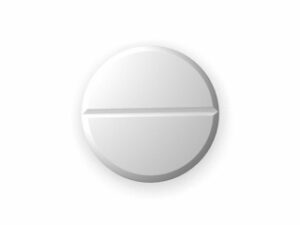
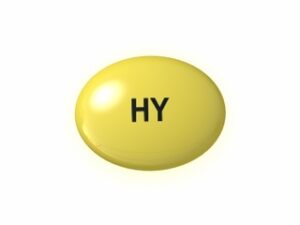

Hyzaar (Losartan / Hydrochlorothiazide) — Patient Information
Hyzaar is a combination medicine used to help control high blood pressure (hypertension). It contains two active ingredients: losartan and hydrochlorothiazide. Below is patient-friendly information designed to help you understand what Hyzaar is, how it works, how to take it safely, and what to expect.
Key facts at a glance
- What it contains: losartan (an ARB) + hydrochlorothiazide (a thiazide diuretic)
- What it treats: high blood pressure
- How it works: relaxes blood vessels and helps your body remove extra fluid/salt
- Typical timing: once daily (often in the morning to reduce nighttime urination)
- Common monitoring: blood pressure, kidney function, potassium and other electrolytes
Basic product information
| Category | Details |
|---|---|
| Brand name | Hyzaar |
| Active ingredients | Losartan + Hydrochlorothiazide |
| Medicinal class | ARB (angiotensin II receptor blocker) + thiazide diuretic |
| Common use | Hypertension (high blood pressure) |
| Typical frequency | Usually once daily |
Hyzaar is supplied in strength combinations (for example, different amounts of losartan and hydrochlorothiazide). The exact strength you use depends on your individual treatment plan.
How Hyzaar works (mechanism of action)
Hyzaar combines two complementary actions to lower blood pressure:
- Losartan blocks the effects of angiotensin II, a hormone that causes blood vessels to tighten. By blocking this effect, losartan helps blood vessels relax, reducing resistance to blood flow.
- Hydrochlorothiazide is a thiazide diuretic. It helps your kidneys remove extra sodium and water from the body through urine. This can reduce blood volume and lower blood pressure.
Using both medicines together often achieves better blood pressure control than either medicine alone.
Pharmacokinetics (how the body handles the medicines)
While individual responses vary, the main concepts of how the body absorbs and processes Hyzaar include:
- Absorption: Both components are absorbed after taking the tablet by mouth.
- Onset of effect: Some blood pressure lowering may be noticed within the first day, but full benefit is usually assessed over days to weeks.
- Peak levels: The medicines reach peak concentrations at different times after a dose.
-
Metabolism & elimination:
- Losartan is metabolised in the liver to an active metabolite.
- Elimination is mainly through the kidneys and bile pathways.
- Hydrochlorothiazide is primarily cleared by the kidneys.
- Half-life: Both components have their own “half-life” which influences once-daily dosing.
Your clinician may check kidney function and electrolytes, especially after starting or changing dose.
Typical use and who it’s for
Hyzaar is used to treat high blood pressure. It may be considered when:
- Blood pressure is not adequately controlled with lifestyle measures alone, or
- Control requires two different mechanisms (a blood vessel relaxing medicine plus a diuretic), or
- Your prescriber prefers combination therapy to simplify dosing.
Hyzaar is generally intended for adults. If you are under the care of a specialist, follow the plan they provide.
When and how to take Hyzaar
Timing
Hyzaar is typically taken once daily. Many people take it in the morning because hydrochlorothiazide can increase urination. Taking it too late in the day may disturb sleep.
With or without food
Hyzaar can usually be taken with or without food. If it upsets your stomach, taking it with a meal may help. Try to take it around the same time each day to maintain consistent effects.
How to take it
- Swallow the tablet with water.
- Do not crush or chew tablets unless your pharmacist advises it is safe for your specific formulation.
- If you miss a dose, take it when you remember the same day unless it is close to the next dose. Do not double up.
If you are unsure about missed doses, check your medication label instructions or ask a pharmacist.
Food interactions
Hyzaar is not known for major food-drug interactions, but some practical dietary points are helpful:
- Salt (sodium): Limiting very high salt intake can support blood pressure control. However, do not make sudden extreme dietary changes without professional advice.
- Potassium-containing foods: Losartan can increase potassium, while hydrochlorothiazide can decrease it. The combined effect varies. You may be advised to monitor potassium and avoid supplements unless instructed.
- Grapefruit/fruit juices: Unlike some other blood pressure medicines, losartan is not typically affected by grapefruit in the same way. Still, if you notice consistent issues after certain foods or drinks, discuss with your pharmacist.
If you have kidney disease, diabetes, heart failure, or you take other medicines that affect potassium, your healthcare team may provide specific dietary guidance.
Alcohol interactions and safety
Drinking alcohol can increase the risk of light-headedness, falls, and low blood pressure, especially when starting Hyzaar or after a dose increase.
- Aim to keep alcohol moderate and consistent.
- Avoid binge drinking.
- Be cautious when standing up quickly.
If you have episodes of dizziness or fainting, or if your blood pressure is often low, talk to a pharmacist or doctor about safe alcohol limits.
Medicine interactions (important)
Interactions depend on your personal medicines and health conditions. Tell your healthcare team about all medicines, including over-the-counter products, herbal supplements, and vitamins.
Medicines that may affect kidney function or potassium
- Potassium supplements or potassium-containing salt substitutes
- Potassium-sparing diuretics (for example, spironolactone, eplerenone)
- ACE inhibitors (for example, perindopril, enalapril) — usually not combined with ARBs unless specifically recommended
- Other blood pressure medicines — may increase the risk of low blood pressure
NSAIDs (painkillers)
Non-steroidal anti-inflammatory drugs (NSAIDs), such as ibuprofen or naproxen, may reduce the blood pressure-lowering effect and can increase the risk of kidney problems when combined with medicines affecting the renin-angiotensin system and diuretics. If you need regular NSAID use, seek advice from a pharmacist.
Diabetes medicines
- Thiazides can sometimes affect glucose levels, which may influence diabetes control.
- Monitor blood glucose as advised, especially after starting or changing dose.
Lithium
Lithium can be affected by medicines like hydrochlorothiazide and may require close monitoring. If you take lithium, discuss with your prescriber and pharmacist before starting Hyzaar.
Other possible interactions
- Digoxin (electrolyte changes can affect heart rhythm risk)
- Steroids (may affect potassium)
- Some muscle relaxants or treatments affecting electrolytes
If you want, list your current medicines (including any “as needed” items) and a pharmacist can help check common interaction risks.
Indications (what Hyzaar is used to treat)
In Australia, Hyzaar is indicated for the treatment of hypertension (high blood pressure). Combination therapy may be used when blood pressure requires both:
- Vessel relaxation (via losartan), and
- Diuretic effect (via hydrochlorothiazide).
Your clinician may tailor treatment based on your blood pressure readings and individual risk factors.
Dosage and administration (general guidance)
Dosing depends on your condition and response. Always follow the directions on your medication label. Below are general dosing principles commonly used for combination products.
- Typical adult dosing: once daily, with strength selected based on prior therapy and blood pressure response.
- Starting dose: may be lower in people who are sensitive to blood pressure changes, have reduced fluid balance, or are at risk of electrolyte disturbances.
- Adjustments: dose may be adjusted after assessing blood pressure and blood tests.
- Kidney or liver impairment: may require dose adjustments and closer monitoring. This is important for safety.
What to expect after starting
- Some people notice reduced swelling or more frequent urination in the first few days.
- Blood pressure may gradually improve over days to weeks.
- Electrolytes (especially potassium, sodium) and kidney function may be checked shortly after starting or dose changes.
Never change your dose or stop Hyzaar without medical advice, even if you feel better.
Safety profile: common and serious side effects
Common side effects
- Dizziness or light-headedness (especially when standing)
- Headache
- Increased urination (more noticeable after morning doses)
- Fatigue
- Muscle cramps (may relate to electrolyte changes)
- Low blood pressure symptoms (feeling faint)
Less common but important effects
- Changes in blood tests (potassium, sodium, kidney function, glucose)
- Gout flare in susceptible people (diuretics can raise uric acid)
- Rash or itching
Seek urgent medical help
Contact urgent care or emergency services immediately if you experience:
- Swelling of the face, lips, tongue, or throat, or difficulty breathing (possible allergy)
- Severe dizziness, fainting, or collapse
- Chest pain or signs of stroke (sudden weakness, slurred speech, facial droop)
- Severe weakness or confusion (possible significant electrolyte imbalance)
- Very low urine output or rapid decline in kidney function
If you’re unsure whether symptoms are serious, contact a pharmacist or local health service for guidance.
Practical use tips for best results
- Check your blood pressure regularly: Use a reliable home blood pressure monitor and follow a consistent routine. Keep a log to share with your clinician.
- Stay hydrated: Drinking adequate water is important, especially when exercising or in hot weather. Avoid dehydration, as it can increase the risk of low blood pressure and kidney issues.
- Be cautious with standing: If you feel dizzy, rise slowly from sitting or lying positions.
- Watch for electrolyte symptoms: Muscle cramps, unusual weakness, or palpitations may indicate electrolyte imbalance.
- Keep up with blood tests: Early monitoring helps ensure safe potassium and kidney function levels.
- Tell healthcare providers: Inform dentists, surgeons, and other clinicians that you take Hyzaar, especially before procedures.
Who should take extra care?
Hyzaar may not be suitable for everyone. Extra caution is often required if you have:
- Kidney disease or reduced kidney function
- Dehydration, vomiting, or severe diarrhoea
- High potassium levels or history of potassium imbalance
- Diabetes or gout
- Low blood pressure or risk of fainting
- Recent changes in fluid intake or use of other diuretics
- Liver impairment (because drug handling can differ)
If any of these apply, follow the monitoring plan and ask your pharmacist about personalised safety advice.
Alternative options to consider
If Hyzaar isn’t suitable or if you need a different approach, there are alternatives commonly used for hypertension. Availability and suitability depend on your health history and current medicines.
Other combination strategies
- ARB + thiazide-like diuretic combinations (different diuretic choices)
- ACE inhibitor + thiazide diuretic combinations
- Calcium channel blocker + other agents (e.g., ACE inhibitor/ARB, thiazide)
Single-ingredient options
- ARB alone (e.g., losartan or similar drugs)
- Thiazide diuretic alone (for selected patients)
- Other classes such as calcium channel blockers, beta blockers, or ACE inhibitors
Your prescriber will choose the best option based on your blood pressure readings, side effect risk, kidney function, and other conditions. Do not switch without professional advice.
Australia: market and legal context
In Australia, medicines are supplied under the regulatory framework of the Therapeutic Goods Administration (TGA). Blood pressure medicines are widely used and monitored for safe supply and appropriate use.
Online pharmacies in Australia typically require:
- Verification of suitability for the requested product, and
- Adherence to laws governing supply of prescription-only medicines where applicable, and
- Providing patient information and safe use guidance.
If you have questions about your local requirements for supply, a pharmacist can help.
Recent guidance and monitoring (what to know now)
Hypertension management guidance in Australia emphasises a combination of lifestyle and medication approaches, regular blood pressure measurement, and monitoring for medication side effects. For medicines like Hyzaar, it is common practice to:
- Assess response using home or clinic blood pressure readings
- Monitor kidney function and electrolytes (particularly potassium and sodium)
- Review adherence and timing (including morning vs evening dosing to reduce disruptive urination)
- Check for interaction risks when new medicines are added
Guidance may evolve as new evidence becomes available; always follow advice from your healthcare professional.
Delivery, availability, and how to get Hyzaar
Hyzaar availability can vary by supplier and stock levels. Many online pharmacies in Australia offer delivery services to eligible areas. Delivery times depend on:
- Distance and local courier capacity
- Warehouse stock status
- Order cut-off times
- Public holidays and seasonal demand
When ordering, check:
- The strength matches what you need (dosage form and combination strength)
- Your quantity is correct
- Delivery address details are accurate
- You have received patient information (including how to take the medicine safely)
If your delivery is delayed or the product is unavailable, contact the pharmacy for alternatives or restock updates.
FAQ — Hyzaar (Losartan / Hydrochlorothiazide)
1) What is Hyzaar used for?
Hyzaar is used to treat high blood pressure (hypertension). It helps lower blood pressure by combining losartan (relaxes blood vessels) with hydrochlorothiazide (helps the body remove excess fluid and salt).
2) How quickly will Hyzaar work?
Some blood pressure lowering may begin early, but the full effect is typically assessed over days to weeks. Your clinician will use blood pressure readings and, if needed, blood tests to judge response.
3) Should I take Hyzaar in the morning or at night?
Many people take it in the morning because hydrochlorothiazide can increase urination. If your doctor has advised another time, follow that guidance.
4) Can I take Hyzaar with food?
Generally, Hyzaar can be taken with or without food. Taking it with food may help if you experience stomach discomfort.
5) What should I do if I miss a dose?
Take the missed dose when you remember unless it is close to the next dose. Do not take two doses at once. If you’re unsure, ask a pharmacist for advice.
6) Will I need blood tests?
Often, yes—especially after starting or changing dose. Tests may include kidney function and electrolytes such as potassium and sodium, to ensure the medicine is being tolerated safely.
7) Are there foods I should avoid?
There are no strict food bans for most people, but it’s wise to avoid very high salt intake. If you have potassium issues or kidney disease, your clinician may advise about potassium-rich supplements or salt substitutes.
8) Can I drink alcohol while taking Hyzaar?
Alcohol can increase the risk of dizziness and low blood pressure. If you drink, keep it moderate and be cautious—especially when starting or adjusting dose.
9) What medicines commonly interact with Hyzaar?
Important interaction categories include: potassium supplements or salt substitutes, NSAIDs (like ibuprofen), and medicines that affect kidney function or electrolytes. Always check with a pharmacist if you’re starting a new medicine.
10) What side effects are most common?
Common effects include dizziness, headache, increased urination (often early after starting), fatigue, and sometimes muscle cramps. If you have symptoms that worry you, contact your healthcare provider.
11) When should I seek urgent help?
Seek urgent medical care for signs of a serious allergic reaction (such as facial/lip swelling or breathing difficulty), severe fainting, chest pain, symptoms of stroke, or significant weakness/confusion.
12) What are alternative treatments if Hyzaar is not right for me?
Alternatives may include different blood pressure medicines or other combination regimens (for example, ARB with another diuretic, ACE inhibitor combinations, or calcium channel blocker-based combinations). The best choice depends on your overall health.
Important: This information is general and may not cover every situation. If you have specific questions about Hyzaar, side effects, or interactions with your current medicines, speak with a pharmacist or healthcare professional.