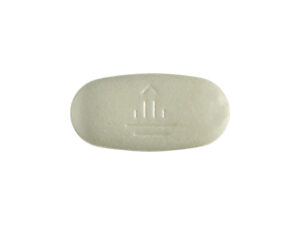


Calan (Verapamil) — Patient Information (Australia)
Calan contains verapamil, a medicine used to treat certain heart conditions and other cardiovascular-related conditions. This page explains what Calan is, how it works, how it’s taken, common interactions, and important safety information to help you use it with confidence.
Note: Medicines affect people differently. Always follow the instructions provided with your specific product and seek advice from a healthcare professional for questions about your individual situation.
Quick overview
- Active ingredient: Verapamil
- Brand: Calan
- Medicine type: Calcium channel blocker (non-dihydropyridine)
- Main uses: Angina (stable/variant), certain arrhythmias (irregular heart rhythm), and other selected cardiovascular conditions
- Key precautions: May slow heart rate, affect heart conduction, and interact with many medicines
- Common forms: Available in immediate-release and modified-release formulations (product strength varies)
What is Calan (verapamil)?
Calan is a brand of verapamil, a calcium channel blocker. Verapamil helps relax and widen certain blood vessels and can reduce the heart’s workload. It also affects the electrical activity of the heart, which is why it is used for rhythm-related problems in appropriate patients.
In Australia, verapamil-containing products are supplied through pharmacy channels according to regulatory requirements and may be available in different formulations depending on the product brand and strength.
How verapamil works (mechanism of action)
Calan works mainly by blocking L-type calcium channels. Calcium is involved in the contraction of heart muscle and in the way the heart’s electrical system conducts signals.
Key effects include:
- Slows conduction through the AV node (the electrical “relay” inside the heart), which can help control certain arrhythmias.
- Reduces heart rate in some people.
- Relaxes blood vessels and decreases resistance, helping reduce angina symptoms.
- Reduces the heart’s workload by lowering oxygen demand.
Pharmacokinetics: how the body absorbs and processes Calan
“Pharmacokinetics” describes how your body absorbs, distributes, metabolises, and eliminates a medicine.
Absorption
- Verapamil is absorbed after oral dosing, but the extent can vary between individuals.
- Modified-release formulations release the drug more slowly to help maintain steadier levels.
Distribution
- Verapamil is distributed throughout the body and can accumulate with repeated dosing.
Metabolism (breakdown)
- Verapamil is primarily metabolised by the liver (notably via CYP3A4 pathways, and also others), which is why many drug interactions are possible.
Elimination
- Metabolites are eliminated mainly via the kidneys.
- People with liver impairment may have higher verapamil levels or slower clearance.
Onset and duration
- With immediate-release products, effects may start sooner, but dosing is typically more frequent.
- With modified-release products, effects are designed to last longer, often allowing once- or twice-daily dosing depending on the regimen.
Typical uses (indications)
Calan (verapamil) may be used for:
- Angina (including stable angina and some forms of variant/Prinzmetal angina) to reduce frequency and severity of attacks.
- Certain abnormal heart rhythms (arrhythmias) where AV nodal slowing is helpful—such as some supraventricular tachycardias and atrial arrhythmias in selected patients.
- Other selected cardiovascular conditions as determined by your treating clinician.
What’s appropriate depends on your diagnosis, heart function, heart rate, blood pressure, and the medicines you already take.
When and how to take Calan (timing and practical use)
Follow the schedule provided for your exact product and strength. General principles include:
Timing
- Take at the same times each day to maintain steady blood levels.
- If you are using modified-release tablets/capsules, do not crush or chew unless specifically instructed by the product instructions.
With food?
Food can affect absorption differently depending on the formulation.
- For many people, verapamil can be taken with or without food.
- If you notice consistent effects on stomach comfort or how you feel after taking it, you may choose a consistent approach (e.g., always with food) and discuss with a pharmacist if concerned.
Swallowing and dose consistency
- Swallow tablets/capsules whole if they are modified-release.
- Do not change your dose or stop suddenly without medical advice.
If you miss a dose
- Take it when you remember, unless it is close to the next dose.
- If close, skip the missed dose and continue as normal.
- Do not take a double dose to make up for a missed one.
Dosing: what to expect
Dosing varies based on the condition being treated, your age, kidney/liver function, heart rhythm and rate, and interacting medicines.
Common dosing patterns:
- Immediate-release: often taken multiple times daily depending on response and tolerability.
- Modified-release: typically taken once or twice daily to provide longer-lasting effect.
Why doses are adjusted: Verapamil can slow heart rate and lower blood pressure. Your clinician may increase the dose gradually to balance symptom control with safety.
If you’re unsure about your tablet/capsule strength or how often to take it, check your medication label or speak with a pharmacist.
Food interactions and dietary considerations
Most foods are generally acceptable, but there are notable considerations:
- Grapefruit and grapefruit juice: may increase verapamil levels in some people and raise the risk of side effects. It is often recommended to avoid grapefruit products while taking verapamil.
- Alcohol-containing beverages may increase dizziness or low blood pressure effects (see alcohol section below).
If you drink herbal teas or use supplements regularly, discuss them with a pharmacist—some supplements can affect liver enzymes or blood pressure.
Alcohol interactions
Alcohol may worsen some verapamil side effects, especially:
- Dizziness or light-headedness
- Low blood pressure
- Fatigue
If you choose to drink alcohol, consider starting with small amounts and monitor how you feel (for example, when standing). Avoid heavy drinking and seek advice if you experience fainting, severe dizziness, or unusual palpitations.
Interactions with other medicines
Verapamil interacts with many medicines because it can affect liver metabolism and because it has heart-rate and blood pressure effects. Some interactions can be serious.
Medicines that may increase verapamil levels (risk of side effects)
- Some antibiotics (e.g., macrolides such as clarithromycin)
- Antifungal medicines (some azoles)
- Some HIV medicines
- Certain antidepressants or other drugs that affect CYP3A4
- Grapefruit (food interaction)
Medicines that may increase heart-rate slowing or low blood pressure
- Beta-blockers (used for heart rate and blood pressure)
- Other heart rhythm medicines
- Medicines that lower blood pressure (some antihypertensives, nitrates)
Medicines that can be affected by verapamil
- Some medicines used for heart rhythm or heart failure may require dose adjustments.
- Certain drugs may have changed blood levels when taken with verapamil—your pharmacist can advise based on your medication list.
Important practical advice
- Keep an up-to-date list of all medicines you take (including eye drops, creams, and over-the-counter products).
- Check with a pharmacist before starting new medicines, including “natural” products.
- Be especially careful with medicines that affect the heart rate, blood pressure, or liver enzymes.
Safety profile: common side effects and warning signs
Like all medicines, Calan can cause side effects. Many people tolerate it well, but because verapamil can slow heart rate and affect conduction, it is important to recognise warning symptoms.
Common side effects
- Constipation (fairly common with verapamil)
- Dizziness or light-headedness
- Headache
- Swelling of the ankles/feet (peripheral oedema)
- Flushing
- Nausea in some people
Serious side effects (seek urgent medical help)
Contact emergency services or urgent medical care if you experience:
- Fainting or near-fainting
- Severe dizziness or feeling unable to stand
- Very slow heart rate or a heartbeat that feels irregular and new/worse
- Shortness of breath, chest pain that is severe or worsening
- Signs of an allergic reaction (e.g., swelling of face/lips, difficulty breathing, widespread rash)
Who needs extra caution?
Tell your clinician/pharmacist if you have or have ever had:
- Heart block or significant rhythm disorders
- Low blood pressure (hypotension)
- Heart failure or reduced heart pumping function
- Liver disease
- Kidney disease (may still be relevant to overall safety and monitoring)
- Any history of severe constipation or bowel problems
Practical use tips for everyday life
- Monitor how you feel after each dose: If dizziness occurs, avoid driving until you know how Calan affects you.
- Manage constipation early: Drink fluids, consider fibre, and discuss suitable laxatives/stool softeners with a pharmacist if needed.
- Check your blood pressure and pulse: If you have home monitoring, keep a record—especially during dose changes.
- Carry information: If you’re at risk of fainting or severe dizziness, keep a medication list in your wallet or phone.
- Don’t stop abruptly: Stopping suddenly can worsen symptoms in some conditions.
Alternative options (discuss with a healthcare professional)
If Calan is not suitable or not effective, your clinician may consider other medicines depending on your condition.
For angina
- Other calcium channel blockers (e.g., amlodipine—dihydropyridines)
- Nitrates
- Beta-blockers (depending on your rhythm and heart function)
- Other anti-anginal medicines where appropriate
For certain arrhythmias
- Beta-blockers
- Other rhythm-controlling medicines
- Procedural options (for some arrhythmias) such as catheter ablation, as appropriate
Your best alternative depends on the exact diagnosis and your overall cardiovascular health.
Market and legal context in Australia
In Australia, medicines containing verapamil are regulated under the Therapeutic Goods Administration (TGA) framework. Availability and dispensing are managed through standard pharmacy distribution and prescribing practices, which may differ depending on formulation and strength.
For safe use:
- Ensure your medication is the correct formulation (immediate-release vs modified-release).
- Check labels carefully for strength and directions.
- Report side effects to your pharmacist or healthcare professional.
Recent guidance and monitoring considerations
Guidance for cardiovascular medicines commonly emphasises safe prescribing and monitoring, particularly for medicines affecting heart rhythm and blood pressure. Key monitoring and review themes include:
- Regular assessment of heart rate and blood pressure after dose changes.
- Review of interacting medicines at start, dose changes, and when new medicines are added.
- Awareness of formulation differences (especially for modified-release products).
- Ongoing evaluation of symptoms (e.g., angina frequency) and adverse effects (e.g., constipation, dizziness).
Local clinical practice and product-specific consumer medicines information may be updated over time. If you’re unsure, ask your pharmacist to review the latest information for your exact product.
Delivery and availability (Australia)
Calan (verapamil) availability depends on stock status, formulation, and strength. Many online pharmacies in Australia can supply medicines where permitted and where you meet the service requirements.
- Delivery: Typical delivery times vary by location and courier service. During high demand periods, shipping may take longer.
- Packaging: Medicines are usually dispatched in original packaging with clear labels and dosing instructions.
- Stock updates: If an item is temporarily unavailable, the pharmacy may offer an alternative formulation/strength if clinically appropriate.
Tip: Order early enough to avoid running out—especially if you are on a fixed dosing schedule.
FAQ: Calan (verapamil)
1) What is Calan used for?
Calan (verapamil) is used for conditions such as angina and certain abnormal heart rhythms, depending on the specific diagnosis and your individual health factors.
2) How quickly does it work?
For immediate-release formulations, effects may begin sooner after taking a dose. Modified-release products are designed for longer, steadier action. Your prescriber or pharmacist can advise what to expect for your formulation.
3) Can I take Calan with food?
Many people can take verapamil with or without food. Consistency may help you identify how it affects you. Avoid grapefruit products unless your pharmacist says it’s safe for you.
4) Does Calan cause constipation?
Yes. Constipation is a commonly reported side effect. Taking fluids, increasing dietary fibre, and discussing suitable remedies with a pharmacist can help.
5) Can I drink alcohol while taking Calan?
Alcohol may increase dizziness and the risk of low blood pressure. If you drink, keep amounts modest and pay attention to how you feel. If you become very dizzy or faint, avoid alcohol and seek medical advice.
6) What should I do if I miss a dose?
Take it when you remember unless it’s close to the next dose. Skip the missed dose if it’s nearly time for the next one. Do not take a double dose.
7) What interactions should I watch for?
Verapamil interacts with many medicines. Particularly important are medicines affecting heart rate/blood pressure and medicines that influence liver metabolism (including some antibiotics, antifungals, and HIV medicines). Always check with a pharmacist when adding new medicines or supplements.
8) Can I drive after starting Calan?
Some people feel dizzy, especially when beginning treatment or after dose increases. Avoid driving or operating machinery until you know how Calan affects you.
9) Are there people who should avoid Calan?
People with certain heart conduction problems, significant low blood pressure, or some forms of heart failure may need special caution. Always discuss your history with a clinician and pharmacist.
10) What are “immediate-release” and “modified-release” tablets?
Immediate-release forms release medicine quickly. Modified-release forms release it slowly to help provide longer-lasting effects. Do not crush or chew modified-release products unless the product instructions specifically allow it.
Need help? If you have questions about whether Calan is suitable for you, how to take it, or how it may interact with your current medicines, contact a pharmacist for personalised advice.