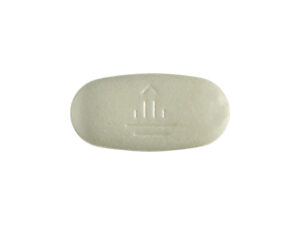



Calan SR (Verapamil) – Patient Information (Australia)
Calan SR is a brand of verapamil in a sustained-release (SR) form. It is used to treat several cardiovascular conditions, and it may also be used in specific rhythm-related situations as advised by a clinician.
This page explains how Calan SR works, typical uses, how to take it safely, what to expect, and important interactions and precautions. Always follow the instructions provided by your healthcare professional and the product label.
Quick Overview
- Medicine: Calan SR (verapamil)
- Type: Calcium channel blocker (CCB), sustained-release
- Common uses: Angina (chest pain) and certain heart rhythm issues
- How it works: Relaxes heart and blood vessels by reducing calcium movement in heart muscle and blood vessel walls
- Key watch-outs: Dizziness, slow heart rate, low blood pressure, drug interactions (especially with heart medicines and some antibiotics/antifungals)
Basic Product Information
| Category | Information |
|---|---|
| Active ingredient | Verapamil (sustained-release, SR) |
| Strengths | Available in commonly prescribed SR strengths (varies by product listing) |
| Dosage form | SR tablet designed to release medication gradually over the day |
| Therapeutic group | Calcium channel blocker |
Note: Brand names and strengths may differ between suppliers and time. Always confirm the exact strength on your box and follow the dosing plan provided.
How Calan SR Works (Mechanism of Action)
Verapamil belongs to a group of medicines called calcium channel blockers. Calcium is involved in the electrical and contraction processes of heart muscle and the tone of blood vessels.
Calan SR helps by:
- Slowing electrical conduction in the heart (particularly through the AV node), which can help control certain arrhythmias.
- Reducing the force of heart muscle contraction and relaxing blood vessels, helping lower blood pressure and reduce the workload on the heart.
- Improving blood flow to the heart in people with angina, thereby reducing chest pain episodes.
Pharmacokinetics (How the Body Handles Verapamil)
Understanding pharmacokinetics can help explain why SR tablets are taken at specific intervals and why steady effects take time.
- Absorption: Verapamil is absorbed after oral administration. Because this is an SR formulation, it releases medication gradually.
- Distribution: It distributes throughout the body and affects the heart and blood vessels.
- Metabolism: Verapamil is extensively metabolised in the liver.
- Elimination: Metabolites are eliminated primarily via the kidneys and bile pathways.
- Time to effect: With SR preparations, symptom improvement may be noticeable within hours, while full steady-state effect generally occurs after repeated dosing.
Important: Liver impairment can increase verapamil levels in the body. Your prescriber may adjust your dose or monitor you more closely if you have liver disease.
Typical Uses (Indications)
Calan SR is used to treat:
- Angina pectoris (chest pain due to reduced blood supply to the heart), helping to reduce frequency and severity of attacks.
- Certain heart rhythm conditions, especially where slowing the heart rate and AV node conduction is beneficial.
Use for other conditions may be considered in specific circumstances by a healthcare professional.
Dosing – General Guidance
The appropriate dose of Calan SR depends on the condition being treated, your age, other medicines, kidney and liver function, and how well you tolerate verapamil.
Do not change your dose without medical advice.
Typical dosing frequency
- SR formulations are commonly taken once or twice daily depending on the exact product and patient plan.
- Your dosing schedule should be written clearly on your medicine label.
How to take Calan SR
- Swallow whole with water.
- Do not crush, split, or chew SR tablets unless specifically instructed by your prescriber or the product information.
- If you miss a dose, take it when you remember only if it is not close to the next dose—then skip the missed dose and continue your usual schedule.
- Do not double up to compensate for a missed dose.
If you’re unsure about missed doses, ask your pharmacist.
Timing: When to Take It and How Long It Takes to Work
Because Calan SR releases medication gradually, consistent timing helps maintain stable blood levels.
- Choose a daily time you can keep. Many people find it easiest to take it at the same time each morning and evening.
- Steady effect: If you’re starting treatment, you may not feel the full benefit immediately. Ongoing symptom control and heart rate changes typically become clearer over several doses.
- Monitoring: Your clinician may check blood pressure and heart rate after dose changes.
Food Interactions
Food can affect the absorption of some medicines. With verapamil SR, food interactions are usually less critical than with immediate-release formulations, but it’s still wise to take it consistently.
- Consistency helps: Take Calan SR the same way each day (with or without food) unless your prescriber advises otherwise.
- Grapefruit and Seville oranges: These may increase verapamil levels due to effects on liver enzymes. It’s recommended to avoid or limit these products.
If your diet includes large amounts of grapefruit juice or products containing grapefruit, discuss this with your pharmacist.
Alcohol and Medicine Interactions
Alcohol may increase dizziness or light-headedness when combined with medicines that lower blood pressure or slow heart rate. Verapamil can contribute to these effects.
- Avoid heavy drinking and be cautious with alcohol, especially when starting treatment or after a dose increase.
- If you feel faint, unusually drowsy, or significantly dizzy, do not drive and seek medical advice.
Alcohol does not usually create a single “dangerous” interaction for everyone, but combining alcohol with verapamil can increase side effects such as low blood pressure.
Interactions With Other Medicines
Calan SR (verapamil) can interact with other medicines because verapamil is metabolised by liver enzymes and because it can affect heart conduction and blood pressure.
Below are important interaction themes. This is not exhaustive—always provide your pharmacist with a complete list of medicines, including over-the-counter products and supplements.
Medicines that may interact significantly
- Other heart medicines (e.g., beta-blockers, digoxin, antiarrhythmics): may increase risk of slow heart rate, AV block, or low blood pressure.
- Antibiotics and antifungals that affect liver metabolism (examples include some macrolide antibiotics and azole antifungals): may increase verapamil levels.
- Medicines for HIV or tuberculosis that alter enzyme activity: can change verapamil levels.
- Some statins (cholesterol-lowering medicines): depending on the specific statin, the combination may raise the risk of side effects (such as muscle problems).
- Certain antidepressants and mood medicines: may increase risk of low blood pressure or changes in heart rhythm depending on the combination.
- Blood pressure medicines (including some diuretics): may increase the chance of dizziness or hypotension.
- Carbamazepine or phenytoin (seizure medicines): may lower verapamil levels in some cases.
Herbal and supplementary products
- St John’s wort may reduce verapamil effectiveness.
- Other supplements can also affect heart rhythm or blood pressure. Check with your pharmacist.
What to do
- Tell your pharmacist about all medicines you take.
- Do not start or stop medicines without checking interactions.
- Seek urgent care if you experience symptoms of very slow heart rate (e.g., collapse, severe dizziness) or worsening shortness of breath.
Safety Profile and Warnings
Like all medicines, Calan SR can cause side effects. Many people tolerate verapamil well, but some side effects require prompt attention.
Common side effects
- Swelling of the ankles/feet (peripheral oedema)
- Headache
- Constipation (a known effect of verapamil in some people)
- Dizziness or light-headedness
- Fatigue
- Flushing
Serious side effects (seek urgent help)
- Fainting or near-fainting (possible overly slow heart rate or low blood pressure)
- Chest pain that worsens or returns unexpectedly
- Severe shortness of breath
- Signs of an allergic reaction (swelling of face/lips, rash with breathing difficulties)
- Very slow pulse or symptoms of heart block (unusual bradycardia, marked weakness)
Who needs extra caution
- People with conduction problems (e.g., AV block) or a history of significant bradycardia
- People with certain types of heart failure or reduced pumping function—verapamil may not be suitable for everyone
- People with liver impairment (higher verapamil levels may occur)
- Older adults, who may be more sensitive to dizziness and falls
Driving and operating machinery
If you feel dizzy, light-headed, or unusually drowsy, avoid driving and operating machinery until you feel steady again.
Practical Use Tips (How to Get the Best Results)
- Keep a regular routine: taking your SR tablet at consistent times can help maintain stable effects.
- Check your pulse and blood pressure: especially after starting or increasing the dose. If you have been given specific targets, follow them.
- Manage constipation proactively: drink water, maintain fibre intake, and discuss stool-softening options with your pharmacist if needed.
- Watch for swelling: ankle swelling can occur. Report new or worsening swelling to your clinician.
- Avoid grapefruit products: to reduce the risk of increased verapamil levels.
- Be careful with “new” medicines: antibiotics, antifungals, and supplements may interact—ask your pharmacist.
Alternative Options
The best alternative depends on why you’re taking Calan SR and your other medical conditions. Your prescriber may choose between several medicine classes.
For angina and blood pressure support
- Other calcium channel blockers (e.g., dihydropyridines such as amlodipine—depending on suitability)
- Beta-blockers (for selected patients)
- Nitrates for symptom relief, depending on your regimen
- Other anti-anginal medicines (as appropriate)
For rhythm-related issues
- Different antiarrhythmic medicines or rate-control strategies
- Procedural options (in some cases, per clinician assessment)
Do not switch medicines without medical advice—some changes require careful dose planning.
Market and Legal Context for Australia
In Australia, verapamil-containing medicines are regulated under the Australian medicines scheduling framework. Many verapamil products are available only through the appropriate supply process, and pharmacy supply requirements can vary depending on the strength, formulation, and product listing.
If you’re purchasing via an online pharmacy, supply is typically completed in line with applicable Australian regulations, including identity and safety checks where required.
Always read the label and consumer medicine information (CMI) provided with the product.
Recent Guidance and Monitoring (General Updates)
Clinical practice continually updates based on safety data, new interaction information, and evolving cardiovascular guidelines. In general:
- Interaction checking remains a major focus—especially with heart rhythm medicines and drugs affecting liver metabolism.
- Heart rate and blood pressure monitoring are emphasised when dose changes occur.
- Medication review is recommended for people who start multiple new medicines, including antibiotics/antifungals.
If you’re unsure whether a newly prescribed medicine is compatible with verapamil, ask your pharmacist to check for interactions.
Delivery and Availability (Australia)
Availability of Calan SR depends on stock levels and the specific strength listed by the pharmacy. Online pharmacies may source medicines from approved Australian supply chains.
- Dispatch times: often depend on verification steps and local courier schedules.
- Packaging: medicines are typically supplied in manufacturer packaging with clear labelling.
- Temperature: many tablets are stable at room temperature, but store according to the instructions on the carton.
If your order is urgent, contact the pharmacy support team to confirm dispatch and expected delivery timeframes to your postcode.
Storage Advice
- Store at room temperature unless otherwise stated on the pack.
- Keep tablets in the original packaging to protect from moisture.
- Keep out of reach of children.
- Check expiry date; don’t use after expiry.
FAQ – Calan SR (Verapamil)
1) How long does Calan SR take to work?
Some people notice changes within hours, but the full effect may take several doses as blood levels stabilise. If you don’t feel any benefit after starting, don’t increase the dose yourself—contact your pharmacist or prescriber for advice.
2) Can I stop Calan SR if I feel better?
Do not stop suddenly unless you’ve been told to. Stopping abruptly may cause symptoms to return. If you’re concerned, discuss it with your healthcare professional.
3) Should I take Calan SR with food?
Consistency is key. Take it the same way each day (with or without food) unless your healthcare professional advises a specific approach. Avoid grapefruit products.
4) What should I do if I miss a dose?
Take it when you remember only if it’s not close to the next dose. Otherwise, skip the missed dose and continue your regular schedule. Don’t double doses.
5) Does verapamil cause constipation?
Yes, constipation is a known side effect for some people. Increase fluids and fibre where appropriate, and speak to your pharmacist about safe constipation relief options.
6) Can I drink alcohol while taking Calan SR?
Small amounts may be tolerated by some people, but alcohol can increase dizziness and low blood pressure effects. Avoid heavy drinking and use caution, especially early in treatment or after dose changes.
7) What interactions should I be most careful about?
Tell your pharmacist about all medicines—especially other heart medicines, antibiotics/antifungals, antifungal medicines, and drugs that affect liver enzymes. Grapefruit products should also be avoided.
8) Is Calan SR safe for older adults?
It can be used in older adults, but sensitivity to low blood pressure and slow heart rate may be greater. Dose adjustments and closer monitoring may be needed.
9) What symptoms mean I should seek urgent help?
Seek urgent medical attention if you faint, experience severe dizziness, worsening shortness of breath, chest pain that significantly worsens, signs of allergic reaction, or signs of dangerously slow heart rate.
10) Are there alternatives if I can’t tolerate Calan SR?
There may be alternative options depending on your condition—other calcium channel blockers, beta-blockers, nitrates, or different rhythm-control strategies. Discuss your options with your healthcare professional.
Important Final Note
This information is provided to help you understand Calan SR (verapamil) in a general way. It does not replace medical advice. If you have questions about your specific dose, interactions, or side effects, speak with a pharmacist or other healthcare professional.