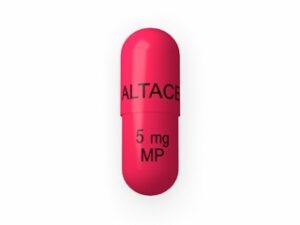
Atacand (Candesartan) — Patient-Friendly Medicine Guide (Australia)
Atacand contains candesartan, a medicine used to treat certain cardiovascular conditions. It belongs to a group of medicines called angiotensin II receptor blockers (ARBs). This guide explains what Atacand is, how it works, how it’s used, and important safety information in a clear, practical way for people in Australia.
Note: Always follow the instructions provided by your healthcare professional and read the Consumer Medicine Information (CMI) supplied with your product.
1) Basic product information
| Item | Details |
|---|---|
| Brand name | Atacand |
| Active ingredient | Candesartan |
| Medicine class | Angiotensin II receptor blocker (ARB) |
| Main uses | High blood pressure; heart failure (selected patients) |
| Common strengths (vary by product) | Often available in multiple tablet strengths (e.g., 4 mg, 8 mg, 16 mg, 32 mg) |
| Typical form | Oral tablets |
2) How Atacand works (mechanism of action)
Candesartan blocks the action of angiotensin II at the AT1 receptors. Angiotensin II is part of the body’s hormone system (the renin–angiotensin–aldosterone system, or RAAS) that helps regulate blood pressure, fluid balance, and blood vessel tone.
- Vasodilation: Blood vessels relax and widen, which can lower blood pressure.
- Reduced strain on the heart: Less resistance in the blood vessels can help the heart pump more efficiently.
- Lower aldosterone effects: This can reduce fluid and sodium retention (helpful in heart failure).
Overall, Atacand helps improve cardiovascular function by lowering the workload on blood vessels and the heart.
3) Pharmacokinetics (how the body processes Atacand)
Pharmacokinetics describes how a medicine is absorbed, distributed, metabolised, and eliminated.
- Absorption: Candesartan is absorbed after oral dosing. Food generally does not significantly change overall exposure.
- Distribution: It binds to plasma proteins. It reaches therapeutic levels with once-daily use.
- Metabolism: Candesartan is not extensively broken down by the liver. It is metabolised to a limited extent.
- Elimination: The drug is removed from the body via both kidney and bile pathways (mixed renal and hepatic elimination). The half-life supports once-daily dosing for many people.
- Onset and steady effect: Blood pressure can begin to reduce within hours, with a fuller effect developing over days to weeks.
If you have kidney or liver concerns, your prescriber may adjust dosing or monitor you more closely.
4) What Atacand is typically used for (indications)
In Australia, Atacand (candesartan) is used for:
- High blood pressure (hypertension): To help reduce blood pressure and lower the risk of complications such as stroke, heart problems, and kidney disease.
- Heart failure (selected patients): To treat heart failure when the condition requires RAAS-blocking therapy. It may be used as part of a broader heart failure treatment plan.
Your clinician will consider your specific condition, other medications, and individual risk factors when deciding whether Atacand is suitable.
5) Dosing and how to take Atacand
Dosing can differ depending on the condition being treated, kidney function, blood pressure, and tolerability. Always use the exact schedule provided to you.
Typical dosing approach
- Once daily dosing: Many adults take Atacand once per day.
- Starting dose: Usually started at a lower dose, then adjusted.
- Individualised titration: Dose may be increased gradually to reach the desired blood pressure or heart failure response.
- Special populations: People with impaired kidney function, low blood pressure, or other specific medical conditions may require careful adjustment.
Timing
- You can take Atacand at the same time each day to maintain steady effects.
- Some people prefer taking it in the morning, while others take it at night. Choose what best fits your routine—unless your clinician advises otherwise.
If you miss a dose
- Take it when you remember if it’s not too close to the next dose.
- If it’s nearly time for the next dose, skip the missed dose and continue with the regular schedule.
- Do not double the dose to make up for a missed tablet.
6) When should you feel effects?
- Blood pressure: A reduction may be noticed within the first days, but maximum benefit can take several weeks.
- Heart failure: Improvement may be gradual, and your clinician may monitor symptoms, blood pressure, and laboratory results over time.
Even if you feel fine, continue taking Atacand as directed—it helps protect the heart and blood vessels over the long term.
7) Food interactions and taking Atacand with meals
Food interactions: Atacand can generally be taken with or without food. For many people, meals do not meaningfully affect overall exposure or effectiveness.
- Take it consistently (with or without food) based on what suits you.
- If you experience stomach upset, try taking it with a small meal or at a different time of day, and discuss ongoing issues with your healthcare professional.
8) Alcohol and medicine interactions
Alcohol: Alcohol can lower blood pressure and may increase the chance of dizziness or light-headedness, particularly when starting Atacand or increasing the dose.
- Be cautious with alcohol, especially if you already experience low blood pressure symptoms.
- Avoid binge drinking; keep within Australian health guidance for alcohol consumption.
Interactions with other medicines (important)
Several medication combinations may change blood pressure, kidney function, or potassium levels. Please discuss all current medicines with your pharmacist or prescriber, including non-prescription products.
- Medicines that raise potassium: e.g., potassium supplements, potassium-containing salt substitutes, or some diuretics that can increase potassium.
- Potassium-sparing diuretics: e.g., spironolactone or eplerenone (used in heart failure).
- NSAIDs (pain relief): Frequent or high-dose use of non-steroidal anti-inflammatory drugs (e.g., ibuprofen, naproxen, diclofenac) may reduce kidney function or blunt blood pressure benefits, especially in older adults or those with existing kidney disease.
- Other RAAS medicines: Combining with ACE inhibitors (such as enalapril or lisinopril) or other ARBs is usually avoided unless specifically advised, due to higher risk of kidney impairment and high potassium.
- Diuretics (“water tablets”): They can contribute to low blood pressure and dehydration, especially during the initial period.
- Lithium: Lithium levels may rise and become toxic when used with RAAS blockers; this combination requires close monitoring.
- Immunosuppressants and other agents affecting kidneys/potassium: May require monitoring.
If you’re unsure about an interaction, ask your pharmacist—this can prevent avoidable side effects.
9) Safety profile and possible side effects
Like all medicines, Atacand can cause side effects. Many are mild and improve as your body adjusts, while others require medical attention. Your prescriber may also monitor blood tests to check kidney function and potassium.
Common or relatively common side effects
- Dizziness or light-headedness, especially when starting or increasing the dose
- Low blood pressure symptoms (feeling faint)
- Headache
- Fatigue
Blood test changes (important)
- Potassium levels may increase (hyperkalaemia). This is particularly relevant if you also take potassium supplements, potassium-sparing diuretics, or have kidney impairment.
- Kidney function can change in some patients, especially during dehydration, illness, or when used with NSAIDs or diuretics.
Serious side effects (seek medical advice urgently)
Contact urgent medical services or seek immediate advice if you develop:
- Swelling of the face, lips, tongue, or throat; difficulty breathing (possible allergic reaction)
- Severe dizziness or fainting
- Signs of very high potassium (e.g., unusual weakness, palpitations), particularly if you have kidney issues
- Marked reduction in urine output or signs of kidney trouble
Pregnancy and breastfeeding considerations (key safety note)
RAAS-blocking medicines such as candesartan are generally not recommended during pregnancy and can be harmful to the developing baby. If pregnancy is possible, discuss contraception and planning with your healthcare professional. If you become pregnant while taking an ARB, seek urgent medical advice to review your treatment.
Breastfeeding guidance may vary; discuss with your healthcare professional to determine the most appropriate option for you.
Who needs extra monitoring?
- People with kidney disease
- People with low blood pressure or risk of dehydration
- Older adults or those taking multiple cardiovascular medicines
- People using medications that affect potassium or kidney function
10) Practical tips for using Atacand safely
- Stay hydrated: Dehydration increases the risk of kidney-related side effects and dizziness. Drink fluids regularly unless your clinician has restricted fluids.
- Check your blood pressure: If you have a home monitor, record readings at consistent times and share results with your clinician.
- Attend lab tests: Kidney function and potassium are usually checked after starting and after dose changes.
- Be cautious during illness: If you develop vomiting, diarrhoea, fever, or poor fluid intake (“sick day” situations), your clinician may advise temporarily pausing some medicines. Ask your pharmacist for personalised guidance.
- Use a medication list: Keep an up-to-date list of all medicines and supplements to reduce interaction risk.
- Stand up slowly: If you feel dizzy, rise slowly from sitting or lying positions.
11) Alternative treatment options
Depending on your condition and medical history, clinicians may consider other medicines. Alternatives may include:
For high blood pressure
- ACE inhibitors (e.g., perindopril, enalapril) — another RAAS approach
- Other ARBs (e.g., losartan, valsartan, telmisartan)
- Calcium channel blockers (e.g., amlodipine)
- Thiazide-like diuretics (e.g., indapamide)
- Beta-blockers (e.g., metoprolol) for selected patients
For heart failure
- Other RAAS therapies based on individual suitability
- Beta-blockers and other heart failure medicines (depending on symptoms and overall plan)
Your clinician will choose the best option based on effectiveness, side effects, comorbidities, and blood test monitoring needs.
12) Market and legal context for Atacand in Australia
In Australia, medicines including Atacand are regulated under the Therapeutic Goods Administration (TGA) framework. Availability, product packaging, and labelling follow Australian regulatory requirements.
Online pharmacies in Australia typically require appropriate verification processes to ensure medicines are supplied safely and in line with Australian regulations and pharmacy standards.
For up-to-date information on availability, consult your preferred pharmacy and the TGA listings where applicable.
13) Recent guidance and monitoring trends (practical overview)
While product-specific information is always found in the CMI and your clinician’s advice, broader clinical guidance commonly emphasises:
- Blood tests after starting or changing doses (kidney function and potassium)
- Careful medication review to reduce interaction risk, especially with NSAIDs and potassium-altering drugs
- Safety in high-risk groups (older adults, kidney impairment, dehydration risk)
- Pregnancy prevention and urgent review if pregnancy occurs
Because recommendations can evolve, the safest approach is to use the most current advice from your pharmacist or prescriber and the latest consumer information for your specific product.
14) Delivery and availability (online pharmacy)
Atacand may be available through licensed online pharmacies depending on stock and your medication profile. Delivery availability varies by:
- State/territory and delivery address
- Stock levels and tablet strengths
- Processing times after order verification
- Cold-chain requirements (not typically required for Atacand tablets, but always follow product instructions)
To help prevent delays:
- Ensure your contact details are current
- Confirm the correct tablet strength and quantity
- Allow time for verification steps if required by the pharmacy
If Atacand isn’t immediately available, your pharmacy may offer ordering options or discuss suitable alternatives.
15) Storage and disposal
- Store below 25°C (unless your product label states otherwise).
- Keep in original packaging to protect from moisture and to identify the product.
- Keep out of reach of children.
- Do not use after expiry date.
- Disposal: Return unused or expired medicines to a local pharmacy take-back service where available. If not available, follow your local guidance.
16) FAQ
How long does it take for Atacand to lower my blood pressure?
Some reduction may occur within the first days, but the strongest effect often takes several weeks. Continue taking it daily as directed even if you feel well.
Can I take Atacand with other blood pressure medicines?
Often, yes—many people require combination therapy. However, the exact combination matters for safety and side effects. Tell your pharmacist about all medicines you take.
Does Atacand cause weight gain?
Weight changes are not commonly a direct effect of Atacand. If you notice rapid weight gain, swelling, or worsening breathlessness, contact your healthcare professional promptly, as it may indicate fluid retention or changes in heart failure.
Will Atacand affect kidney function?
In many patients, kidney function remains stable with monitoring. However, changes can occur—especially in those with pre-existing kidney disease, dehydration, or certain interacting medicines. Your doctor typically monitors kidney tests and potassium.
Can I use ibuprofen or other pain relief while taking Atacand?
Occasional use may be acceptable for some people, but frequent or high-dose NSAIDs can increase kidney risk and affect blood pressure control. It’s best to discuss your specific pain relief plan with your pharmacist.
What should I do if I feel dizzy after starting Atacand?
Dizziness can happen, particularly at the beginning or after a dose increase. Sit or lie down if you feel faint, rise slowly, and contact your healthcare professional if symptoms persist. Your clinician may adjust the dose.
Can I drink alcohol?
Alcohol may worsen dizziness or lower blood pressure further. If you choose to drink, do so moderately and monitor how you feel—especially after starting Atacand.
What if I forget a dose?
Take it when you remember unless it’s nearly time for the next dose. Skip the missed dose if close to the next one, and do not double.
Is Atacand safe in pregnancy?
Medicines in this class are generally not recommended during pregnancy due to risk to the baby. If pregnancy is possible, discuss contraception and urgent medication review if you become pregnant.
Need more help? For questions about your specific treatment, side effects, or interactions, speak with a pharmacist or healthcare professional. They can tailor advice to your medical history and current medicines.