
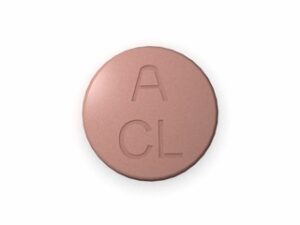

Avapro (Irbesartan) – Patient-Friendly Guide
Avapro is a brand of irbesartan, a medicine used mainly to treat high blood pressure and to protect the kidneys in certain people with diabetes and kidney disease. This guide explains what Avapro is, how it works, how it’s taken, key safety points, common interactions, and practical tips for using it effectively in Australia.
Basic product information
| Item | Details |
|---|---|
| Brand name | Avapro |
| Generic name | Irbesartan |
| Medicine class | Angiotensin II receptor blocker (ARB) |
| Common forms | Oral tablets |
| Typical dosing frequency | Often once daily |
| What it’s used for | High blood pressure; kidney protection in certain diabetes-related kidney disease |
How Avapro works (mechanism of action)
Avapro (irbesartan) belongs to the ARB family of medicines. In the body, a hormone called angiotensin II helps narrow blood vessels and stimulates salt and water retention. When angiotensin II levels are high or its effects are strong, blood pressure can rise and strain can increase on the heart and kidneys.
Irbesartan blocks the action of angiotensin II at the AT1 receptor. This leads to:
- Relaxation of blood vessels, which can lower blood pressure
- Reduced workload on the heart
- Kidney protective effects in certain patients, particularly where diabetes and protein in the urine are involved
- Lowering of harmful pressure inside the kidney filters
Pharmacokinetics (how the body handles the medicine)
“Pharmacokinetics” describes what happens after you take a dose—absorption, distribution, metabolism, and elimination. The details can vary among individuals, but the overall pattern for irbesartan is predictable.
- Absorption: After oral administration, irbesartan is absorbed into the bloodstream.
- Distribution: It binds moderately to blood proteins (primarily albumin).
- Metabolism: Irbesartan is metabolised mainly by the liver (including involvement of enzymes such as CYP2C9).
- Elimination: It is eliminated largely via bile and the digestive system, with some clearance via the kidneys.
- Time to peak effect: Blood levels typically rise to peak after a few hours.
- Duration: The medicine is designed for sustained blood pressure control, which is why many people take it once daily.
Typical use in Australia
In everyday practice, Avapro is commonly used for:
- Hypertension (high blood pressure): To reduce blood pressure and lower the risk of cardiovascular events.
- Diabetic kidney disease: Particularly in people with type 2 diabetes, kidney complications, and evidence of kidney involvement (such as protein in the urine), where kidney protection is a key goal.
Your exact treatment plan depends on your medical history, blood pressure readings, kidney function, and other medicines you take.
Indications (when Avapro is prescribed for)
Irbesartan is indicated for:
- Treatment of hypertension (high blood pressure).
- Renal protection in patients with type 2 diabetes who have kidney disease, especially with signs such as increased urinary albumin/protein.
Dosing and timing
Dosing should be individualised. Clinicians consider factors such as age, blood pressure, kidney function, fluid balance, and other medications. The sections below describe common patterns for guidance.
Typical starting and maintenance approach
- Most people take Avapro once daily, usually at the same time each day.
- Dose adjustments may be made based on blood pressure response and tolerance.
- In people with certain kidney or fluid balance issues, clinicians may start at a lower dose and monitor more closely.
When to take it
Many people take irbesartan in the morning or evening—either is generally acceptable. The key is consistency. If you were told a specific time, follow that advice.
If you miss a dose, don’t take double—take the next dose at your usual time (unless your pharmacist or clinician advises otherwise).
Food interactions
Irbesartan can generally be taken with or without food. Eating does not typically prevent the medicine from working, so you may choose what fits your routine.
However, if your doctor has made specific instructions related to digestion, kidney function, or other conditions, follow those directions.
Alcohol interactions and considerations
Drinking alcohol can affect blood pressure and may increase side effects such as dizziness or light-headedness, especially when you first start Avapro or after a dose change.
- Moderation is important: keep alcohol intake within recommended limits and consider avoiding sudden large amounts.
- Be cautious when standing up: alcohol can worsen postural dizziness.
- If you feel faint: sit or lie down and seek medical advice if symptoms persist.
Medicine interactions (important)
Several medicines can interact with irbesartan, either by affecting blood pressure, kidney function, potassium levels, or by changing drug concentrations. Tell your pharmacist about all medicines you take, including over-the-counter products and supplements.
Key interaction areas
- Other blood pressure medicines: combinations may further lower blood pressure (this may be intended, but it can increase dizziness in some people).
- Potassium-containing products: salt substitutes, potassium supplements, and some “natural” supplements may raise potassium levels.
- Diuretics (“water tablets”): some can increase risk of low blood pressure or affect kidney function, especially if dehydration occurs.
- Non-steroidal anti-inflammatory drugs (NSAIDs): frequent or high-dose NSAID use (e.g., ibuprofen, naproxen) can affect kidney function and may reduce the blood pressure-lowering effect in some cases.
- Medicines that affect kidney function or fluid balance: illness causing dehydration (vomiting, diarrhoea, fever) may make irbesartan harder to tolerate.
Triple therapy caution
Using irbesartan together with other drugs that block the renin-angiotensin system (such as another ARB or an ACE inhibitor) can increase the risk of kidney problems and high potassium in certain situations. Combination therapy is sometimes used under close supervision; do not combine without clinician guidance.
Safety profile (what to watch for)
Most people tolerate Avapro well. Like all blood pressure medicines, it can cause side effects. Some are mild and improve over time, while others require prompt medical attention.
Common side effects
- Dizziness or light-headedness
- Fatigue
- Nausea or mild stomach upset (less common)
- Headache
Less common but important risks
- Low blood pressure (hypotension): more likely after starting therapy, dose increases, or if you are dehydrated.
- Changes in kidney function: your clinician may monitor creatinine/eGFR, especially in the early weeks or with other interacting medicines.
- High potassium (hyperkalaemia): may not cause symptoms, but blood tests can detect it.
- Allergic reactions (rare): swelling of face/lips, breathing difficulties, or severe rash require urgent care.
When to seek urgent medical help
Contact urgent care or emergency services if you experience:
- Swelling of the face, lips, tongue, or throat
- Difficulty breathing or severe wheezing
- Fainting or severe dizziness
- Severe weakness, irregular heartbeat, or symptoms suggesting very high potassium
- Signs of severe dehydration or inability to keep fluids down
Practical use tips (to get the best results)
The following tips can help you use Avapro safely and effectively:
- Take it every day: consistent daily use is important for long-term blood pressure control and kidney protection.
- Check blood pressure: home monitoring can help track whether your dose is working.
- Stay hydrated (unless advised otherwise): dehydration increases the chance of low blood pressure and kidney stress.
- Attend blood tests: clinicians often monitor kidney function and potassium levels, particularly after starting and during dose changes.
- Stand up slowly: if you feel dizzy, rise gradually from sitting or lying down.
- Keep a medicine list: include all prescriptions, over-the-counter medicines, and supplements for your healthcare providers.
- Don’t stop suddenly: stopping ARBs can lead to blood pressure rising again; discuss changes with a clinician.
What to expect after starting (timing of effect)
Blood pressure may start improving within days, but full benefit can take several weeks. Kidney protection benefits may occur gradually over time as treatment continues.
If your blood pressure is not near your target after an appropriate period, the dose may be adjusted or additional medicines may be considered.
Special populations and considerations
- Older adults: may be more prone to dizziness and kidney function changes; monitoring may be more frequent.
- Kidney impairment: dosing and monitoring may need adjustment.
- Dehydration or vomiting/diarrhoea: blood pressure may fall too low; ask your healthcare professional about “sick day” guidance.
- Pregnancy: ARBs are generally not recommended during pregnancy. If pregnancy is possible, discuss contraception and risk urgently with your clinician.
Alternative options
There are several other medicine groups used for hypertension and kidney protection in appropriate patients. The best choice depends on your health profile, side effects, and treatment goals.
Common alternatives
- ACE inhibitors (e.g., enalapril, lisinopril): also reduce the renin-angiotensin system but work differently than ARBs.
- Other ARBs (e.g., losartan, valsartan, telmisartan): similar class, different dosing and tolerability.
- Calcium channel blockers (e.g., amlodipine): relax blood vessels through a different mechanism.
- Thiazide-like diuretics (e.g., indapamide): reduce fluid volume and help lower pressure.
- Beta-blockers (selected patients): often used when there are additional heart conditions.
If you experience side effects or have concerns, your pharmacist can discuss questions to ask your clinician about alternatives.
Market and legal context for Australia
In Australia, medicines are regulated through the Therapeutic Goods Administration (TGA). Product availability, prescribing requirements, and pharmacy supply rules are managed in line with Australian legislation and scheduling.
For consumers, it means:
- Medicines must be supplied through appropriate channels by authorised providers.
- Safety information, labelling, and consumer medicine information must meet regulatory standards.
- Online pharmacies should provide transparent product information, delivery timeframes, and clear contact options for help.
Always rely on the Australian product packaging and the official consumer information provided with your supply, and consult your pharmacist for guidance tailored to you.
Recent guidance and monitoring (practical perspective)
Guidance for ARB medicines commonly emphasises:
- Baseline and ongoing monitoring of kidney function and electrolytes (especially potassium) for safe use.
- Appropriate assessment during illness that can cause dehydration (e.g., vomiting/diarrhoea), which may increase risk of kidney issues and low blood pressure.
- Avoiding unnecessary dual renin-angiotensin blockade unless specifically directed and supervised.
- Individualised blood pressure targets based on age, cardiovascular risk, and comorbidities.
Your healthcare professional may request blood tests after starting or after dose changes, and you should follow their plan.
Delivery and availability (online pharmacy considerations)
Avapro (irbesartan) is typically available through Australian pharmacies in authorised supply networks. Availability can vary by strength and pack size. Many online pharmacies offer delivery across Australia, with processing times that depend on stock levels and verification steps.
What to expect when ordering
- Product verification: the pharmacy may verify details to ensure correct supply.
- Packaging: medicines should arrive in original packaging with appropriate labels.
- Delivery timeframes: depend on your location and the pharmacy’s dispatch schedule.
- Support: you should have access to a pharmacist for questions about use and interactions.
If you’re planning travel or have a chronic condition, consider ordering ahead to avoid running out.
FAQ
1. What is Avapro used for?
Avapro (irbesartan) is used to treat high blood pressure and, in certain people with type 2 diabetes and kidney disease, to help protect kidney function.
2. How quickly will Avapro lower my blood pressure?
You may notice blood pressure changes within days, but fuller effect can take several weeks. Your clinician may adjust the dose depending on your readings and tolerance.
3. Can I take Avapro with food?
Yes. Avapro can usually be taken with or without food.
4. What time of day is best to take Avapro?
Many people take it once daily at a consistent time. Morning or evening are commonly used. Choose a time that you can maintain daily unless your pharmacist or clinician advises otherwise.
5. What should I do if I miss a dose?
Take it when you remember unless it’s close to the time for your next dose. Don’t take a double dose. If unsure, ask a pharmacist for advice based on your schedule.
6. Does Avapro interact with alcohol?
Alcohol may worsen dizziness or lower blood pressure. If you drink, keep it moderate and be cautious, especially when standing up.
7. Are there medicines I should avoid with Avapro?
Inform your pharmacist if you take NSAIDs (regular/high dose), potassium supplements or salt substitutes, other blood pressure medicines, or medicines that affect kidney function. Avoid combining multiple blood pressure medicines that target the renin-angiotensin system unless supervised.
8. Will I need blood tests?
Often yes. Monitoring kidney function and potassium levels is important, particularly after starting treatment or increasing the dose.
9. What side effects are most common?
Common effects include dizziness, fatigue, and occasionally headache. Seek urgent advice for signs of severe allergic reaction, fainting, or symptoms that suggest very high potassium or kidney problems.
10. What if I’m dehydrated or I have vomiting/diarrhoea?
Dehydration can increase risks with ARB medicines. Seek advice promptly for “sick day” guidance and whether to pause temporarily—this should be tailored to your health status.
11. What are alternatives to Avapro?
Alternatives may include other ARBs, ACE inhibitors, calcium channel blockers, or diuretics. The best option depends on your blood pressure goals, kidney function, and other conditions.
12. Is Avapro suitable for everyone?
Not necessarily. People with certain kidney artery conditions, those at risk of very high potassium, and individuals who are pregnant or planning pregnancy require special assessment. Discuss your situation with a pharmacist or clinician.