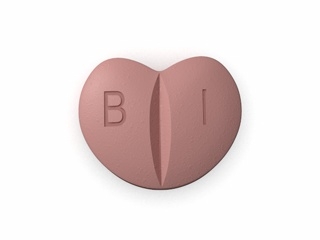

Zebeta (Bisoprolol) — Patient-Friendly Guide (Australia)
Zebeta is a brand of bisoprolol, a medicine from the beta-blocker group. It is commonly used to manage heart conditions by slowing the heart rate and reducing how hard the heart must work. This guide explains how Zebeta works, how it’s typically taken, what to watch for, and important safety information.
Always follow the instructions provided by your healthcare professional. If you are unsure about your dose or timing, ask your pharmacist or clinician.
Quick Product Information
| Feature | Details |
|---|---|
| Medicine name | Zebeta (bisoprolol) |
| Medicine type | Beta-blocker (selective beta-1 blocker) |
| Common uses | High blood pressure, angina, heart failure (depending on individual treatment plans) |
| How it works | Reduces heart rate and workload |
| Typical dosing timing | Often once daily (follow your prescribed schedule) |
| Food interaction | Generally can be taken with or without food |
What Is Bisoprolol (Zebeta)?
Bisoprolol is a heart-focused medicine that belongs to the class known as beta-blockers. Beta-blockers help control symptoms and reduce strain on the heart by blocking certain adrenaline effects. In many people, this leads to improved blood pressure control and fewer episodes of certain cardiac symptoms.
How Zebeta Works (Mechanism of Action)
Zebeta contains bisoprolol, which primarily blocks beta-1 receptors in the heart. This results in:
- Slower heart rate (less frequent heartbeats)
- Reduced force of heart contraction (less workload)
- Lower oxygen demand of the heart muscle
- Reduced blood pressure over time
By lowering the heart’s workload, bisoprolol can help reduce symptoms and may support long-term cardiovascular health in appropriate conditions.
Pharmacokinetics (How Your Body Handles It)
While individual responses vary, the following points help explain how bisoprolol behaves in the body. Understanding this can help with timing and consistency.
- Absorption: Bisoprolol is absorbed after oral dosing. It has good availability for many people.
- Distribution: The medicine travels through the bloodstream and reaches target tissues, especially the heart.
- Metabolism: Bisoprolol is processed partly by the liver and partly eliminated through the kidneys (so both organ function and individual health factors can matter).
- Elimination: It leaves the body more slowly than short-acting beta-blockers, supporting once-daily regimens in many cases.
- Peak and duration: Blood levels rise after dosing and then gradually decline; timing is designed to maintain a steady effect.
If you miss a dose, do not double up without medical advice. Keeping dosing consistent is important for stable effects.
Typical Uses and Indications in Australia
The exact indication depends on your personal health history and clinical assessment. Common uses include:
- Hypertension (high blood pressure): Helps reduce blood pressure and associated cardiovascular risk.
- Angina pectoris: Helps reduce chest pain by improving oxygen balance in the heart.
- Chronic heart failure: In some patients, bisoprolol may be part of a heart-failure regimen to improve symptoms and long-term outcomes.
Your prescriber may also consider bisoprolol for other cardiovascular or rhythm-related conditions depending on local clinical guidelines and your situation.
When and How to Take Zebeta (Timing & Routine)
Many people take bisoprolol once daily. Some regimens may require different schedules. Follow your healthcare professional’s instructions and the label on your medicine pack.
Best timing tips
- Choose a consistent time each day (e.g., morning or evening).
- Be consistent: changing times frequently may make blood pressure or heart rate fluctuations more likely.
- If advised once daily, taking it at the same time each day helps maintain steady effect.
With or without food
Zebeta is generally taken with or without food. If your stomach feels unsettled, taking it with food may help. Always follow specific instructions given for your formulation and dose.
Food Interactions
In most patients, food does not create major problems for bisoprolol dosing. However, general health and diet still matter:
- Maintain hydration: If you experience dizziness, ensure adequate fluid intake (unless restricted for medical reasons).
- Avoid sudden diet changes that can affect blood pressure (for example, very low salt diets should be discussed).
- Discuss supplements: herbal products can interact with blood pressure and heart rate.
If you notice unexpected side effects after meals, record the timing and contact your pharmacist or clinician.
Alcohol and Medicine Interactions
Alcohol can affect blood pressure and may increase dizziness, especially when combined with medicines that lower heart rate and blood pressure.
General guidance
- Limit or avoid alcohol if you feel light-headed or have low blood pressure.
- Start cautiously: if you choose to drink, consider small amounts and see how you feel.
- Do not combine heavily if you take other blood pressure medicines or have heart failure.
Why this matters
Bisoprolol may contribute to lower blood pressure and slower heart rate. Alcohol can also lower blood pressure in some people, increasing the chance of faintness or falls.
Interactions With Other Medicines
Tell your healthcare professional and pharmacist about all medicines you use, including over-the-counter products, vitamins, and herbal supplements. Some medicines can increase side effects or affect heart rhythm.
Examples of medicines that may interact
- Other heart-rate lowering medicines (e.g., certain calcium-channel blockers such as verapamil or diltiazem): can increase the risk of bradycardia (slow heart rate) or low blood pressure.
- Antiarrhythmics (medicines for rhythm problems): may require careful monitoring.
- Blood pressure medicines (e.g., ACE inhibitors, ARBs, diuretics): may enhance blood pressure-lowering effect.
- Diabetes medicines and insulin: beta-blockers can sometimes mask symptoms of low blood sugar (like fast heartbeat).
- Clonidine: stopping clonidine abruptly can cause blood pressure rebound; changes should be managed carefully.
- Some antidepressants or antipsychotics: may affect heart rhythm in certain cases.
This is not a complete list. Your pharmacist can check for interactions based on your full list of medicines.
Dosage: How Zebeta Is Commonly Used
Dosing depends on the condition being treated, your heart rate, blood pressure, age, kidney/liver function, and how you respond. Your clinician will aim for the safest effective dose.
General dosing approach (patient overview)
- Start low, go slow: beta-blockers are often introduced gradually to reduce side effects.
- Adjust based on response: heart rate and blood pressure guide dose changes.
- For some conditions (such as heart failure), titration can take weeks to reach a target dose.
Typical strengths (availability may vary)
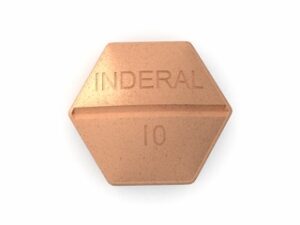
Zebeta is commonly supplied in tablets of different strengths. The exact strength depends on the product you receive. Follow the tablet strength on your pack and your prescribed directions.
Do not change your dose or stop suddenly without medical guidance. Abrupt stopping of beta-blockers can worsen angina or cause rebound symptoms in some people.
Safety Profile: Side Effects and What to Expect
Most people tolerate bisoprolol well. However, like all medicines, it can cause side effects. Many effects are related to reduced heart rate or blood pressure and may improve as your body adjusts.
Common side effects
- Feeling tired or weak
- Dizziness, especially when standing up
- Headache
- Slow heart rate (bradycardia)
- Cold hands or feet
Less common but important effects
- Low blood pressure
- Worsening symptoms of circulation in people with peripheral vascular disease
- Sleep disturbances or unusual dreams
- Breathlessness in susceptible individuals (see “Who should be cautious” below)
Seek urgent help if
- Fainting or severe dizziness
- Chest pain that is new, severe, or worsening
- Severe breathlessness, wheezing, or swelling of the face/lips
- Signs of an allergic reaction (hives, rash, difficulty breathing)
Who Should Be Cautious (Important Precautions)
Inform your healthcare professional if you have any of the following, as bisoprolol may require extra caution:
- Asthma or COPD (beta-blockers can sometimes affect airways; bisoprolol is relatively beta-1 selective, but caution is still important)
- Very slow heart rate or certain heart rhythm conditions
- Heart block (conduction problems)
- Uncontrolled heart failure or recent worsening
- Poor circulation issues such as Raynaud’s phenomenon
- Diabetes, especially if you’re prone to hypos (low blood sugar symptoms may be masked)
If you develop wheezing or breathing difficulty, contact a clinician promptly.
Practical Use Tips
- Take it regularly: Beta-blocker benefits often depend on consistent daily use.
- Monitor symptoms: Note dizziness, fatigue, breathlessness, or changes in exercise tolerance.
- Check heart rate and blood pressure if advised: Your doctor may recommend home monitoring.
- Stand up slowly: To reduce dizziness from low blood pressure, move slowly from sitting or lying to standing.
- Carry a medicine list: If you visit urgent care, having your current medicines helps safety.
- Don’t stop suddenly: If you need to stop, your clinician will usually reduce gradually.
Managing missed doses
If you miss a dose, take it when you remember unless it’s close to the next dose. Do not double up. When in doubt, contact your pharmacist for advice based on your schedule.
Alternative Options
If Zebeta isn’t suitable due to side effects, interactions, or a different treatment goal, doctors may consider other medicines. Alternatives depend on your diagnosis and overall health.
Common alternative beta-blockers
- Metoprolol
- Atenolol
- Carvedilol (often used in heart failure regimens)
Non–beta-blocker options
For blood pressure or angina, other classes may include ACE inhibitors, ARBs, calcium-channel blockers, diuretics, nitrates, or other antianginal therapies. For heart failure, additional disease-modifying options may be considered.
Your prescriber can help compare suitability based on your condition, co-morbidities, and medication history.
Market and Legal Context for Australia
In Australia, medicines are regulated through the Therapeutic Goods Administration (TGA). Access to cardiovascular medicines is guided by product scheduling and prescribing rules set by Australian regulatory authorities. Pharmacy supply is designed to support safe use and appropriate patient counselling.
An online pharmacy should provide accurate product information, clear delivery options, and appropriate customer support. You should only buy medicines from reputable services that comply with Australian requirements.
Recent Guidance and Monitoring Considerations
Clinical practice evolves, and guidance may update over time based on new research and medication safety information. In general, for beta-blockers like bisoprolol, key ongoing principles include:
- Individualised titration to achieve benefits while minimising side effects.
- Monitoring of heart rate, blood pressure, and symptoms (especially during dose changes).
- Careful medication reconciliation to prevent interactions with other heart-rate lowering drugs.
- Safety education on not stopping suddenly and recognising red-flag symptoms.
If you receive new medications (including antibiotics or cough/cold products), check with your pharmacist to confirm they’re compatible.
Delivery, Availability, and Ordering (Australia)
Zebeta availability can vary by supplier and stock levels. If an item is out of stock, some pharmacies may offer an estimated restock date or alternatives based on your needs.
What to expect when ordering online
- Product verification: You should receive the correct brand and strength as listed.
- Packaging: Usually supplied in sealed manufacturer packs.
- Shipping timeframes: Depend on your location and the pharmacy’s dispatch schedule.
- Tracking: Many services provide tracking once dispatched.
If you have delivery instructions (e.g., safe place), update them before dispatch. If your medicine requires refrigeration (typically not the case for bisoprolol tablets), the product page should specify storage conditions clearly.
FAQ: Zebeta (Bisoprolol)
1) What is Zebeta used for?
Zebeta (bisoprolol) is used for conditions such as high blood pressure, angina, and in some patients, chronic heart failure. Your diagnosis determines the correct treatment plan and dose.
2) How long does it take to work?
Some effects, like lowering heart rate, can occur relatively soon after starting. Blood pressure improvements may take days to weeks. For heart failure and other longer-term goals, ongoing benefit is often assessed over weeks to months.
3) Should I take Zebeta in the morning or at night?
Many people take it once daily at a consistent time. Choose morning or evening based on what suits you and your clinician’s plan. If dizziness occurs, your clinician may suggest adjusting the timing.
4) Can I stop Zebeta if I feel better?
Do not stop suddenly unless your clinician advises it. Stopping abruptly can cause worsening symptoms (for example, angina) in some people. If discontinuation is needed, doses are usually reduced gradually.
5) What happens if I miss a dose?
Take it when you remember unless it is close to the next scheduled dose. Do not double up. If you’re unsure, ask your pharmacist for advice based on your dosing schedule.
6) Does bisoprolol affect breathing?
In some people—particularly those with asthma or chronic lung conditions—beta-blockers can make breathing symptoms worse. Bisoprolol is relatively selective for beta-1 receptors, but caution remains important. Seek advice if you notice wheezing or breathlessness.
7) Can I drink alcohol while taking Zebeta?
Alcohol can increase the chance of dizziness or low blood pressure. If you choose to drink, keep it moderate and monitor how you feel. Avoid heavy drinking, especially if you have low blood pressure or heart failure symptoms.
8) Is Zebeta safe for older adults?
Many older adults can take bisoprolol safely when monitored appropriately. Dosing often starts lower and is increased carefully based on blood pressure, heart rate, kidney and liver function, and overall tolerance.
9) Can bisoprolol interact with other medications?
Yes. Some medicines can slow heart rate further or lower blood pressure more strongly. Examples include certain calcium-channel blockers, antiarrhythmics, and some diabetes medications. Always provide your full medication list to your pharmacist.
10) What should I do if I get side effects?
Mild tiredness or dizziness may improve as your body adjusts. However, if you experience severe dizziness, fainting, significant breathlessness, or chest pain, seek urgent medical help. For ongoing bothersome side effects, contact your clinician to discuss dose adjustment.
Summary
Zebeta (bisoprolol) is a beta-blocker used for cardiovascular conditions including high blood pressure and angina, and in selected patients, chronic heart failure. It helps by reducing heart rate and workload, lowering the strain on the heart. For best results, take it at the same time each day as directed, avoid stopping suddenly, and discuss any side effects or medication interactions with your pharmacist or healthcare professional.
If you’d like, you can share your country/region in Australia and your current medicines (without personal identifiers), and I can help you identify common interaction checks and practical questions to ask your pharmacist.