

Micardis (Telmisartan) — Patient Guide (Australia)
Micardis contains telmisartan, a medicine used to treat high blood pressure and to reduce the risk of certain cardiovascular events in people at higher risk. This guide explains how it works, how to take it, what to expect, key interactions and safety points, and how it fits into routine care in Australia.
Always follow the dosing instructions provided with your medicine and the advice of your healthcare professional.
Quick overview
- Medicine: Micardis (telmisartan)
- Common uses: High blood pressure; reducing cardiovascular risk in certain adults
- Class: ARB (angiotensin receptor blocker)
- How it works: Helps relax blood vessels and lowers blood pressure
- Typical dosing frequency: Once daily
- Common side effects: Dizziness, tiredness, increased potassium (in some cases)
Basic product information
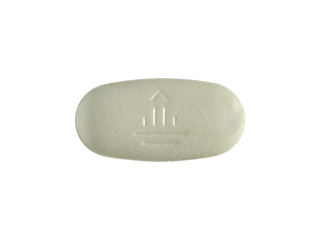
Micardis is available in different strengths depending on your treatment plan. Telmisartan is taken by mouth and is designed for daily use.
- Active ingredient: Telmisartan
- Drug type: Angiotensin II receptor blocker (ARB)
- Route: Oral (tablets)
If you are unsure which strength you have been given, check the label on the pack.
How Micardis (Telmisartan) works (mechanism of action)
Telmisartan blocks the action of angiotensin II, a substance in your body that narrows blood vessels and increases blood pressure. By blocking the angiotensin II type 1 (AT1) receptor, telmisartan helps:
- Relax and widen blood vessels, reducing resistance to blood flow
- Lower blood pressure
- Reduce stress on the heart over time
In addition to blood pressure control, telmisartan may reduce cardiovascular risk in some people with established disease or higher risk factors, as studied in clinical trials.
Pharmacokinetics (how your body handles telmisartan)
Pharmacokinetics describes absorption, distribution, metabolism, and elimination. The main practical points for patients are how long it lasts and how consistent the effect is across the day.
- Absorption: Telmisartan is absorbed after oral dosing. Peak levels typically occur several hours after taking a dose.
- Distribution: It binds strongly to plasma proteins.
- Metabolism: Telmisartan is metabolised mainly by conjugation (notably glucuronidation).
- Elimination: The medicine is eliminated largely through the bile into the gut, with a smaller portion in urine.
- Half-life: It has an extended half-life, supporting once-daily dosing.
Duration of effect: Because telmisartan’s action lasts long enough to cover 24 hours for most people, taking it once daily is usually sufficient for sustained blood pressure control.
Typical uses and indications in Australia
Micardis (telmisartan) is commonly used for:
- Hypertension (high blood pressure): To lower blood pressure and reduce the risk of cardiovascular complications.
- Cardiovascular risk reduction: In adults at high cardiovascular risk (for example, those with evidence of vascular disease, or other conditions making them higher risk), as supported by clinical evidence.
Your exact indication depends on your overall health profile and risk factors.
Dosing and timing — what to expect
Telmisartan is usually taken once daily. The dose you are prescribed will depend on your blood pressure, kidney function, potassium levels, and the presence of other conditions.
Common dosing patterns
- For high blood pressure: Often starts with a standard starting dose and may be adjusted based on response.
- For cardiovascular risk reduction: A particular target dose may be used according to clinical guidelines and your clinician’s assessment.
- Missed dose: Take it when you remember on the same day. If it’s close to the next dose, skip the missed dose and continue your normal schedule. Do not take double doses.
Note: Specific starting and maximum doses should be confirmed on your medicine packaging or by your healthcare professional.
When to take it
- You can usually take Micardis with or without food.
- Many people choose a consistent time each day (e.g., morning or evening) to make adherence easier.
- If you feel light-headed, consider taking it at a time when you can sit or rest comfortably.
Food interactions
Telmisartan can generally be taken with meals because food does not typically prevent its use. Some people may notice slight differences in absorption timing, but the overall effect is not usually clinically significant for routine use.
- With or without food: Usually acceptable.
- Consistency helps: Try to take it the same way each day (either always with food or always on an empty stomach) for steady routines.
Alcohol interactions and safety
Alcohol may increase the risk of dizziness or light-headedness, especially when you first start treatment or after dose changes, because both alcohol and blood pressure medicines can lower blood pressure.
- Limit alcohol if you notice dizziness, faintness, or falls.
- Be cautious with dehydration (for example, heavy drinking, heat exposure, vomiting or diarrhoea).
If you drink alcohol regularly, discuss an appropriate safe limit with your healthcare professional.
Medicine interactions — important examples
Interactions depend on your personal medication list. Always check with your pharmacist or doctor if you add or change any medicine, including over-the-counter products and herbal supplements.
Common interaction concerns with ARBs (like telmisartan)
-
Potassium levels (hyperkalaemia): Telmisartan can increase potassium. Caution is needed with medicines or supplements that also raise potassium, such as:
- Potassium supplements
- Some salt substitutes (often potassium-based)
- Potassium-sparing diuretics (e.g., spironolactone, eplerenone)
- NSAIDs (pain/inflammation medicines): Examples include ibuprofen, naproxen, and diclofenac. Combining ARBs with NSAIDs can affect kidney function, especially in older adults, people with dehydration, or those with kidney disease.
- Diuretics (“water tablets”): If you take diuretics, you may have a higher chance of low blood pressure or dehydration, particularly when starting telmisartan or increasing dose.
- Other blood pressure medicines: Synergistic effects can be beneficial but may also lead to lower blood pressure symptoms (dizziness, fainting).
- Renin-angiotensin system double therapy: Do not combine telmisartan with another ARB or an ACE inhibitor unless specifically directed by a clinician. In general, dual blockade can raise the risk of side effects such as kidney problems and high potassium.
Practical tips for reducing interaction risk
- Keep an up-to-date medication list (including supplements and “natural” products).
- Tell your pharmacist about all medicines you use for pain, colds, or inflammation.
- If you start an NSAID course, ensure you understand how it fits with your usual medicines.
Safety profile — who should be cautious?
Micardis is generally well tolerated, but like all medicines, it has possible side effects and precautions. Your clinician may monitor blood pressure, kidney function, and potassium levels.
Common side effects
- Dizziness (especially when standing up)
- Tiredness
- Low blood pressure symptoms (light-headedness)
- Increased potassium detected on blood tests
- Headache
Less common but important risks
- Kidney function changes: Particularly in people with existing kidney impairment, dehydration, or certain conditions.
- Hyperkalaemia (high potassium): Can be serious if severe. Symptoms are often subtle but may include weakness, abnormal heart rhythms, or feeling unwell.
- Allergic reactions: Rare, but seek urgent help if you develop swelling of the face/lips, difficulty breathing, or severe rash.
- Fainting: Can happen if blood pressure drops too low.
Who should avoid telmisartan or use extra caution?
- Pregnancy: ARBs are generally contraindicated during pregnancy due to risk to the unborn baby.
- Breastfeeding: Discuss with your healthcare professional before use.
- Significant kidney impairment or narrowing of kidney arteries: Requires careful monitoring.
- Dehydration: For example, after vomiting/diarrhoea or heavy sweating. Extra caution may be needed until you are rehydrated.
- History of high potassium: Close laboratory monitoring may be required.
Practical use tips (helping you get the best results)
- Take it every day: Blood pressure medicines often need steady use for best benefit, even if you feel well.
- Monitor blood pressure: Home readings can show whether your dose is working. Record results to share with your doctor.
- Get blood tests if asked: Telmisartan can affect kidney function and potassium. Monitoring helps keep you safe.
- Stand up slowly: If you feel dizzy, rise gradually from sitting/lying positions.
- Be cautious with “natural” supplements: Some supplements may affect blood pressure, kidney function, or potassium.
- Plan for illness days: If you get vomiting/diarrhoea or become dehydrated, ask your healthcare team whether to pause certain medicines and when to restart (your clinician’s advice may vary).
When to seek urgent medical advice
Contact urgent care or seek emergency help if you experience:
- Fainting, severe dizziness, or symptoms of shock
- Signs of an allergic reaction (swelling of face/lips, breathing difficulty, severe rash)
- Chest pain, severe weakness, or palpitations (especially if you have known potassium issues)
- Sudden reduced urine output or severe illness with dehydration
Alternative options to Micardis (Telmisartan)
If Micardis isn’t suitable (for example, due to side effects, interactions, or availability), healthcare professionals may consider other treatments for hypertension and cardiovascular risk reduction. Alternatives may include:
Other ARBs
- Losartan
- Valsartan
- Candesartan
ACE inhibitors
- Enalapril
- Lisinopril
- Ramipril
Other blood pressure medicine classes
- Calcium channel blockers (e.g., amlodipine)
- Thiazide-like diuretics (e.g., indapamide)
- Beta blockers (e.g., metoprolol) in selected cases
The “best” alternative depends on your medical history, kidney function, potassium levels, and cardiovascular profile. Don’t switch without clinician guidance.
Market and legal context for Australia
Micardis (telmisartan) is a prescription medicine available in Australia under medicines regulations. In Australia, medicines are supplied in accordance with local requirements and pharmacy practice standards.
Australia’s medicines landscape includes guidance from health authorities and professional bodies, as well as medicines regulation and safety monitoring. Ongoing updates may occur as new evidence and safety information become available.
For individual suitability and safe use, Australian patients should rely on information provided by their healthcare professional and the medicines documentation supplied with their product.
Recent guidance and monitoring considerations
While specific guidance can vary by patient group and changes over time, common themes in contemporary cardiovascular and hypertension care include:
- Regular blood pressure review: Dose adjustments may be needed over weeks to months.
- Safety monitoring: Kidney function and potassium may be checked, particularly after starting or changing dose, and in higher-risk patients.
- Medicines safety during illness: Dehydration from vomiting/diarrhoea may increase kidney risk with some blood pressure medicines. Clinicians often advise a “sick day” approach for specific drugs.
- Individualised therapy: Treatment aims to balance benefits (reducing cardiovascular risk) with tolerance and safety.
If you have kidney disease, diabetes, heart failure, or take diuretics, ask your pharmacist or doctor how monitoring should be handled for your situation.
Delivery and availability (online pharmacy)
Availability can vary by strength and tablet count. Many online pharmacies in Australia can deliver medicines to eligible addresses using standard shipping services. Delivery times depend on location, stock status, and your chosen shipping option.
- Stock availability: Some strengths may require additional processing time.
- Cold-chain: Telmisartan tablets typically do not require refrigeration.
- Order tracking: Many services provide tracking details once dispatched.
If you need Micardis urgently, check current stock status before placing your order.
FAQ about Micardis (Telmisartan)
1) How quickly will Micardis start working?
Blood pressure lowering may begin within the first days, with fuller effect often seen over several weeks as your body adjusts. Continue taking it daily to maintain control.
2) Should I stop Micardis if my blood pressure becomes too low?
Do not stop suddenly without medical advice. If you experience dizziness, fainting, or readings that are consistently low, contact your healthcare professional promptly for review and possible adjustment.
3) Can I take Micardis with other blood pressure medicines?
Often yes—combination therapy can be effective. However, medicines must be selected to suit your risk profile and to avoid unnecessary duplication that increases side effect risk. Always confirm with your clinician or pharmacist.
4) What should I do if I miss a dose?
Take it as soon as you remember on the same day. If it is near the next dose, skip the missed dose and resume your normal schedule. Do not double up.
5) Does Micardis cause a cough?
ARBs like telmisartan typically do not cause cough as frequently as ACE inhibitors. If you develop a persistent cough, discuss it with your healthcare professional.
6) Is it safe to drink alcohol while taking Micardis?
Moderate alcohol may be possible for some people, but alcohol can increase dizziness and lower blood pressure. If you notice light-headedness, avoid or limit alcohol and seek advice.
7) Are there foods I must avoid?
There are no special dietary restrictions for telmisartan. Try to maintain a consistent routine and follow any advice from your clinician regarding salt and overall diet. Avoid potassium-rich salt substitutes unless your clinician has approved them.
8) Why do I need blood tests?
Telmisartan can influence kidney function and potassium levels. Blood tests help ensure values remain in a safe range, especially after starting treatment or changing dose.
9) Can Micardis be taken during pregnancy or while breastfeeding?
Use in pregnancy is generally not recommended due to risk to the unborn baby. Breastfeeding requires individual assessment. Discuss options urgently with your healthcare professional if you become pregnant or are breastfeeding.
10) What are the main side effects to watch for?
Common effects include dizziness and tiredness. More serious warning signs include severe dizziness/fainting, swelling/allergic reactions, or symptoms suggestive of high potassium or kidney problems. Seek urgent help if symptoms are severe.
At-a-glance summary table
| Topic | Micardis (Telmisartan) |
|---|---|
| Drug class | ARB (angiotensin II receptor blocker) |
| Main benefit | Lowers blood pressure; reduces cardiovascular risk in selected adults |
| Typical dosing | Once daily (exact dose varies by person) |
| Food effects | Usually can be taken with or without food |
| Alcohol caution | May increase dizziness/low blood pressure |
| Key monitoring | Blood pressure, kidney function, potassium (as advised) |
| Important interactions | Potassium supplements/salt substitutes, potassium-sparing diuretics, NSAIDs, other RAAS blockers |
Remember: Micardis (telmisartan) is most effective when taken consistently. If you have questions about timing, side effects, or interactions with your other medicines, speak with your pharmacist or healthcare professional.