

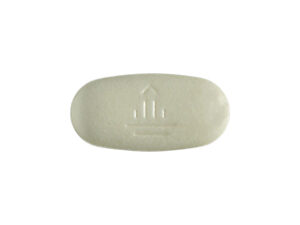
Lopressor (Metoprolol) – Patient Guide (Australia)
Lopressor is a medicine containing metoprolol, a beta‑blocker used to treat a range of heart and circulation conditions. This guide explains how it works, how it’s usually taken, common side effects to watch for, and practical tips to help you use it safely. It’s written for patients and carers and is suitable for use on an online pharmacy website in Australia.
Key Product Information
- Active ingredient: Metoprolol
- Brand name: Lopressor
- Medicine type: Beta‑1 selective (cardioselective) beta‑blocker (formulations may vary by country and presentation)
- Common uses: High blood pressure, angina, heart rhythm conditions, and after certain heart events (depending on clinical plan)
- How it’s taken: Usually by mouth, typically multiple times daily for immediate‑release products
- Important note: Your exact dose and schedule depend on the condition being treated and your health history.
How Lopressor Works (Mechanism of Action)
Metoprolol belongs to a group of medicines called beta‑blockers. It works mainly by blocking beta‑receptors in the heart (commonly referred to as beta‑1 receptors). This leads to:
- Slower heart rate
- Reduced force of heart contractions
- Lower blood pressure
- Less workload on the heart, which can reduce symptoms such as chest pain in angina
By decreasing the heart’s demand for oxygen and improving control of heart rhythm, metoprolol can help many people maintain more stable cardiovascular function.
Pharmacokinetics (Absorption, Distribution, Metabolism, Elimination)
Pharmacokinetics describes how the body handles a medicine. While specific values can vary by formulation and individual factors, key principles include:
- Absorption: Metoprolol is absorbed from the gastrointestinal tract after taking a tablet/capsule.
- Peak effect: Blood levels rise after dosing and then gradually decline as the drug is metabolised.
- Distribution: Metoprolol distributes into body tissues, including cardiovascular tissues.
- Metabolism: Metoprolol is primarily processed by the liver (commonly via CYP2D6).
- Elimination: Metabolites are excreted mainly through the kidneys.
Practical takeaway: Because metabolism occurs in the liver and clearance is influenced by other medicines, drug interactions and liver function can affect how quickly metoprolol is cleared from the body.
Typical Uses in Australia
Metoprolol (Lopressor) may be used to treat or help manage certain cardiovascular conditions, such as:
- High blood pressure (hypertension)
- Angina pectoris (chest pain related to reduced blood flow to the heart)
- Heart rhythm problems (certain types of arrhythmias)
- After a heart attack or in people at higher cardiac risk (as directed by a clinician)
- Other cardiovascular indications based on clinical assessment
Use depends on the diagnosis, your overall cardiovascular health, and your response to treatment.
Timing and How to Take Lopressor
Metoprolol works best when taken consistently. Your schedule depends on the specific formulation (immediate‑release vs extended‑release) and your prescribed plan.
Common timing approaches
- Regular spacing: Take doses at evenly spaced times to maintain steadier effects.
- Daily routine: Many people choose morning and evening doses, or a schedule as advised.
- Don’t stop suddenly: Beta‑blockers can cause rebound effects if stopped abruptly—especially if you’ve had heart disease.
Missed dose
- If you miss a dose, take it as soon as you remember unless it’s close to the time of the next dose.
- Do not double to make up for a missed dose.
Food Interactions (Can I Take Lopressor With Meals?)
For many people, metoprolol can be taken with or without food. However, food can sometimes influence absorption and comfort (for example, reducing nausea in some individuals).
- General advice: Take it consistently the same way each day (with or without food), unless your healthcare professional advises otherwise.
- If you experience stomach discomfort: Consider taking your dose with a meal or snack.
Important: If you have been specifically advised on timing or food, follow that plan.
Alcohol and Medicine Interactions
Alcohol
Alcohol may increase the blood‑pressure lowering effect of metoprolol and can worsen side effects such as dizziness or light‑headedness. It may also affect how well you tolerate exercise and hydration changes.
- Recommendation: Keep alcohol intake moderate and monitor how you feel.
- Avoid excess alcohol: Particularly when starting or adjusting your dose.
- Seek urgent advice: If you faint, have severe dizziness, or feel unusually unwell.
Common medicine interactions
Because metoprolol is metabolised in the liver and affects heart rate and blood pressure, interactions can be clinically important. Examples include:
- Other medicines that slow the heart (e.g., some calcium channel blockers like verapamil or diltiazem) may increase the risk of a slow heart rate or low blood pressure.
- Antiarrhythmics may increase the likelihood of rhythm or conduction effects.
- Some antidepressants (notably those that inhibit CYP2D6) can raise metoprolol levels, potentially increasing side effects.
- Some antipsychotics and other drugs affecting liver enzymes may influence metoprolol concentrations.
- Diabetes medicines (insulin or tablets): beta‑blockers can mask low blood sugar symptoms (e.g., tremor or palpitations). Blood sugar management may require closer monitoring.
- Clonidine (and other central antihypertensives): stopping clonidine suddenly can be risky; beta‑blockers should not be stopped abruptly either.
- Respiratory medicines: beta‑blockers can potentially reduce response to some bronchodilators, especially at higher doses or in non‑selective situations.
Always check interactions: Before starting a new medicine (including herbal products and supplements), ask your pharmacist or healthcare professional.
Indications and Clinical Reasons It May Be Prescribed
“Indication” means the condition a medicine is intended to treat. Metoprolol is commonly indicated for cardiovascular conditions including:
| Condition | How Lopressor may help | What you may notice |
|---|---|---|
| Hypertension | Lowering heart rate and reducing cardiovascular workload to help reduce blood pressure | Often no immediate symptom change; blood pressure improves over time |
| Angina (chest pain) | Reducing oxygen demand of the heart and helping stabilise heart rhythm | Fewer or less severe episodes; improved exercise tolerance |
| Arrhythmias | Controlling rate and helping regularise rhythm | Less palpitations or faster heart beats |
| Post‑heart event risk management | Supporting stable heart function and reducing future cardiac stress | Prevention-focused; monitored by follow-up assessments |
Dosing (General Guidance)
Dosing must be individualised. The following information is general and may not match your prescription exactly. Always follow the dose provided on your medicine label.
Factors that influence your dose
- Your diagnosis and severity
- Your age and other medical conditions
- Your heart rate and blood pressure
- Kidney and liver function
- Other medicines you take (particularly interaction risk)
- How you respond to treatment (side effects and effectiveness)
How dose adjustments are often handled
- Clinicians may start at a lower dose and increase gradually to reduce side effects.
- Heart rate and blood pressure are typically monitored during changes.
Do not change your dose or stop treatment without speaking to a healthcare professional. Beta‑blockers generally require gradual tapering rather than sudden discontinuation.
Safety Profile: Common and Serious Side Effects
Most people tolerate metoprolol well, but like all medicines it can cause side effects. Report side effects to your healthcare professional, particularly if they persist or worsen.
Common side effects
- Dizziness or light‑headedness (especially when standing)
- Fatigue or tiredness
- Headache
- Slow heart rate (bradycardia)
- Cold hands and feet
- Sleep disturbance or vivid dreams (in some people)
Less common but important side effects
- Shortness of breath or wheezing (more likely if you have breathing conditions)
- Worsening heart block or fainting if the heart becomes too slow
- Sexual dysfunction
Seek urgent medical help if you experience
- Fainting or severe dizziness
- Severe shortness of breath
- Chest pain that is new or significantly worse
- Signs of an allergic reaction (swelling of face/lips, trouble breathing, widespread rash)
Driving and operating machinery: If you feel dizzy or unusually tired, avoid driving or hazardous activities until you know how you respond to the medicine.
Practical Use Tips (How to Get the Best From Lopressor)
- Measure and track: If recommended, monitor blood pressure and pulse. Many patients find it helpful to record readings in a diary.
- Be consistent: Take doses at the same times each day. Set reminders if needed.
- Rise slowly: To reduce dizziness, stand up slowly from sitting or lying positions.
- Know your pulse target: Your clinician may advise a safe heart‑rate range. Ask what range is appropriate for you.
- Diabetes awareness: Beta‑blockers can mask fast heartbeat or tremor during low blood sugar. Use other symptoms and monitor glucose regularly if you have diabetes.
- Exercise cautiously: Metoprolol can reduce your maximum heart rate. If you exercise, increase activity gradually and follow medical advice.
- Don’t stop abruptly: Tapering is often necessary to avoid rebound symptoms such as increased angina or rapid heart rate.
Contact your pharmacist: For personalised advice about timing, missed doses, or interactions with new medicines.
Alternative Options
If metoprolol is not suitable (because of side effects, interactions, or your specific condition), clinicians may consider other medicines. Alternatives vary by indication and individual health factors and may include:
- Other beta‑blockers (e.g., bisoprolol, atenolol, nebivolol, carvedilol—depending on the condition)
- Non‑beta‑blocker blood pressure medicines (e.g., ACE inhibitors, ARBs, calcium channel blockers, thiazide‑type diuretics) depending on your diagnosis
- Anti‑angina treatments such as nitrates or other rate‑controlling approaches (based on clinical need)
- Rhythm‑specific therapies for arrhythmias, which may involve specialised medication strategies
Important: The “best” alternative depends heavily on your heart rate, blood pressure, rhythm type, lung history (e.g., asthma), and other medications.
Market and Legal Context for Australia (General Overview)
In Australia, medicines are regulated under the Therapeutic Goods Administration (TGA) framework. Products containing metoprolol are prescription medicines in Australia. Availability, packaging, and presentations (such as immediate‑release versus extended‑release) vary by brand and manufacturer.
When purchasing online, it’s important to use a legitimate Australian pharmacy or a pharmacy operating with appropriate authorisation and compliance. Look for:
- Clear product details and active ingredient information
- Proper labelling and safety information
- Reliable delivery estimates and tracking
- Privacy protections and secure payment
Supply may vary: Stock availability can change due to wholesaler and manufacturer supply schedules.
Recent Guidance and Ongoing Safety Considerations
Clinical guidance for beta‑blockers continues to emphasise safe use and careful monitoring. Common themes include:
- Individualised dosing based on heart rate, blood pressure, and tolerability
- Gradual withdrawal rather than sudden stopping
- Attention to interactions with medicines that affect liver metabolism or heart conduction
- Monitoring in special populations such as older adults, people with liver impairment, or those with conduction disorders
- Awareness of masking hypoglycaemia symptoms in people with diabetes
Your clinician may also advise additional monitoring depending on the reason you’re taking metoprolol (for example, after a cardiac event or during management of arrhythmias).
Delivery and Availability (Online Pharmacy)
Availability of Lopressor can vary depending on current stock levels and whether your preferred strength and pack size are in demand. Typical online pharmacy delivery options may include:
- Standard delivery: commonly a few business days (varies by location)
- Express delivery: available from some providers for faster turnaround
- Tracking updates: to confirm dispatch and delivery progress
Before ordering: Check the strength (e.g., mg) and pack size. If you’re unsure which product matches your medication history, ask a pharmacist to confirm.
FAQ – Lopressor (Metoprolol)
1) How quickly will Lopressor start working?
Some effects (such as reduced heart rate and improved angina control) may be noticed soon after starting or adjusting a dose. Blood pressure improvements and long‑term cardiovascular benefits typically develop over days to weeks. Your response can vary.
2) Can I take Lopressor if I have asthma or breathing problems?
Metoprolol is often described as beta‑1 selective, but at higher doses selectivity may reduce. If you have asthma, COPD, or wheezing, discuss this with your healthcare professional. They may adjust therapy or monitor you more closely.
3) What should I do if my heart rate becomes very slow?
If you notice symptoms such as faintness, severe dizziness, unusual breathlessness, or a very low pulse, contact a healthcare professional urgently. Heart rate can sometimes slow more than expected, especially after dose changes or with interacting medicines.
4) Will Lopressor affect my blood sugar?
In people with diabetes, beta‑blockers can mask some symptoms of low blood sugar (like a fast heartbeat or tremor). This does not remove the need to monitor glucose. Use your agreed diabetes monitoring plan.
5) Can I stop Lopressor when I feel better?
Do not stop suddenly. Even if symptoms improve, metoprolol may be protecting your heart and circulation. Stopping abruptly can worsen angina or cause rebound increases in heart rate and blood pressure. Tapering should be planned with a healthcare professional.
6) Is it safe to drink alcohol while taking Lopressor?
Moderate alcohol may be tolerated by some people, but it can increase dizziness or lower blood pressure. When starting or adjusting doses, it’s safest to limit alcohol and monitor how you feel.
7) What medicines should I avoid or be cautious with?
Be cautious with medicines that also affect heart rate or blood pressure, those that can influence liver enzymes (especially CYP2D6-related drugs), and certain diabetes medicines (because hypoglycaemia symptoms may be less noticeable). Always ask your pharmacist about your specific medicines.
8) Can I take Lopressor with other heart medicines?
Often, yes—combinations are sometimes used in cardiovascular care. However, combining medicines that slow the heart can raise the risk of bradycardia or conduction problems. Only use combinations recommended by your healthcare professional.
9) What side effects are considered “normal”?
Fatigue, mild dizziness, and cold extremities are common. If side effects are bothersome or persist, speak with your pharmacist or clinician. Severe symptoms should be assessed urgently.
10) How do I store Lopressor?
Store it according to the instructions on the pack—typically at controlled room temperature and away from moisture. Keep out of reach of children.
Disclaimer: This information is general and intended to support patient understanding. It does not replace advice from your healthcare professional or the instructions provided with your medicine. If you have concerns about side effects, interactions, or the right timing for your dose, speak with your pharmacist.