

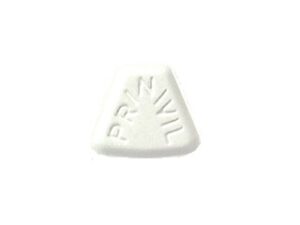

Cozaar (Losartan) — Patient-Friendly Guide
Cozaar is a brand of losartan, a medicine used to help protect the heart and kidneys and to manage blood pressure. This guide explains how Cozaar works, how it is used, what to expect, and important safety information—written for people in Australia.
| Product Snapshot (Cozaar / Losartan) | |
|---|---|
| Generic name | Losartan |
| Medicine type | Angiotensin II receptor blocker (ARB) |
| Main uses | High blood pressure; kidney protection in certain patients; heart failure support in selected cases |
| Common strengths* | 25 mg, 50 mg, 100 mg tablets (strengths may vary by product) |
| How it’s usually taken | Typically once daily (dose schedule can vary) |
| Onset of benefit | Blood pressure often improves within days; full effect may take several weeks |
| Food interaction | Can be taken with or without food |
| Key caution | Avoid in pregnancy; be careful with high potassium and certain drug combinations |
*Strengths listed are typical; always check the label for your exact product.
What is Cozaar?
Cozaar contains losartan, an ARB (angiotensin II receptor blocker). ARBs help relax blood vessels and reduce strain on the heart. By improving blood pressure and (in some conditions) reducing protein leakage from the kidneys, losartan can help lower the risk of complications over time.
How Cozaar works (Mechanism of Action)
In the body, a hormone system called the renin–angiotensin–aldosterone system (RAAS) helps regulate blood pressure and fluid balance. One component is angiotensin II, which tightens blood vessels and can promote fluid retention and hormonal signalling that increases blood pressure.
Losartan blocks the action of angiotensin II at the AT1 receptor. This leads to:
- Relaxation of blood vessels (lowering blood pressure)
- Reduced resistance to blood flow, easing the workload on the heart
- Lower aldosterone activity, which can affect salt and water balance
- Kidney protection effects in certain patients, particularly by reducing stress on kidney blood vessels
Pharmacokinetics (How the Body Handles Losartan)
Pharmacokinetics describes how the body absorbs, processes, and eliminates medicine.
- Absorption: Losartan is absorbed after dosing, with reliable oral uptake. Food generally does not prevent absorption.
- Conversion to active form: Losartan is metabolised in the liver to an active metabolite (often responsible for much of the blood-pressure effect).
- Peak levels: Blood levels rise over the hours after a dose; maximum effects for the active metabolite occur later than the parent drug.
- Duration: Losartan and its active metabolite support once-daily dosing for many people.
- Elimination: The medicine and its metabolites are cleared mainly by the liver into bile and removed via the gastrointestinal tract, with some renal contribution.
Individual factors such as age, kidney function, and liver function can influence how medicines behave—your clinician may adjust treatment accordingly.
Typical uses (Indications)
Cozaar is used for several cardiovascular and kidney-related conditions. Common indications include:
- High blood pressure (hypertension): Helps lower and control blood pressure.
- Kidney protection in people with certain risk factors: Losartan may be used to help slow kidney disease progression in people with hypertension and protein in the urine (commonly described as albuminuria), particularly when protection beyond blood pressure control is desired.
- Heart failure: In selected patients, losartan may be used when an ARB is appropriate for improving symptoms and outcomes.
- Other clinician-directed uses: Your doctor may prescribe losartan for specific circumstances based on guidelines and individual needs.
Use is determined by your medical history, blood pressure goals, kidney function, and other medicines you are taking.
How and when to take Cozaar (Timing)
Many people take losartan once daily, preferably at the same time each day. Consistent timing can help maintain steady blood levels and improve adherence.
- Same time daily: Choose a time that suits your routine (morning or evening).
- With or without food: Food does not usually require dose timing changes.
- Missed dose: If you forget a dose, take it when you remember unless it is close to your next scheduled dose. Do not double up.
- Stopping: Do not stop suddenly without medical advice—blood pressure may rise.
What to expect: Blood pressure may start improving within the first few days, but it can take several weeks to see the full effect. Kidney-related benefits and longer-term protection take longer and depend on overall risk management.
Food interactions
In general, losartan can be taken with or without food. However, food and beverage habits can still affect overall blood pressure and kidney health, particularly if you use:
- High-salt diets: Salt can make blood pressure harder to control.
- Licorice-containing products: Licorice may raise blood pressure in some people.
If you have dietary restrictions (for example, a kidney-friendly or low-salt plan), follow the guidance provided for your condition.
Alcohol interactions
Alcohol may increase the blood-pressure–lowering effect of Cozaar in some people and can lead to dizziness or light-headedness—especially after the first dose or after dose changes.
- Limit alcohol: If you choose to drink, do so in moderation.
- Watch for symptoms: Dizziness, faintness, or headaches may signal low blood pressure.
- Hydration matters: Dehydration (for example, from heavy drinking or illness) can increase the risk of kidney strain.
If you have a history of low blood pressure, dehydration, or kidney disease, consider discussing your alcohol intake with a healthcare professional.
Medicine interactions (Important)
Interactions depend on your dose and your individual risk factors. Below are commonly discussed interactions with ARBs like losartan.
Medicines that may affect potassium
Losartan can increase potassium levels in the blood. Caution is important if you take other medicines that raise potassium.
- Potassium supplements
- Salt substitutes containing potassium
- Potassium-sparing diuretics (e.g., spironolactone, eplerenone, amiloride, triamterene)
- Other drugs that raise potassium (depending on your regimen)
Why it matters: Too much potassium (hyperkalaemia) can be dangerous for heart rhythm. Your clinician may monitor blood tests.
NSAIDs (pain and inflammation medicines)
Non-steroidal anti-inflammatory drugs (NSAIDs) can affect kidney function and may reduce the blood pressure–lowering effect of some blood pressure medicines.
- Examples: ibuprofen, naproxen, diclofenac (and others)
- More risk: especially with long-term NSAID use, dehydration, older age, or existing kidney problems
If you use NSAIDs regularly, ask your pharmacist or doctor how to do so safely with losartan.
Other blood pressure medicines
Combining blood pressure medicines can be appropriate, but it may increase the chance of low blood pressure or dizziness, especially during dose changes.
Lithium
Losartan may increase the risk of lithium toxicity. This combination requires close monitoring if used.
Dual RAAS therapy
Using losartan with another medicine that blocks the RAAS (such as another ARB or an ACE inhibitor) is generally avoided in many situations due to higher risks like kidney impairment and high potassium—your clinician will guide the safest approach.
Herbal and “natural” products
Some supplements may affect blood pressure, kidney function, or electrolyte balance. Tell your healthcare professional about all supplements you take.
Dosing (general information)
Dose is individual and depends on the condition being treated, your kidney/liver function, blood pressure response, and tolerance.
- Common starting doses: Often begin at a lower dose and may be increased gradually.
- Maintenance doses: Many people take a once-daily dose that achieves adequate blood pressure control.
- Kidney or liver impairment: Dosing adjustments may be required.
- Heart failure: Doses may be started low and titrated based on response and safety.
Always follow your product label and healthcare advice. If you’re unsure about your dose schedule, check the packaging or speak with your pharmacist.
Safety profile (What to watch for)
Like all medicines, Cozaar/losartan can cause side effects. Many people tolerate it well, but it’s important to know what to monitor.
Common or expected side effects
- Dizziness or light-headedness (especially when starting or after dose changes)
- Fatigue
- Headache
- Low blood pressure symptoms (feeling faint)
Less common but important risks
- High potassium (hyperkalaemia): May be asymptomatic but can be serious. Blood tests help detect it.
- Kidney function changes: Especially in people with dehydration, certain kidney conditions, or when combined with specific medicines (e.g., NSAIDs).
- Allergic reactions: Rare, but seek help if swelling of face/lips occurs or if you develop severe rash.
- Angioedema: Though less common than with ACE inhibitors, swelling can occur and needs urgent care.
When to seek urgent help
Get urgent medical assistance if you experience:
- Signs of severe allergic reaction (swelling of face, throat, difficulty breathing)
- Fainting or severe dizziness
- Chest pain, severe palpitations, or symptoms that could suggest an abnormal heart rhythm
- Symptoms of rapid deterioration in kidney function (reduced urine output, severe weakness)
Pregnancy and breastfeeding
Losartan should not be used during pregnancy. ARBs can harm the developing baby when exposure occurs during pregnancy. If pregnancy is possible, discuss contraception and treatment plans with your healthcare professional.
Breastfeeding advice can vary by situation. If you are breastfeeding, ask your clinician or pharmacist for specific guidance.
Practical use tips (How to get the best results)
- Monitor blood pressure: Home monitoring can help you and your healthcare team confirm the medicine is working.
- Know your symptoms: If you feel dizzy, rise slowly from sitting or lying down.
- Keep up with blood tests: Kidney function and potassium may be checked after starting or changing dose.
- Stay hydrated: Especially during hot weather or illness, unless you’ve been told to restrict fluids.
- Aim for a kidney-friendly lifestyle: Reduce salt intake and follow any diet guidance.
- Medication list: Keep a current list of all medicines and supplements to reduce interaction risk.
Alternative options (Other medicines that may be considered)
If Cozaar isn’t suitable or isn’t achieving the desired results, healthcare professionals may consider other blood pressure or heart/kidney protective options, depending on the condition being treated.
Common alternatives include:
- ACE inhibitors (e.g., enalapril, lisinopril) — sometimes used for blood pressure and kidney protection
- Other ARBs (e.g., valsartan, irbesartan, telmisartan)
- Calcium channel blockers (e.g., amlodipine)
- Thiazide-like diuretics (e.g., indapamide) or other diuretics
- Beta-blockers (for certain heart conditions)
Medication choice depends on your health profile, blood test results, side effects, and risk factors.
Australia: market, legal and practical context
In Australia, medicines like Cozaar/losartan are regulated to ensure quality, safe use, and appropriate supply. Availability, pricing, and dispensing requirements can vary depending on the specific product, strength, and your eligibility for government medicines assistance.
Prescribing and supply requirements: In many cases, blood pressure medicines are provided through appropriate healthcare pathways. Dispensing rules are designed to help ensure you receive the right medicine for your condition and that you understand how to use it safely.
Monitoring culture: Australian healthcare practice commonly includes checking kidney function and potassium for ARBs—particularly when starting treatment, increasing the dose, or adding medicines that may affect electrolytes.
Recent guidance and general updates (high-level)
Clinical guidance for blood pressure management and kidney protection evolves as new evidence becomes available. While individual recommendations vary, current best-practice generally focuses on:
- Using evidence-based medicines to achieve blood pressure targets
- Checking kidney function and potassium when starting or adjusting RAAS inhibitors (including ARBs)
- Avoiding combinations that increase kidney risk (for example, certain RAAS “double therapy” approaches) unless specifically indicated
- Providing patient education on symptoms of low blood pressure and when to seek care
If you want, ask your pharmacist for the latest consumer information sheet that comes with your specific product.
Delivery and availability (Online pharmacy considerations)
Cozaar/losartan may be available online through approved Australian pharmacies and distributors. Availability can differ by strength and brand.
- Stock levels: Online availability may change; delivery timelines depend on local stock and processing times.
- Delivery area: Coverage varies by pharmacy. Confirm delivery options at checkout.
- Packaging: Medicines are typically supplied in manufacturer or pharmacy packaging with clear labelling.
- Cold chain: Cozaar tablets generally do not require special temperature-controlled shipping under typical conditions.
If you need a particular strength, consider checking stock first or asking a customer service team about the most reliable options.
FAQ — Cozaar (Losartan)
1) What is Cozaar used for?
Cozaar (losartan) is commonly used for high blood pressure and can also be used for kidney protection in certain patients and heart failure in selected situations. Your healthcare team selects the appropriate use based on your diagnosis and risk profile.
2) How quickly will it work?
Blood pressure may start to improve within a few days. For many people, the full effect can take several weeks. Keep using the medicine consistently while monitoring your results.
3) Can I take Cozaar with food?
Yes. Cozaar can be taken with or without food.
4) What should I do if I miss a dose?
Take the missed dose when you remember, unless it’s close to your next dose. Don’t double up. If you’re unsure, ask your pharmacist for advice based on your schedule.
5) Will alcohol affect my treatment?
Alcohol may increase the chance of dizziness or low blood pressure. Keep alcohol intake moderate and be cautious if you feel light-headed.
6) Are there medicines I should avoid while taking losartan?
Some medicines require extra caution, particularly those that affect potassium or kidney function, such as potassium supplements/salt substitutes and some NSAIDs. Always review your medication list with your pharmacist.
7) Do I need blood tests?
Often, yes—especially when starting losartan or changing dose. Blood tests may include kidney function and potassium.
8) Can losartan cause high potassium?
It can. Many people have no symptoms, so monitoring is important if you’re at higher risk or if you take other potassium-affecting medicines.
9) Can I take Cozaar if I have kidney disease?
Some people with kidney conditions are prescribed losartan specifically for protection, but dosing and monitoring may need to be tailored. Inform your clinician about your kidney history.
10) What side effects are most concerning?
Seek urgent help for severe allergic reactions (like facial swelling or breathing difficulty) or fainting/severe dizziness. Report persistent symptoms such as weakness, unusual palpitations, or reduced urine output promptly.
11) Is Cozaar safe during pregnancy?
No. Losartan is not suitable during pregnancy. If pregnancy is possible or you plan pregnancy, talk to your healthcare professional promptly about safe options.
12) What are common alternative medicines?
Alternatives can include other ARBs, ACE inhibitors, calcium channel blockers, and certain diuretics—depending on your condition. Your clinician will choose the most suitable option for you.
Important: This information is for general education. If you have questions about your specific situation, side effects, or interactions, speak with a pharmacist or healthcare professional. Always read the Consumer Medicine Information (CMI) for your exact product.