Uniphyl Cr (Theophylline) — Patient Information (Australia)
Uniphyl Cr is a medicine containing theophylline, presented in a controlled-release (CR) form. It is used for certain long-term respiratory conditions where bronchodilation (opening of the airways) is needed over an extended period.
This page explains how Uniphyl Cr works, how it’s typically used, important safety information, and practical tips to help you use it effectively. It’s written in patient-friendly language for readers in Australia.
Quick product overview
| Feature | What it means |
|---|---|
| Medicine | Theophylline (controlled-release) |
| Brand | Uniphyl Cr |
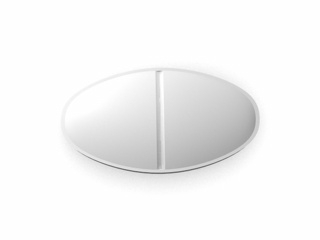
| Dosage form | Modified/controlled-release tablets |
| How it helps | Helps relax airway muscle and improve airflow |
| Typical dosing frequency | Often once or twice daily depending on strength and regimen |
| Key safety point | Theophylline has a narrow “effective-to-toxic” range in some people |
What is theophylline and what does Uniphyl Cr do?
Theophylline belongs to a group of medicines called xanthines. It helps reduce breathlessness by:
- Relaxing smooth muscle in the airways (bronchodilation)
- Reducing airway constriction and improving airflow
- Possibly reducing airway inflammation and improving breathing comfort in some patients
Because Uniphyl Cr is controlled-release, it is designed to release the medicine slowly and maintain therapeutic levels over time.
Mechanism of action (how it works)
The exact way theophylline helps with breathing involves multiple actions, including:
- Phosphodiesterase (PDE) inhibition: increases levels of cellular messengers that relax airway muscle.
- Adenosine receptor effects: may influence airway tightening and inflammation pathways.
- Improved mucus clearance and airway function in some people.
In everyday terms: Uniphyl Cr helps keep the airways more open and may reduce symptoms such as wheeze and shortness of breath.
Typical uses (indications)
Uniphyl Cr is used as a maintenance (ongoing) treatment in certain respiratory conditions. In Australia, theophylline is generally considered for selected patients when appropriate therapies are not fully controlling symptoms or when it is otherwise clinically suitable.
Common respiratory indications include:
- Chronic obstructive pulmonary disease (COPD) (in selected patients)
- Asthma (less commonly as routine therapy, but may be considered in selected cases as an add-on controller option)
Your clinician may also decide on other strategies around Uniphyl Cr depending on your symptoms, other medicines, and risk factors.
Pharmacokinetics (how the body handles it)
Understanding pharmacokinetics can help explain why theophylline requires careful dosing and why drug interactions matter.
- Absorption: Controlled-release tablets release theophylline gradually. Absorption can vary between individuals.
- Distribution: Theophylline distributes into body tissues, including the lungs.
- Metabolism: Theophylline is primarily metabolised in the liver (mainly by CYP enzymes).
- Elimination: Excreted through the kidneys. Clearance can be affected by age and health conditions.
- Half-life: Theophylline’s half-life varies; it can be longer in children, older adults, and in certain diseases.
Because clearance and levels vary, some people may need closer monitoring—especially when therapy is started, doses change, or interacting medicines are added.
Dosing — typical guidance for adults
Dosing for Uniphyl Cr depends on your age, symptom control, smoking status, liver function, and other medicines. Follow the dosing instructions on your medicine label.
In many clinical settings, theophylline is started at a conservative dose and adjusted based on response and tolerability. In some circumstances, blood theophylline levels may be checked to ensure safe and effective dosing.
How controlled-release dosing is usually taken
- Frequency: Commonly once daily or twice daily depending on the product strength and your plan.
- Consistency: Take at the same times each day.
- Swallow whole: Do not crush, chew, or split controlled-release tablets unless your product information says you can.
Missed dose
- If you miss a dose, take it when you remember if it is close to the next dose.
- Do not double up to make up for a missed dose.
- If you’re unsure, ask your pharmacist or clinician for advice.
Timing — best way to fit Uniphyl Cr into your day
Controlled-release theophylline is often most effective when taken at steady intervals.
- Take with water (unless your doctor or pharmacist advises otherwise).
- Avoid large dose changes without advice.
- Allow time for effects: symptom improvement may be gradual.
- Be mindful at night: Unwanted effects (like palpitations or nausea) may be more noticeable at bedtime; report persistent issues.
Food interactions
Food can affect how quickly theophylline is absorbed. For controlled-release products, maintaining a consistent approach can help reduce variability.
What to consider
- Take consistently: Many people are advised to take it the same way each day (with food or without food), but your healthcare provider may give personalised guidance.
- High-fat meals may alter absorption in some people.
- Grapefruit and some juices: While the interaction is mainly about metabolism enzymes, it’s wise to discuss grapefruit products with your pharmacist if you consume them regularly.
If you notice symptoms suggestive of high or low theophylline effects after changes in diet, timing, or meal size, let your clinician know.
Alcohol interactions
Alcohol can increase the risk of side effects and may affect theophylline metabolism. It may also worsen respiratory symptoms (for example, by affecting sleep quality).
- Limit alcohol while taking Uniphyl Cr unless advised otherwise.
- Avoid binge drinking.
- If you have liver disease, discuss alcohol use carefully with a clinician.
Medicine interactions — important safety information
Theophylline levels can change significantly with other medicines. This can lead to either reduced benefit or increased side effects.
Medicines and factors that may increase theophylline levels (higher side effect risk)
- Some antibiotics (for example, macrolides such as erythromycin/clarithromycin; fluoroquinolones in some cases)
- Cimetidine (used for stomach acid conditions)
- Some antifungals
- Flu vaccines/illness-related changes: acute illness can alter metabolism in some people
- Cardiac medications in certain combinations
- Smoking cessation: stopping smoking can raise theophylline levels (because cigarette smoke can increase metabolism)
Medicines and factors that may decrease theophylline levels (may reduce effectiveness)
- Rifampicin and other enzyme-inducing medicines
- Carbamazepine and other enzyme-inducing anti-epileptics
- St John’s Wort (an herbal product)
- Smoking: ongoing smoking may lower levels
Talk to a pharmacist about your full list
Include prescription medicines, over-the-counter products, vitamins, herbal remedies, and supplements. Pay extra attention if you start, stop, or change doses of any interacting medicine.
Clinical signs of too much or too little theophylline
Because theophylline has a narrow range in some individuals, knowing warning signs is important.
Possible signs of high levels
- Nausea, vomiting, stomach pain
- Headache, restlessness, tremor
- Fast heartbeat or palpitations
- Diarrhoea
- Seizures (rare but serious)
Possible signs of low levels / poor control
- Breathlessness that worsens or does not improve
- More frequent wheezing or daytime symptoms
- Increased need for reliever inhaler
If you suspect an overdose or severe side effects, seek urgent medical help.
Safety profile — who needs extra caution?
Uniphyl Cr can be safe and effective when used correctly, but theophylline requires careful attention due to possible side effects and interactions.
People who may need closer monitoring
- Older adults
- Children and adolescents (dosing is often more conservative and varies)
- People with liver disease or heart rhythm conditions
- Those with recent respiratory infections or significant illness
- People with uncontrolled hyperthyroidism or fever (can alter metabolism)
- People who smoke or who recently stopped smoking
Common side effects
- Nausea, indigestion
- Headache
- Restlessness
- Tremor
- Sleep disturbance
Serious side effects (seek urgent help)
- Severe or persistent vomiting
- Fainting, severe palpitations, or chest pain
- Seizures
- Severe allergic reaction (swelling of face/lips, trouble breathing)
Practical use tips for Australians
- Keep a simple schedule: Set alarms to take your dose at the same times each day.
- Don’t switch brands or strengths without advice: Changing formulations can affect release and absorption.
- Use a medication list: Bring your list to pharmacy visits or GP appointments.
- Be cautious with new antibiotics: Many antibiotics interact with theophylline. Ask the pharmacist to check interactions when you’re prescribed a new medicine.
- Manage smoking changes: If you plan to quit smoking, discuss the timing with a clinician because levels may rise.
- Watch caffeine intake: Coffee, tea, energy drinks, and chocolate can add to stimulant effects like palpitations or restlessness.
- Report persistent symptoms: If you feel your breathing is not controlled or you develop side effects, seek advice rather than adjusting on your own.
Alternative options (discuss with your clinician)
COPD and asthma management is individual. Alternatives to theophylline may include other long-term controller medicines and bronchodilators.
For COPD, common alternatives may include:
- Long-acting bronchodilators (LAMA and LABA)
- Inhaled corticosteroids for selected patients
- Combination inhalers (for example, LABA/LAMA or LABA/ICS depending on the case)
For asthma, common alternatives may include:
- Inhaled corticosteroids as the foundation for control
- LABA add-on therapy when needed
- Leukotriene receptor antagonists in selected cases
- Biologic therapies for specific severe asthma phenotypes
Which option is best depends on your diagnosis, severity, symptoms, triggers, lung function, and other medical factors.
Uniphyl Cr in the Australian market and legal context
In Australia, medicines are regulated under national frameworks that include the scheduling system and requirements for safe supply. Theophylline-containing products may be classified so that they are supplied under appropriate pharmacist or prescriber guidance, depending on current product details and regulatory status.
Supply arrangements can vary based on:
- the specific product strength and formulation
- the current scheduling requirements
- your health circumstances and medicine history
For the safest use, an online pharmacy typically encourages customers to ensure their medication information is accurate and up to date, and to consult a pharmacist for interaction checks when relevant.
Recent guidance and monitoring considerations
While guidance can vary by patient and local practice, common contemporary principles for theophylline use include:
- Review drug–drug interactions at initiation and whenever medicines change.
- Start low and adjust carefully to reduce risk of toxicity.
- Consider therapeutic drug monitoring (blood theophylline levels) in higher-risk situations or when symptoms suggest poor control or side effects.
- Assess comorbidities such as liver impairment, heart rhythm issues, and thyroid conditions.
- Maintain consistent dosing and lifestyle factors (especially smoking status and caffeine intake).
Your clinician may use local guidelines for COPD/asthma alongside pharmacology considerations for theophylline.
Delivery, availability, and where to obtain Uniphyl Cr
Uniphyl Cr availability can vary depending on stock levels and your preferred strength. In Australia, online pharmacies typically support:
- Secure ordering through a licensed pharmacy platform
- Estimated delivery windows based on your location
- Delivery to residential addresses (subject to local rules and service areas)
- Pharmacist checks where required for safety and suitability
Delivery times can be affected by factors such as courier schedules, peak demand, and whether the item is held in local stock. If Uniphyl Cr isn’t currently available, the pharmacy may be able to advise on expected restock dates or suitable options.
To ensure you don’t run out, consider reordering before your next supply runs low—particularly if you take it daily.
FAQ — Uniphyl Cr (theophylline) for Australian customers
1) Is Uniphyl Cr the same as regular theophylline?
No. Uniphyl Cr is a controlled-release formulation designed to release the medicine slowly. Different formulations can have different dosing schedules and absorption characteristics.
2) How long does it take to work?
Some people notice symptom improvement within days, but full benefit may take longer as your dosing becomes steady and the medicine reaches consistent levels. If symptoms worsen or you feel unwell after starting, contact a healthcare professional promptly.
3) Can I take it with my inhaler?
Many patients use Uniphyl Cr alongside inhaled medicines. Common inhalers include relievers and controllers. Theophylline does not replace inhaled bronchodilators or inhaled corticosteroids when they are part of your asthma/COPD plan—your overall regimen matters.
4) What should I do if I feel palpitations or severe restlessness?
These can be signs of intolerance or high theophylline levels. Stop any dose only if a clinician advises you to, but seek medical advice urgently, especially if symptoms are severe, persistent, or accompanied by dizziness, chest pain, or fainting.
5) Is it safe to drink coffee or energy drinks?
Caffeine can increase stimulant effects and may worsen side effects like tremor or palpitations. Keep intake moderate and consistent. If you experience side effects, discuss reducing caffeine and any dose adjustment with your pharmacist or clinician.
6) Can I drink alcohol while taking Uniphyl Cr?
Alcohol may increase the chance of side effects and can affect how your body handles the medicine. It’s generally best to limit alcohol and avoid binge drinking. If you have liver problems or drink regularly, seek personalised advice.
7) Do I need blood tests?
Some patients require therapeutic drug monitoring (blood theophylline levels), especially during dose changes, when interacting medicines are introduced, or if symptoms suggest toxicity or inadequate effect. Your clinician will decide what’s appropriate for you.
8) What if I start or stop smoking?
Smoking status can alter theophylline metabolism. Quitting may raise theophylline levels (increasing side effects risk). If you plan to change smoking habits, speak to a healthcare professional first.
9) Can I take it with food?
You may take it with or without food depending on your personal regimen, but consistency is important. Follow your specific instructions from your pharmacist or clinician and keep timing stable.
10) Are there alternatives if I can’t tolerate Uniphyl Cr?
Yes. Depending on your diagnosis (COPD or asthma) and severity, clinicians may recommend other bronchodilators and controller medicines. Discuss your symptoms and side effects to find the best fit.
Important patient reminder
Uniphyl Cr (theophylline) is a helpful medicine for selected patients, but it requires careful attention to dosing consistency and potential interactions. If you have questions about how to take it, whether other medicines you’re using may interact, or what to do if side effects occur, speak with a pharmacist or clinician.