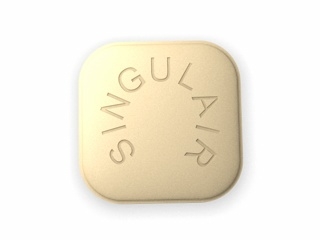

Singulair (Montelukast) – Patient Guide (Australia)
Singulair contains the medicine montelukast. It is used to help manage certain conditions that involve the airways, including asthma and allergic rhinitis (hay fever). This guide is written to be patient-friendly and practical, explaining how the medicine works, when to take it, and what to watch for.
Note: Always follow the directions provided with your product and consult your pharmacist or doctor if you are unsure.
Basic product information
| Brand | Active ingredient | Common forms | Typical uses |
|---|---|---|---|
| Singulair | Montelukast | Tablets (various strengths) and chewable tablets (for some age groups) | Asthma and allergic rhinitis (hay fever) |
How it comes in Australia: Singulair products are generally supplied through pharmacies. Availability may vary by strength and formulation.
What is montelukast and how does it work?
Montelukast is a leukotriene receptor antagonist. Leukotrienes are chemical messengers released during allergic inflammation and asthma attacks. They can cause:
- tightening of the airway muscles (bronchoconstriction)
- swelling (inflammation) in the airways
- increased mucus production
By blocking leukotriene receptors, montelukast can help reduce inflammation and help keep the airways open. This can make symptoms like wheeze, coughing, chest tightness and breathing difficulty less frequent or less severe.
Pharmacokinetics (how the body handles montelukast)
Pharmacokinetics describes what the body does with a medicine—how it absorbs, distributes, metabolises, and is eliminated.
- Absorption: Montelukast is absorbed after oral dosing. Absorption is generally not significantly affected by food.
- Peak levels: Peak concentrations occur after oral dosing (timing varies by formulation and patient).
- Metabolism: It is metabolised in the liver.
- Elimination: The medicine is cleared from the body through metabolism and excretion (mainly via bile and the gastrointestinal tract).
- Half-life (general concept): Montelukast has a duration of action that supports once-daily dosing for many patients.
If you have liver problems or are taking other medicines, ask your pharmacist or doctor for personalised guidance.
What is Singulair used for?
In Australia, montelukast is commonly used for:
- Asthma (maintenance treatment): helping prevent symptoms and reduce episodes in people who have asthma.
- Prevention of exercise-induced bronchoconstriction: in certain patients, to help reduce breathing difficulties during or after exercise.
- Allergic rhinitis (hay fever): to help relieve symptoms such as sneezing, runny nose, blocked nose, and itchy/watery eyes.
Important: Singulair is not a “reliever” medicine for sudden asthma attacks. It works over time to prevent symptoms. For acute symptoms, you will typically use a reliever inhaler (e.g., a short-acting bronchodilator) as directed by your clinician.
Timing: when should you take Singulair?
Montelukast is usually taken , and many patients take it in the evening because some asthma symptoms and allergies can feel worse at night.
- Typical schedule: once per day, often in the evening.
- Consistency matters: try to take it at the same time each day.
- If you miss a dose: take it when you remember if it is not close to your next dose. If it is near your next dose, skip the missed dose and continue your usual schedule.
If you are unsure what to do after a missed dose, ask your pharmacist for advice based on your schedule and age group.
How to take Singulair (practical use tips)
Practical tips can help you get the best results and avoid common mistakes:
- Take as directed: follow the dose strength and frequency provided with your product.
- Form matters: some patients use chewable tablets; others use standard tablets. Use the product type prescribed for you.
- With or without food: montelukast can generally be taken with or without food.
- Don’t stop suddenly without advice: asthma control can worsen if medicines are stopped. Discuss changes with your doctor.
- Keep using your inhalers as advised: controller and reliever medicines may both be needed.
- Track symptoms: note symptoms, triggers, and any side effects to help your clinician adjust treatment.
Food interactions
Montelukast is generally not significantly affected by food. This means you can usually take it:
- with a meal, or
- on an empty stomach
However, every person is different. If you notice that taking your dose with food changes how you feel (e.g., stomach discomfort), discuss it with your pharmacist and adjust to the approach that works best for you.
Alcohol and medicine interactions
Alcohol
There is no widely established direct interaction between montelukast and alcohol. That said:
- Alcohol can worsen asthma symptoms in some people by irritating airways or worsening sleep.
- Alcohol can also affect mood and sleep—important because montelukast has been associated with neuropsychiatric side effects in some reports (see safety section).
Practical advice: If you drink alcohol, do so in moderation and monitor for symptom changes. Seek advice if you notice worsening breathing or mood/sleep effects.
Medicine interactions
Montelukast can interact with other medicines in a few situations. Always tell your pharmacist and doctor about all medicines you take, including:
- prescription medicines
- over-the-counter medicines
- herbal products
- vitamins and supplements
Examples of interaction considerations:
- Medicines that affect liver metabolism: Because montelukast is metabolised in the liver, some medicines may change its levels.
- Other asthma/allergy medicines: Montelukast is often used alongside inhaled corticosteroids or antihistamines. Your clinician will tailor combination therapy.
One key practical point: don’t start, stop, or change doses of other medicines (especially asthma controllers) without medical guidance.
Indications (conditions where Singulair may be used)
Singulair is indicated to treat:
- Asthma (as an add-on or alternative option in appropriate patients) to help prevent symptoms.
- Exercise-induced bronchoconstriction (for some patients) to help reduce breathing difficulties related to exercise.
- Allergic rhinitis (seasonal or perennial) to relieve symptoms.
Your clinician will consider your age, symptoms, triggers, and current therapies when deciding if montelukast is suitable.
Dosing: typical adult and child regimens
Dosing depends on your age, the specific condition being treated, and the tablet strength available. Always use the exact dose recommended for you.
Common dosing patterns include:
| Age group | Typical once-daily dose pattern | Formulation notes |
|---|---|---|
| Adults and adolescents | Often taken once daily in the evening | Tablet strengths vary; follow your label directions |
| Children | Once daily (strength depends on age) | Some children use chewable tablets |
Do not change the dose unless your doctor or pharmacist advises you. If you are switching from one formulation/strength to another, make sure the dosing instructions match the new product.
Safety profile: what to know
Most people tolerate montelukast well. However, it is important to be aware of potential side effects and when to seek help.
Common side effects (may occur)
- headache
- stomach pain or discomfort
- nausea
- thirst or feeling unwell
Serious side effects and urgent warning signs
Seek urgent medical help if you experience signs of a severe allergic reaction, such as:
- swelling of the face, lips, tongue, or throat
- difficulty breathing
- severe rash or hives
Neuropsychiatric effects (important): Montelukast has been associated with mood and behaviour changes in some people. Report immediately if you (or your child) develop:
- agitation or aggression
- anxiety
- depression
- disturbing dreams or nightmares
- hallucinations
- sleep problems
- memory problems
- tremor
- suicidal thoughts
If any of these occur, contact a healthcare professional promptly to discuss whether treatment should continue.
When to be extra cautious
- History of mood disorders: discuss risks and benefits with your doctor.
- Children: closely monitor behaviour, sleep, and mood changes.
- Existing liver disease: ask a clinician if any monitoring or dose adjustment is needed.
Practical use tips for best results
Singulair works best when taken regularly as part of your overall asthma/allergy plan.
- Give it time: controller medicines help over days to weeks, not just overnight.
- Use a written asthma action plan: keep reliever and controller instructions clear.
- Check triggers: allergens, dust, smoke, exercise, cold air and respiratory infections can all affect symptoms.
- Watch for trends: if symptoms return, review adherence, technique (for inhalers), and triggers.
- Don’t replace relievers: Singulair is not for immediate relief during an acute attack.
Alternative options (depending on your condition)
There are several treatment approaches for asthma and allergic rhinitis. Alternatives may include:
For allergic rhinitis
- Intranasal corticosteroids (often first-line for moderate to severe symptoms)
- Oral antihistamines (e.g., non-drowsy options)
- Intranasal antihistamine sprays (in some cases)
- Allergen avoidance and, where appropriate, allergen immunotherapy
For asthma
- Inhaled corticosteroids (cornerstone controller therapy for many patients)
- Combination inhalers (controller + bronchodilator)
- Long-acting bronchodilators as add-on therapy in selected patients
- Short-acting reliever inhalers for breakthrough symptoms
Your clinician will consider your symptom pattern, severity, age, and any side-effect history to decide the most suitable regimen.
Market and legal context for Australia
In Australia, montelukast is regulated through the Therapeutic Goods Administration (TGA). Product availability and prescribing/dispensing requirements can vary by formulation and patient age group, consistent with Australian medicines regulation.
Pharmacies must comply with Australian requirements around dispensing, patient counselling, and privacy. Online pharmacies typically provide medicines through legitimate supply chains and may require identity and medication details for safe processing.
Consumer note: If you’re buying online, choose a reputable Australian pharmacy and verify the product details (strength, form, and expiry date) before use.
Recent guidance and safety communications
Over recent years, regulators and clinical bodies have issued safety communications regarding montelukast—particularly around neuropsychiatric reactions. Healthcare professionals may review risks and benefits before using montelukast, especially for allergic rhinitis in suitable patients.
What this means for you:
- Be alert to mood/sleep changes after starting montelukast.
- Report symptoms early to your clinician.
- Do not ignore changes in behaviour or mental state—especially in children.
If you have been prescribed Singulair, speak with your pharmacist about the latest product information sheet (consumer medicine information) for your specific strength and formulation.
Delivery and availability (online pharmacy)
Availability of Singulair may vary depending on strength, formulation, and supply. When ordering online in Australia, reputable pharmacies typically offer:
- Estimated delivery times displayed at checkout
- Tracking information where available
- Cold-chain handling if required (montelukast generally does not require refrigeration)
- Clear product details including active ingredient and strength
Storage: Store tablets in a dry place at room temperature, protected from moisture and heat. Keep out of reach of children.
Always check the expiry date on the package before taking the medicine.
FAQ – Frequently asked questions
1) Is Singulair used for asthma attacks?
No. Singulair (montelukast) is a preventive/controller medicine. It is not a substitute for a reliever inhaler during a sudden asthma attack. Use your reliever as directed in your asthma action plan.
2) How long does Singulair take to work?
Some people notice symptom improvement within days, but the full benefit may take longer. For allergic rhinitis and asthma control, it’s often assessed over weeks. If symptoms do not improve, talk to your pharmacist or doctor.
3) Can I take Singulair with food?
Yes. Montelukast is generally taken with or without food.
4) What time of day is best?
Many patients take it in the evening once daily. Choose a time that you can keep consistent, unless your clinician advises otherwise.
5) If I forget a dose, what should I do?
Take it when you remember if it’s not too close to the next dose. If you’re near the next dose, skip the missed one and continue your regular schedule. If you’re unsure, ask your pharmacist.
6) Does Singulair interact with other allergy or asthma medicines?
It is commonly used alongside inhaled corticosteroids and antihistamines. However, interactions can depend on your full medicine list. Always check with a pharmacist, especially if you take multiple medicines.
7) Can children take Singulair?
Montelukast has paediatric uses depending on age and formulation. Dosing is age-specific. Because neuropsychiatric effects have been reported, children should be monitored closely for mood and sleep changes.
8) What side effects should I watch for most closely?
Common effects include headache or stomach discomfort. Seek prompt advice for severe allergic reactions or for mood/behaviour/sleep changes such as agitation, anxiety, depression, disturbing dreams, hallucinations, or suicidal thoughts.
9) Is there an alcohol interaction?
No well-known direct interaction is typical, but alcohol may worsen asthma symptoms or sleep and could make mood-related effects harder to notice. Use moderation and monitor how you feel.
10) What are my options if Singulair doesn’t help?
Your clinician may adjust therapy by optimising inhaler technique, changing controller medications, or considering alternative treatments for allergic rhinitis or asthma (such as inhaled corticosteroids, antihistamines, or other add-on options).
Summary
Singulair (montelukast) is a once-daily medicine that helps reduce inflammation related to leukotrienes. It is used to help manage asthma, prevent some exercise-related breathing symptoms, and treat allergic rhinitis. For best results, take it regularly at the recommended time and continue using other asthma medicines as advised.
Most important safety message: monitor for changes in mood, behaviour, sleep, or mental state—particularly in children—and contact a healthcare professional promptly if these occur.