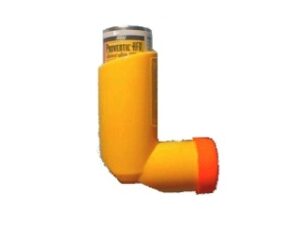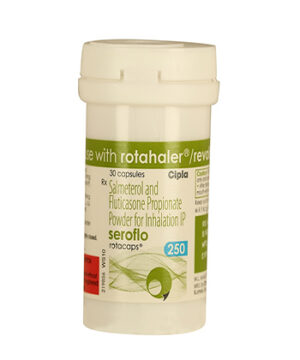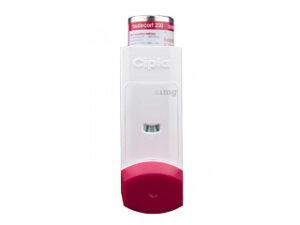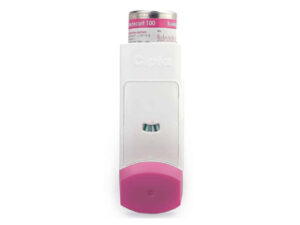
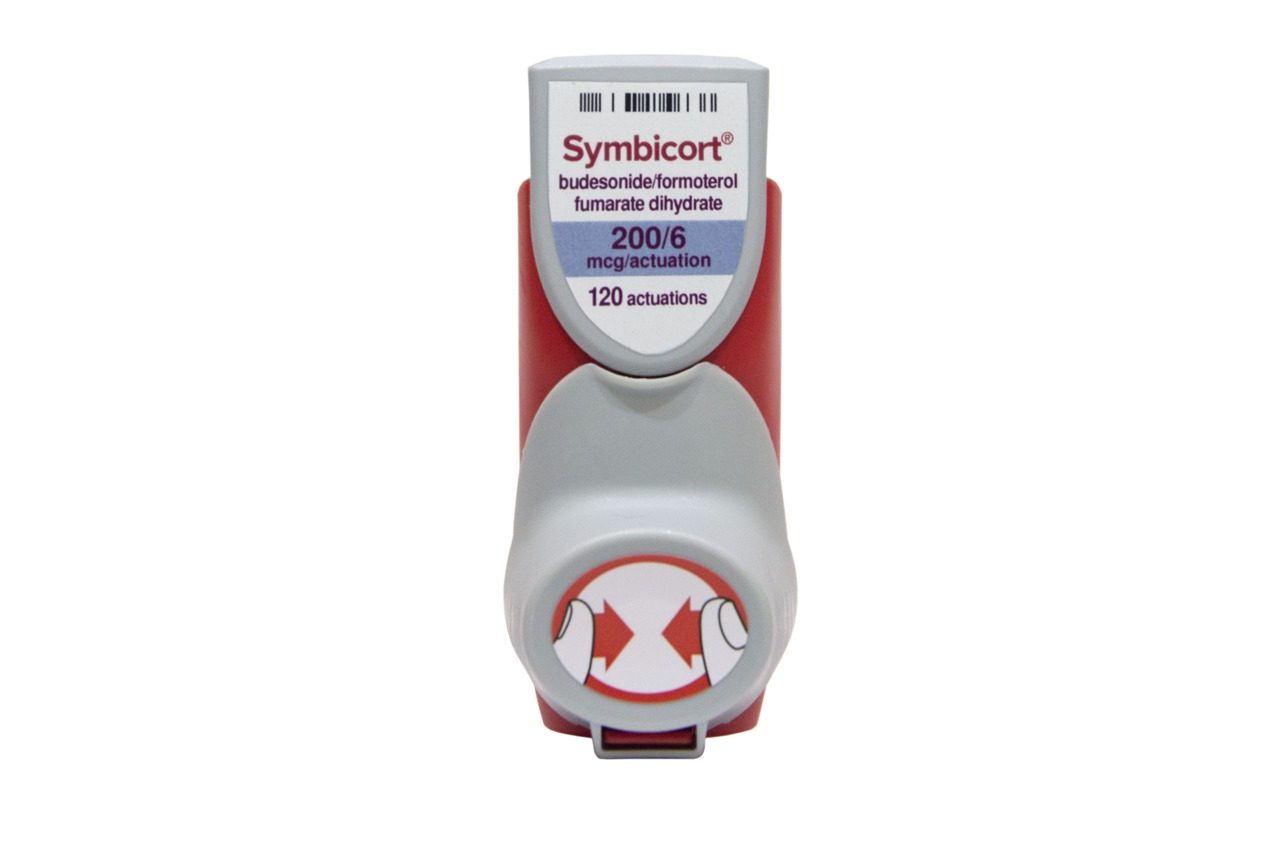

Symbicort (Powder Form) — Budesonide / Formoterol Fumarate Dihydrate (Australia)
Symbicort is an inhaler medicine used to help control breathing problems such as asthma and chronic obstructive pulmonary disease (COPD) by delivering two medicines directly into the lungs: budesonide (an inhaled corticosteroid) and formoterol fumarate dihydrate (a long-acting bronchodilator of the beta2-agonist class). This combination helps reduce inflammation and keep airways open, improving symptoms and helping prevent flare-ups.
This page provides patient-friendly information about Symbicort in powder form for use in Australia, including how it works, typical use, timing, interactions, safety considerations, and practical tips.
1) Basic product information
| Feature | What you should know |
|---|---|
| Medicine name | Symbicort (Powder Form) — budesonide / formoterol fumarate dihydrate |
| Medicines in each dose | Budesonide (inhaled corticosteroid) + Formoterol fumarate dihydrate (LABA) |
| How it’s taken | Inhaled using the supplied inhaler device (powder delivery) |
| Common uses | Asthma control and COPD symptom control (depending on the prescribed product/strength) |
| Key benefits | Reduces airway inflammation; relaxes airway muscles for improved breathing |
Strengths and devices may vary by product. Always check the pack for the exact strength and instructions for your inhaler device. If you are unsure which product you have, ask your pharmacist or clinician.
2) How Symbicort works (mechanism of action)
Symbicort contains two medicines that work in different but complementary ways:
- Budesonide (corticosteroid) reduces inflammation in the airways. It helps decrease swelling, mucus production, and the overall “irritability” of the airways that leads to asthma/COPD symptoms.
- Formoterol (beta2-agonist bronchodilator) relaxes the smooth muscle around the airways. This improves airflow and can provide faster relief of breathlessness by opening the airways.
Together, these actions help with both: day-to-day symptom control (maintenance) and prevention of worsening episodes.
3) Pharmacokinetics (how the body handles it)
Because Symbicort is inhaled, most of the medicine is delivered locally to the lungs. However, some drug may be absorbed into the bloodstream and metabolised by the body.
- Absorption: After inhalation, budesonide and formoterol are absorbed through lung tissue. The amount reaching the bloodstream depends on inhalation technique and lung deposition.
- Distribution: Both components can distribute throughout the body, with some binding to plasma proteins.
- Metabolism: Budesonide is mainly metabolised in the liver (primarily via CYP enzymes). Formoterol is also metabolised mainly in the liver (including pathways involving CYP2D6).
- Elimination: The metabolites and small amounts of parent drug are eliminated mainly via the kidneys. Elimination half-lives may differ between the two medicines and are influenced by individual factors such as liver function.
In practice, these pharmacokinetic properties mean that: lung delivery is key, and liver metabolism and interacting medicines (for example, certain enzyme inhibitors) may affect overall drug levels. Your pharmacist can advise if you’re taking medicines that may interact.
4) Typical use and timing
What Symbicort is used for
Symbicort is used to improve control of:
- Asthma — to help prevent symptoms and reduce risk of flare-ups.
- COPD — to help control symptoms in people with COPD (exact regimen depends on the product and clinical plan).
The precise treatment approach (including whether it is used with a reliever or as part of a specific asthma/COPD plan) varies between individuals and between product regimens. Always follow the instructions on your pack and the directions you were given by your healthcare professional.
When to take it
Symbicort powder is typically used on a regular schedule to maintain control. Because budesonide works by reducing inflammation, the full benefits develop over time. Formoterol contributes to bronchodilation and may begin working relatively quickly.
- Regular dosing: Often taken twice daily for long-term control, but your prescribed schedule may differ based on your condition and strength.
- Consistency matters: Try to take doses at similar times each day (e.g., morning and evening).
- If symptoms break through: Use your reliever medicine as directed by your plan (if different from Symbicort), and seek medical advice if you need it more often.
How to time doses around daily activities
- Choose times you can remember reliably (e.g., after brushing teeth in the morning and before bed).
- Keep a routine for refills so you don’t run out.
- If you miss a dose, follow your usual advice from your clinician/pharmacist and the product instructions (often: take it when remembered unless close to the next dose).
Important: Symbicort is not intended to replace emergency care for severe breathing problems. If you develop severe symptoms, call emergency services or seek urgent medical help.
5) Food interactions
Inhaled medicines are delivered to the lungs, and food interactions are generally less likely than with tablets. For Symbicort powder, no specific food interactions are commonly expected. However:
- General guidance: You can take Symbicort as part of your usual routine with or without food.
- Swallowing residue: If you accidentally swallow some powder, it usually does not require any special dietary changes, but it may still contribute to side effects in some people.
6) Alcohol interactions
There is no well-established direct interaction between moderate alcohol intake and inhaled budesonide/formoterol. However, alcohol can affect breathing in some individuals (for example, by worsening sleep-related breathing issues or triggering symptoms).
- Recommendation: If alcohol seems to worsen your breathing, discuss this with your clinician.
- Be cautious: If you drink alcohol and notice increased breathlessness, dizziness, or palpitations, seek advice.
7) Medicine interactions (including key safety concerns)
Interactions can change how medicines work or increase the chance of side effects. Tell your pharmacist about all medicines you use, including over-the-counter products and supplements.
Common interaction areas for budesonide/formoterol
- Other beta2-agonists or sympathomimetic medicines: Using multiple bronchodilators together may increase side effects such as tremor, palpitations, and low potassium (hypokalaemia).
- Non-selective beta-blockers (e.g., some eye drops or tablets): These may reduce the bronchodilator effect or worsen breathing in some patients.
- Diuretics (“water tablets”) and other medicines that lower potassium: Formoterol can occasionally lower blood potassium; combining with other potassium-lowering agents may increase risk.
- Corticosteroids: Additional steroid medicines (tablets or injections) may increase total steroid exposure and related effects, though inhaled therapy is usually lower risk than oral steroids.
- Strong CYP inhibitors: Some medicines can affect how the liver metabolises formoterol or budesonide, potentially increasing their levels.
- Antidepressants and other medicines affecting heart rhythm: Some drugs can increase the likelihood of palpitations or rhythm changes, especially when combined with beta-agonists.
When to seek urgent advice
Seek urgent medical help if you experience severe chest pain, fainting, severe dizziness, or significant worsening of breathing. If you have rapid heartbeat/palpitations with weakness, check with a clinician promptly.
8) Indications (who Symbicort is for)
Symbicort is indicated for:
- Asthma: long-term control and prevention of symptoms in people who require both an inhaled corticosteroid and a long-acting bronchodilator.
- COPD: symptom control in people diagnosed with COPD, typically when long-acting bronchodilation and inhaled corticosteroid therapy are appropriate.
The exact dosing regimen depends on your diagnosis, severity, and response to treatment. Your healthcare professional may choose strengths and dosing schedules accordingly.
9) Dosing (general guidance)
The most important dosing advice is the one provided for your specific product strength and condition. Below are general points about dosing patterns for Symbicort powder commonly used in asthma/COPD management. Always follow the instructions on your pack and your clinician’s plan.
Typical maintenance dosing pattern
- Often twice daily: Many regimens use morning and evening doses to maintain control.
- Use the lowest effective dose: Treatment is usually adjusted to achieve control with minimal side effects.
- Do not stop suddenly: If you stop inhaled corticosteroid therapy abruptly, symptoms may worsen. Discuss changes with your clinician.
How many inhalations?
The number of inhalations per dose depends on the strength of your Symbicort product. Do not increase or decrease your dose without medical advice.
If you miss a dose
- Take it when you remember if it is not close to the next dose.
- If the next dose is near, skip the missed dose and continue your usual schedule.
- Do not double doses to make up for a missed one.
If you are unsure what to do, contact your pharmacist.
10) Safety profile (what to expect and what to watch for)
Symbicort is generally well tolerated when used correctly. As with all medicines, it can cause side effects, and some risks are linked to how much steroid you receive and how often.
Common side effects
- Throat irritation or hoarseness
- Cough or throat discomfort after inhalation
- Headache
- Tremor or feeling “jittery” (more related to formoterol)
- Palpitations or mild increased heart rate
- Oral thrush (candidiasis), especially if the mouth is not rinsed after use
How to reduce steroid-related mouth side effects
- Rinse your mouth (and spit) after each dose.
- If you use a spacer device (only if compatible with your product/device plan), discuss whether it’s appropriate for your specific inhaler.
Less common but important risks
- Adrenal suppression (rare, more likely with higher steroid doses or prolonged use). This is why the lowest effective dose is generally recommended.
- Bone effects (with long-term high-dose inhaled steroid use). Calcium/vitamin D and lifestyle advice may be considered by your clinician depending on your overall risk.
- Eye effects such as increased intraocular pressure or cataracts (risk increases with overall steroid exposure).
- Low potassium (hypokalaemia) can occur, especially with high doses or with diuretics.
- Paradoxical bronchospasm (rare): symptoms may worsen immediately after inhalation. If this happens, stop and seek medical advice.
When to contact your doctor urgently
- Worsening breathing that does not improve with your usual plan
- Severe wheezing, chest tightness, or significant breathlessness
- Chest pain, fainting, or severe irregular heartbeat
- Signs of infection in the mouth (persistent white patches, pain, or severe hoarseness)
11) Practical use tips (getting the best results)
The effectiveness of Symbicort depends heavily on correct inhaler technique. If you’re unsure, check the instructions supplied with your device and ask a pharmacist to demonstrate.
General inhalation technique reminders for powder inhalers
- Prepare the device: Load/dose it exactly as directed for your specific inhaler model.
- Exhale first: Breathe out away from the mouthpiece (not into the device).
- Seal your lips: Form a good seal around the mouthpiece.
- Inhale firmly and deeply: Powder inhalers often require a strong inspiratory effort to draw the powder into the lungs.
- Hold your breath: For as long as comfortable (often about 5–10 seconds if advised).
- Exhale slowly: away from the device.
After using Symbicort
- Rinse and spit to reduce the risk of thrush and hoarseness.
- If you get thrush repeatedly, contact your clinician—your technique or dose may need review.
Keep your inhaler in good condition
- Store as directed on the label (commonly at room temperature, protected from moisture and heat).
- Do not store the device in humid environments.
- Replace the device when it reaches the end of its usable dose count (if indicated by the device).
Tracking symptoms
- Monitor symptoms such as night-time waking, activity limitation, and reliever use.
- If symptoms frequently worsen, discuss step-up therapy with your clinician rather than changing dose on your own.
12) Alternative options
If Symbicort powder is not suitable or if symptoms are not controlled, your healthcare professional may consider alternative therapies. Options can include:
- Other inhaled steroid/LABA combinations: Different budesonide/formoterol equivalents or other inhaled corticosteroid + long-acting bronchodilator combinations.
- Different inhaled corticosteroids: Alternative corticosteroids may be chosen based on response and side-effect profile.
- LABA alternatives or LAMA (for COPD): For COPD, long-acting bronchodilators may be combined differently (e.g., LAMA/LABA or triple therapy).
- Biologic therapies (for selected asthma): For severe asthma with specific biomarkers, biologic medicines may be considered.
- Non-pharmacological support: Smoking cessation (if relevant), vaccinations (influenza and pneumococcal as advised), pulmonary rehabilitation (for COPD), and inhaler technique coaching are important.
Ask your pharmacist about what alternatives are available and which may be appropriate given your diagnosis and treatment goals.
13) Symbicort in Australia: market and legal context
In Australia, inhaled medicines like Symbicort are supplied through the regulated medicines system. Availability, brand variants, and product strengths may vary across pharmacies and distributors. Packaging and prescribing arrangements are governed by Australian regulatory and professional requirements.
Your pharmacist can provide guidance on:
- Which strengths and formats are currently listed
- How to use the specific device correctly
- Substitutions permitted under Australian pharmacy laws and supply practices
14) Recent guidance and clinical considerations
Asthma and COPD management recommendations in Australia commonly emphasise:
- Using inhaled therapy regularly for long-term control when appropriate
- Regular review of symptom control and inhaler technique
- Stepping therapy up or down based on control, side effects, and exacerbation history
- Preventing steroid complications where possible (for example, rinsing the mouth after inhaled steroid use)
Clinical guidance may vary depending on whether you have asthma or COPD and your overall risk profile. If you’re concerned about how well your current regimen is working, discuss a review plan with your clinician.
15) Delivery and availability (online pharmacy)
Symbicort powder is typically available from online pharmacies depending on current stock and product listings. Availability may vary by strength and device type.
- Delivery: Delivery options (standard/express) depend on your location and the pharmacy’s dispatch schedule.
- Stock updates: If an item is temporarily out of stock, you may see estimated restock timing or alternative listings.
- Packaging: Medicines are supplied in manufacturer packaging with clear product identifiers.
For the latest availability, check the listing for your desired strength and device format.
16) FAQ
Is Symbicort used for asthma or COPD?
Symbicort is used for asthma and can also be used for COPD, depending on the product and regimen chosen by your clinician. Confirm the indication with your treatment plan and your pack.
How quickly does Symbicort start working?
Formoterol provides bronchodilation that may help symptoms relatively quickly, while budesonide helps reduce inflammation over time. Many people notice improvement after regular use, but prevention of flare-ups often takes consistent use.
Can I use Symbicort when I have sudden breathing trouble?
Use Symbicort according to your asthma/COPD plan. Some regimens include a role for symptom-driven use, while others require a separate reliever medicine. If you are unsure, check your plan or ask your pharmacist.
Do I need to rinse my mouth after using it?
Yes. Rinsing your mouth and spitting after each dose helps reduce the risk of thrush and hoarseness from inhaled steroid.
What if I get thrush?
Stop the temptation to “push through” symptoms if thrush persists. Contact your healthcare professional for advice. Review inhaler technique and mouth-rinsing habits. In some cases, treatment may be needed for the thrush.
What side effects are most common?
Common side effects include throat irritation, hoarseness, cough, headache, tremor, and palpitations. Thrush can occur, particularly if you do not rinse your mouth after doses.
Can Symbicort cause a rapid heartbeat?
Formoterol can cause palpitations or a fast heartbeat in some people, especially if doses are too high or inhalation technique leads to greater systemic absorption. Seek advice if you experience troubling palpitations, dizziness, or chest discomfort.
Are there food interactions?
Food interactions are generally not expected with inhaled Symbicort. You can usually take it with or without food. Follow your dosing schedule consistently.
Can I drink alcohol while using Symbicort?
Moderate alcohol is not known to directly interact with inhaled Symbicort, but alcohol may affect breathing in some individuals. If you notice symptoms worsen after alcohol, discuss this with your clinician.
What medicines should I avoid or be cautious about?
Tell your pharmacist about all medicines you take—especially other bronchodilators, beta-blockers, diuretics, and medicines that affect liver enzymes. This helps identify interaction risks early.
How do I store Symbicort powder?
Store as directed on the pack, usually at room temperature and protected from moisture and heat. Keep devices dry and handle them carefully to prevent powder contamination.
Can I switch devices or strengths?
Do not switch strengths or inhaler devices without advice. Different devices can deliver powder differently, and your dose may need adjustment for safety and effectiveness.
When should I seek urgent medical help?
Seek urgent help if breathing becomes severely difficult, if symptoms rapidly worsen, or if you have chest pain, fainting, or severe irregular heartbeat.
Disclaimer
This information is intended to help you understand Symbicort (powder form) in a general way. It does not replace personalised medical advice. Always follow the instructions supplied with your product and seek professional guidance if you have questions about your treatment, side effects, or interactions.