Spiriva (Tiotropium Bromide) – Patient-Friendly Guide (Australia)
Spiriva is a long-acting medicine used to help improve breathing in certain chronic lung conditions. It belongs to a group of medicines called antimuscarinics (also known as muscarinic receptor antagonists). By relaxing the airways, Spiriva can make it easier to breathe, reduce symptoms like breathlessness, and help lower the risk of flare-ups for some people.
This guide explains how Spiriva works, how it’s used, and what to consider for safety. It is written for an Australian audience and includes practical tips for everyday use.
Basic product information
| Product | Spiriva |
|---|---|
| Active ingredient | Tiotropium bromide |
| Medicine type | Long-acting antimuscarinic (bronchodilator) |
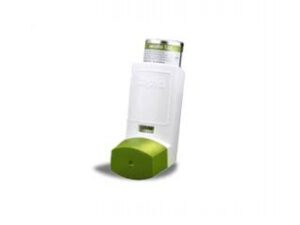
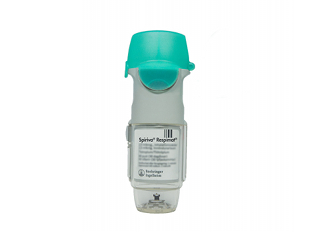
| Common formulations | Typically inhalation devices depending on the product strength and device (e.g., HandiHaler®, Respimat®) |
| How it’s taken | Inhalation (once daily for most indications) |
Important: Different Spiriva devices and strengths may be available. Always use the specific device and inhalation technique described for your product.
How Spiriva works (mechanism of action)
Spiriva contains tiotropium bromide, which blocks muscarinic receptors in the airways. In people with COPD or some forms of chronic lung disease, airway “tightening” and mucus changes can contribute to breathlessness.
- Blocks muscarinic receptors: Tiotropium reduces the effects of acetylcholine, a substance that can cause airway narrowing.
- Relaxes airway smooth muscle: This helps keep the airways open.
- Long-lasting bronchodilation: Tiotropium is designed to provide steady symptom relief over 24 hours.
Because it is a maintenance medicine, Spiriva is generally used to control symptoms and reduce risk of exacerbations rather than to rapidly treat sudden breathing emergencies.
Pharmacokinetics (absorption, distribution, metabolism, elimination)
Understanding how the body handles tiotropium can help clarify why it’s taken once daily and how long it lasts.
- Absorption: Tiotropium is inhaled. The medicine reaches the lungs where it exerts its bronchodilator effects. A portion of the inhaled drug may be swallowed and absorbed from the gastrointestinal tract.
- Distribution: After absorption, tiotropium distributes in the body. It has a long duration of action in lung tissue due to strong binding to muscarinic receptors.
- Metabolism: Tiotropium is not extensively metabolised.
- Elimination: The medicine is largely eliminated by the kidneys. This means kidney function can influence how the body clears tiotropium.
- Onset and duration: Clinical effects typically occur within the dosing period, with a long duration of bronchodilation supporting once-daily use.
Note for kidney health: People with reduced kidney function should discuss appropriate use with their healthcare team, as tiotropium clearance may be affected.
What Spiriva is used for (indications)
Spiriva is used for chronic lung conditions where long-acting bronchodilation can improve symptoms and reduce exacerbations.
- COPD (Chronic Obstructive Pulmonary Disease): To help relieve symptoms and reduce exacerbations for certain patients.
- Some forms of chronic respiratory disease: Depending on the exact product and device, tiotropium inhalers may be used for ongoing management in appropriate patient groups as determined by Australian clinical practice and product indications.
Check your product label or ask a pharmacist to confirm the specific indication for your Spiriva formulation.
Typical dosing and timing
Most Spiriva inhalations are taken . The exact dose and timing depend on the product (device type and strength) and the condition being treated.
Usual timing
- Once daily at the same time each day can help you remember.
- It’s commonly taken morning or evening, depending on what fits your routine and whether you experience any effects.
If you miss a dose
- Take it as soon as you remember on the same day.
- If it is nearly time for your next dose, skip the missed dose and continue with your regular schedule.
- Do not take extra doses to “catch up.”
How to use it correctly (device matters)
Spiriva is inhaled using a specific device. Correct technique helps ensure the medicine reaches your lungs.
- Follow the instructions for your exact device (e.g., HandiHaler® vs Respimat®).
- Ensure you inhale at the right time for the device type.
- Check your technique if symptoms aren’t improving—many issues are due to incorrect inhalation technique.
- If you wear dentures or have mouth issues, keep your mouth sealed properly around the mouthpiece.
If you’re unsure about technique, ask your pharmacist to observe your use.
Food interactions
Because Spiriva is an inhaled medicine, food interactions are generally not expected to be clinically significant. However, swallowed medicine and dry mouth sensations can occur with inhaled antimuscarinics.
- You may take Spiriva with or without food.
- If you notice throat irritation after inhaling, rinsing your mouth with water (and spitting) may help—only do this if it does not interfere with your device instructions.
Tip: Avoid eating immediately right before inhalation if it makes it harder to breathe in smoothly.
Alcohol and medicine interactions
Alcohol is not known to have a direct interaction with tiotropium. However, drinking alcohol can worsen breathing symptoms in some people and may increase dizziness or fatigue, especially if combined with other medicines used for COPD.
Talk to your healthcare team if you:
- drink alcohol frequently
- take sedating medicines (for example, some sleeping tablets or strong pain medicines)
- have worsening COPD symptoms after alcohol
Medicines that may interact
Tiotropium’s main interaction concerns relate to antimuscarinic activity. Using multiple antimuscarinic medicines together may increase side effects.
- Other antimuscarinics (for example, other inhaled anticholinergic medicines): may increase dry mouth, constipation, or urinary retention risk.
- Medicines that affect urine flow: if you have prostate enlargement or difficulty urinating, additional antimuscarinic effects may worsen symptoms.
- Glaucoma medicines / narrow-angle glaucoma risk: antimuscarinic sprays can theoretically affect eye health if mist contacts eyes; ensure correct inhalation technique and avoid eye exposure.
Always review your full medicine list with your pharmacist, including over-the-counter products and herbal remedies.
Safety profile and common side effects
Most people tolerate Spiriva well when used correctly. However, like all medicines, it can cause side effects.
Common side effects
- Dry mouth
- Constipation
- Throat irritation or cough after inhalation
- Headache (reported by some patients)
Less common but important side effects
- Eye effects (e.g., blurred vision) if medicine accidentally gets into the eyes
- Difficulty urinating or urinary retention (more likely in people with prostate issues)
- Allergic reactions such as rash, swelling, or breathing difficulties
Seek urgent medical help if
- You develop severe allergic symptoms (swelling of face/lips, trouble breathing)
- You experience rapid worsening breathing or severe chest tightness not relieved by your usual rescue medicine
- You get eye pain, severe blurred vision, or halos around lights after inhalation
Who should take extra care
- People with glaucoma (especially narrow-angle glaucoma)
- People with urinary retention or enlarged prostate
- People with kidney impairment (clearance may be reduced)
- People with trouble swallowing or poor inhaler technique—incorrect use can reduce benefit
Practical tips for using Spiriva effectively
Good inhaler technique improves how much medicine reaches your lungs. Here are patient-friendly tips that often make a difference:
- Use it consistently: It works best as a daily maintenance medicine.
- Check device expiry and storage: Keep it in the correct conditions stated on the pack.
- Prepare before inhaling: Ensure the mouthpiece is clean and dry before use (where appropriate for your device).
- Inhale correctly: Follow the device instructions for the speed and timing of inhalation.
- Hold your breath briefly (if your device instructions advise): This can help medicine settle in the lungs.
- Rinse and spit if advised by your product instructions to reduce throat irritation.
- Keep a simple routine: Pair dosing with a daily habit (e.g., brushing teeth).
- Ask for a technique check: If symptoms aren’t improving, reassess inhaler use with a pharmacist.
Important: Spiriva is not a rescue medicine for sudden breathlessness. If you have sudden worsening symptoms, use your prescribed reliever medicine and seek medical advice as needed.
Alternative options
Depending on your diagnosis, symptom pattern, and previous treatments, there are several alternatives to tiotropium.
- Other long-acting bronchodilators:
- Long-acting beta2-agonists (LABAs)
- Long-acting muscarinic antagonists (LAMAs) besides tiotropium
- Combination inhalers (commonly used in COPD):
- LABA/LAMA combinations
- LABA/inhaled corticosteroid combinations (for selected patients)
- Short-acting medicines:
- Used for quick relief of symptoms (not for maintenance control in many cases).
Your healthcare team can help choose an alternative based on lung function, symptom severity, exacerbation history, and side effect profile.
Market and legal context in Australia
In Australia, medicines including Spiriva are regulated to ensure quality, safety, and effectiveness. Access may depend on the classification of the product, the prescribed medicine arrangements in place, and availability through pharmacies and approved supply channels.
- Regulatory oversight: The Australian Therapeutic Goods Administration (TGA) oversees medicines and evaluates product information.
- Pharmacy supply: Pharmacists check patient information, safety considerations, and appropriate use for inhaled therapies.
- Product information: Always refer to the consumer medicine information (CMI) and labels for your specific product and device.
Device variations: Because Spiriva comes in different inhaler systems, selecting the correct product for your prescribed device is essential for safe and effective use.
Recent guidance and clinical practice notes (general)
Clinical approaches for COPD and other chronic respiratory conditions continue to evolve. Current best practice often emphasises:
- Maintenance bronchodilation tailored to symptom control and exacerbation risk.
- Inhaler technique review at regular intervals, since technique errors are a common reason for poor response.
- Vaccination and self-management strategies (e.g., influenza and pneumococcal vaccines as advised) to reduce infection-related flare-ups.
- Smoking cessation support when relevant.
Your treating clinician may also recommend pulmonary rehabilitation and an individual action plan for exacerbations.
Delivery and availability
Online pharmacy availability may vary based on stock levels and the specific Spiriva formulation (strength and device). To support safe ordering:
- Confirm you select the correct device and product strength.
- Check delivery options at checkout, including estimated delivery timeframes.
- Some medicines require special handling or have packaging requirements—follow the seller’s instructions.
Storage: Store Spiriva as directed on the package. Many inhalers require room-temperature storage away from excessive heat or moisture.
Frequently Asked Questions (FAQ)
1) Is Spiriva the same as a “reliever” inhaler?
No. Spiriva is a long-acting maintenance inhaler. It is generally not designed to treat sudden episodes of breathlessness. If you have sudden symptoms, use your reliever inhaler as directed by your healthcare team.
2) How quickly will I feel Spiriva working?
Some people notice improvement within the early dosing period. Full benefit typically builds as you use it regularly. If you don’t feel any improvement after using it correctly, discuss this with your pharmacist or clinician.
3) What if I don’t like the inhaler technique?
That’s common. Many people benefit from a supervised technique check. Ask your pharmacist to watch your inhalation steps and correct any issues (timing, breath holding, mouth seal, etc.).
4) Can I use Spiriva if I have asthma?
Tiotropium has specific approved uses based on the product and patient group. Whether it’s appropriate for you depends on your diagnosis and your product’s indicated population. Always follow the instruction on your product information and confirm with your healthcare provider.
5) Will Spiriva cause dry mouth?
Dry mouth is one of the more common antimuscarinic effects. It may improve over time. Drinking water, sugar-free lozenges, and good oral hygiene can help. If dry mouth is severe or you have trouble swallowing, seek advice.
6) Is Spiriva safe for long-term use?
Spiriva is commonly used as a long-term maintenance medicine for suitable patients. Safety depends on your health conditions (including kidney function and urinary symptoms) and correct inhaler technique.
7) Can I take Spiriva with other COPD medicines?
Often yes. Many people use Spiriva alongside other treatments such as reliever inhalers and may also be prescribed long-acting beta2-agonists or inhaled corticosteroids depending on their condition. Review all your medicines with your pharmacist to ensure compatibility and reduce unnecessary overlapping effects.
8) What should I do if I accidentally get the medicine in my eyes?
If mist or spray contacts your eyes, rinse thoroughly with water. If you develop eye pain, severe blurred vision, or unusual visual symptoms, seek urgent medical advice.
9) Does Spiriva interact with alcohol?
Direct interactions are not commonly expected. However, alcohol may worsen symptoms or increase side effects indirectly by affecting breathing and wellbeing. If you drink alcohol, monitor how you feel and discuss your situation with a healthcare professional.
10) What are the signs that my COPD is worsening?
Seek medical advice promptly if you experience increased breathlessness, increased sputum volume or thickness, fever, chest pain, sudden decline in exercise tolerance, or symptoms that don’t respond to your reliever inhaler. Keep your COPD action plan available if you have one.
Summary
Spiriva (tiotropium bromide) is a long-acting inhaled medicine that helps relax the airways by blocking muscarinic receptors. It’s used for ongoing management of chronic respiratory conditions such as COPD to improve symptoms and help reduce exacerbations for appropriate patients. When used correctly—once daily at the right time with the correct inhaler technique—it can provide steady breathing support with a manageable safety profile.
If you have questions about your specific Spiriva device, dosing schedule, or whether it’s appropriate for your condition, speak with a healthcare professional or pharmacist.