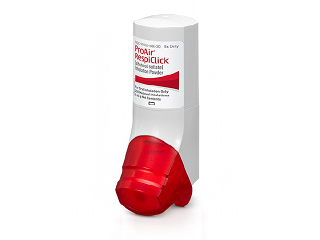
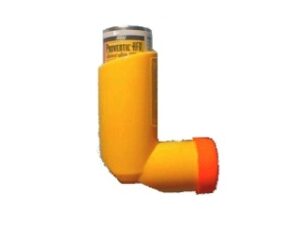
Proair Inhaler (Salbutamol / Albuterol) — Patient Information (Australia)
Proair Inhaler contains salbutamol (albuterol), a medicine used to quickly relieve symptoms of asthma and other conditions that cause narrowing of the airways (bronchospasm). It works fast and is commonly used as a reliever inhaler when you feel tightness in your chest, wheezing, or shortness of breath.
This page explains how Proair Inhaler works, how to use it properly, what to expect, safety information, and practical tips. It is written for people in Australia and includes general guidance on medicine interactions and availability.
Basic product information
- Medicine name: Proair Inhaler
- Active ingredient: Salbutamol (albuterol)
- Medicine type: Short-acting beta2-agonist (SABA) inhaler
- What it’s for: Rapid relief of bronchospasm symptoms
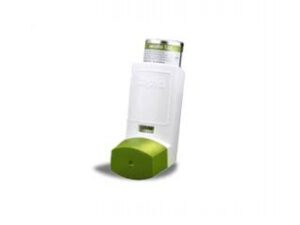
- Typical dosing form: Pressurised metered-dose inhaler (pMDI)
- Common package sizes: Varies by product/brand and local supply
Note: Exact strength (e.g., micrograms per puff) and pack contents may differ depending on the product sold in Australia. Always check your pack label and the Consumer Medicine Information (CMI) that comes with your inhaler.
How Proair Inhaler works (mechanism of action)
Salbutamol is a beta2-agonist. It works by binding to beta2 receptors on the smooth muscle of the airways. This causes relaxation of the airway muscle, which helps to:
- Open up narrowed airways
- Reduce wheezing
- Improve airflow
- Ease symptoms such as chest tightness and shortness of breath
Proair Inhaler is designed for quick symptom relief. It does not replace anti-inflammatory prevention medicines (such as inhaled corticosteroids) in asthma, but it can be used to treat sudden symptoms while prevention therapy controls underlying inflammation.
Pharmacokinetics (how the body handles salbutamol)
After using an inhaler, some of the dose reaches the lungs while some may deposit in the mouth/throat and be swallowed. Salbutamol can be absorbed through the lungs and the gastrointestinal tract if swallowed.
- Onset: Usually begins within minutes.
- Peak effect: Typically occurs within about 1–3 hours, depending on technique and individual response.
- Duration: Relief commonly lasts for about 4–6 hours, though this varies.
- Metabolism: Primarily metabolised in the liver.
- Elimination: Mostly excreted by the kidneys (including metabolites).
Because salbutamol is a fast-acting medicine, your inhaler technique and how quickly you use it during symptoms can strongly affect the speed and effectiveness of relief.
Typical uses and indications
Proair Inhaler is indicated for:
- Asthma: relief of acute bronchospasm symptoms (e.g., wheeze, shortness of breath, chest tightness)
- Prevention of exercise-induced bronchoconstriction: used before exercise as advised by your clinician
- Reversible airway obstruction (as determined by your treatment plan)
- Chronic obstructive pulmonary disease (COPD): relief of bronchospasm symptoms in appropriate patients (depending on product guidance and clinician advice)
It is important to treat breathlessness that gets worse or symptoms that are not responding quickly with the action plan given to you. Frequent reliance on a reliever can be a sign that asthma or lung inflammation is not well controlled.
When to take it (timing)
Proair Inhaler is used when you have symptoms or before a known trigger, such as exercise. The timing depends on the reason for use:
- Acute symptoms: Use at the first sign of wheeze, tightness, or shortness of breath.
- Exercise-induced symptoms: Often used shortly before exercise (commonly 10–15 minutes), as advised in your asthma action plan.
- Night-time symptoms: Follow your personalised plan; contact a clinician if night symptoms are frequent.
If your symptoms persist or quickly return, you may be instructed to take additional puffs after a short interval. If you need repeated dosing beyond what is advised for your plan, seek medical help promptly.
Dosing (general guidance)
Dosing can vary based on age, severity, and the specific clinical situation. Always follow the dose on your label or the written action plan provided by your healthcare professional. Below is general information commonly used for salbutamol inhalers; your local product leaflet will be the final authority.
| Situation | General approach | What to watch for |
|---|---|---|
| Relief of acute symptoms (asthma/COPD bronchospasm) | Usually 1–2 puffs initially, then additional puffs if needed after a short interval (commonly around 4–6 hours between doses for symptom control, unless an action plan says otherwise). | If you need more puffs than your plan allows, symptoms worsen, or you do not get adequate relief, get urgent medical advice. |
| Pre-exercise prevention | Often 1–2 puffs before activity (commonly 10–15 minutes prior) if you have exercise-triggered symptoms. | If you need your reliever more frequently, your asthma may not be well controlled. |
| Children | Doses are usually lower and should be specifically determined for the child’s age and inhaler strength. Many children use a spacer for better delivery. | Ensure correct technique and supervision. Seek advice for any breathing difficulty. |
Important: Do not exceed the maximum daily dose stated on your pack without medical advice. Overuse may increase side effects and can be a warning sign of worsening asthma control.
Practical use tips (how to use a Proair Inhaler correctly)
Correct inhaler technique helps ensure the medicine reaches the lungs instead of the mouth and throat. Consider practising when you feel well, and ask a pharmacist or nurse to check your technique.
- Remove the cap and check the mouthpiece for cleanliness.
- Shake the inhaler if your device instructions require shaking (most pMDIs should be shaken).
- Breathe out fully (away from the mouthpiece).
- Place the mouthpiece in your mouth and close your lips around it.
- Start a slow, deep breath in. Begin pressing the canister to release a puff at the start of the inhalation.
- Hold your breath for about 10 seconds (or as long as comfortable) to let the medicine settle in the airways.
- If a second puff is prescribed, wait about 30–60 seconds and repeat the steps.
Using a spacer: A spacer (especially for children, older adults, or anyone who has difficulty coordinating breathing with actuation) can improve lung delivery and reduce throat deposition. If you use a spacer, follow the spacer instructions and your inhaler leaflet.
After use: If you notice a bitter taste or throat irritation, rinse your mouth (especially when using inhaled corticosteroids—this is not always required for salbutamol alone, but mouth rinsing can help comfort).
Timing expectations: what you should feel
Many people feel symptom relief within minutes after use. You may notice reduced wheezing and easier breathing. If you do not feel improvement, check technique and consider spacer use.
- Rapid relief: typically starts within a few minutes
- Peak effect: often around 1–3 hours
- Symptoms return: may happen after the medicine wears off (commonly after several hours)
If you repeatedly need your reliever sooner than expected, this may indicate your airway inflammation is not controlled. This is a reason to review your asthma/COPD plan with a clinician.
Food interactions
Food generally has little direct effect on salbutamol inhaler performance, because the medicine is delivered to the lungs. However, if part of the dose is swallowed, nausea or stomach discomfort is uncommon.
- Take with or without food: usually no special timing is required.
- Avoid choking hazards: if using a spacer or during an acute episode, ensure correct breathing technique.
- Swallowing the dose: can happen when inhaler technique is suboptimal; this can slightly increase side effects such as tremor or palpitations in some people.
Alcohol interactions
There is no well-established direct interaction between moderate alcohol and salbutamol inhalers. However, alcohol can affect breathing patterns, sleep, and hydration and may worsen some people’s asthma control.
- Use caution: especially if alcohol triggers reflux or worsens breathing.
- Be aware of side effects: alcohol may increase the likelihood you feel light-headed or notice palpitations—symptoms that can also occur with salbutamol.
If you drink alcohol and you notice worsened breathlessness or side effects, discuss this with your pharmacist or doctor.
Medicine interactions (important)
Many medicines can interact with salbutamol, mainly by affecting heart rhythm, blood pressure, or potassium levels. Inhaled salbutamol generally has lower systemic exposure than oral medicines, but interactions can still occur—particularly with frequent or high-dose use.
Key interaction categories
- Beta-blockers (including some eye drops for glaucoma): These can reduce the effect of salbutamol. If you use beta-blockers, ask your clinician/pharmacist for advice before using salbutamol frequently.
- Diuretics (“water tablets”) and medicines that lower potassium: Using these with beta2-agonists can increase the risk of low potassium (hypokalaemia), which may affect heart rhythm in susceptible people.
- Other stimulatory bronchodilators or sympathomimetics: Combined effects may increase side effects such as tremor, fast heartbeat, and palpitations.
- Tricyclic antidepressants and some MAO inhibitors: May increase cardiovascular effects when combined with beta-agonists.
- Digoxin: Electrolyte changes (low potassium) may increase sensitivity to digoxin.
- Antipsychotics (some types): Interactions affecting heart rhythm may be relevant depending on your other medicines and risk factors.
Always tell your pharmacist about your current medicines, including: inhalers, tablets, vitamins, herbal products, and eye/ear drops.
Safety profile (side effects and what to do)
Like all medicines, Proair Inhaler can cause side effects. Many people experience mild, temporary effects, especially when they use higher doses. If side effects are severe or persistent, seek medical advice.
Common side effects
- Tremor (shakiness)
- Headache
- Fast heartbeat (palpitations)
- Feeling jittery
- Muscle cramps
- Dry mouth or throat irritation
Less common but important side effects
- Chest pain or a strong, irregular heartbeat
- Severe dizziness or fainting
- Allergic reactions such as rash, swelling of the face/lips, or difficulty breathing
- Low potassium (more likely with frequent/high doses; may affect heart rhythm)
Seek urgent help if
- Your breathing is worsening quickly despite using your reliever
- You have severe shortness of breath, inability to speak in full sentences, or blue/grey lips
- You have chest pain, severe palpitations, or feel faint
Safety considerations and precautions
- Asthma control: If you regularly need your reliever, you may need review of long-term treatment.
- Cardiovascular conditions: People with certain heart conditions may be more sensitive to side effects.
- Diabetes: Beta-agonists may slightly affect blood sugar in some people.
- Thyroid disease: Hyperthyroidism may increase sensitivity.
- Pregnancy and breastfeeding: Discuss with your clinician if pregnant or breastfeeding. Reliever medicines may still be used when needed, but the plan should be individualised.
If you have any of the above concerns, talk to your pharmacist or doctor for personalised advice.
When not to rely on Proair Inhaler alone
Proair Inhaler relieves symptoms by relaxing airway muscles, but it does not treat the underlying inflammation that causes many asthma flare-ups. If you have asthma, your doctor may also prescribe a controller medicine (often an inhaled corticosteroid) to reduce inflammation and prevent attacks.
- Frequent reliever use can signal poor control.
- Night waking due to breathlessness or wheeze needs review.
- Symptoms after usual doses may require a treatment plan adjustment.
Alternative options
If you’re looking for other inhalers, options depend on your condition (asthma vs COPD), your symptom pattern, and your overall treatment plan. Common alternatives include:
- Other salbutamol (albuterol) reliever inhalers (different brands or devices)
- Short-acting relievers such as other SABAs available locally
- Combination inhalers in some asthma plans (e.g., reliever/anti-inflammatory strategies as recommended in local guidelines)
- Long-acting controller inhalers (for prevention) where appropriate, usually used alongside reliever medication
- For COPD: long-acting bronchodilators may be considered depending on symptoms and exacerbation history
Your healthcare professional can help choose an inhaler type, dose, and device that matches your needs and ensures effective technique.
Market and legal context for Australia
In Australia, medicines are supplied under regulated frameworks with guidance aimed at safe, effective use. Asthma and COPD inhalers are widely available, and pharmacists play an important role in supporting correct inhaler technique and reviewing symptom control.
Availability may vary by brand, device type, and supply changes. In the pharmacy environment, availability can also depend on whether a product is listed by local suppliers and current stock levels.
Important: Always use medicines as directed in the pack and consult a healthcare professional if you have questions about suitability, dosing, or side effects.
Recent guidance (practical alignment with common Australian asthma/COPD approaches)
While guidance can vary by year and condition, Australian clinical practice generally emphasises:
- Reliever use should not be excessive; frequent use can indicate poor control.
- Inhaler technique matters, and spacers can significantly improve delivery.
- Asthma action plans should be followed during flare-ups.
- Controller therapy (for asthma) is often required to reduce inflammation and prevent severe attacks.
- Review after exacerbations to adjust preventer/reliever strategies.
If you are using Proair Inhaler frequently or experiencing flare-ups, ask for an asthma/COPD review and device check.
Delivery and availability (Australia)
Proair Inhaler availability in online pharmacies may depend on current supply, manufacturer stock, and local distribution. When available, delivery is typically arranged within Australia according to the pharmacy’s shipping options.
- Stock availability: may change—especially during peak respiratory seasons.
- Delivery times: depend on location and chosen shipping method.
- Packaging: products are usually sent in original manufacturer packaging for safety and traceability.
If your inhaler is urgent (for example, you have symptoms now), check delivery cutoff times and consider contacting the pharmacy for stock confirmation.
Practical use tips
- Carry your reliever if you have known triggers or a history of attacks.
- Check expiry dates regularly.
- Keep track of puffs used: a falling inhaler can indicate that you’re using it more often than usual.
- Use a spacer if recommended or if technique is difficult.
- Record symptoms: frequency of wheeze, night waking, and reliever use helps clinicians adjust treatment.
- Know your action plan: follow written instructions for worsening symptoms.
If you suspect your inhaler is not working properly (e.g., poor spray or no effect), do not increase doses blindly. Ask a pharmacist to test your technique or check the device.
FAQ
1. Is Proair Inhaler the same as albuterol?
Yes. Proair Inhaler contains salbutamol, which is the Australian/UK name commonly used for albuterol (the US name).
2. How quickly does it work?
Many people feel relief within minutes. Peak effect is often within about 1–3 hours. The duration commonly lasts 4–6 hours, but varies between individuals.
3. Can I use it before exercise?
If you have exercise-triggered symptoms, you may be advised to use it shortly before activity (often 10–15 minutes). Follow your asthma action plan or clinician advice.
4. What if my symptoms don’t improve after using Proair?
Check inhaler technique and whether you should use a spacer. If symptoms persist, worsen, or you’re using more puffs than your action plan allows, seek urgent medical advice.
5. How often is too often to use a reliever?
Needing frequent doses can indicate poor asthma control. Ask your clinician or pharmacist to review your inhaler use, triggers, and whether controller therapy is needed.
6. What are common side effects?
Common side effects include tremor, headache, and palpitations. These are often mild and improve with correct dosing and technique.
7. Can Proair Inhaler be used with other medicines?
Many medicines can be used alongside salbutamol, but some interactions may be important (e.g., certain heart medicines like beta-blockers and medicines that affect potassium). Tell your pharmacist about everything you take.
8. Does food affect it?
Usually no. Because it is inhaled, food typically does not significantly affect effect. If part of the dose is swallowed due to technique, side effects may be slightly more noticeable, but this is not generally an issue with food.
9. Can I drink alcohol?
Moderate alcohol does not have a well-established direct interaction, but it may worsen breathing for some people or increase the likelihood of feeling side effects such as light-headedness or palpitations. Use caution.
10. Are there safer alternatives?
Alternatives depend on your condition and control level. Some people require different relievers or controller inhalers. Your pharmacist or doctor can help you choose options based on your symptoms and risk factors.
Summary
Proair Inhaler (salbutamol/albuterol) is a fast-acting reliever for wheeze and shortness of breath caused by bronchospasm. It works by relaxing the airway muscles via beta2 receptors, typically starting to work within minutes. Correct technique (often with a spacer) improves effectiveness, while frequent reliever use may indicate that your condition needs a review and controller therapy.
If you have concerns about how often you need your inhaler, ongoing symptoms, or side effects, speak with your pharmacist or clinician for tailored advice.