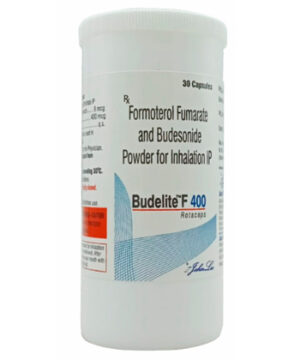

Budesonide Inhaler (Budesonide) – Patient-Friendly Information
Budesonide inhaler is a corticosteroid medicine used to help control ongoing airway inflammation. It is widely used in Australia for conditions such as asthma and, in some formulations, chronic inflammatory airway disease. This guide explains how it works, when to use it, what to expect, and important safety information to help you use it correctly.
Quick Product Overview
- Medicine name: Budesonide
- Medicine type: Inhaled corticosteroid (anti-inflammatory)
- Common forms: Metered-dose inhaler (MDI) or dry powder inhaler (DPI), depending on brand/product
- Use: Long-term control of airway inflammation
- Typical onset: Some improvement may occur within days, with full effect often taking 1–2 weeks
- Who it’s for: Adults, adolescents, and children depending on the prescribed product and dose
What Budesonide Inhaler Is Used For
Budesonide inhaler helps reduce inflammation in the airways. This can improve breathing, reduce symptoms, and lower the risk of flare-ups. It is not designed for immediate relief of sudden breathing difficulty.
Common indications (conditions treated)
- Asthma (maintenance/control): To prevent symptoms and exacerbations and to control persistent asthma.
- Croup (certain pediatric settings): Some budesonide nebulised options are used in hospitals for specific acute croup management. (This page focuses on inhalers; hospital use may differ by formulation.)
- Chronic airway inflammation: Depending on local prescribing practices and product availability, inhaled budesonide may be used for selected inflammatory lung conditions.
If you’re unsure which condition your specific product is intended for, check your brand label and the consumer medicines information (CMI) provided with your medicine.
How Budesonide Works (Mechanism of Action)
Budesonide is a corticosteroid that works directly in the lungs. After you inhale the medicine, it binds to glucocorticoid receptors in airway cells and helps reduce inflammatory processes.
- Decreases airway inflammation and swelling
- Reduces the release of inflammatory chemicals
- Helps improve airflow over time
- Reduces airway hyper-responsiveness
- Lowering the likelihood of asthma exacerbations (flare-ups)
Because the medicine reduces inflammation, it is usually used regularly rather than only when symptoms appear.
Pharmacokinetics (How the Body Handles It)
Pharmacokinetics describes how the body absorbs, distributes, metabolises, and clears a medicine. With inhaled budesonide, most of the medicine acts locally in the airways, and only a portion is absorbed into the bloodstream.
Key points
- Absorption: Inhaled medication deposits on the airways; a portion is swallowed and absorbed through the gut.
- First-pass metabolism: Budesonide is extensively metabolised in the liver (often referred to as “first-pass” metabolism), which lowers systemic exposure.
- Distribution: Some absorption occurs into systemic circulation, but the aim is to keep exposure low compared with oral steroids.
- Elimination: Metabolites are cleared primarily via the body’s normal pathways, including the kidneys.
- Time to effect: Anti-inflammatory benefits develop gradually, not instantly.
Actual levels in the body can vary depending on the specific inhaler type (MDI vs DPI), technique, and whether you inhale slowly/deeply.
Timing and How Long It Takes to Work
Budesonide inhaler is usually used as a maintenance treatment. Many people notice improvement after a few days, but full benefit often takes 1–2 weeks.
Typical timing
- Start: Use it consistently as directed on your product label or by your healthcare professional.
- Early changes: Symptoms may ease within days.
- Best control: Often achieved after one to two weeks of regular use.
If you miss doses, your control may worsen over time, especially during viral illness or allergy seasons.
Food Interactions
With inhaled budesonide, food interactions are generally not a major concern because the medicine is mainly delivered to the lungs. However, technique matters: some swallowed medication may contribute to absorption.
- Generally: You can take your inhaler with or without food.
- Practical tip: Rinse your mouth and spit after inhalation to reduce throat irritation and oral fungal infections (e.g., oral thrush).
Alcohol and Medicine Interactions
Alcohol doesn’t typically have a direct interaction with inhaled budesonide, but alcohol may affect your asthma control indirectly (e.g., by worsening symptoms or triggering reflux in some people).
Alcohol
- No specific alcohol interaction is commonly expected with inhaled budesonide.
- If alcohol triggers coughing, wheeze, or shortness of breath, consider limiting intake and speak with a healthcare professional.
Other medicines (important interactions)
Budesonide is metabolised in the liver. Some medicines can increase or decrease budesonide levels by affecting liver enzymes.
- Strong enzyme inhibitors (e.g., some antifungals and antibiotics used in specific situations) may increase steroid exposure and the risk of side effects.
- Oral corticosteroids or other steroid medicines: using together may increase overall steroid effect.
- Other inhaled therapies (e.g., bronchodilators): these are commonly used in combination for asthma control, but timing should follow your treatment plan.
- Medicines that affect immunity: can change susceptibility to infections, especially if higher steroid exposure occurs.
Tell your pharmacist or doctor about all medicines you use, including over-the-counter products and herbal supplements.
Typical Dosing (General Guidance)
Dosing depends on the brand, inhaler type, and the condition being treated, as well as age and symptom control. Your prescribed dose may change over time.
How dosing is commonly arranged
- Adults and adolescents: Often once or twice daily, depending on asthma severity and the device/strength.
- Children: Dosing varies by age and inhaler strength; follow the child-specific product guidance.
Important dosing principles
- Use consistently: Don’t stop suddenly without medical advice.
- Adjust if needed: If control improves, your clinician may step down dose; if symptoms worsen, they may step up.
- Use the correct technique: Poor technique can reduce delivery to the lungs and increase swallowed dose.
For the exact dose schedule for your product, refer to the label or the consumer medicines information (CMI) supplied with your inhaler.
Practical Use Tips (How to Get the Best Results)
Correct inhaler technique strongly affects how much medicine reaches the lungs. If you’re unsure, ask your pharmacist or practice nurse to observe your technique.
General steps that apply to many inhalers
- Check the dose/strength: Confirm you’re using the right device and strength.
- Follow your inhaler’s instructions: MDI and DPI have different breath and timing steps.
- Exhale gently: Breathe out fully away from the device.
- Seal your lips (MDI) / load capsule or open device (DPI): As instructed.
- Inhale at the correct speed: Some devices need slow deep inhalation (DPI), while MDI requires coordinated actuation and inhalation.
- Hold your breath: Commonly 5–10 seconds if comfortable.
- Rinse and spit: After each dose to reduce oral side effects.
Using a spacer (where applicable)
Many people benefit from a spacer with an MDI, especially children or those who struggle with coordination. Spacers can improve lung delivery and reduce throat deposition.
Common technique mistakes
- Not exhaling fully before inhaling the dose
- Inhaling too fast/too shallow (especially with DPIs)
- Not holding breath after inhalation
- Skipping mouth rinsing, increasing the risk of thrush
- Pressing “too early” or “too late” (MDI coordination issues)
Safety Profile: What to Know
Inhaled corticosteroids are generally well tolerated, especially when used at the lowest effective dose. Because budesonide acts mostly in the lungs, systemic side effects are less common than with oral steroids.
Common side effects
- Hoarseness (dysphonia)
- Sore throat or irritation
- Oral thrush (oral candidiasis), particularly if mouth rinsing is skipped
- Cough immediately after inhalation in some people
- Headache (uncommon but can occur)
Serious side effects (seek urgent medical help if severe)
- Severe allergic reactions (e.g., swelling of face/lips, difficulty breathing, hives)
- Signs of severe infection or unusual infections
- Worsening asthma despite using your inhaler as directed
Long-term safety considerations
- Growth in children: Inhaled steroids at appropriate doses usually have a minimal impact, but clinicians monitor growth over time.
- Systemic steroid effects: Risk increases with higher doses or frequent use of additional steroid medicines (including tablets).
- Eye issues: Long-term corticosteroid exposure can be associated with cataracts or glaucoma in some individuals—your clinician may monitor if exposure is significant.
If you have been using other steroid medicines (tablets, injections, nasal sprays), mention this to your pharmacist or doctor.
When to Seek Help (Asthma Action Considerations)
Budesonide inhaler is a controller medicine. If you experience sudden severe symptoms, you may need immediate relief treatment as directed in your asthma plan.
- If your usual quick-relief inhaler is not helping as expected, or symptoms worsen rapidly, seek medical advice promptly.
- If you have trouble speaking full sentences, severe chest tightness, bluish lips, or significant breathlessness, treat this as urgent.
In an emergency, call 000 (Australia) or follow your local emergency plan.
Alternatives to Budesonide Inhaler
Depending on your diagnosis and response, clinicians may consider different inhaled corticosteroids or combination treatments. Alternatives can include:
- Other inhaled corticosteroids (e.g., fluticasone, beclometasone, mometasone—availability varies by product).
- Combination inhalers that include an inhaled corticosteroid plus a long-acting bronchodilator (commonly used for persistent symptoms).
- Different delivery devices (switching from MDI to DPI or vice versa) to improve technique and adherence.
- Non-steroid add-on therapies in selected patients (e.g., leukotriene receptor antagonists or biologic therapies for severe asthma under specialist care).
The best alternative depends on your symptom pattern, severity, inhaler technique, and risk factors.
Market and Legal Context for Australia
Medicines containing budesonide inhaled formulations are regulated under Australian pharmaceutical standards. Many inhalers are supplied through pharmacies and may have specific prescribing and supply rules depending on the brand and formulation. Availability can vary between pharmacies and based on PBS (if applicable) and stock levels.
If you are purchasing online, ensure the product listing includes the correct strength and device type, and that you receive a Consumer Medicines Information (CMI) leaflet where required.
Recent Guidance and Ongoing Treatment Principles
Asthma management guidance in Australia emphasises:
- Anti-inflammatory controller use to reduce exacerbations
- Regular review of symptom control and inhaler technique
- Step up or step down therapy based on control (aiming for the lowest effective dose)
- Written action plans for asthma flare management
Clinical recommendations may be updated over time by professional bodies and government health agencies. Your pharmacist can help you interpret how general guidance applies to your individual plan.
Delivery and Availability (What to Expect When Ordering Online in Australia)
Availability depends on the specific brand, strength, and device type (MDI or DPI). If you order online:
- Stock checks: Most pharmacies confirm stock before processing.
- Delivery times: Delivery speed depends on your location and the pharmacy’s dispatch schedule.
- Packaging: You should receive the inhaler and, where applicable, the accompanying CMI.
- Device authenticity: Choose reputable pharmacy listings with clear product details.
If you require rapid delivery for an essential controller medicine, contact customer support to confirm dispatch and tracking options.
FAQ: Common Questions About Budesonide Inhalers
1) Is budesonide inhaler for quick relief?
No. Budesonide is a controller medicine that treats inflammation over time. It is not intended for immediate relief of sudden asthma symptoms. Your quick-relief medicine (often a bronchodilator) is for sudden symptoms as directed in your action plan.
2) How soon will I feel better?
Some people notice improvement within a few days, but full benefits often take 1–2 weeks of regular use. Consistency matters.
3) Should I rinse my mouth after using it?
Yes. Rinse your mouth and spit after each dose to help reduce the risk of thrush and hoarseness. Brushing your teeth after rinsing may also help.
4) Can I use it if I have a cold or flu?
In general, inhaled corticosteroids are continued during respiratory infections unless your clinician advises otherwise. If you’re getting worse quickly, follow your asthma action plan and seek medical advice.
5) What if I miss a dose?
Use it as soon as you remember, unless it’s close to your next scheduled dose. Do not double the dose unless instructed by your healthcare professional or the medicine information provided with your product.
6) Are there food interactions?
Typically, no. Budesonide inhaler can be used with or without food. The key practical measure is mouth rinsing after inhalation.
7) Can I drink alcohol while using budesonide?
There is usually no direct interaction with alcohol. However, alcohol can worsen asthma for some people or affect adherence and sleep—so monitor your symptoms and use alcohol cautiously.
8) What medicines should I be careful with?
Some medicines may affect how budesonide is metabolised. Tell your pharmacist about: antifungals, certain antibiotics, oral steroid tablets, and any other regular medicines or supplements.
9) Will it cause dependence?
Inhaled budesonide is not usually associated with dependence. However, stopping abruptly can lead to loss of asthma control. Step-down decisions should be made with clinical guidance.
10) What signs mean my asthma isn’t controlled?
Examples include needing your quick-relief medicine more often, waking at night due to symptoms, reduced exercise tolerance, persistent cough/wheeze, or symptoms that are not improving as expected. Use your action plan and contact your clinician if control deteriorates.
11) Can children use budesonide inhalers?
Yes—depending on the product and strength, and with correct technique (often using a spacer with an MDI). Clinicians monitor overall control and any potential effects on growth with long-term use.
12) What if I get thrush?
Thrush can occur if mouth rinsing is skipped or if steroid exposure is higher than necessary. If you notice white patches in the mouth, soreness, or unusual taste, speak with your pharmacist or doctor for advice—treatment may involve an antifungal and technique adjustments.
Summary Table: Key Points at a Glance
| Topic | What to Know |
|---|---|
| Type of medicine | Inhaled corticosteroid (anti-inflammatory) |
| Main purpose | Control airway inflammation to reduce symptoms and flare-ups |
| Best time to use | Regularly (often once or twice daily); works gradually over days |
| When it helps most | Often within 1–2 weeks for full effect |
| Use for sudden attacks? | No—controller medicine; follow your quick-relief and action plan |
| Food interactions | Generally none; rinse mouth and spit after use |
| Alcohol | No typical direct interaction, but monitor asthma response |
| Common side effects | Hoarseness, sore throat, oral thrush (reduced by mouth rinsing) |
| Technique matters | Incorrect technique reduces lung delivery and increases throat effects |
Important Reminder
Budesonide inhaler can be very effective for long-term asthma control when used correctly and consistently. If you have questions about your dose schedule, inhaler technique, or side effects, speak with a pharmacist or healthcare professional.