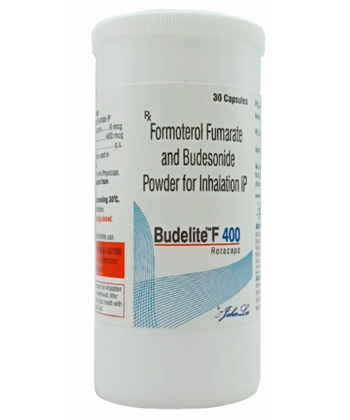
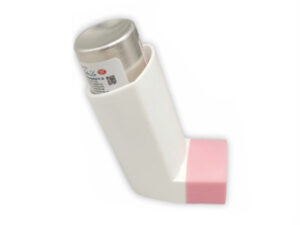
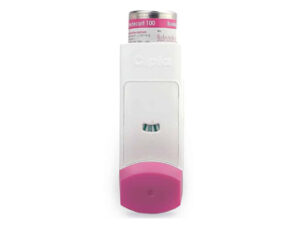
Budesonide/Formoterol Rotacaps (Inhaled) – Patient Information (Australia)
Budesonide + Formoterol Rotacaps is an inhaled medicine used to help control symptoms of certain long-term breathing conditions. It combines two medicines in one: a corticosteroid (budesonide) to reduce airway inflammation, and a long-acting bronchodilator (formoterol) to help keep the airways open. This combination is commonly used for people who need ongoing controller therapy to improve daily breathing and reduce flare-ups.
This guide explains what the medicine does, how it works, how to use it correctly, important safety information, interactions (including with alcohol and other medicines), and what to consider in Australia. If you have been told you should use this inhaler regularly, follow your clinician’s instructions.
Quick Facts
- Medicines in each dose: Budesonide (corticosteroid) + Formoterol (long-acting beta-2 agonist)
- How it’s taken: Inhalation using a Rotacap device (capsules placed in an inhaler; powder inhaled)
- Main benefits: Helps prevent symptoms, reduces inflammation, and keeps airways open
- Typical timing: Usually taken twice daily for maintenance control (exact schedule varies)
- Onset: Formoterol can start working quickly; budesonide helps over days to longer
Basic Product Information
Brand/product format: Budesonide/formoterol is available as inhalation powder in capsule (“Rotacap”) form, used with a compatible inhaler device.
What it treats: Commonly used for conditions such as asthma and/or chronic obstructive pulmonary disease (COPD), depending on the dose strength and local prescribing practice.
How it differs from “reliever” inhalers: Because it includes a corticosteroid, it is intended for long-term control. It also includes formoterol, which can have relatively rapid bronchodilator effects compared with some other long-acting medicines.
Mechanism of Action (How It Works)
1) Budesonide: reduces airway inflammation
Budesonide is an inhaled corticosteroid. It helps decrease inflammation in the airways, which plays a key role in asthma and other obstructive lung diseases. Over time, this can lead to:
- Less airway swelling and mucus production
- Reduced airway hyper-responsiveness
- Fewer symptom flares and exacerbations
2) Formoterol: opens the airways
Formoterol is a long-acting beta-2 adrenergic agonist (LABA). It relaxes smooth muscle in the airways, leading to bronchodilation. For many people, formoterol provides symptom relief that can begin relatively quickly after inhalation, and it continues to work for a longer period.
Why combination therapy matters: Inflammation control (budesonide) plus bronchodilation (formoterol) offers better overall symptom control than either component alone in many patients.
Pharmacokinetics (What the Body Does to the Medicines)
Pharmacokinetics describes how the body absorbs, distributes, metabolises, and eliminates medicines. Because these medicines are inhaled, the pattern differs from tablets, with the main site of action being the lungs.
Budesonide
- Absorption: A portion is absorbed through the lung lining; some may be swallowed after inhalation.
- Metabolism: Primarily metabolised in the liver (mainly via CYP3A enzymes).
- Elimination: Metabolites are cleared mainly through the kidneys.
Formoterol
- Absorption: Inhaled formoterol is absorbed into the bloodstream from the lungs and partly from swallowed material.
- Metabolism: Metabolised primarily by the liver (involving CYP pathways).
- Elimination: Mainly excreted via urine, typically as metabolites.
Clinical relevance: Liver metabolism means certain medicines that affect liver enzymes may increase or decrease levels. This is one reason interactions are important to discuss.
Typical Use and Indications (What It’s Used For)
In Australia, budesonide/formoterol is used as an inhaled controller medication for airflow obstruction conditions, most commonly:
- Asthma: For ongoing control of symptoms in people who require maintenance therapy with both an inhaled corticosteroid and a LABA.
- COPD: For patients with chronic obstructive pulmonary disease who need regular bronchodilator therapy plus an inhaled corticosteroid, depending on disease severity and prior exacerbations.
Your exact indication, dose strength, and whether you use a separate reliever inhaler (such as a short-acting bronchodilator) will depend on your individual plan.
Dosing (How Much and How Often)
Dosing varies by condition, severity, and the strength of the Rotacap capsules. Always use the dose prescribed for you and do not change your regimen without medical advice.
Common maintenance pattern:
- Adults (often): taken twice daily for maintenance control, with a consistent morning and evening schedule.
- Children: eligibility and dose depend on age and product strength. Follow the plan provided for your child.
Some inhaler plans also include “symptom relief” strategies (depending on local guidelines and the formulation). If your clinician has provided a written action plan that includes use of this medicine for certain symptoms, follow it.
Missed dose
- If you miss a dose, take it when you remember unless it is close to the next dose.
- Do not double to make up for a missed dose.
Do not stop suddenly: If you need to reduce or stop, clinicians usually taper or review your therapy to prevent loss of control.
Timing and How Quickly It Works
When you may notice effects
- Formoterol component: may improve breathing symptoms relatively quickly after inhalation.
- Budesonide component: works gradually; noticeable benefits often take days and may improve further over weeks.
Practical scheduling tips
- Choose fixed times (e.g., morning and evening) to maintain consistent control.
- If you use other inhalers, ask your pharmacist/clinician about the right sequence.
- Use the inhaler at the same times every day if possible.
Food Interactions
Because budesonide/formoterol is taken by inhalation, food interactions are generally minimal.
- You can usually take it with or without food.
- If you find that your inhaler technique leads to swallowing powder, it may reach the stomach, but this is not typically a reason to change meals.
Tip: Rinse your mouth and spit after inhalation (especially with inhaled corticosteroids) to help reduce the risk of oral thrush and hoarseness.
Alcohol and Medicine Interactions
Alcohol
There is no common direct “dangerous interaction” between alcohol and budesonide/formoterol inhaled therapy, but alcohol can affect breathing and may worsen asthma or COPD symptoms for some people.
- Moderate alcohol intake is often tolerated, but consider avoiding or reducing alcohol if you notice symptom worsening.
- Alcohol may also impair adherence (missing doses), which can reduce control.
Other medicine interactions (important)
Several medicine classes can affect how formoterol and budesonide behave, or they can affect potassium levels and cardiovascular effects. Tell your pharmacist or clinician about all medicines you use, including over-the-counter products and herbal supplements.
Key interaction considerations:
- CYP3A inhibitors (may increase corticosteroid levels): Some antifungals (e.g., ketoconazole), certain macrolide antibiotics (e.g., clarithromycin), and other strong enzyme inhibitors may increase budesonide exposure.
- Sympathomimetic medicines (other “beta-agonists”): Using more than one bronchodilator may increase side effects such as fast heartbeat or tremor.
- Beta-blockers (including some eye drops): Non-selective beta-blockers can reduce bronchodilation effects and may worsen breathing. Cardio-selective beta-blockers may still require caution—always seek advice.
- Diuretics (“water tablets”) and low potassium risk: If you take loop or thiazide diuretics (especially with other factors that lower potassium), formoterol’s beta-2 effects can sometimes contribute to lower potassium levels. This can matter more if you have heart rhythm risk.
- MAO inhibitors or tricyclic antidepressants: These can increase cardiovascular effects of beta-agonists in some circumstances.
Practical advice: If you are starting, stopping, or changing a medicine (including antifungals or antibiotics), ask whether it affects your inhaler regimen.
Safety Profile and Side Effects
Like all medicines, budesonide/formoterol can cause side effects. Many people tolerate it well, especially when used correctly. Side effects can be dose-related and may depend on technique.
Common side effects
- Throat irritation or hoarseness
- Oral thrush (fungal infection) — risk reduced by rinsing mouth after use
- Headache
- Tremor (more related to formoterol)
- Palpitations (feeling of heartbeat changes)
- Muscle cramps (sometimes)
- Nervousness or restlessness
Less common but important effects
- Low potassium (may contribute to weakness or abnormal heart rhythms)
- Changes in blood sugar (particularly in people with diabetes or risk)
- Worsening of symptoms if the asthma/COPD plan is not effective or if triggers continue
- Signs of infection such as fever, worsening cough, or increased sputum (may indicate COPD flare or infection)
Seek urgent medical help if
- Severe breathing difficulty that does not improve
- Chest pain, fainting, or a very fast/irregular heartbeat
- Signs of severe allergic reaction: swelling of face/lips, hives, or difficulty breathing
Risk of systemic steroid effects (inhaled)
Because budesonide is inhaled, systemic exposure is generally lower than with oral steroids. However, long-term use at higher doses can increase the risk of steroid-related effects in some people, such as:
- Bruising or skin thinning
- Reduced bone density (osteoporosis risk over time)
- Eye problems (cataracts or glaucoma)
- Suppression of the body’s natural steroid production (rare, but possible)
Your clinician can help monitor risk factors and use the lowest effective dose.
Practical Use Tips (Rotacap Technique)
Correct inhaler technique strongly affects how much medicine reaches your lungs. The Rotacap device is designed for inhaled powder delivery—follow the product instructions that came with your inhaler.
Step-by-step technique (general guidance)
- Prepare: Open the Rotacap blister/capsule pack only when you are ready.
- Load the capsule: Place one capsule into the designated chamber of the Rotacap inhaler device.
- Pierce: Close the device so the capsule is pierced (as per instructions).
- Inhale: Breathe in quickly and deeply through the mouthpiece to draw powder into the lungs.
- Hold your breath: Hold for several seconds if possible, then breathe out gently.
- Check capsule: Ensure the capsule is empty; repeat inhalation only if advised by your device instructions.
- Remove and discard: Dispose of the empty capsule safely.
- Rinse mouth: After each use, rinse your mouth with water and spit out (do not swallow) to help prevent thrush and hoarseness.
Common mistakes to avoid
- Not inhaling firmly enough (powder may not disperse effectively)
- Using the capsule without the correct Rotacap device
- Forgetting mouth rinsing after inhaled steroid use
- Skipping doses or stopping when feeling better
When to review technique
Ask a pharmacist, nurse, or doctor to observe your technique, especially if:
- Your symptoms are not well controlled
- You need emergency care
- You have frequent flare-ups
- You start using a new device
Alternative Options (Other Treatment Choices)
Depending on your diagnosis (asthma vs COPD), severity, and past response, alternative inhaler strategies may include:
For asthma
- Inhaled corticosteroid (ICS) alone for mild disease (not always enough for moderate/severe cases)
- Other ICS/LABA combinations (different dose strengths or molecules)
- ICS-formoterol in different dosing regimens as guided by local practice and your action plan
- Add-on therapies for specific cases (e.g., long-acting muscarinic antagonists or biologics), based on specialist assessment
For COPD
- Long-acting bronchodilators (LABA or LAMA combinations)
- ICS/LABA combinations for selected patients, especially those with exacerbation history and/or certain biomarkers
- Triple therapy (LABA/LAMA/ICS) in certain moderate-to-severe COPD patients
Your pharmacist can help compare options based on your diagnosis, inhaler preferences, and what you have tried before.
Market and Legal Context for Australia
Medicines in Australia are regulated by the TGA (Therapeutic Goods Administration), and access to different medicines depends on scheduling and clinical criteria. Inhaled controller medicines are typically managed within structured asthma and COPD care plans.
In Australia, clinicians often follow evidence-based national guidance and local therapeutic pathways. Pharmacy services may include:
- Verification of appropriate inhaler use and technique
- Support for adherence and device counselling
- Monitoring for side effects such as oral thrush
- Reviewing whether your regimen matches your current symptoms
Your availability of particular strengths or brands may vary depending on supply and product listings.
Recent Guidance (General Themes)
Ongoing asthma and COPD guidance in Australia and internationally continues to emphasise:
- Using inhaled corticosteroids appropriately for people who need them to reduce inflammation and exacerbations
- Ensuring correct inhaler technique and adherence
- Regular review of control and stepping therapy up or down based on symptoms and exacerbations
- Individualising COPD therapy according to exacerbation risk and patient characteristics
If you have questions about whether your current regimen is the best match, discuss a review with your clinician.
Delivery and Availability (Australia)
Availability of budesonide/formoterol Rotacaps and compatible inhaler devices can vary by strength and stock levels. Online pharmacies typically:
- Confirm product availability before shipping
- Dispatch orders promptly during business days
- Provide tracking information where available
Delivery times vary based on location within Australia (major cities generally faster than regional areas). You can also ask your pharmacy about:
- Cold-chain or special shipping needs (usually not required for inhaled powder products)
- How to store Rotacaps (keep in original packaging, protect from moisture)
- Compatibility between Rotacaps and the supplied inhaler device
Storage and Handling
- Store Rotacaps as directed on the pack (commonly in a cool, dry place).
- Keep capsules in their blister pack until use to protect from moisture.
- Do not freeze or expose to excessive heat.
- Check expiry date before use.
When to Consider Extra Support
You may benefit from additional pharmacy or clinical support if you:
- Have frequent symptoms at night or on waking
- Use your reliever more often than recommended
- Are experiencing side effects such as hoarseness or thrush
- Have trouble using the device or inhaler technique
- Have other health conditions (e.g., heart rhythm problems or diabetes)
FAQ – Budesonide/Formoterol Rotacaps
1) Is Budesonide/Formoterol Rotacaps a “reliever” inhaler?
It is primarily a controller medicine. It contains formoterol, which can start working relatively quickly, but it is designed for ongoing control rather than replacing your reliever inhaler unless your action plan specifically advises it.
2) How long does it take to work?
Some symptom improvement may happen soon after use due to formoterol. However, the anti-inflammatory effect of budesonide usually improves control over days to weeks.
3) What if I feel better—can I stop?
Do not stop without advice. Many people need ongoing controller therapy to maintain symptom control and reduce exacerbations.
4) Why do I get hoarseness or a sore throat?
Inhaled corticosteroids can cause local irritation. Rinsing your mouth after each dose and using correct inhaler technique can reduce risk. If symptoms persist, speak to your pharmacist or clinician.
5) What should I do if I miss a dose?
Take it when you remember unless it is close to your next dose. Do not double up.
6) Can I take it with food or after meals?
Yes—food interactions are generally not a concern with inhaled therapy. You can take it as scheduled.
7) Are there interactions with antibiotics or antifungal medicines?
Some antibiotics and antifungals can affect liver enzymes that metabolise budesonide, potentially increasing steroid exposure. Always inform your pharmacist/clinician about new medicines.
8) Is it safe with alcohol?
Alcohol does not typically have a direct harmful interaction with inhaled budesonide/formoterol, but it can worsen breathing for some people and may affect adherence. Use moderation and monitor your symptoms.
9) Can I use this medicine during an asthma/COPD flare?
It depends on your action plan. If symptoms worsen quickly, follow your clinician’s guidance for flare management and ensure you have access to your reliever treatment as directed.
10) How do I reduce the risk of thrush?
Rinse your mouth thoroughly and spit out after each dose. Keep a consistent routine and use the inhaler correctly.
Product Summary Table
| Topic | What to know |
|---|---|
| Medicine | Budesonide + Formoterol in Rotacap form for inhalation |
| Purpose | Controls airway inflammation and helps keep airways open |
| How to take | Use with the correct Rotacap inhaler device; inhale powder quickly and deeply |
| Typical schedule | Often twice daily for maintenance (follow your plan) |
| Food effects | Generally minimal; can be taken with or without food |
| Alcohol | Usually no direct interaction, but alcohol may worsen symptoms or affect adherence |
| Common side effects | Hoarseness, mouth irritation, thrush, headache, tremor, palpitations |
| Technique tip | Rinse mouth after each dose to reduce thrush risk |
| Important interactions | Tell your clinician about enzyme inhibitors, beta-blockers, diuretics, and other related medicines |
Final Notes
Budesonide/formoterol Rotacaps are an inhaled combination medicine aimed at long-term control of airway symptoms by reducing inflammation and improving airflow. For best results, use the inhaler correctly, follow your maintenance schedule, rinse your mouth after dosing, and review your plan regularly—especially if symptoms change or you need more reliever medication.
If you are unsure about your dosing, inhaler technique, or whether this medicine is appropriate for your condition, speak with your pharmacist or clinician.