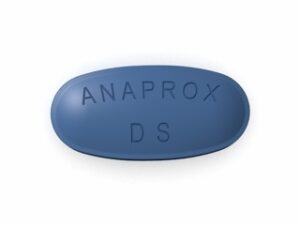
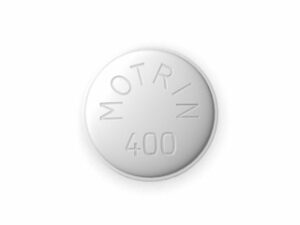
Anaprox (Naproxen) — Patient-Friendly Information (Australia)
Anaprox contains naproxen, a medicine from the non-steroidal anti-inflammatory drug (NSAID) family. It is used to reduce pain, inflammation, and fever caused by a range of conditions. This guide explains how Anaprox works, how it is typically used, and key safety information—written to help you use the medicine more confidently.
| Feature | What to know |
|---|---|
| Active ingredient | Naproxen |
| Medicine type | NSAID (anti-inflammatory pain relief) |
| Common reasons for use | Muscle and joint pain, arthritis symptoms, period pain |
| How it helps | Reduces inflammation and pain by affecting prostaglandins |
| Typical dosing pattern | Often once or twice daily depending on formulation and strength |
Basic product information
Anaprox is an NSAID used for short- and long-term management of pain and inflammation associated with conditions such as musculoskeletal disorders and arthritis-related symptoms. In Australia, naproxen is available in different strengths and formulations depending on brand and product type. Always check your specific pack for the exact strength and directions.
Who should take care? NSAIDs can increase risk of stomach irritation, bleeding, kidney strain, and cardiovascular side effects in some people. Extra caution is needed if you have a history of ulcers or gastrointestinal bleeding, kidney disease, heart disease, or if you take interacting medicines (examples listed later in this page).
How Anaprox works (mechanism of action)
Naproxen works by blocking the activity of cyclo-oxygenase (COX) enzymes, which help your body produce prostaglandins. Prostaglandins contribute to:
- Pain signalling
- Inflammation (swelling, redness, warmth)
- Fever
By reducing prostaglandin production, naproxen can lower pain and inflammation. This is why NSAIDs are commonly used for conditions such as tendon and joint inflammation, back pain, and arthritic flare-ups.
Pharmacokinetics (how the body handles it)
Pharmacokinetics describes what happens to a medicine after you take it. While individual results vary, the following general points apply to naproxen:
- Absorption: Naproxen is absorbed from the gut after oral dosing. Taking it with food may improve comfort and reduce stomach upset for many people.
- Distribution: Naproxen distributes throughout the body and can bind to plasma proteins.
- Metabolism: It is metabolised in the liver to inactive or less active metabolites.
- Excretion: Metabolites are mainly eliminated via the kidneys and partly through other routes.
- Duration: Naproxen typically has a relatively long duration of action, which is why many regimens are dosed once or twice daily depending on the product formulation.
Important: People with impaired liver or kidney function may process medicines differently and may be at higher risk of side effects.
Typical use
Anaprox is commonly used for:
- Musculoskeletal pain (e.g., strains, sprains)
- Joint pain and stiffness (including some forms of arthritis)
- Inflammatory conditions where NSAIDs can help reduce swelling and pain
- Period (menstrual) pain, when appropriate
- Back pain related to inflammation or tissue irritation (short-term management)
Your suitability depends on your medical history and other medicines you take. If your symptoms are severe, persistent, or associated with fever, unexplained weight loss, chest pain, or shortness of breath, seek medical advice promptly.
When to take it (timing and duration)
Follow the dosing instructions on your pack. In general:
- Take at the same times each day for consistent pain control (if your dosing schedule is regular).
- Use the lowest effective dose for the shortest time needed to control symptoms.
- Do not exceed the maximum daily dose stated for your specific product.
For pain that comes and goes: Many people use NSAIDs for flare-ups or for a limited course during periods of higher pain. If you need ongoing NSAID treatment, discuss safer long-term strategies with a healthcare professional.
Should you take it with food?
Naproxen can irritate the stomach. Taking it with food or milk may help reduce stomach discomfort. However, it’s still important to watch for warning signs such as:
- Stomach pain or burning that is new or worsening
- Black, tarry stools or blood in stools
- Vomiting blood or coffee-ground material
If you develop any of the above symptoms, stop and seek urgent medical help.
Food interactions
Food does not usually “cancel out” naproxen, but it can affect how comfortable it is to take:
- With meals: often better tolerated.
- Empty stomach: may increase risk of indigestion, nausea, or stomach irritation.
General dietary advice:
- Limit alcohol (see below), especially when your stomach is sensitive.
- Consider staying well hydrated, particularly if you are older or have reduced kidney function.
Alcohol and medicine interactions
Alcohol: Drinking alcohol while taking NSAIDs can increase the risk of gastrointestinal bleeding and stomach irritation. If you drink alcohol, it is safest to avoid or minimise alcohol during use, particularly at higher doses or longer durations.
Common medicine interactions (check with your pharmacist if you’re unsure):
- Other NSAIDs (e.g., ibuprofen, aspirin for pain): increases stomach and kidney risks. Avoid taking more than one NSAID at the same time unless specifically directed.
- Blood thinners (e.g., warfarin, other anticoagulants): NSAIDs can increase bleeding risk.
- Antiplatelet agents (e.g., clopidogrel, some aspirin regimens): may increase bleeding risk.
- Selective serotonin reuptake inhibitors (SSRIs) or other antidepressants affecting serotonin: may increase risk of GI bleeding when combined with NSAIDs.
- Corticosteroids (e.g., prednisone): combined use increases GI ulcer/bleeding risk.
- Some blood pressure medicines (ACE inhibitors/ARBs) and diuretics: the combination of an NSAID with these can increase risk of kidney problems in vulnerable people.
- Lithium: NSAIDs may raise lithium levels.
- Methotrexate: NSAIDs may increase methotrexate toxicity.
- Some diabetes medicines: monitor for changes in blood glucose control (effects vary).
- Herbal products that affect bleeding (e.g., some supplements like high-dose fish oil or others): ask your pharmacist for a personalised check.
If you take multiple medicines daily, keep an up-to-date list to show your pharmacist. Interaction risk can depend on dose, duration, and your overall health.
Indications (what it is used for)
In practice, Anaprox is indicated for conditions where NSAID benefits apply, such as:
- Inflammatory and degenerative joint conditions (pain and stiffness)
- Musculoskeletal injuries and inflammatory tissue pain
- Period pain (dysmenorrhoea) for appropriate users
- Other pain conditions where an NSAID is suitable
Because indications can vary by product strength/formulation and local guidance, always use the directions on your pack and consider advice from a pharmacist if symptoms are recurring or severe.
Dosing guidance (general information)
Dosing depends on:
- the exact Anaprox product you have (strength and formulation)
- your age and kidney function
- the condition being treated
- other medicines you take
General principles:
- Use the lowest effective dose for the shortest time.
- Follow the dosing schedule on the packaging.
- If you miss a dose, take it when you remember unless it is close to the next scheduled dose—then skip the missed dose. Do not double up.
How long should you use it? If symptoms improve, consider stopping. If you need it beyond a few days for acute pain, or if pain returns often, discuss options with a healthcare professional. Longer NSAID courses increase the chance of side effects.
Note: For safety, please refer to the specific directions on your Anaprox pack for the exact dose. This page provides educational dosing principles rather than a personalised regimen.
Safety profile and when to avoid or seek advice
Like all NSAIDs, naproxen can cause side effects. Most people tolerate it well when used correctly, but risks increase with higher doses, longer duration, older age, and with certain medical conditions.
Common side effects
- Indigestion, heartburn
- Nausea or stomach discomfort
- Mild dizziness or headache
Serious side effects (seek urgent medical help)
- Signs of bleeding: black/tarry stools, blood in vomit or stools, vomiting blood
- Allergic reactions: swelling of face/lips, wheezing, severe rash
- Chest pain, shortness of breath, sudden weakness (possible cardiovascular events)
- Severe stomach pain or persistent vomiting
- Signs of kidney problems: decreased urination, swelling in legs/feet
- Severe liver issues (rare): yellowing skin/eyes, dark urine
People who should use extra caution
- History of stomach ulcers or GI bleeding
- Chronic kidney disease or reduced kidney function
- History of heart disease, stroke, or uncontrolled high blood pressure
- Asthma that worsens with NSAIDs (some people are sensitive)
- Older adults (higher risk of side effects)
- Pregnancy (especially later pregnancy—discuss before use)
Pregnancy and breastfeeding (general guidance)
If you are pregnant, planning pregnancy, or breastfeeding, seek appropriate advice before using NSAIDs. Recommendations differ depending on trimester and individual risk factors.
Practical use tips
- Take with food if you get indigestion.
- Hydrate and avoid excessive dehydration (especially during hot weather or illness).
- Avoid double NSAID use (e.g., don’t combine with ibuprofen).
- Read your pack to confirm strength and dosing schedule.
- Keep track of duration: if you need it repeatedly, reassess your pain plan.
- Be careful with “cold/flu” medicines: some contain NSAID ingredients—check labels.
- Consider non-medicine options for musculoskeletal pain (heat/ice, gentle movement, stretching where appropriate).
Alternative options
If Anaprox is not suitable or if you want alternatives, options may include:
- Paracetamol (acetaminophen) for pain relief (does not have the same anti-inflammatory effect as NSAIDs).
- Other NSAIDs (e.g., ibuprofen, diclofenac) — but these may share similar risks, especially for the stomach and kidneys.
- Topical anti-inflammatory medicines (e.g., gels) for some localised aches—may reduce systemic side effects.
- Non-drug approaches such as physiotherapy, exercise programs, ergonomic changes, and targeted stretching/strengthening.
- For specific conditions, a clinician may recommend tailored treatments beyond NSAIDs.
Your best alternative depends on the cause of pain, your medical history, and your current medicines.
Market and legal context for Australia
In Australia, NSAIDs including naproxen are regulated medicines. Depending on product type and strength, naproxen products may be supplied under different scheduling and pharmacy access pathways. Product availability can vary between pharmacies and online listings according to the governing requirements at the time of purchase.
Australian safety standards emphasise:
- Clear labelling of dose and indications
- Warnings about gastrointestinal, kidney, and cardiovascular risks
- Consumer education about interactions and contraindications
- Pharmacist review when medicines may be more suitable for certain people than others
If you are unsure about eligibility for a particular product in your situation, a pharmacist can help you choose the safest option and dosing plan.
Recent guidance and best-practice considerations
Over recent years, Australian and international health guidance has continued to focus on:
- Using NSAIDs at the lowest effective dose for the shortest possible duration
- Extra caution in people at higher risk of gastrointestinal bleeding, kidney impairment, or cardiovascular events
- Considering protective strategies for the stomach in people at higher GI risk (only when appropriate and advised)
- Avoiding unnecessary combination therapy with other NSAIDs or interacting medicines
Because recommendations can evolve as evidence updates, it’s wise to check the label and pharmacy advice each time you start or restart NSAID therapy.
Delivery and availability
Online pharmacy delivery options may vary across Australia based on stock, courier services, and your location. Common delivery features include:
- Secure packaging to protect tablets/capsules
- Tracking where available
- Dispatch times depending on stock levels
- Ability to support repeat orders for ongoing conditions (availability dependent)
Availability: Naproxen products may differ by strength and formulation. If your usual brand is not available, ask the pharmacy whether equivalent options are stocked.
Cold chain: Naproxen tablets generally do not require refrigeration, but always store according to the packaging instructions.
FAQ — Frequently asked questions
1) What is Anaprox used for?
Anaprox (naproxen) is used to relieve pain and inflammation from conditions such as musculoskeletal injuries, joint and arthritis symptoms, and period pain (when appropriate).
2) How quickly does it work?
Many people begin to feel relief within a short period after taking an NSAID, but the exact timing varies by formulation and your condition. Taking it with food can reduce stomach upset, though it may slightly change how quickly you feel effects for some people.
3) Can I take Anaprox with other pain relief?
For many people, paracetamol may be used with NSAIDs, but it’s important to avoid duplicate ingredients and follow labelled directions. Avoid combining two NSAIDs together unless a healthcare professional specifically advises it.
4) What should I do if I miss a dose?
If you remember soon after, take it as directed. If it is close to the next scheduled dose, skip the missed dose—do not take a double dose.
5) Is it safe to take Anaprox every day?
NSAIDs can be used for certain conditions under a planned regimen, but long-term daily use increases the chance of side effects. If you need it regularly, ask a pharmacist or clinician to review the safest approach.
6) Can I drink alcohol while using Anaprox?
It is best to avoid or minimise alcohol. Alcohol increases the risk of stomach irritation and gastrointestinal bleeding when combined with NSAIDs.
7) Who should not take naproxen?
People with a history of NSAID-triggered allergy or who have previously experienced NSAID-related stomach ulcers/bleeding should seek advice before use. Extra caution is also needed for kidney disease, heart disease, uncontrolled high blood pressure, and some asthma conditions. If you have any of these, speak with a pharmacist.
8) What are warning signs I should watch for?
Stop and seek urgent help if you notice signs of bleeding (black stools, blood in vomit), severe allergic reactions (swelling, wheezing), chest pain, shortness of breath, or signs of kidney problems (reduced urination, swelling).
9) Does food affect Anaprox?
Food can help reduce stomach upset. Taking it with meals or milk may improve tolerance compared with taking it on an empty stomach.
10) Are there alternatives to Anaprox?
Alternatives may include paracetamol, other pain-relief strategies, topical anti-inflammatory options for some aches, and non-drug measures such as physiotherapy or targeted exercise.
Key takeaways
- Anaprox (naproxen) is an NSAID used to reduce pain and inflammation.
- Take the lowest effective dose for the shortest time to reduce risks.
- Use caution if you have a history of ulcers/bleeding, kidney issues, heart disease, or if you take interacting medicines.
- Avoid alcohol or keep it minimal to reduce stomach bleeding risk.
- If symptoms persist or worsen, seek advice rather than extending NSAID use indefinitely.
Disclaimer: This information is provided to help you understand naproxen and its general use. Always follow the instructions on your specific product packaging and ask your pharmacist for guidance if you have any medical conditions or questions about interactions.