
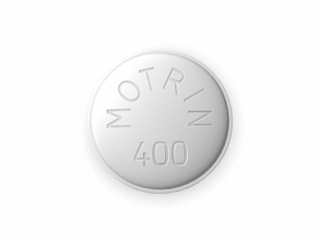

Motrin (Ibuprofen) – Pain Relief & Anti-Inflammatory Medicine (Australia)
Motrin contains ibuprofen, a well-known medicine used to relieve pain, fever and inflammation. It belongs to a group of medicines called NSAIDs (non-steroidal anti-inflammatory drugs). If you’re looking for an effective, short-term option for common aches and pains, Motrin may be an appropriate choice for many adults and children—when used correctly and safely.
This guide is written to help you understand how Motrin works, when it can be used, and what to consider for safe use. Always read the label and follow the directions provided by your pharmacist or doctor.
Quick product overview
| Category | Details |
|---|---|
| Medicine | Motrin (Ibuprofen) |
| Active ingredient | Ibuprofen |
| Drug class | NSAID (non-steroidal anti-inflammatory) |
| Common uses | Pain relief, fever reduction, inflammation-related discomfort |
| Typical route | Oral (tablets, capsules, suspensions depending on brand/formulation) |
| Onset (typical) | Often within 30–60 minutes (varies by person and formulation) |
| Duration | Often lasts about 4–6 hours for pain/fever control |
| Availability in Australia | Commonly available as non-prescription OTC medicine, depending on strength and product type |
How Motrin works (mechanism of action)
Ibuprofen works by reducing the production of chemicals in the body called prostaglandins. Prostaglandins contribute to:
- Pain (by sensitising nerves)
- Inflammation (swelling, redness, tissue irritation)
- Fever (by affecting the temperature-regulating area of the brain)
Motrin helps relieve symptoms by blocking enzymes involved in prostaglandin formation (COX enzymes). The result is typically less pain and inflammation, plus a lowering of fever.
Pharmacokinetics (how the body handles ibuprofen)
Understanding pharmacokinetics can help explain timing and food effects.
Absorption
- After oral dosing, ibuprofen is absorbed through the gastrointestinal tract.
- Food can slow absorption, which may delay the onset slightly, but it can also improve stomach tolerance for some people.
Distribution
- Ibuprofen binds to plasma proteins and distributes to tissues where inflammation and pain are present.
Metabolism
- Ibuprofen is metabolised mainly in the liver.
Elimination
- Metabolites and small amounts of unchanged drug are eliminated primarily through the kidneys.
- Because kidneys are involved, people with kidney impairment need extra caution.
Practical takeaway: Motrin is generally intended for short-term use. If symptoms persist beyond a few days or worsen, seek medical advice.
Typical uses and indications
Motrin (ibuprofen) is used for the relief of:
- Headaches and migraine-like pain (as directed on packaging)
- Dental pain
- Muscle aches and back pain
- Period pain (dysmenorrhoea)
- Arthritis pain and inflammatory discomfort (where appropriate and as directed)
- Sprains and strains (pain and swelling)
- Cold and flu symptoms including fever and body aches
- Fever (in adults and children, where product directions allow)
Not all products are suitable for all ages—always check the specific strength and formulation for your child’s age and weight (if relevant).
Timing: when Motrin starts working
For many people, ibuprofen begins to work within 30–60 minutes after swallowing. Pain relief and fever reduction typically last around 4–6 hours, which is why dosing intervals are often set accordingly.
If you need faster relief: Taking on an emptier stomach may speed onset for some people, but it may increase the chance of stomach discomfort. If you have a sensitive stomach, taking with food may be safer and more comfortable.
Food interactions and stomach tolerance
Food does not usually “cancel out” ibuprofen, but it can influence how quickly it begins to work.
- With food: absorption may be slower, onset may be delayed slightly, but the medicine may be better tolerated.
- Without food: may start working faster, but may be more likely to cause stomach irritation.
Tip: If you’ve previously had indigestion or stomach pain with NSAIDs, consider taking Motrin with meals or milk (unless your product label advises otherwise).
Alcohol interactions
Alcohol and ibuprofen can both irritate the gastrointestinal tract and may increase the risk of stomach bleeding and ulceration.
- It’s generally best to avoid or limit alcohol while taking Motrin.
- Extra caution is advised if you drink alcohol regularly, have a history of ulcers, or take other medicines that affect bleeding risk.
Seek urgent help if you experience signs of GI bleeding such as black/tarry stools, vomiting blood, or severe stomach pain.
Medicine interactions (important)
Some medicines may interact with ibuprofen. While many combinations are still possible under certain circumstances, it’s important to check your individual situation with a pharmacist.
Common interaction considerations
- Other NSAIDs (including aspirin for pain): Avoid taking multiple NSAIDs together unless a clinician has advised it.
- Blood thinners/anticoagulants (e.g., warfarin) and antiplatelet medicines: Higher bleeding risk may occur.
- Selective serotonin reuptake inhibitors (SSRIs) and other antidepressants that affect bleeding risk: Increased risk of GI bleeding may be higher.
- Corticosteroids: May increase ulcer/bleeding risk.
- Some blood pressure and heart medicines (e.g., ACE inhibitors, ARBs, diuretics): Combination with NSAIDs can affect kidney function in some people, particularly during dehydration.
- Lithium: NSAIDs may increase lithium levels—monitoring may be required.
- Methotrexate: NSAIDs can increase methotrexate toxicity, depending on dose and regimen.
- Some supplements/medicines that affect bleeding (e.g., high-dose fish oil, certain herbal products): Discuss with a pharmacist if you’re unsure.
Always do this before combining medicines
- Check the label for active ingredients (some cold/flu products also contain NSAIDs or related pain relievers).
- Keep a list of all medicines you take, including OTC products and supplements.
- If you’re pregnant, planning pregnancy, breastfeeding, or have chronic disease, ask a pharmacist for tailored advice.
Dosing: how to take Motrin safely
Dose depends on the formulation (tablet/capsule/suspension), strength, and whether it’s for adults or children. Always follow the directions on the packaging or from a pharmacist.
General dosing principles
- Use the lowest effective dose for the shortest time needed to control symptoms.
- Keep track of the total daily amount; do not exceed the maximum daily dose stated on the product label.
- For repeat doses, respect the dosing interval shown on the label (commonly every 6–8 hours depending on the product).
- If symptoms are not improving or are worsening, stop and seek medical advice rather than taking more.
Example adult dosing (always confirm with your specific product label)
Many OTC ibuprofen products for adults are commonly taken in divided doses throughout the day with intervals that usually provide symptom relief. Because Motrin products and strengths vary, the exact amount should be verified on your packaging.
Important: This website cannot replace label directions. If you want, provide the specific product strength (e.g., mg per tablet or per 5 mL) and the age of the person taking it, and a pharmacist can help you interpret the label dosing.
Children and infants
For children, ibuprofen dosing is generally based on weight and age-appropriate formulations. Never guess a dose. Use the measuring device provided with suspensions and confirm the concentration on the bottle.
- Only use ibuprofen in children if the product is labelled for that age group.
- If the child is under a certain age (depending on product guidance), seek pharmacist advice before use.
Safety profile: who should be cautious
Ibuprofen is generally safe when used as directed. However, like all NSAIDs, it can cause side effects and is not suitable for everyone.
Common side effects
- Stomach discomfort, indigestion, nausea
- Heartburn
- Headache or dizziness (less common)
Serious risks (seek medical advice urgently if these occur)
- Allergic reactions (e.g., swelling of face/lips, wheezing, rash)
- Gastrointestinal bleeding (black stools, vomiting blood, severe persistent abdominal pain)
- Kidney problems (reduced urination, swelling of feet/ankles, unusual fatigue)
- Severe skin reactions (blistering or peeling)
- Symptoms suggesting a heart-related issue (chest pain, shortness of breath) or stroke-like signs—urgent assessment is needed
People who should avoid or use with extra caution
- History of stomach ulcers or GI bleeding
- Known NSAID allergy or asthma triggered by NSAIDs
- Significant kidney disease
- Severe heart disease or high cardiovascular risk (discuss with a pharmacist/doctor)
- Dehydration (e.g., due to vomiting/diarrhoea), which increases kidney risk
- Taking medicines that increase bleeding risk (as listed in the interactions section)
- Pregnancy: NSAID use is generally avoided in later pregnancy—seek advice if pregnant
Medical advice prompt: If you need Motrin for more than a few days, or if fever lasts longer than expected, it’s important to seek professional advice instead of escalating doses.
Practical use tips
- Read the label every time (strengths differ).
- Don’t double up with other pain medicines that also contain ibuprofen or other NSAIDs.
- Take with food if you experience nausea or stomach irritation.
- Hydrate, especially in hot weather or if you’ve been unwell.
- Use a calendar: if you’re taking it more than once daily, tracking prevents accidental overuse.
- Stop and seek help if symptoms worsen, you develop unusual bleeding/bruising, or you get a rash.
Remember: Motrin treats symptoms (pain/fever/inflammation). If there’s an underlying infection, injury, or chronic problem, appropriate assessment may still be needed.
Alternative options
Depending on the cause of pain or fever, alternatives may include:
- Paracetamol (acetaminophen): Often considered for fever and pain, especially if NSAIDs aren’t suitable.
- Other NSAIDs: Different formulations (e.g., naproxen) may be options for some people, but NSAID cautions still apply.
- Non-medicine measures:
- Rest and gentle activity for strains
- Cold packs for acute swelling; heat for muscle tightness (when appropriate)
- Hydration and light meals during fevers
If you’re deciding between ibuprofen and another option, a pharmacist can help based on your age, medical history, and other medicines.
Market and legal context for Australia (OTC availability)
In Australia, ibuprofen products are widely available through pharmacies and retail channels depending on strength and formulation. Products may be classified as non-prescription (over-the-counter) for certain strengths and age groups.
Because medicines are regulated, you should expect:
- Clear instructions on pack labelling
- Warnings for specific conditions and age groups
- Pharmacy guidance for safer use, particularly for children and people with medical conditions
Local availability and product strengths can vary by brand. Always confirm you have the correct formulation for your needs.
Recent guidance and “when to get help” reminders
Ongoing healthcare guidance generally emphasises:
- Use the lowest effective dose for the shortest time.
- Avoid combining multiple NSAIDs.
- Be cautious if you have stomach ulcers, kidney disease, or heart risk factors.
- Children should receive weight/age-appropriate dosing with the correct formulation.
Get medical advice promptly if:
- You suspect a serious injury, infection, or severe allergic reaction.
- Your fever persists or you feel significantly unwell.
- You need pain relief longer than a few days without improvement.
Delivery and availability (Australia)
Motrin (ibuprofen) is commonly available in Australia and may be offered by online pharmacies in multiple formulations such as tablets, capsules, and children’s suspensions, depending on stock and regulatory classification.
Delivery: Delivery times vary by supplier, location, and courier availability. At checkout, you can typically view an estimated delivery window.
Availability: Stock can change. If you’re looking for a specific strength or form (e.g., children’s liquid), check the product page for current availability before ordering.
Tip: If you need help selecting a suitable product strength or age-appropriate form, consider contacting a pharmacist via the store’s enquiry option before purchasing.
FAQ – Motrin (Ibuprofen)
1) Is Motrin the same as ibuprofen?
Yes. Motrin is a brand name that contains ibuprofen, an NSAID used for pain and fever relief.
2) How fast does Motrin work?
Many people feel effects within 30–60 minutes. Taking Motrin with food may slow the onset slightly but can improve stomach comfort.
3) How often can I take Motrin?
Dosing frequency depends on your specific product strength and label directions. In general, NSAIDs are taken at intervals shown on the packaging (commonly every 6–8 hours for many formulations). Do not exceed the maximum daily dose listed.
4) Can I take Motrin with food?
Yes. Taking with food or milk can reduce the chance of stomach upset. If you do not experience stomach issues, some people take it without food for faster onset—however, stomach tolerance varies.
5) Can I drink alcohol while using Motrin?
It’s safest to avoid or limit alcohol because alcohol and ibuprofen may increase the risk of stomach irritation and bleeding.
6) Can I take Motrin with paracetamol?
In many cases, paracetamol and ibuprofen can be used together or in alternating schedules under label guidance or pharmacist advice. However, always check active ingredients and maximum daily doses to avoid accidental overuse.
7) Who should not take ibuprofen?
People with certain conditions (such as a history of NSAID-related allergy, stomach ulcers or bleeding, or significant kidney disease) should avoid ibuprofen or use it only with professional advice. If you’re unsure, ask a pharmacist.
8) Is ibuprofen safe for children?
Ibuprofen products for children may be available, but correct dosing depends on age and weight and the specific formulation. Use only products labelled for the child’s age and follow the dosing instructions carefully.
9) What should I do if I miss a dose?
If you miss a dose, take it when you remember unless it’s close to the next scheduled dose. Do not double up.
10) When should I seek medical advice?
Seek medical advice if your symptoms worsen, you develop concerning side effects (such as bleeding signs, severe stomach pain, rash, or breathing difficulty), or your fever/pain does not improve within a short period as advised on the label.
Important note
This information is provided to help you understand Motrin (ibuprofen) better. It does not replace the product label or advice from a pharmacist or other healthcare professional. For personalised guidance—especially if you have ongoing medical conditions, take other medicines, are pregnant/breastfeeding, or are dosing a child—talk to a pharmacist.