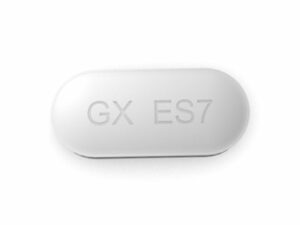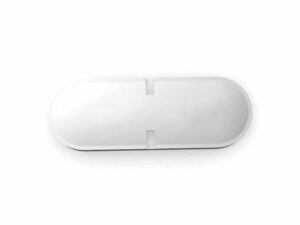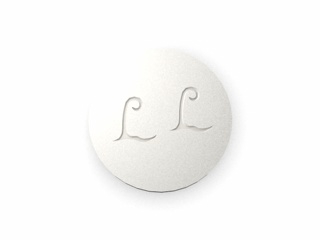
Myambutol (Ethambutol Hydrochloride) – Patient Information
Myambutol contains ethambutol hydrochloride, an antibiotic medicine used as part of combination therapy for certain mycobacterial infections. This guide is designed to help you understand how Myambutol works, how it’s typically used, key safety considerations, and what to expect while taking it.
Important: Information below is general and cannot replace advice from your healthcare professional. If you have questions about your specific treatment plan, speak with your doctor or pharmacist.
Basic product information
| Category | Details |
|---|---|
| Medicine name | Myambutol |
| Active ingredient | Ethambutol hydrochloride |
| Common use | Part of combination antibiotic therapy for mycobacterial infections (e.g., tuberculosis, certain non-tuberculous mycobacterial disease) |
| How it’s taken | Oral tablets (strengths and formulations vary by product) |
| Typical course | Often measured in months for mycobacterial infections; exact duration depends on the condition and culture results |
How Myambutol works (mechanism of action)
Ethambutol is an antibiotic with activity against mycobacteria (the organisms responsible for tuberculosis and some non-tuberculous mycobacterial infections). Its primary mechanism is:
- Inhibition of mycobacterial cell wall synthesis by blocking the formation of components needed for growth and survival.
- Ethambutol interferes with the pathways that allow mycobacteria to build and maintain their cell wall, helping to slow or stop bacterial growth.
Because mycobacterial infections are typically treated with multiple medicines, Myambutol is usually used together with other antibiotics to improve cure rates and reduce the risk of resistance.
Pharmacokinetics (how your body handles ethambutol)
Understanding pharmacokinetics can help explain why monitoring and dose adjustments may be needed—especially in people with kidney problems.
- Absorption: Ethambutol is absorbed after oral dosing.
- Distribution: It distributes through the body and can reach sites of infection. It is not limited to one tissue.
- Metabolism: The medicine is partially metabolised in the body.
- Elimination: Ethambutol and its metabolites are removed mainly via the kidneys.
- Half-life: The time it takes for the level of medicine in the body to reduce can be prolonged when kidney function is reduced.
Clinical implication: Because elimination is largely renal, dose adjustments and closer monitoring may be required in people with impaired kidney function.
Typical uses of Myambutol
Myambutol is used to treat infections caused by certain mycobacteria, usually as part of combination antibiotic therapy.
Common indications
- Tuberculosis (TB): Ethambutol is often included in initial multi-drug treatment regimens for pulmonary and other forms of TB where appropriate.
- Non-tuberculous mycobacterial (NTM) disease: In selected cases, ethambutol may be part of a regimen chosen based on organism type and drug susceptibility.
Why combination therapy matters: Mycobacterial infections are complex and long-lasting. Using multiple medicines helps attack the organism from different angles and reduces the chance of drug resistance.
How to take Myambutol (timing and routine)
Myambutol is taken by mouth. Your exact dose and schedule should follow your clinician’s instructions and the medicine’s product information.
Timing
- Try to take it at the same time each day (or as directed by your regimen).
- Take the dose on a consistent schedule to maintain steady drug levels.
- If you miss a dose, follow the specific advice you’ve been given by your pharmacist or doctor. In general, do not double doses unless told to do so.
Practical tips to stay on track
- Use a pill organiser and a daily reminder on your phone.
- Keep a simple log of doses taken, especially during long treatment courses.
- Do not stop early even if you feel better—mycobacterial infections often require prolonged treatment.
Food interactions and absorption
Most people can take ethambutol with or without food. Food typically does not significantly prevent the medicine from working.
Practical approach:
- If the medicine makes you feel nauseated, taking it with food may help.
- Try to keep your routine consistent, so you know how it affects you personally.
If you experience stomach upset, tell your pharmacist. They may suggest supportive strategies.
Alcohol and medicine interactions
Alcohol is not known to directly “cancel out” ethambutol in the way some drugs can, but alcohol can still be risky during treatment, because:
- It may worsen side effects such as dizziness or nausea.
- It may affect liver health and overall recovery—particularly if you are taking other medicines for TB or NTM disease (some of which can impact the liver).
- It may interfere with adherence (missing doses can reduce treatment effectiveness).
Recommendation: Avoid or minimise alcohol during therapy, and follow your clinician’s guidance—especially if you’re taking additional TB medicines.
Other medicine interactions: Ethambutol has important safety considerations (particularly related to vision). Tell your healthcare professional about all medicines you take, including:
- Other antibiotics or TB medicines
- Medicines that affect the kidneys (because renal function may change ethambutol levels)
- Medicines that can affect eyesight or cause nerve/eye side effects
- Herbal products and supplements
Dosing information (general guidance)
Your dose should be determined by your clinician based on your diagnosis, weight, kidney function, and the regimen you are taking.
Typical dosing principles
- Weight-based dosing: Ethambutol is commonly dosed according to body weight.
- Renal adjustment: Because the medicine is cleared by the kidneys, dosing may be adjusted if kidney function is reduced.
- Combination regimens: Ethambutol is usually prescribed alongside other TB/NTM medicines, and the overall regimen determines the schedule and duration.
Do not change the dose
Do not alter your dose or stop the medicine without medical advice. In TB and NTM treatment, changing doses can lead to inadequate treatment or resistance.
Indications (when Myambutol is used)
Myambutol (ethambutol hydrochloride) is indicated for certain mycobacterial infections, including:
- Tuberculosis as part of multi-drug therapy
- Non-tuberculous mycobacterial infections where ethambutol is included in an appropriate treatment regimen
Selection of medicines typically depends on:
- The suspected or confirmed organism
- Drug susceptibility testing results when available
- Site of infection (lungs, lymph nodes, etc.)
- Your medical history, including kidney function
Safety profile and important precautions
Most people tolerate ethambutol reasonably well, but it can have important side effects that require attention—particularly those involving the eyes and the nerves.
Common or less serious side effects
- Nausea or gastrointestinal discomfort
- Headache
- Fatigue
- Temporary changes in laboratory tests may occur depending on the overall regimen
Serious side effects (seek medical advice promptly)
-
Vision changes: The most notable risk is optic neuritis (inflammation affecting the optic nerve). Watch for:
- Blurred vision
- Difficulty seeing colours
- Vision loss or increasing visual symptoms
- Pain when moving the eyes
- Allergic reactions: rash, swelling, breathing difficulty, or severe skin reactions.
- Neuropathy (nerve symptoms): numbness, tingling, burning sensations, or weakness—especially if severe or progressive.
- Kidney problems: reduced urination, swelling, or symptoms of worsening kidney function (more likely in people with pre-existing renal issues).
Eye monitoring (very important)
In many treatment settings, clinicians arrange baseline and follow-up vision checks (such as visual acuity and colour vision). This helps detect early changes before they become more severe.
Contact a healthcare professional urgently if you notice any visual symptoms while taking ethambutol.
Who needs extra caution?
- People with kidney disease (may require dose adjustment and close monitoring)
- People taking higher doses or prolonged treatment
- People with pre-existing visual or optic nerve disorders
- People who take other medicines that can affect nerves or vision
Practical use tips during treatment
Long courses can be challenging. The following tips can support safe and effective use.
- Keep eye awareness high: check your vision regularly and report any change early.
- Attend monitoring appointments: vision checks and follow-up reviews help reduce the risk of serious complications.
- Hydrate appropriately: staying well-hydrated supports general health and kidney function (follow any personalised fluid advice).
- Medication adherence: take your doses as scheduled. Missing doses can lead to treatment failure.
- Know your side effects: familiarise yourself with symptoms that require prompt attention, especially regarding sight.
Alternative options
“Alternative” depends on the specific diagnosis (TB vs. NTM), the organism, and the susceptibility profile. In many cases, ethambutol is one component of a multi-drug regimen.
Medicines that may be used instead or alongside (examples)
- Other anti-tuberculosis medicines such as rifampicin, isoniazid, pyrazinamide, and others depending on regimen and local guidelines
- Other agents for NTM disease where appropriate based on organism susceptibility and treatment plan
Do not switch medicines on your own. If ethambutol is causing side effects or is not suitable, your clinician can adjust the regimen based on risk, monitoring results, and microbiology data.
Australia market and legal context
In Australia, medicines are regulated by the Therapeutic Goods Administration (TGA). The availability of any antibiotic—including ethambutol—depends on how the product is classified, the intended use, and legal requirements around supply.
When buying medicines online in Australia, reputable pharmacy services generally require appropriate verification and may involve prescriber involvement depending on the classification and the medicine’s risk profile. Always ensure you purchase from an Australian-compliant pharmacy that meets local regulations.
Note: Regulations and supply pathways can change. For the latest product status and legal supply requirements, check the product listing and the pharmacy’s terms.
Recent guidance and monitoring approach (general)
Guidance for TB and NTM treatment is periodically updated based on emerging evidence, resistance patterns, and safety considerations. In clinical practice, key themes typically include:
- Combination therapy: using multiple drugs to improve effectiveness and reduce resistance
- Monitoring: baseline and ongoing assessments, including eye monitoring for ethambutol
- Managing drug interactions and organ safety: especially liver and kidney monitoring when relevant to the overall regimen
- Individualised duration: longer durations may be needed depending on response and microbiology
Your healthcare team may follow Australian and international standards for TB/NTM management. If you’re unsure what monitoring you should have, ask your doctor or pharmacist.
Delivery and availability (online pharmacy considerations)
Availability of Myambutol online can vary by pharmacy and supplier stock. When placing an order, you may be asked to confirm relevant details before dispatch. Delivery times depend on location and courier services.
What to expect
- Order processing: your order may require verification or pharmacy review.
- Packaging: medicines are typically delivered in tamper-evident packaging.
- Delivery timeframe: varies by region; check the pharmacy’s delivery estimates at checkout.
- Storage: store tablets as directed on the package (often at room temperature, protected from moisture and heat).
If you need urgent treatment or have concerns about delivery timing, contact the pharmacy customer service before ordering.
FAQ – Myambutol (ethambutol hydrochloride)
1) What is Myambutol used for?
Myambutol is used to treat certain mycobacterial infections, most commonly as part of combination therapy for tuberculosis and selected cases of non-tuberculous mycobacterial disease. It is usually not used alone.
2) How long will I need to take it?
Treatment duration varies widely depending on the infection type, response to therapy, and microbiology results. Courses for TB/NTM disease are often measured in months. Follow your clinician’s plan.
3) When should I take Myambutol—morning or night?
It can often be taken at a time that fits your routine. The key is to take it consistently and follow your regimen schedule. If you experience side effects, ask your pharmacist whether taking it with food or at a specific time may help.
4) Can I take it with food?
In most cases, Myambutol can be taken with or without food. If it upsets your stomach, taking it with food may improve comfort.
5) What are the most important side effects to watch for?
The most important are vision changes (such as blurred vision or difficulty seeing colours). Seek prompt medical advice if you notice any visual symptoms. Also contact a healthcare professional if you develop allergic reactions or severe neurological symptoms.
6) Will I need eye tests while taking ethambutol?
Often, yes. Many treatment plans include baseline and follow-up vision monitoring to detect early eye-related side effects. Your doctor may arrange these tests before and during treatment.
7) What if I miss a dose?
If you miss a dose, follow the specific advice given by your pharmacist or doctor. In general, do not double up without guidance.
8) Is alcohol safe during Myambutol treatment?
Alcohol may increase side effects and may be risky—particularly if you are taking additional TB medicines. It’s usually best to minimise or avoid alcohol and follow your healthcare team’s advice.
9) Can other medicines interact with Myambutol?
Yes, drug interactions can occur, especially with medicines that affect kidneys, the nervous system, or those used in TB/NTM regimens. Tell your healthcare professional about everything you take, including supplements and herbal products.
10) What should I do if I develop vision problems?
Stop and seek urgent medical advice (or contact your treating team promptly). Vision changes can be a warning sign of optic nerve effects, and early assessment is important.
Disclaimer: This page provides general patient information about Myambutol (ethambutol hydrochloride). It is not a substitute for medical advice. Always consult your doctor or pharmacist for guidance specific to your condition and treatment plan.