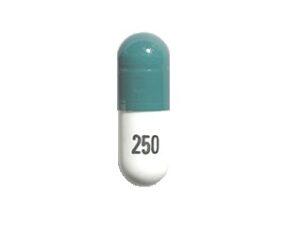
Levaquin (Levofloxacin) — Patient Guide (Australia)
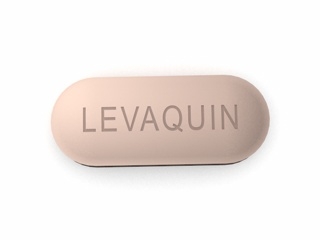
Levaquin is a brand of levofloxacin, an antibiotic medicine from the fluoroquinolone group. It is used to treat a range of bacterial infections. This guide is written to help you understand how Levaquin works, how it’s typically used, what to watch for, and what practical steps can improve safety and effectiveness.
Important: Antibiotics treat bacterial infections only. They do not treat viral illnesses such as colds or influenza.
1) Basic product information
| Feature | Information |
|---|---|
| Medicine name | Levaquin (levofloxacin) |
| Medicine type | Antibiotic (fluoroquinolone) |
| Common strengths | Often available as tablets (e.g., 250 mg, 500 mg, depending on local supply) |
| How it’s taken | Oral tablets (some markets also have intravenous formulations—availability may vary) |
| How it works | Targets bacterial DNA-making enzymes to stop growth and replication |
| Typical duration | Varies by infection; often 5–14 days depending on the condition |
2) How Levaquin works (mechanism of action)
Levofloxacin works by interfering with two key bacterial enzymes involved in DNA replication and repair:
- DNA gyrase (topoisomerase II)
- Topoisomerase IV
By blocking these enzymes, Levofloxacin reduces the bacteria’s ability to copy and maintain their DNA, leading to bacterial cell death. Because it targets bacterial processes, it is effective against susceptible strains of bacteria.
Note: Not all bacteria are susceptible. Local guidelines and culture results (if available) help determine whether levofloxacin is appropriate.
3) Pharmacokinetics (how the body handles it)
Pharmacokinetics describes how the drug is absorbed, distributed, metabolised, and eliminated. Key points for levofloxacin include:
- Absorption: Levofloxacin is generally well absorbed when taken by mouth.
- Distribution: It reaches many tissues, including lung tissue, urinary tract tissues, and some soft tissues.
- Half-life: It has a relatively long half-life, which is one reason it may be dosed once or twice daily depending on the infection.
- Elimination: Levofloxacin is primarily cleared through the kidneys. Kidney function can affect drug levels.
Kidney function matters: If you have reduced kidney function, your healthcare team may adjust the dose to reduce the risk of side effects.
4) Typical use — what Levaquin treats
Levaquin is used to treat confirmed or strongly suspected bacterial infections caused by susceptible organisms. It may be considered for conditions such as:
- Community-acquired pneumonia and some other lower respiratory tract infections
- Acute bacterial sinusitis (in appropriate situations)
- Urinary tract infections (including some complicated UTIs, based on clinical assessment)
- Prostatitis (some bacterial causes)
- Skin and skin structure infections (where appropriate)
- Other serious bacterial infections when levofloxacin is considered suitable by clinical guidance
Selection of an antibiotic often depends on:
- The site of infection (lung, urinary tract, skin, etc.)
- Severity and risk factors
- Local resistance patterns
- Any known allergies
- Prior antibiotic use
5) Timing — how to take Levaquin
Your dosing schedule depends on your condition and your kidney function. Follow the instructions provided with your medicine. General timing principles include:
- Try to take it at the same times each day.
- If you are prescribed once daily, take it approximately every 24 hours.
- If you are prescribed twice daily, take doses about 12 hours apart.
- Complete the full course even if you feel better, unless your clinician tells you to stop.
Missed dose: If you miss a dose, take it as soon as you remember unless it’s nearly time for the next dose. Don’t take a double dose to make up for a missed tablet.
6) Food interactions — what to consider
Levofloxacin can generally be taken with or without food. However, certain products can significantly affect absorption.
Foods and supplements that may reduce absorption
The most important interactions are with substances that contain minerals, including:
- Iron supplements
- Zinc supplements
- Magnesium or aluminium antacids
- Sucralfate
- Some multivitamins containing these minerals
Practical approach: Keep these products separated from Levaquin by at least 2 hours before or 2 hours after levofloxacin, unless your healthcare professional advises differently.
Dairy and calcium
Dairy products contain calcium. Small amounts of calcium in food are usually not a major issue, but calcium supplements may behave like mineral interactions. If you take calcium supplements, separate them from your antibiotic dose by a few hours (e.g., 2 hours before or after) unless you are told otherwise.
7) Alcohol interactions — what to know
Moderate alcohol is not always strictly contraindicated with levofloxacin, but it may increase the likelihood of side effects such as:
- Dizziness, drowsiness, or headache
- Stomach upset
- Reduced coordination (important for driving or operating machinery)
Recommendation: To support recovery and reduce risk, it’s generally wise to avoid alcohol or limit it while taking the medicine, especially if you feel unwell.
8) Medicine interactions (including common ones)
Levofloxacin can interact with other medicines. Always tell your pharmacist or clinician about all medicines you are taking, including over-the-counter products and supplements.
Key interaction categories
-
Antacids, iron, zinc, magnesium/aluminium-containing products
These can bind levofloxacin and reduce absorption. Separate doses by at least 2 hours before or after. -
Warfarin and other blood thinners
Fluoroquinolones may affect blood clotting, increasing risk of bleeding. Close monitoring (e.g., INR checks) may be required. -
Medicines that can affect heart rhythm (QT prolongation)
Levofloxacin may increase the risk of abnormal heart rhythms, especially when combined with other QT-prolonging medicines. Your clinician may consider your risk factors. -
Corticosteroids (e.g., prednisone)
Combination may increase risk of tendon injury, including Achilles tendon rupture. -
Diabetes medicines (insulin or oral agents)
Fluoroquinolones can sometimes cause blood sugar changes. Monitoring may be needed. -
Non-steroidal anti-inflammatory drugs (NSAIDs)
In some cases, combining can increase risk of central nervous system effects such as seizures (risk varies by person and history).
Also important
- Kidney-cleared medicines: Because levofloxacin is cleared by the kidneys, other kidney-affected medicines may require dose review.
- Herbal products: Not all interactions are well studied—check with a pharmacist if you use herbal supplements.
9) Indications — when clinicians may choose Levaquin
In Australia, antibiotic selection is guided by antimicrobial stewardship principles and local clinical guidance. Levofloxacin may be considered when:
- The likely bacteria are susceptible to levofloxacin
- The infection is significant enough to justify an oral fluoroquinolone
- Alternative antibiotics are not suitable due to allergy, resistance, or clinical reasons
- Culture or sensitivity results support its use (when available)
Stewardship note: Fluoroquinolones are effective, but because resistance can develop and because the safety profile includes important warnings, they’re not used for mild or viral illnesses.
10) Dosing — general information
Dose depends on the infection type, severity, and kidney function. Your exact regimen may differ from the examples below, so always follow your clinician’s instructions and the product label.
Common dosing patterns (examples)
- Once daily dosing is commonly used for many infections due to levofloxacin’s long half-life.
- Twice daily dosing may be used for more severe infections or specific conditions.
- Renal impairment often leads to dose adjustment.
Typical course length: varies widely (commonly 5–14 days). Do not stop early simply because you feel better unless advised.
Who may need special dose adjustment
- People with reduced kidney function
- Elderly patients (more likely to have kidney impairment and other risk factors)
- People taking interacting medicines (may require review of timing or alternatives)
11) Safety profile — important warnings and side effects
Like all medicines, Levaquin can cause side effects. Many people experience mild or manageable effects, but some adverse reactions require urgent attention.
Common side effects
- Nausea
- Diarrhoea (mild, but monitor carefully)
- Headache
- Dizziness
- Stomach discomfort
- Sleep disturbance (sometimes)
Serious side effects (seek urgent medical help)
Contact urgent care or seek immediate help if you experience:
- Tendon pain or swelling, especially in the Achilles tendon (risk of tendonitis or rupture). Stop the medicine and seek advice urgently if tendon symptoms occur.
- Severe or persistent diarrhoea, particularly if watery or bloody (may indicate serious intestinal inflammation).
- Allergic reactions such as facial swelling, rash, wheezing, or trouble breathing.
- Signs of nerve problems (e.g., numbness, tingling, burning pain) or weakness.
- Severe mental health changes (e.g., confusion, hallucinations, agitation), which can occur rarely.
- Fainting, palpitations, or severe dizziness (possible heart rhythm concerns, especially with QT risk factors).
- Symptoms of low or high blood sugar (e.g., shakiness, sweating, confusion; or unusual thirst, frequent urination).
- Severe skin reactions such as blistering or peeling skin.
Who should be extra cautious
- People with a history of tendon disorders or tendon rupture
- Those taking corticosteroids
- People with heart rhythm risk factors or on QT-prolonging medicines
- People with known neuropathy (nerve disease)
- Those with myasthenia gravis (a condition affecting muscles)
- People with kidney impairment
Lengthy warnings: Some serious side effects (notably tendon and nerve-related problems) may appear during therapy or after finishing treatment. If symptoms develop, seek medical advice promptly.
12) Practical use tips (to get the best result safely)
- Take as directed: Don’t adjust the dose or stop early unless advised.
- Separate mineral interactions: Keep antacids and mineral supplements at least 2 hours before or after levofloxacin.
- Stay hydrated: Adequate fluid intake helps support kidney function.
- Monitor symptoms: You should typically see improvement within 48–72 hours. If not, contact your healthcare provider.
- Watch diarrhoea closely: Report severe, persistent, or bloody diarrhoea.
- Be cautious with driving: If you feel dizzy or drowsy, avoid driving or risky activities.
- Tendon precautions: Avoid strenuous exercise or activities that strain tendons during treatment, especially if you have risk factors.
- Allergy readiness: If you’ve ever had a quinolone allergy, tell your clinician and pharmacist before starting.
13) Alternative options (talk to your clinician)
Alternatives depend on the infection, suspected bacteria, severity, allergies, and local resistance. Depending on your situation, a clinician may consider antibiotics from other groups.
Examples of alternative antibiotic classes (not a substitute for medical advice)
- Beta-lactams (e.g., amoxicillin-clavulanate, cephalosporins) for some respiratory or skin infections
- Macrolides (e.g., azithromycin) in certain settings
- Doxycycline for some respiratory infections and tick-related illnesses
- Trimethoprim-sulfamethoxazole for selected urinary infections
- Other fluoroquinolones in specific cases (only if appropriate)
Important: The “best” alternative is individual. If you’re considering a switch, discuss options with a healthcare professional rather than self-changing antibiotics.
14) Levaquin in the Australian market & legal context (overview)
In Australia, antibiotics are regulated medicines. In general, antibacterial medicines such as levofloxacin are supplied under Australian medicines legislation and are subject to prescribing and dispensing rules.
Online pharmacies in Australia typically require appropriate clinical and supply processes to ensure that the right medicine is provided for the right reason and that patient safety checks are completed.
Why regulation matters: Misuse of antibiotics can lead to treatment failure, adverse effects, and antibiotic resistance. Australia follows antimicrobial stewardship principles to help preserve antibiotic effectiveness for future patients.
15) Recent guidance — what to know about stewardship and safety
In recent years, Australian and international guidance has emphasised:
- Using fluoroquinolones only when appropriate, based on suspected or confirmed bacteria and susceptibility
- Careful patient selection, considering risk factors for tendon injury, nerve effects, and heart rhythm concerns
- Reviewing alternatives for uncomplicated infections where safer options may exist
- Monitoring and prompt reporting of adverse reactions
Because risk matters, your clinician may prefer a different antibiotic for lower-risk infections or if other treatments are likely to work.
16) Delivery, availability & what to expect (Australia)
Availability of Levaquin (levofloxacin) products can vary by pharmacy, stock levels, and strength. When ordering online, you may see:
- Typical processing times after the order is verified
- Delivery options depending on your location (metro vs regional)
- Discrete packaging options (common for many pharmacies)
Storage: Store tablets according to the label (commonly at room temperature, away from heat and moisture). Keep out of reach of children.
If a specific strength or pack size is temporarily unavailable, the pharmacy may offer an alternative equivalent product if allowed under Australian supply rules—ask before proceeding.
17) FAQ (Frequently Asked Questions)
1) What is Levaquin used for?
Levaquin (levofloxacin) is an antibiotic used to treat certain bacterial infections, such as some respiratory infections, urinary tract infections, prostatitis, and skin infections, depending on the bacteria involved and clinical assessment.
2) How quickly should I feel better?
Many people start to feel some improvement within 48–72 hours. If you don’t improve, or symptoms worsen, contact your clinician or pharmacist.
3) Can I take Levaquin with food?
Yes, it can usually be taken with or without food. For mineral-containing products (like antacids, iron, zinc, or magnesium/aluminium), separation by at least 2 hours before or after is important.
4) Does alcohol affect Levaquin?
Alcohol may increase side effects such as dizziness or stomach upset. For best recovery and safety, it’s generally recommended to avoid or limit alcohol while taking the medicine.
5) What should I do if I miss a dose?
Take it when you remember unless it’s close to the next dose. Don’t double up. If unsure, ask your pharmacist for advice.
6) Is Levaquin safe for everyone?
Levaquin is not suitable for everyone. People with certain risk factors (such as tendon disorders, certain heart rhythm risks, kidney impairment, or specific neurological conditions) should be extra cautious and discuss options with a healthcare professional.
7) What are the most important side effects to watch for?
Seek urgent help if you experience tendon pain/swelling, severe diarrhoea, signs of allergy (e.g., breathing difficulty or facial swelling), numbness/tingling, severe skin reactions, fainting/palpitations, or significant mental health changes.
8) Can I stop Levaquin early if I feel better?
Completing the full course helps reduce the risk of relapse and antibiotic resistance. Don’t stop early unless your clinician advises you.
9) Are there alternatives if I can’t take Levaquin?
Yes. Alternatives depend on the infection and your health history, including allergies and local resistance patterns. Discuss options with a clinician or pharmacist.
10) Does Levaquin interact with vitamins or supplements?
Some supplements, especially those containing iron, zinc, magnesium, or aluminium, can reduce absorption. Keep a time gap (e.g., at least 2 hours) from your dose, or use separate scheduling as advised.
Need more help? If you have questions about interactions, timing, or suitability for your specific condition, consult a pharmacist. If you experience serious symptoms, seek urgent medical care.