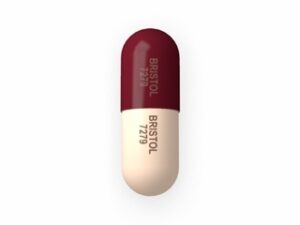


Cenmox (Amoxicillin) — Patient Information (Australia)
Cenmox is a brand of amoxicillin, a widely used antibiotic. This page explains how Cenmox works, what it’s used for, how to take it, important safety information, and practical tips to help you get the best results.
Important: Antibiotics are used to treat certain bacterial infections. They do not work for viruses such as colds and flu. If you are unsure whether Cenmox is suitable for your condition, speak with a pharmacist or doctor.
Basic product information
- Medicine: Cenmox
- Active ingredient: Amoxicillin (an antibiotic)
- Medicine class: Penicillin-type antibiotic (beta-lactam)
- How it’s taken: Usually by mouth (tablets or capsules; liquid forms may also be available depending on brand/strength)
- Common strengths: Available in different strengths; follow your specific label directions
Brands and strengths can vary. Always check your product packaging and the instructions provided with your medicine.
How Cenmox (amoxicillin) works (mechanism of action)
Amoxicillin belongs to the beta-lactam group. It works by interfering with the way bacteria build their cell walls. Specifically, it binds to bacterial proteins involved in cell wall synthesis (often referred to as penicillin-binding proteins).
- This weakens the bacterial cell wall
- Bacteria become unable to divide and multiply effectively
- The body’s immune system can then clear the infection more easily
Key point: Different bacteria respond differently to amoxicillin. Your prescriber considers the most likely cause of infection and local resistance patterns.
Pharmacokinetics (how the body handles amoxicillin)
Understanding timing helps explain why it’s important to take Cenmox regularly.
- Absorption: Amoxicillin is absorbed through the stomach and small intestine. Taking it with food usually improves or maintains absorption for many people.
- Distribution: It spreads into many body tissues and fluids, including areas affected by infections.
- Metabolism: A portion is metabolised in the body.
- Elimination: The main route is through the kidneys (urine). People with reduced kidney function may need adjusted dosing intervals.
Half-life: The dosing schedule is designed to keep antibiotic levels high enough to stop bacterial growth. This is why missing doses or stopping early can reduce effectiveness.
Typical uses (indications)
Amoxicillin (Cenmox) is used for infections caused by bacteria that are susceptible to it. Common indications may include:
- Ear, nose, and throat infections: such as acute otitis media (middle ear infection), tonsillitis, and some sinus infections
- Chest and respiratory infections: for selected cases depending on suspected bacteria
- Dental infections: certain bacterial dental infections as advised
- Skin and soft tissue infections: some mild-to-moderate infections
- Urinary tract infections (UTIs): in selected cases when caused by susceptible bacteria
- Other bacterial infections: depending on the clinical scenario and local resistance patterns
Not for viral illness: Cenmox won’t treat flu, most sore throats due to viruses, or common colds.
When to take Cenmox (timing and duration)
Follow the instructions on your medicine label and any guidance you were given. Typical advice includes:
- Take at regular intervals: Doses are often spaced evenly across the day.
- Complete the course: Even if you feel better, finish the recommended duration to reduce the risk of infection returning or not being fully cleared.
- Don’t double up: If you miss a dose, take it when you remember unless it’s close to the next dose—then skip the missed dose and continue as normal.
Practical example of timing: If a schedule is three times daily, aim for roughly every 8 hours. If it’s twice daily, aim for about every 12 hours.
If you have kidney problems, are elderly, or have complex schedules, ask a pharmacist for personalised timing advice.
Food interactions (does food matter?)
Amoxicillin can generally be taken with or without food.
- With food: may improve tolerance and reduce stomach upset for some people.
- Without food: may still be suitable, but some people experience nausea or indigestion.
Tip: If Cenmox makes you feel queasy, try taking it with a meal or snack (unless your packaging specifically says otherwise).
Alcohol and medicine interactions
Alcohol
There is no universal rule that prohibits alcohol for everyone taking amoxicillin, but alcohol can:
- Worsen dehydration and reduce recovery
- Increase nausea or stomach upset when you already feel unwell
- Interfere with sleep and adherence (you may miss doses)
Patient-friendly guidance: It’s best to avoid or limit alcohol while you’re sick and taking antibiotics. If you choose to drink, keep it moderate and avoid binge drinking.
Other medicine interactions
Amoxicillin can interact with some medicines. Tell your pharmacist/doctor if you use any of the following:
- Oral anticoagulants (blood thinners): antibiotics can sometimes affect clotting control. Extra monitoring may be needed.
- Allopurinol: may increase the risk of rash in some people when combined with amoxicillin.
- Methotrexate: antibiotics may affect how methotrexate is cleared in some cases.
- Other antibiotics or medications: combinations may be inappropriate depending on the infection.
- Probenecid: may reduce elimination of amoxicillin, increasing levels.
Oral contraceptives: In most people, amoxicillin is not strongly linked with reduced contraceptive effectiveness. However, if you have vomiting or severe diarrhoea, contraceptive absorption may be affected. In that case, use additional contraception (e.g., condoms) and seek advice.
Always check labels and ask a pharmacist about your specific combination of medicines, vitamins, and herbal products.
Dose guidance (general information)
Dose depends on factors such as your age, weight, the type and severity of infection, kidney function, and local clinical guidelines. Because dosing can vary, it’s crucial to use the exact dose written on your medicine label.
General dosing ranges (illustrative):
- Adults: commonly prescribed as a total daily dose divided into regular intervals; exact amount varies by indication.
- Children: dosing is typically calculated based on weight and the specific infection.
- Kidney impairment: may require adjustment of dose or dosing frequency.
How to take:
- Swallow tablets/capsules whole with water.
- If you have a liquid form, measure carefully with an appropriate oral syringe or measuring device.
- Shake suspensions (if applicable) as directed on the label.
Do not change your dose or stop early without advice.
Safety profile (side effects and when to get help)
Most people tolerate amoxicillin well, but all medicines can cause side effects. Common reactions are usually mild, while serious reactions are rare but important.
Common side effects
- Nausea
- Diarrhoea or loose stools
- Stomach discomfort
- Headache
- Skin rash (mild rashes can occur)
Serious side effects — seek urgent medical help
Stop the medicine and seek urgent help immediately if you develop:
- Signs of an allergic reaction: facial swelling, wheezing, difficulty breathing, severe hives, or collapse
- Severe skin reactions: blistering, peeling skin, or widespread rash with fever
- Severe or persistent diarrhoea (especially if watery or bloody), abdominal cramps, or fever — this can indicate antibiotic-associated colitis
- Yellowing of the skin or eyes (jaundice) or dark urine
Allergy warning
You should not take amoxicillin if you have previously had a serious allergic reaction to penicillins or certain other beta-lactam antibiotics.
Seek advice: If you’ve had a non-serious rash with penicillin before, discuss your history with a pharmacist or doctor to confirm suitability.
Practical use tips (getting the best results)
- Start on time: Begin your course as advised. Antibiotics work best when started promptly for the infection you were assessed for.
- Set reminders: Use phone alarms to avoid missed doses.
- Stay hydrated: Fluids support recovery and can help with side effects like mild diarrhoea.
- Manage diarrhoea carefully: Mild loose stools may occur. Avoid anti-diarrhoeal medicines unless a pharmacist advises, especially if diarrhoea is severe.
- Don’t share antibiotics: Using someone else’s medicine can be unsafe and ineffective.
- Watch symptoms: If symptoms worsen after 48–72 hours, you may need review.
- Complete the course: Stopping early can allow bacteria to survive and potentially lead to relapse.
Alternative options (when amoxicillin may not be suitable)
If Cenmox is not appropriate due to allergy, intolerance, or suspected resistance, an alternative antibiotic may be considered based on the infection and local guidance. Options can include different classes of antibiotics, depending on the diagnosis and patient factors.
Common reasons alternatives are chosen:
- Penicillin allergy or serious hypersensitivity history
- Failure to improve with the initial antibiotic
- Specific infection requiring a different spectrum of activity
- Side effects that make amoxicillin unsafe or hard to tolerate
Examples of alternative antibiotics that may be used in certain situations (not an exhaustive list):
- Cephalosporins (for some patients, depending on allergy history)
- Macrolides (e.g., for certain respiratory infections)
- Tetracyclines (for specific indications)
- Other agents chosen according to culture results or guideline recommendations
Important: The “best” alternative depends on your infection type, severity, previous antibiotic exposure, kidney function, and allergy history.
Market and legal context in Australia
In Australia, antibiotics like amoxicillin are regulated medicines and are supplied in accordance with Australian requirements and professional health guidance. Availability may depend on product form, strength, and supply channels.
Role of pharmacists and prescribers: Pharmacists help confirm the correct medicine, dosing instructions, and suitability based on your history and other medicines. They can also advise on side effects and what to do if symptoms don’t improve.
Antibiotic stewardship: Australia has strong public health messaging promoting appropriate antibiotic use to reduce antibiotic resistance. This means antibiotics should be used when they are likely to help based on clinical assessment.
Recent guidance (high-level): National and international antimicrobial stewardship efforts generally emphasise:
- Using antibiotics only when bacterial infection is likely
- Choosing agents based on local resistance patterns
- Using the narrowest effective antibiotic
- Reviewing treatment if there is no improvement within an expected timeframe
If you are unsure about whether your infection needs antibiotics, ask a clinician or pharmacist for guidance.
Delivery and availability
Online pharmacies may offer delivery of antibiotic products to eligible areas in Australia. Availability can vary by brand, strength, and stock levels.
What to expect when ordering:
- Packaging: Medicines are typically supplied in original manufacturer packaging.
- Delivery times: Vary by location and service provider.
- Cold-chain: Amoxicillin tablets/capsules and most common oral forms generally do not require refrigeration unless specifically stated on the product.
- Substitution: If exact product is unavailable, the pharmacy may supply an equivalent alternative where legally appropriate—always check the label carefully.
Storage: Store according to the label (commonly at room temperature away from moisture and heat). Keep out of reach of children.
FAQ — Frequently asked questions
1) What is Cenmox used for?
Cenmox (amoxicillin) is used to treat bacterial infections that are susceptible to amoxicillin. Common examples include certain ear, throat, sinus, chest, skin, dental, and urinary infections—depending on the individual case.
2) How quickly will I feel better?
Some people start to notice improvement within 48–72 hours. If you are not improving, symptoms worsen, or you develop a new fever, contact your pharmacist or doctor for advice.
3) Can I stop early if I feel better?
It’s usually recommended to complete the full course as directed. Stopping early can allow bacteria to survive and may increase the chance of relapse or resistance.
4) What should I do if I miss a dose?
Take it as soon as you remember unless it’s close to the next dose. Do not take extra to “catch up.” If you’re unsure, ask a pharmacist.
5) Can I take Cenmox with food?
Yes. Cenmox can generally be taken with or without food. Taking it with a meal may reduce stomach upset.
6) Is it safe to drink alcohol while taking amoxicillin?
Moderate alcohol may not be strictly prohibited, but alcohol can slow recovery and worsen nausea or diarrhoea. The safest approach is to limit alcohol and avoid binge drinking while unwell.
7) Will amoxicillin affect my contraceptive pill?
Most evidence does not show a strong effect on oral contraceptive effectiveness from amoxicillin alone. However, if you have vomiting or severe diarrhoea, absorption may be affected—use extra contraception and seek advice.
8) What if I have diarrhoea?
Mild diarrhoea can occur. Drink fluids and monitor symptoms. Seek urgent medical help if diarrhoea is severe, persistent, watery or bloody, or if you have fever and abdominal cramps.
9) Can I take Cenmox if I’m allergic to penicillin?
No—if you’ve had a serious allergy to penicillins, do not take amoxicillin unless a clinician specifically advises it after careful assessment. If you’re unsure about your allergy history, ask a pharmacist.
10) Are there special considerations for kidney problems?
Yes. Because amoxicillin is cleared by the kidneys, people with reduced kidney function may need a dose or interval adjustment. Ask your pharmacist or clinician if you have kidney disease.
Summary
Cenmox (amoxicillin) is a penicillin-type antibiotic used for certain bacterial infections. It works by disrupting bacterial cell wall formation. For best results, take Cenmox at regular intervals and finish the full course as directed. While many side effects are mild, seek urgent help for signs of severe allergy, blistering rash, jaundice, or severe diarrhoea. If you have questions about interactions, dosing timing, or whether the medicine is appropriate for your symptoms, a pharmacist can help.