
Asacol (Mesalamine) – Patient-Friendly Guide (Australia)
Asacol is a brand of mesalamine, an anti-inflammatory medicine used to treat inflammatory bowel diseases (IBD), particularly ulcerative colitis and related conditions. This guide explains how Asacol works, how it’s used, what to expect, and key safety and interaction information—written for patients and carers in Australia.
Basic product information
| Feature | Information |
|---|---|
| Medicine name | Asacol (Mesalamine) |
| Generic name | Mesalamine |
| Medicine class | 5-aminosalicylic acid (5-ASA) anti-inflammatory |
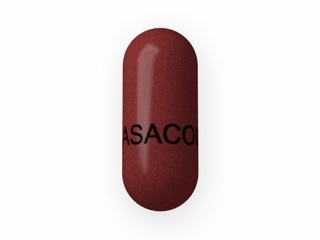
| Typical form | Oral tablets or gastro-resistant formulations (varies by product strength) |
| Main use | Induction and maintenance of remission in ulcerative colitis; specific regimens may vary by severity and location of disease |
| How it is taken | By mouth; swallowed whole to protect drug release until it reaches the colon |
Note: Strengths and exact dosing schedules can differ between Asacol products. Always follow the directions on your specific pack and your healthcare professional’s instructions.
How Asacol (Mesalamine) works (mechanism of action)
Mesalamine is a targeted anti-inflammatory medicine that acts mainly within the lining of the gut, especially the colon. While the precise mechanism is complex, mesalamine helps reduce inflammation in the intestinal mucosa by affecting local immune and inflammatory pathways.
- Reduces inflammatory signals in gut tissue
- Helps decrease production of inflammatory mediators (including pathways involving prostaglandins and leukotrienes)
- Acts directly on the mucosal lining where inflammation occurs
- Supports long-term disease control by helping maintain remission
Important: Asacol is not an immediate “pain reliever.” Improvement often develops over days to weeks, depending on severity and how far the disease extends in the bowel.
Pharmacokinetics (how the body handles the medicine)
Pharmacokinetics describes how the medicine is absorbed, distributed, metabolised, and eliminated.
Absorption and release
- Asacol contains mesalamine in a formulation designed to release drug in the colon rather than being fully absorbed in the stomach or small intestine.
- This “targeted delivery” helps concentrate the active medication where it’s needed in ulcerative colitis.
Distribution and metabolism
- After release, mesalamine may be partly absorbed and then metabolised—commonly into inactive metabolites (e.g., N-acetyl-5-aminosalicylic acid).
- Small amounts may be found in systemic circulation, but the goal is local action in the gut.
Elimination
- Mesalamine and its metabolites are primarily eliminated via the kidneys and urine.
- This is why kidney function monitoring may be recommended—especially in people with kidney disease or risk factors.
What Asacol is used for (indications)
Asacol (mesalamine) is used for inflammatory bowel disease conditions that involve the large intestine, most commonly ulcerative colitis.
- Ulcerative colitis:
- Induction of remission in mild to moderate flare-ups (depending on regimen)
- Maintenance of remission to help prevent relapses
- Other 5-ASA–responsive colitis conditions may be treated with similar therapies; the exact indication depends on the product, local practice, and your clinician’s assessment.
Clinical goal: Reduce active inflammation, relieve symptoms (such as diarrhoea and rectal bleeding), and help maintain long-term control.
Typical timing: when to take Asacol
Timing can vary based on your specific product strength and dosing schedule. Many Asacol regimens are taken once or multiple times daily.
Practical timing tips
- Try to take Asacol at consistent times each day to maintain steady exposure.
- Swallow tablets whole and do not crush or break them unless your product instructions clearly say otherwise—especially if the formulation is designed for colon release.
- If you miss a dose, take it when you remember unless it’s close to the next dose—then skip the missed dose and resume your usual schedule.
If you’re unsure about timing for your exact strength/formulation, check the label or contact your pharmacist.
Food interactions: can you take Asacol with meals?
Mesalamine products may have specific instructions regarding food, but in general, many patients can take Asacol with or without food. That said, the most important factor is following the instructions for your specific Asacol formulation.
- If your pack instructs to take with food, follow that guidance.
- If you experience stomach discomfort, taking the dose with a light meal may help.
- Avoid sudden changes in meal timing during early treatment, so you can assess tolerability.
Tip: Keep a simple symptom diary for the first couple of weeks (bowel frequency, bleeding, urgency, side effects). This can help you and your clinician judge whether your response is on track.
Alcohol and medicine interactions
Alcohol is not usually listed as a direct interaction with mesalamine, but it can worsen ulcerative colitis symptoms in some people due to effects on the gut and overall inflammation.
- During active flare-ups, consider avoiding alcohol or keeping it minimal.
- If you choose to drink, do so cautiously and observe your symptoms the following day.
- Alcohol may also complicate hydration and medication adherence—both important during bowel disease.
Medicine interactions: In addition to alcohol, mesalamine may interact with other medicines indirectly through kidney function or additive effects. Always check your full medication list with a pharmacist if you are starting or stopping anything new.
Key medicine interactions (general guidance)
Interactions depend on the specific 5-ASA formulation and your personal health profile. Common interaction considerations include:
- Kidney risk medicines (e.g., some anti-inflammatory pain medicines such as NSAIDs in certain circumstances): using multiple medicines that can affect kidney function may increase risk.
- Azathioprine / mercaptopurine / other immunosuppressants: may require regular monitoring under specialist care.
- Warfarin: some 5-ASA medicines can affect clotting control in certain patients. If you use warfarin, monitoring of INR is important.
- Other nephrotoxic medicines: your clinician may adjust monitoring frequency.
What to do: Keep a current list of all medicines (including over-the-counter products and supplements) and discuss it with your pharmacist.
Dosing: how much Asacol is usually taken
Dosing depends on the condition being treated, severity of symptoms, the exact product and strength, and whether the goal is induction or maintenance.
Typical dosing approach (general)
- Induction (flare treatment): often requires higher daily dosing for a limited period.
- Maintenance (relapse prevention): typically uses a steady daily dose, sometimes lower than induction dosing.
Because formulations differ, it’s important not to guess your dose. Always use the directions on your pack for your specific Asacol strength/formulation.
Common patient questions about dosing
- Can I reduce the dose if I feel better? Do not change the dose without medical advice—reducing early can increase relapse risk.
- What if I miss a dose? Take when remembered unless it’s near the next scheduled dose. Don’t double up.
- How long until I feel improvement? Some people notice symptom improvement within days; for others it may take several weeks.
Safety profile: side effects and when to get help
Most people tolerate mesalamine well. However, it’s important to know possible side effects and warning signs.
Common side effects
- Headache
- Nausea or stomach discomfort
- Flatulence or bloating
- Diarrhoea (can be part of the underlying disease or medication effect—if it worsens significantly, seek advice)
Less common but important risks
- Allergic reactions (rare): rash, itching, swelling, breathing difficulty
- Kidney problems (uncommon): changes in urine output, swelling, unusual fatigue, abnormal test results
- Liver problems (rare): yellowing of skin/eyes, dark urine, severe fatigue
- Worsening colitis or symptoms suggestive of intolerance
Seek urgent help if you have
- Difficulty breathing, swelling of face/lips, widespread hives
- Severe or rapidly worsening abdominal pain
- Blood in stool that becomes heavy or you feel faint
- Signs of serious dehydration or severe diarrhoea
Monitoring
Your healthcare provider may recommend periodic monitoring, often including:
- Kidney function tests
- Full blood count and other routine blood tests depending on your overall treatment plan
- Assessment of symptom response and any side effects
Practical use tips for everyday life
How to take Asacol safely
- Swallow whole with water unless your specific product instructions say otherwise.
- Don’t crush or chew if the tablets are designed for delayed or colon release.
- Take it at the same time each day to improve adherence.
- Keep tablets in a cool, dry place away from moisture.
What to do if symptoms flare
If your bowel symptoms worsen (more urgency, more frequent stools, rectal bleeding), don’t stop Asacol suddenly without guidance. Contact your clinician for a plan, as flare management may require temporary dose changes or additional treatments.
Adherence strategies
- Use a pill organiser
- Set phone reminders
- Link dosing to a daily routine (breakfast or bedtime, depending on your schedule)
Hydration and diet during treatment
- During diarrhoea or flare-ups, focus on hydration (electrolytes may help if advised).
- There’s no single diet that works for everyone, but many people benefit from identifying triggers and maintaining regular meals.
Alternative options (when Asacol may not be suitable)
Depending on your disease severity, tolerance, and response, doctors may consider other therapies. Alternatives can include:
Other 5-ASA medicines
- Different mesalamine formulations or strengths (e.g., delayed-release or different dosing schedules)
- Balsalazide or other related 5-ASA approaches in some circumstances
Other IBD medicines (examples)
- Corticosteroids for short-term flare control in some patients (not for long-term maintenance)
- Immunomodulators (e.g., azathioprine/mercaptopurine) for some cases
- Biologic therapies and targeted small-molecule medicines for moderate-to-severe IBD or inadequate response to 5-ASA
Choosing an alternative: Your clinician will consider your symptom pattern, extent of disease, previous response, and safety factors such as kidney function and blood count results.
Market and legal context for Australia
In Australia, medicines are regulated through the Therapeutic Goods Administration (TGA). The classification and availability of mesalamine products can vary (including pharmacist-only supply requirements, and whether products are prescription-only depending on the specific formulation and strength).
- Always ensure the product you buy is sourced from legitimate channels and labelled for Australia.
- Check the packaging for the Australian registration details and strength.
- If you’re unsure whether your specific product requires additional steps, ask a pharmacist.
Important: Online pharmacies should provide clear product information, storage requirements, and reliable dispensing practices. If you have questions about eligibility, availability, or product suitability, contact the pharmacy directly.
Recent guidance and clinical best practice (what matters for patients)
Clinical management of ulcerative colitis and related conditions continues to evolve. Current best practice commonly emphasises:
- Treating to achieve symptom control and healing goals where appropriate
- Using the lowest effective effective dose while maintaining remission
- Monitoring safety (especially kidney function for 5-ASA medicines)
- Adherence as a major factor in preventing relapse
- Regular review of symptoms, side effects, and any need for escalation
Note: Guidance may differ based on individual patient factors and disease severity, so always align treatment with advice from your treating team.
Delivery and availability (online pharmacy Australia)
Availability of Asacol (mesalamine) can vary by strength and formulation. Online pharmacies typically improve convenience through home delivery and tracking. Delivery timeframes depend on stock status, location, and courier service.
What to expect when ordering
- Product checks: your order is matched to the correct strength and formulation
- Packaging: delivered in protective packaging to help preserve product quality
- Tracking: many services provide dispatch updates and tracking numbers
Storage on arrival
- Store tablets according to label instructions (commonly cool, dry, and away from sunlight)
- Keep out of reach of children
If you receive a product that doesn’t match your expected strength or you notice damage, contact the pharmacy promptly.
FAQ – Asacol (Mesalamine)
1) How quickly will Asacol start working?
Many people start to notice improvement within days, but it can take several weeks to achieve full benefit—especially for induction of remission. Response varies with severity and how much of the colon is affected.
2) Should I take Asacol with food?
Follow the directions on your specific pack. Many patients can take mesalamine with or without food, but if your stomach feels sensitive, taking it with a meal may be more comfortable.
3) Can I drink alcohol while taking Asacol?
There’s usually no direct drug–alcohol interaction, but alcohol can worsen symptoms in some people. If you choose to drink, keep it moderate and see how your symptoms respond.
4) What happens if I miss a dose?
Take it when you remember unless it’s close to the next scheduled dose. Don’t take a double dose to make up for a missed one.
5) Are there any foods I must avoid?
There are no universally required food restrictions solely due to mesalamine. However, diet may affect IBD symptoms. Many people benefit from identifying personal triggers and maintaining adequate hydration during flares.
6) Does Asacol cause long-term side effects?
Most long-term use is tolerated, but ongoing safety monitoring—especially kidney function—is important. Report new symptoms (swelling, rash, unusual fatigue, changes in urination) promptly.
7) Can I stop Asacol once I feel better?
Stopping abruptly can increase relapse risk. Maintenance therapy is often used to help keep ulcerative colitis under control. Discuss any changes with your healthcare professional.
8) Who should be extra careful when taking mesalamine?
Extra caution may be needed if you have kidney disease, a history of drug allergy, or you’re taking other medicines that can affect kidney function or blood counts. Your pharmacist can help review your medicines for compatibility.
9) What should I do if my symptoms worsen?
Contact your healthcare provider. Worsening symptoms may mean you need flare management adjustments. Do not stop the medicine without advice.
10) What alternative treatments might be considered if Asacol doesn’t work?
Alternatives may include different 5-ASA formulations, corticosteroids for short-term control, immunomodulators, or biologic/targeted therapies—based on severity and response.
Summary
Asacol (mesalamine) is a targeted anti-inflammatory medicine commonly used to treat ulcerative colitis and help maintain remission. It works locally in the gut to reduce inflammation, and it’s designed to release drug in the colon. Most people tolerate it well, but kidney monitoring and awareness of side effects are important. If you have questions about timing, interactions, or suitability, speak with a pharmacist—especially if you have kidney issues or take other medicines.
Disclaimer: This information is educational and does not replace advice from a healthcare professional. Always follow the instructions on your product packaging and seek medical guidance for personalised care.