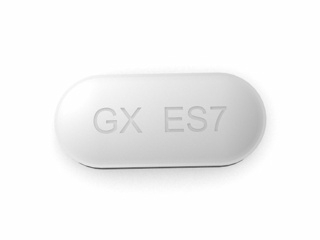


Cefuroxime (Cefuroxime axetil) – Patient Information Guide (Australia)
Cefuroxime is an antibiotic medicine used to treat a range of bacterial infections. This page is designed to help you understand how it works, what it’s used for, how it’s taken, and what to watch for while you’re using it. If you have questions about your specific condition, dosing schedule, or side effects, speak with a pharmacist or doctor.
| What it is | Cefuroxime (commonly cefuroxime axetil in tablet form) |
|---|---|
| Medicine class | Cephalosporin antibiotic (beta-lactam) |
| How it works | Kills susceptible bacteria by interfering with cell wall synthesis |
| Common forms | Tablets (and other formulations exist in clinical settings) |
| Typical dosing | Varies by infection; course length depends on severity and site of infection |
| Key tips | Take at the right times and finish the course even if you feel better |
Basic product information
Cefuroxime is a prescription-only antibiotic in Australia and is typically supplied as cefuroxime axetil tablets for oral use. It belongs to the cephalosporin family. Cefuroxime is used when the likely infection is caused by bacteria that are susceptible to it.
The strength, dosing frequency, and length of therapy can differ by product and indication. Always follow the instructions provided with your medicine or by your clinician.
How cefuroxime works (mechanism of action)
Cefuroxime works by disrupting bacterial cell wall formation. It inhibits enzymes (penicillin-binding proteins) that bacteria use to build and maintain their cell walls. Without a properly formed cell wall, susceptible bacteria cannot survive and multiply.
Like other beta-lactam antibiotics, cefuroxime is most effective when taken at the correct intervals to maintain adequate levels in the body.
Pharmacokinetics (how the body handles it)
- Absorption: Cefuroxime axetil is absorbed from the gut and converted to active cefuroxime.
- Food effects: Taking cefuroxime axetil with food can improve absorption for many patients.
- Distribution: It distributes into various body tissues and fluids, including sites relevant to respiratory and urinary infections.
- Elimination: Cefuroxime is primarily cleared by the kidneys. If you have reduced kidney function, dosing adjustments may be needed.
Because cefuroxime is largely eliminated by the kidneys, medication safety is especially important if you have kidney disease, are elderly, or are taking medicines that affect kidney function.
Typical uses (indications)
Cefuroxime may be used to treat bacterial infections. It is not effective against viral illnesses such as colds and flu. Common clinical uses include:
- Respiratory tract infections (for example, certain types of sinusitis, bronchitis, or community-acquired infections where cefuroxime is appropriate)
- Skin and soft tissue infections caused by susceptible bacteria
- Urinary tract infections (UTIs) depending on local resistance patterns and culture results (if available)
- Ear and throat infections in appropriate circumstances
- Other susceptible bacterial infections as determined by your clinician
The correct antibiotic depends on factors such as the infection site, severity, your medical history (including allergies), kidney function, and local resistance patterns.
When to take it (timing and how to take doses)
For oral cefuroxime, dosing schedules vary by product strength and indication. Many regimens are taken twice daily, but your specific plan may differ.
Practical timing tips
- Take it at evenly spaced times (e.g., morning and evening) to keep antibiotic levels steady.
- Try to take it every day at the same times to help you remember.
- Use a pill organiser or set phone reminders if you take multiple doses.
- Complete the full course even if symptoms improve early.
What if you miss a dose?
- If you remember soon, take it when you can.
- If it’s close to the next scheduled dose, skip the missed dose and continue your regular schedule.
- Do not double up to compensate for a missed dose.
Food interactions and absorption
Food can influence how cefuroxime axetil is absorbed. In many cases, taking it with or just after food improves absorption and may help reduce stomach upset.
Follow the directions on your medicine label. If your product instructions specify taking it with meals, aim to do so consistently.
General guidance:
- Take with food if advised for your specific formulation.
- If you experience nausea or indigestion, taking with food (where allowed) may help.
- If you’re unsure, ask a pharmacist to confirm how to take your exact product.
Alcohol and medicine interactions
Cefuroxime itself does not usually have the same well-known “disulfiram-like” reaction as some other antibiotics, but you should still be cautious. Alcohol can worsen side effects such as dizziness, nausea, diarrhoea, and can interfere with recovery.
- Avoid alcohol or keep it minimal while you’re unwell and taking antibiotics.
- If you experience severe diarrhoea, abdominal cramps, or signs of dehydration, seek medical advice promptly.
Other medicine interactions to know
Cefuroxime can interact with a number of medicines and tests. Inform your pharmacist or clinician about all medicines you take, including non-prescription products. Key considerations include:
- Probenecid: may reduce kidney clearance of some antibiotics, potentially increasing antibiotic levels.
- Anticoagulants (e.g., warfarin): antibiotics can affect gut bacteria and may increase bleeding risk in some people. Monitoring may be needed.
- Oral contraceptives: most antibiotics do not reliably reduce effectiveness, but severe diarrhoea/vomiting can. If you have significant gastrointestinal upset, consider additional contraception during the illness.
- Kidney-related medicines: because cefuroxime is cleared by the kidneys, your overall kidney status matters.
If you’re having blood tests (including tests for urine glucose or other markers), let healthcare staff know you’re taking cefuroxime, as some test methods can give misleading results.
Dosing information (general guidance)
Dosing depends on the specific infection, severity, kidney function, and age. Products are available in different strengths, and dosing schedules can vary. The safest approach is to follow the instructions provided for your particular regimen.
Common adult dosing patterns
Many adult regimens for cefuroxime axetil are taken twice daily. Typical durations can range from several days to longer courses depending on the condition. Dosing may also be adjusted for kidney impairment.
Children and special populations
- Children: dosing is usually weight-based and depends on the infection.
- Older adults: may require careful kidney function assessment.
- Kidney impairment: dosage adjustments may be required.
- Pregnancy and breastfeeding: discuss with a clinician to weigh benefits and risks for you and your baby.
Do not use a dose intended for another person. Even within the same infection category, dosing can differ.
Safety profile and side effects
Most people tolerate cefuroxime well, but side effects can occur. Report side effects to a pharmacist or doctor, especially if they are severe, persistent, or worsening.
Common side effects
- Nausea or upset stomach
- Diarrhoea or loose stools
- Headache
- Vaginal yeast infection (in some people)
- Occasional skin rash
Serious side effects (seek urgent medical help)
- Signs of an allergic reaction such as swelling of the face/lips, hives, difficulty breathing, or sudden severe rash. People with a history of cephalosporin or severe penicillin allergy should be particularly cautious.
- Severe or persistent diarrhoea, especially if watery or bloody, or accompanied by fever or severe abdominal pain. This may indicate antibiotic-associated colitis and needs prompt assessment.
- Severe skin reactions (rare), including blistering or peeling skin.
Allergy precautions
Tell your healthcare provider if you have ever had:
- an allergy to cephalosporins (including cefuroxime)
- a severe allergic reaction to penicillin or other beta-lactam antibiotics
Practical use tips for better outcomes
- Stay hydrated, especially if you’re experiencing diarrhoea.
- Take notes: note when you started the course, when doses were taken, and any side effects you notice.
- Don’t share antibiotics: different infections require different treatments.
- Watch for improvement: some infections improve within 48–72 hours. If symptoms worsen or do not improve, contact your clinician.
- Be careful with “leftover” antibiotics: using old or incomplete antibiotics can contribute to resistance and may not treat the specific bacteria involved.
Alternative options (what else might be used)
Alternatives to cefuroxime depend on the infection type, suspected bacteria, allergies, and local antibiotic resistance patterns. Possible alternatives (as determined by a clinician) may include other antibiotics such as:
- Amoxicillin or amoxicillin-clavulanate (for some respiratory/ear infections)
- Cefalexin (for some skin or urinary infections)
- Macrolides (such as azithromycin) for selected infections and patients
- Doxycycline for certain conditions (where appropriate)
- Narrower-spectrum options may be preferred if culture results identify a susceptible organism
Your prescriber may also recommend non-antibiotic measures (e.g., pain relief, nasal saline, hydration) alongside antibiotics, depending on the diagnosis.
Market and legal context for Australia
In Australia, antibiotics such as cefuroxime are regulated medicines. They are generally supplied with appropriate clinical oversight to ensure correct use. Antibiotic stewardship is strongly encouraged to reduce the spread of antibiotic-resistant bacteria.
During the current healthcare landscape, Australian authorities support evidence-based prescribing and careful patient counselling. If your symptoms suggest a serious infection, it’s important to seek medical advice promptly rather than self-treat.
Recent guidance and antibiotic stewardship (general overview)
Guidance in Australia commonly emphasises:
- Use antibiotics only when clearly indicated for bacterial infection
- Follow the full recommended course
- Avoid unnecessary antibiotic use for viral illnesses
- Consider culture or testing for recurrent or severe infections where relevant
- Review treatment if there is no improvement after a suitable time window
If you’ve been advised to use cefuroxime, it likely reflects a best estimate of the bacteria involved and the most appropriate available option.
Delivery and availability (online pharmacy considerations)
Availability can vary depending on the specific brand, strength, and formulation. Online pharmacies in Australia may offer:
- Home delivery to eligible areas
- Standard and express shipping options (delivery times vary)
- Secure packaging and temperature considerations where applicable
To avoid missed doses, order in advance when possible. If you’re close to finishing a course and need the next supply, allow enough time for delivery.
How to prepare for delivery
- Confirm the correct product strength and formulation before checkout.
- Check your address details carefully.
- If you require delivery to a safe location, ensure it’s suitable for medicines.
FAQ – Frequently asked questions about cefuroxime
1) Is cefuroxime effective for colds or flu?
No. Colds and flu are usually caused by viruses, and cefuroxime does not treat viral infections. Antibiotics are used for infections that are suspected or confirmed to be bacterial.
2) How quickly should I feel better?
Some improvement may be seen within 48–72 hours, depending on the infection. If symptoms worsen, new symptoms appear, or there is no improvement, contact a healthcare professional for reassessment.
3) Can I take cefuroxime with food?
For cefuroxime axetil tablets, food can improve absorption. Many product instructions recommend taking it with food. Follow the directions on your label or from your pharmacist.
4) What should I do if I get diarrhoea while taking cefuroxime?
Mild diarrhoea can occur. However, seek medical advice promptly if you have severe diarrhoea, diarrhoea with blood, diarrhoea that is persistent, or abdominal pain and fever.
5) Is it safe to drink alcohol during treatment?
It’s best to avoid or limit alcohol while you’re unwell and taking antibiotics, as alcohol can worsen nausea or diarrhoea and slow recovery. If you notice adverse effects, stop alcohol and consult a healthcare professional.
6) What if I have a penicillin allergy?
Allergy history matters. Cephalosporins can sometimes cross-react with penicillin allergies. Tell your pharmacist or doctor about your allergy type and the reaction you had previously.
7) Can I stop cefuroxime early if I feel better?
It’s usually important to complete the full course as advised, even if you feel better. Stopping early may lead to incomplete treatment and increase the risk of relapse or resistance.
8) Does cefuroxime interact with birth control pills?
Most antibiotics do not reliably reduce effectiveness of hormonal contraceptives. However, if you have significant vomiting or severe diarrhoea, absorption may be affected. Consider additional contraception and seek advice if symptoms are significant.
9) Do I need to adjust the dose if I have kidney problems?
Possibly. Because cefuroxime is cleared mainly by the kidneys, clinicians may adjust dosing for reduced kidney function. Inform your healthcare provider about any kidney conditions.
10) Where can I find more information?
The product label and consumer medicine information (CMI) provide details tailored to the exact product you receive. You can also speak with a pharmacist for personalised advice.
When to seek medical help urgently
Get urgent medical advice if you develop:
- difficulty breathing, facial swelling, or signs of anaphylaxis
- severe rash or blistering skin
- severe or bloody diarrhoea
- significant worsening of symptoms
If you’re ever unsure about your symptoms or side effects, it’s safer to check promptly.
Summary
Cefuroxime is a cephalosporin antibiotic used to treat certain bacterial infections in Australia. It works by preventing bacteria from forming a stable cell wall. Taking it at the right times (often with food, if advised), finishing the course, and watching for warning signs such as severe diarrhoea or allergy are key parts of safe use.