

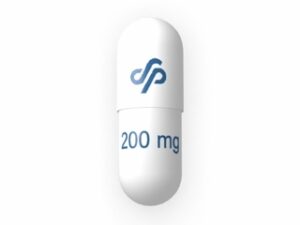
Oseltamivir (Oseltamivir Phosphate) – Patient-Friendly Guide (Australia)
Oseltamivir (available as oseltamivir phosphate) is an antiviral medicine used to treat and help prevent influenza (flu) caused by influenza viruses. It works best when started early, and it may reduce the duration of symptoms and the risk of complications in suitable patients.
This guide is designed to be easy to read and helpful for everyday use. It covers how the medicine works, timing, typical dosing concepts, common interactions, safety considerations, and how to access it in Australia.
1) Basic Product Information
| Category | Details |
|---|---|
| Medicine name | Oseltamivir (as oseltamivir phosphate) |
| What it’s used for | Treatment of influenza; prevention of influenza in certain situations |
| How it comes | Oral capsules and oral suspension (liquid) |
| Typical dosing frequency | Often once or twice daily depending on age/indication and formulation |
| Best timing | Start as soon as possible—ideally within 48 hours of symptom onset |
| Where it works | Systemically (absorbed and converted in the body to its active form) |
2) What Influenza Is (and Why Timing Matters)
Influenza is a contagious respiratory illness caused by influenza A or B viruses. Symptoms can include fever, chills, sore throat, cough, body aches, headache, and fatigue. While many people recover without complications, some—especially older adults, young children, pregnant people, or those with certain medical conditions—are at higher risk of severe disease.
Oseltamivir works against the influenza virus. Because flu symptoms can begin after the virus has already replicated in the body, antiviral treatment is most effective when started early—commonly within 48 hours of the first symptoms.
3) Mechanism of Action (How Oseltamivir Works)
Oseltamivir is a prodrug—meaning the inactive form is converted in the body to an active antiviral agent. Its active form inhibits the neuraminidase enzyme on the surface of influenza viruses.
- Neuraminidase inhibition helps prevent newly formed virus particles from being released from infected cells.
- This can reduce viral spread within the respiratory tract and help shorten the course of illness in many cases.
- It may also lower the risk of complications, particularly for higher-risk groups.
4) Pharmacokinetics (What the Body Does to the Medicine)
Understanding how the medicine moves through the body can be reassuring. Key points include:
- Absorption: After oral administration, oseltamivir is absorbed from the gastrointestinal tract.
- Conversion: In the liver (and other sites), oseltamivir is converted into the active metabolite.
- Active drug: The active metabolite is responsible for the antiviral effect.
- Elimination: The active metabolite is cleared mainly through the kidneys (urine).
- Kidney function matters: If you have impaired kidney function, your dosing may need adjustment to reduce side effects.
If you have kidney disease or are unsure about your kidney function, it’s especially important to discuss dosing with a healthcare professional.
5) Typical Uses in Australia
Oseltamivir is used in two main ways:
5.1 Treatment
- Used for treating confirmed or suspected influenza in people with symptoms, particularly when started early.
- May be recommended for people at higher risk of complications or during community outbreaks, based on clinical assessment.
5.2 Prevention (Post-Exposure / Situational)
- Used to reduce the likelihood of becoming ill after exposure in certain situations.
- May also be considered during outbreaks in settings such as care facilities, depending on local guidance and individual risk.
Your pharmacist can help explain the purpose of a course (treatment vs prevention) and how long to take it based on the plan provided.
6) Indications (When It’s Commonly Considered)
Oseltamivir is intended for influenza viruses. It does not treat infections caused by bacteria, and it does not replace influenza vaccination.
It is generally considered when:
- There is suspected or confirmed influenza and antiviral treatment is appropriate.
- The person is at higher risk of complications (for example, older age, certain chronic conditions, or pregnancy).
- A person has had close exposure to influenza and prevention is appropriate for their circumstances.
- During periods where influenza is circulating, based on evolving public health advice.
7) Timing: When to Start and How Long to Take
7.1 Best start time
For treatment, oseltamivir is most beneficial when started as soon as possible, ideally within 48 hours of symptom onset. Even if you are beyond 48 hours, it may still be considered for people who are very unwell or at higher risk—this is a decision made by a clinician based on the situation.
7.2 Typical duration (conceptual)
- Treatment: commonly for about 5 days (adult and most older children regimens).
- Prevention after exposure: often for about 10 days in many post-exposure scenarios.
Exact dosing and duration can vary by age, weight, kidney function, and the reason for use. Always follow the schedule provided for your situation.
8) Dosing (What’s Typical)
Dosing depends on age, weight (in children), indication (treatment vs prevention), and kidney function. The information below is a patient-friendly overview of typical regimens; your pharmacist or doctor will provide the correct plan for you.
8.1 Adults (typical overview)
- Treatment of influenza: commonly taken twice daily for about 5 days.
- Prevention after exposure: commonly taken once daily for about 10 days.
8.2 Children (typical overview)
In children, dosing is often based on weight and age, using either capsules (where appropriate) or oral suspension.
- Treatment: dosing frequency is commonly twice daily for about 5 days.
- Prevention: dosing frequency is commonly once daily for about 10 days.
For the oral suspension, it is important to measure the correct volume accurately using the dosing device provided. If you have difficulty measuring, your pharmacist can demonstrate.
8.3 Kidney impairment
Because the active metabolite is cleared by the kidneys, dose adjustments are often required in people with reduced renal function. If you have kidney disease or you’re older, ask your healthcare professional whether your dose needs adjustment.
9) How to Take Oseltamivir (Practical Use Tips)
9.1 Swallowing capsules
- Take capsules with water.
- If you have difficulty swallowing, ask about alternatives such as oral suspension.
9.2 Measuring oral suspension
- Use the provided oral syringe or measuring device.
- Shake the bottle if required by the product instructions.
- Ensure you administer the exact prescribed dose.
9.3 Complete the course
Even if you start to feel better, continue the course as directed. Stopping early may reduce the benefit.
9.4 Supportive care still matters
- Stay hydrated.
- Use paracetamol (acetaminophen) or ibuprofen (if suitable for you) for fever and aches, following label directions.
- Rest and monitor symptoms.
10) Food Interactions (Can You Take It With Meals?)
Oseltamivir can generally be taken with or without food. Taking it with food may help reduce the likelihood of stomach upset in some people.
- If you experience nausea: consider taking it with a meal or snack.
- Consistency helps: take it at similar times each day to maintain steady exposure.
11) Alcohol and Medicine Interactions
11.1 Alcohol
There is no universally required alcohol “avoidance” rule specifically unique to oseltamivir. However, during influenza illness, alcohol can worsen dehydration, reduce sleep quality, and may aggravate nausea or dizziness.
- Consider limiting or avoiding alcohol while you’re unwell.
- If you do drink, do so moderately and ensure adequate fluids.
11.2 Other medicine interactions
Oseltamivir is not known for a large number of major drug–drug interactions. Still, interactions can occur with certain medicines, and individual circumstances matter.
Tell your pharmacist or doctor about all medicines you use, including:
- Prescription medicines
- Over-the-counter cold/flu products
- Herbal products (e.g., St John’s wort)
- Vitamins or supplements
Important practical note: Many influenza “multi-symptom” products contain paracetamol. Be careful not to double-dose paracetamol from multiple products.
12) Safety Profile (Side Effects and When to Seek Help)
12.1 Common side effects
- Nausea
- Vomiting
- Headache
- Stomach discomfort
These side effects are often more noticeable early in treatment and may lessen as you continue. Taking the dose with food can help.
12.2 Less common but serious symptoms
Seek urgent medical attention if you develop signs of a serious allergic reaction or severe adverse effects, such as:
- Swelling of the face, lips, or throat
- Difficulty breathing or wheezing
- Severe rash or blistering skin
- Persistent vomiting with inability to keep fluids down
- Confusion, unusual behaviour, or severe dizziness (especially if rapidly worsening)
12.3 Behavioural or neuropsychiatric symptoms
Rare neuropsychiatric events have been reported in some patients receiving neuraminidase inhibitors. If you notice unusual behaviour, agitation, or confusion, contact a healthcare professional promptly.
12.4 Who should be extra cautious?
- People with kidney impairment (may need dose adjustment)
- Anyone with a history of allergic reactions to medicines
- Children, especially if symptoms are changing quickly or there are concerns about hydration
- Older adults who are more likely to become dehydrated or develop complications
13) What If Symptoms Don’t Improve?
Most people begin to improve within a few days of starting antiviral treatment. Contact a healthcare professional if:
- Symptoms worsen after initial improvement
- Fever persists or returns
- You develop shortness of breath, chest pain, severe weakness, or signs of dehydration
- You or the person you’re caring for appears unusually drowsy, confused, or very unwell
Influenza can sometimes lead to complications such as pneumonia, ear infections (in children), or worsening of chronic conditions.
14) Alternative Options (If Oseltamivir Is Not Suitable)
Treatment options for influenza can vary depending on age, timing, severity, local guidance, and virus susceptibility. Alternative approaches may include:
- Other neuraminidase inhibitors (where available and appropriate): such as zanamivir (inhaled) in some countries; availability and suitability depend on the situation.
- Antiviral alternatives based on clinical assessment: newer antiviral classes may be used in certain cases depending on guidelines and eligibility.
- Supportive care only for mild illness or when antivirals are not recommended/available.
Your pharmacist can outline what options may be available in Australia and what factors influence choice.
15) Market and Legal Context for Australia (General Information)
In Australia, medicines are regulated under the Australian regulatory framework administered by the Therapeutic Goods Administration (TGA). Access to antiviral medicines is subject to Australian medicines scheduling rules and pharmacy processes.
The ability to purchase or dispense oseltamivir may depend on:
- Availability of formulations (capsules vs oral suspension)
- Clinical suitability based on the person’s risk factors and timing
- Local supply and prescribing/dispensing requirements that may vary over time
For the most accurate information about availability for your area, check with an Australian pharmacy service.
16) Recent Guidance and Updates (What Patients Should Know)
Influenza patterns change each season, and national recommendations can be updated as new data becomes available. While antiviral use is commonly guided by clinical assessment and timing, the general principle remains: antivirals are most effective when started early, especially for higher-risk patients.
During periods of increased influenza activity, public health advice may emphasise:
- Early recognition of influenza symptoms
- Prompt assessment for people at higher risk
- Vaccination (where possible) and infection-control measures
- Continued use of supportive care and monitoring
Your pharmacist can provide advice aligned with current local practice and explain how to decide whether this medicine is appropriate for your situation.
17) Delivery and Availability (Online Pharmacy in Australia)
Oseltamivir may be available through online pharmacy services, depending on stock levels and product listing status. Delivery timelines can vary based on the pharmacy’s dispatch schedule and your location.
What to expect when ordering
- Stock availability: capsule and suspension availability may differ seasonally.
- Packaging: medicines are shipped in appropriate protective packaging.
- Cold chain: oseltamivir typically does not require special refrigeration; follow the label instructions.
- Delivery tracking: many online pharmacies provide tracking once dispatched.
If you require oral suspension (for children or people who cannot swallow capsules), allow time for dispatch—suspension may take longer if stock is limited.
18) Frequently Asked Questions (FAQ)
Is oseltamivir the same as the flu vaccine?
No. Oseltamivir treats influenza or helps prevent it after exposure. The flu vaccine helps your immune system prepare before infection occurs. Antivirals and vaccination work differently and can be used together in appropriate circumstances.
How quickly will I feel better?
Many people start to feel some improvement within a couple of days, especially when treatment begins early. However, recovery time varies depending on age, health status, and how severe the illness becomes.
Can I take oseltamivir if I’m already beyond 48 hours of symptoms?
It may still be considered, particularly for people at higher risk or with more severe illness. The decision depends on your symptoms and circumstances, so seek guidance promptly.
What should I do if I miss a dose?
Take the missed dose as soon as you remember, unless it’s close to the time of the next dose. Do not double up to make up for the missed dose. If you’re unsure, ask your pharmacist.
Can children take oseltamivir?
Oseltamivir is used in children in appropriate circumstances, with dosing typically based on age and/or weight. It’s important to use the correct formulation and measure liquid doses accurately.
Will antibiotics help?
Influenza is viral, so antibiotics do not treat the virus. Antibiotics may be prescribed only if bacterial complications are suspected or confirmed by a clinician.
Does oseltamivir work for all types of influenza?
Oseltamivir is designed to inhibit neuraminidase enzymes on influenza viruses. Effectiveness can vary depending on the circulating virus and resistance patterns, which is why current local guidance matters.
Can I take it with paracetamol or ibuprofen?
In many cases, people use paracetamol or ibuprofen alongside antiviral therapy for symptom relief. Always follow label instructions and avoid duplicate paracetamol-containing products. If you have medical conditions that affect safe use (such as kidney disease or stomach ulcers), ask a pharmacist.
Are there any dietary restrictions?
No specific diet is required. It can generally be taken with or without food. Taking it with food may help reduce nausea.
Is it safe to drink alcohol while taking it?
While there is no automatic “absolute ban” for everyone, alcohol can worsen dehydration and may increase nausea or dizziness during flu. Keeping alcohol limited while you’re unwell is usually the safest approach.
What if I have kidney problems?
Kidney impairment can affect how the medicine is cleared from the body. Dosing may need adjustment. If you have reduced kidney function, discuss dosing with a healthcare professional.
How should I store oseltamivir?
Store according to the product label instructions. Keep medicines out of sight and reach of children. If you have an oral suspension, ensure the bottle is stored correctly and used before expiry.
19) Key Takeaways
- Oseltamivir is an antiviral used for influenza treatment and some prevention situations.
- It works by inhibiting the influenza virus neuraminidase enzyme.
- Start early for best effect—commonly within 48 hours of symptoms.
- It can generally be taken with or without food; with food may reduce nausea.
- Side effects can include nausea and vomiting; seek urgent help for serious allergic reactions or severe worsening.
- Dosing varies—especially for children and people with kidney impairment.
If you have questions about whether oseltamivir is appropriate for your situation, speak with a healthcare professional or pharmacist. They can help you weigh benefits, timing, dosing, and safety considerations based on your health history.