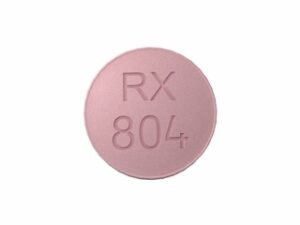
Grifulvin V (Griseofulvin) – Patient Guide (Australia)
Grifulvin V contains griseofulvin, an antifungal medicine used to treat certain fungal infections of the skin, hair and nails. This guide explains how it works, how it’s usually taken, important safety information, and practical tips to help you get the best results.
Medicines vary between brands and formulations. Always check your specific product label and follow the instructions given by your healthcare professional.
Quick Facts
| Topic | What to know |
|---|---|
| Active ingredient | Griseofulvin |
| Medicinal type | Systemic (oral) antifungal |
| Common uses | Fungal infections affecting skin, scalp hair, and/or nails (dermatophytes) |
| How it works | Stops fungi from forming healthy cell structures, especially in keratin tissues |
| Typical treatment time | Often weeks for skin/scalp; months for nails |
| Food matters | Taking with meals (especially a fatty meal) can improve absorption |
| Alcohol | Alcohol may increase the risk of side effects; avoid or minimise as advised |
Basic Product Information
Grifulvin V is an oral antifungal medicine. It is used when the infection involves areas where topical treatment alone may not be sufficient, such as: scalp hair, nails, and deeper or widespread dermatophyte infections.
In Australia, antifungal therapy is managed under the usual medicines framework and may be available by prescription and dispensing through community pharmacies and authorised suppliers. Availability can vary by location and formulation.
How Griseofulvin Works (Mechanism of Action)
Griseofulvin is a fungistatic medicine, meaning it helps stop fungal growth rather than directly killing fungi instantly. It targets the way fungal cells build and maintain their structure.
- Disrupts fungal cell division: It interferes with mitosis (cell division) in dermatophytes.
- Works especially in growing tissues: It binds to keratin precursors and becomes incorporated into newly forming skin, hair, and nails.
- Helps prevent reinfection of new tissue: As new keratin forms, it becomes more resistant to ongoing fungal invasion.
Because it depends on new growth of affected tissues, treatment may take weeks to months, particularly for nails.
Pharmacokinetics (How the Body Handles It)
“Pharmacokinetics” describes how the medicine is absorbed, distributed, metabolised, and eliminated. The details below are helpful for understanding why timing and food can matter.
- Absorption: Absorption is generally improved when taken with food, particularly meals that contain fat. This is one reason instructions often emphasise taking Griseofulvin with a meal.
- Distribution: Griseofulvin distributes to keratin-rich tissues (skin, hair, nails), which is key to its effectiveness in dermatophyte infections.
- Metabolism: It is metabolised primarily in the liver. This is also why drug interactions and liver safety are important.
- Elimination: The medicine and its metabolites are cleared from the body over time, with elimination involving hepatic and renal pathways.
Individual factors (age, liver function, other medicines, infection severity) can affect how quickly you respond.
What It’s Used For (Indications)
Griseofulvin is commonly used for dermatophyte (ringworm-type) infections that affect:
- Scalp (tinea capitis): fungal infection of the scalp and hair shafts
- Skin (tinea corporis, tinea pedis, tinea cruris): fungal infections of the body, feet, or groin
- Nails (onychomycosis due to dermatophytes): fungal nail infection, especially when widespread or when topical therapy is unlikely to be sufficient
It is generally not the first choice for yeast infections (for example, many cases of candida), and it may not treat infections caused by fungi outside the dermatophyte group. Your healthcare professional will select therapy based on the likely organism and the site of infection.
Typical Treatment Timing and How Soon You’ll See Results
Fungal infections often improve gradually. Even when the medicine starts working, existing infected tissue may remain until new keratin grows.
- Skin: noticeable improvement may appear within a couple of weeks, but completing the full course is important.
- Scalp hair: may require several weeks; complete clearance is variable.
- Nails: can require months because nails grow slowly. You may see improvement as the new, unaffected nail grows in from the base.
Do not stop early when symptoms improve; premature stopping can increase the chance of relapse.
How to Take Grifulvin V (Dosing Guidance)
Dose varies by the type and severity of infection, your body weight, and age. Below is general information commonly used for guidance on how dosing schedules are structured. Always follow the dose provided with your specific regimen.
General dosing principles
- Taken by mouth: usually as tablets.
- With a meal: to improve absorption.
- Course length: based on the site (skin, scalp, nails) and response.
- Duration matters: especially for nail disease.
Typical schedules (overview)
Your healthcare professional will choose the appropriate schedule. In practice, dosing is often:
- Skin and scalp: commonly for several weeks.
- Nails: commonly for longer periods (often months) and may involve ongoing treatment until sufficient new nail growth occurs.
Missed dose: If you miss a dose, take it when you remember on the same day. If it’s close to your next dose, skip the missed dose and continue your schedule. Do not double up.
Overdose: Seek urgent medical advice if you believe too much has been taken.
Food Interactions (Taking with Meals)
Food can significantly influence absorption of griseofulvin. Taking it with meals is generally recommended to achieve better drug levels.
- Take with food: aim to take each dose with a meal.
- Fat may help: a meal that includes some fat may improve absorption.
- Consistency: try to take doses at similar times each day with similar meal patterns.
If you have eating difficulties or special dietary needs, discuss them with your healthcare professional to ensure your dosing plan is practical.
Alcohol and Medicine Interactions
Alcohol and griseofulvin may increase the risk of side effects, particularly those involving the liver and the nervous system (such as dizziness, headache, or nausea). Because griseofulvin is metabolised in the liver, minimising alcohol is often recommended.
- Alcohol: avoid or limit alcohol during treatment, unless your healthcare professional advises otherwise.
- Other medicines that affect the liver: combining with hepatotoxic medications may increase risk. Your pharmacist can check your complete medication list.
- Be cautious with sedating products: if alcohol or other sedatives are used, dizziness or drowsiness may be more noticeable in some people.
If you develop yellowing of the skin/eyes, dark urine, severe fatigue, or persistent nausea, seek medical advice promptly.
Drug Interactions (Other Medicines You Should Tell Your Pharmacist About)
Griseofulvin can interact with some medicines because it is involved in liver metabolism pathways and may affect how other drugs are processed. Interactions are important for both safety and effectiveness.
Tell your healthcare professional if you use any of the following categories (and any others):
- Oral anticoagulants (blood thinners): may require monitoring and dose adjustment
- Hormonal contraceptives: certain antifungals may reduce effectiveness of hormonal methods; seek advice on additional contraception during treatment
- Seizure medicines (antiepileptics): can have complex interaction effects
- Some antidepressants, antipsychotics, and other long-term medications: interaction risk varies—check with your pharmacist
- Other medicines that affect the liver: increased liver strain may occur
Always provide your pharmacist with a complete list of medications, including:
- Over-the-counter medicines
- Herbal products (e.g., St John’s wort)
- Supplements
- Topical antifungals (some combinations may be used, depending on infection type)
Safety Profile: Common, Serious, and When to Seek Help
Common side effects
Side effects can vary by person. Commonly reported effects include:
- Nausea, stomach upset
- Headache
- Dizziness
- Diarrhoea or abdominal discomfort
- Skin rash or itching in some people
Serious side effects (seek urgent medical advice)
Contact a healthcare professional urgently or seek emergency care if you experience:
- Signs of liver problems: yellowing of eyes/skin (jaundice), dark urine, severe fatigue, upper abdominal pain, or persistent vomiting
- Severe allergic reactions: swelling of face/lips, trouble breathing, or widespread hives
- Severe skin reactions: blistering, peeling rash, or sores in mouth/eyes
- Blood abnormalities: unusual bruising, bleeding, persistent sore throat, or fever
- Neurological symptoms: severe headache, confusion, or unusual behaviour (especially if worsening)
Special safety considerations
- Children: dosing and monitoring must be individualised.
- Older adults: liver function and drug interactions may be more relevant.
- People with liver disease: griseofulvin may be unsuitable or require close monitoring.
- Pregnancy and breastfeeding: discuss risks and benefits with a healthcare professional before starting therapy.
Practical Use Tips for Better Outcomes
Oral antifungal treatment works best when combined with good hygiene and measures to prevent reinfection. Consider the following practical tips:
- Complete the full course: stopping early increases relapse risk.
- Take consistently with meals: helps absorption and maintains steady drug levels.
- Keep affected areas clean and dry: especially for foot and groin infections.
- Change socks and underwear regularly: and wash at appropriate temperatures if possible.
- Avoid sharing towels, combs, or clippers: to reduce spread.
- Check close contacts: if others in your household have similar symptoms, they may need evaluation.
- Trim nails and manage scales: as advised—this can help topical therapies work better alongside oral treatment.
- Use protective footwear: in shared bathrooms or gyms when treating tinea pedis.
If your symptoms do not improve within the expected timeframe, or if they worsen, ask your pharmacist or healthcare professional. The diagnosis may need confirmation (for example, fungal vs eczema vs bacterial infection).
Alternative Options
Treatment choice depends on the type of fungus, site of infection, severity, and your personal health factors. Alternatives may include other oral antifungals or topical treatments.
Common alternative medicines
- Terbinafine: often used for dermatophyte skin and nail infections; may have shorter treatment durations for some patients.
- Itraconazole: used in certain fungal nail or dermatophyte infections; dosing regimens vary.
- Fluconazole: sometimes used for selected fungal infections, depending on the organism.
- Topical antifungals: such as terbinafine or azole creams/sprays for limited skin involvement.
Your healthcare professional will select the most appropriate option considering: expected duration, possible interactions, kidney/liver function, and the site affected (skin vs scalp vs nails).
Recent Guidance and Clinical Practice Notes (Australia)
Clinical guidance for fungal infections generally emphasises:
- Correct diagnosis: confirming dermatophyte infection where possible and avoiding “trial and error” when symptoms persist.
- Appropriate site-based therapy: oral treatment is often required for scalp and nail disease.
- Screening for drug interactions: particularly with long-term medicines and liver-related risks.
- Adherence and reinfection prevention: successful outcomes depend on completing treatment and reducing exposure to re-contamination.
Because individual recommendations can change based on local formularies and safety updates, it’s important to follow the advice on your medicine label and with your dispensing pharmacist.
Grifulvin V Availability, Delivery and Dispensing in Australia
Availability depends on supply and the formulation stocked by the pharmacy. Many online pharmacies in Australia provide home delivery or in-pharmacy collection where permitted.
- Ordering: you can typically order via an authorised online pharmacy website.
- Delivery: delivery times vary by state and courier service; allow extra time during peak demand periods.
- Stock variations: if your preferred product strength or pack size is temporarily unavailable, the pharmacy may contact you about alternatives.
For the most accurate availability details, check the specific product page or contact the pharmacy’s support team.
Market and Legal Context (Australia)
In Australia, antifungal medicines such as griseofulvin are regulated under the Therapeutic Goods framework. Access to certain medicines may require appropriate clinical assessment and dispensing according to local requirements. Your pharmacy can explain eligibility, supply processes, and any documentation needed.
Always ensure you use medicines only as directed and keep them out of reach of children.
FAQ
1) What infection is Grifulvin V best for?
Grifulvin V (griseofulvin) is mainly used for dermatophyte fungal infections affecting the skin, scalp hair, and nails. It’s less suitable for infections caused by non-dermatophyte fungi (and many yeast infections).
2) How long will I need to take it?
Duration depends on the site: skin may improve within weeks, scalp often needs several weeks, and nails may require months. Completing the full course is important even if symptoms improve early.
3) Should I take it with food?
Yes, taking it with a meal is generally recommended to improve absorption. A meal that contains some fat may help. Try to take it consistently each day.
4) What should I do if I miss a dose?
Take it when you remember on the same day. If it’s close to the next dose, skip the missed dose and continue your schedule. Don’t double doses.
5) Can I drink alcohol while taking Grifulvin V?
It’s best to avoid or limit alcohol, as alcohol may increase side effects and adds strain on the liver. Ask your pharmacist for advice based on your health and other medications.
6) What medicines commonly interact with griseofulvin?
Interactions can occur with medicines processed by the liver, including some anticoagulants, certain hormonal contraceptives, seizure medicines, and other long-term treatments. Provide your full medication list to your pharmacist for an interaction check.
7) When should I call a doctor urgently?
Seek urgent medical help if you develop signs of severe allergy (swelling or trouble breathing), serious skin reactions, or possible liver problems such as jaundice, dark urine, severe fatigue, or persistent vomiting.
8) Will topical antifungal creams still be needed?
Sometimes topical therapy is used alongside oral treatment (for example, for limited skin patches) depending on the diagnosis and clinician advice. If you already use topical medication, keep using it only as directed.
9) What if my symptoms don’t improve?
If there is little improvement after the expected timeframe, or if symptoms worsen, the diagnosis may be different than originally assumed. Ask for reassessment rather than continuing blindly.
10) How can I prevent reinfection?
Practice good hygiene: keep areas dry, wash clothes and towels regularly, avoid sharing personal items, change socks frequently, and treat/assess close contacts if needed.
Important: If you have concerns about side effects, interactions, or how long you should take Grifulvin V, speak with your pharmacist or healthcare professional. For urgent symptoms, seek immediate medical care.