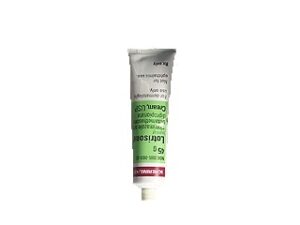
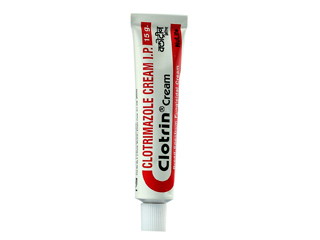

Clotrimazole – Patient-Friendly Medicine Information (Australia)
Clotrimazole is a widely used antifungal medicine used to treat infections caused by fungi such as tinea (ringworm), candida, and other yeast-related conditions. It is available in several forms, including creams, pessaries/vaginal tablets, and solutions (depending on the product and brand). This page explains how clotrimazole works, how to use it, what to expect, and important safety and interaction information for people in Australia.
Key Product Information
| Topic | Details |
|---|---|
| Generic name | Clotrimazole |
| Medicinal type | Antifungal (imidazole) |
| Common strengths & forms | Cream (commonly 1%), vaginal pessaries/tablets (strength varies), solution (for some skin/hair/scalp products) |
| Main uses | Skin fungal infections, genital thrush/yeast infections (vaginal use depending on product), and other susceptible fungal infections |
| How it’s used | Most commonly applied to the affected area; vaginal preparations are used intravaginally |
| Typical duration | Often 1–4 weeks depending on site and severity; completing the full course is important |
How Clotrimazole Works (Mechanism of Action)
Clotrimazole belongs to the imidazole group of antifungal medicines. It works mainly by disrupting the production of ergosterol, an important component of fungal cell membranes. Without ergosterol, fungal cell membranes become less stable and fungal cells cannot function properly, leading to fungal death or stopping their growth.
Depending on the concentration and the type of fungus, clotrimazole may be fungistatic (slowing growth) or fungicidal (killing the fungus).
Pharmacokinetics (Absorption, Distribution, Metabolism, Excretion)
Pharmacokinetics describe how the body handles a medicine. For clotrimazole, absorption generally depends on the formulation and the site of application.
- Topical skin preparations: Clotrimazole is absorbed through skin to a limited degree. Most action occurs locally at the site of infection.
- Vaginal preparations: Absorption through vaginal tissue occurs to some extent, but systemic exposure is generally low for typical use.
- Metabolism: Any absorbed clotrimazole is metabolised mainly by the liver.
- Excretion: Metabolites are excreted primarily via bile and urine (details may vary by product and patient).
In most everyday situations, because clotrimazole is used locally and systemic absorption is limited, side effects are most commonly local (such as skin irritation) rather than widespread.
Typical Uses and Indications
Clotrimazole is used for infections where the fungus is susceptible to azole antifungals. Common indications include:
- Dermatophyte infections (tinea): such as ringworm of the body (tinea corporis), groin (tinea cruris), and athlete’s foot (tinea pedis).
- Candida infections: particularly for vulvovaginal candidiasis (depending on the exact product used).
- Intertrigo with fungal involvement: fungal overgrowth in skin folds.
- Mixed or localised fungal infections: where indicated by the specific product instructions in Australia.
Where You’ll Use It (Form Matters)
Different clotrimazole products target different body sites. Always follow the directions specific to your pack.
- Cream/ointment/solution: usually for skin fungal infections.
- Vaginal pessaries/tablets: used intravaginally for thrush/yeast infections when that formulation is indicated.
If symptoms do not improve within the expected timeframe, or if you’re unsure which condition you have, speak with a healthcare professional or pharmacist.
When to Start and Timing of Use
The timing depends on the product and the infection site, but general guidance includes:
- Start early: begin treatment as soon as you suspect a fungal infection.
- Use regularly: aim for consistent application times (for example, once or twice daily as directed).
- Continue after symptoms improve: the fungus may persist even when redness/itching improves.
- Complete the full course: stopping early increases the risk of recurrence.
Dosing (General Advice)
Because clotrimazole comes in multiple strengths and forms, dosing varies by product. Below is typical dosing information commonly found in consumer medicines guidance; always confirm the exact regimen on your pack.
Clotrimazole skin cream (typical regimens)
- Common approach: apply a thin layer to the affected skin and surrounding area.
- Frequency: often once or twice daily depending on the product strength and formulation.
- Duration: commonly 2–4 weeks for tinea infections; follow pack instructions.
- Surrounding area: apply beyond visible rash to treat skin where fungus may extend.
Clotrimazole vaginal pessaries/tablets (typical regimens)
- Frequency and duration: depends on the strength and product (for example, short-course or longer-course regimens).
- How to insert: follow the step-by-step instructions provided with your pack.
- Course completion: finish the full number of days even if symptoms improve quickly.
If you’re using clotrimazole for the first time: read the leaflet carefully, especially if you have any history of skin sensitivity or you are treating areas where the skin is thin or damaged.
Practical Step-by-Step Tips for Better Results
Using clotrimazole correctly can improve outcomes and reduce recurrence.
For skin fungal infections
- Clean and dry: gently wash the affected area and pat dry. Avoid aggressive scrubbing.
- Apply thinly: use enough to cover the affected area and a small border around it.
- Wash hands after: unless the hands are the treatment area.
- Keep the area dry: moisture can encourage fungus growth.
- Use for the full course: even if symptoms start to settle earlier.
- Address triggers: sweaty footwear, tight clothing, or shared towels can contribute to recurrence.
For vaginal thrush (if using an appropriate vaginal product)
- Use at the recommended time: often at night to reduce leakage (depending on product instructions).
- Follow insertion instructions: use clean hands and the supplied applicator if included.
- Complete the course: symptoms can improve before infection is cleared.
- Avoid irritants: avoid scented washes/soaps and harsh products on the vulval area during treatment.
Food Interactions
Food interactions are generally not expected with clotrimazole when used as a topical cream or vaginal preparation, because systemic absorption is typically limited.
If you are using an oral medicine for a different condition, clotrimazole usually does not interfere directly with food intake. Always consult your pharmacist if you are taking multiple medicines or have complex medical conditions.
Alcohol and Medicine Interactions
For topical or vaginal clotrimazole, major interactions with alcohol are not commonly expected. However, it is still sensible to avoid heavy alcohol intake during active illness, as it can affect overall wellbeing.
Medicine interactions: While clotrimazole used locally has low systemic levels, interactions can become more relevant if:
- You are using another medicine that affects liver enzymes significantly, or
- You have a product with higher systemic absorption (less common for standard local treatments).
If you have a long-term condition or take several medicines, check with a pharmacist for personalised advice.
Safety Profile and Side Effects
Like all medicines, clotrimazole can cause side effects. Most people experience either none or mild effects. Side effects depend on the site of application and your individual sensitivity.
Common or mild side effects
- Skin irritation: mild burning, stinging, redness, or itching at the application site.
- Dryness or peeling: especially in people with sensitive skin.
- Local discomfort (vaginal products): mild irritation or discharge may occur depending on product and condition.
Seek medical help urgently if
- Signs of severe allergy: swelling of face/lips, difficulty breathing, widespread hives.
- Severe or spreading rash: rapid worsening or blistering.
- Severe pain or significant worsening: especially if symptoms are not improving as expected.
When to stop and get advice
Stop using clotrimazole and speak to a healthcare professional if you have severe irritation or if your symptoms worsen rather than improve. Also seek advice if you are treating a sensitive area (for example, near eyes) or broken skin.
Warnings and Precautions
- External use only (where applicable): creams and solutions are generally intended for affected skin only. Avoid contact with eyes, inside the nose, or mouth.
- Not for bacterial infections: clotrimazole treats fungi, not bacteria or viruses. If symptoms don’t fit a fungal cause, treatment may not help.
- Pregnancy and breastfeeding: safety depends on the formulation and stage of pregnancy. Follow the pack directions and consult a pharmacist if you are unsure.
- Children: some products are suitable for children, but age guidance varies by product. Always confirm the pack instructions and ask a pharmacist if uncertain.
- Diabetes or immune suppression: fungal infections may be more persistent. Seek advice if symptoms are severe or recurrent.
What to Expect During Treatment
With correct use, symptoms often start to improve within a few days. However, complete resolution may take longer, especially for skin conditions.
- Early improvement: reduced itch/redness may occur first.
- Complete clearance: usually takes the full course; visible skin may take longer to normalise.
- Recurrence risk: if the course is stopped early or conditions causing moisture persist.
If there is no improvement within the expected period (often within 1–2 weeks for many skin infections, depending on site and severity), consider seeking advice to confirm the diagnosis or adjust treatment.
Alcohol and Lifestyle Notes
Clotrimazole itself does not generally require alcohol avoidance. That said, supporting recovery can help:
- Keep the area dry and clean.
- Change towels and underwear regularly.
- Avoid tight synthetic clothing that traps moisture (for skin conditions).
- For athlete’s foot, use breathable footwear and consider moisture-wicking socks.
Alternative Options (What Else Can Help?)
Depending on the infection site, severity, and the exact diagnosis, alternatives to clotrimazole may include other antifungals such as:
- Other azole antifungals: for example, miconazole or econazole (availability and suitability vary by product and region).
- Allylamines: such as terbinafine, commonly used for tinea infections (often with different treatment durations).
- Nystatin: sometimes used for candida-related conditions depending on formulation and indication.
- Oral antifungals: may be considered for extensive or stubborn fungal infections under appropriate clinical guidance.
For best results, choosing an option that matches the fungus type and affected site is important. If you’re unsure, a pharmacist can help guide the right product.
Recent Guidance and Ongoing Advice
Antifungal treatment guidance generally emphasises:
- Confirming the likely diagnosis (fungal infections can mimic other skin conditions).
- Completing the full course to reduce recurrence.
- Addressing reinfection sources such as shared towels, footwear, and skin-fold moisture.
- Seeking advice if symptoms persist, worsen, or if there are complications.
Product-specific directions can differ by formulation and strength, so always follow the leaflet included with your pack.
Market and Legal Context for Australia
In Australia, clotrimazole is commonly supplied through pharmacies and is available in a range of consumer and pharmacist-only categories depending on the formulation. Availability and classification may vary by product strength and dosage form.
Retail supply is typically governed by Australian regulations and product-specific scheduling requirements. Always ensure you buy from a reputable Australian online pharmacy and check that the packaging matches the product you intended to purchase.
Delivery, Availability, and Ordering (Australia)
Clotrimazole products are generally widely available in Australia through pharmacies and online pharmacy retailers. Availability depends on the specific formulation (cream, vaginal pessary/tablet, solution) and strength.
- Shipping: delivery timeframes vary by location and stock status.
- Pack sizes: common pack sizes include short and medium treatment courses.
- Substitution: some retailers may offer an equivalent product in the same active ingredient strength and form.
If you need help choosing the correct formulation for your condition, you can usually contact the online pharmacy or speak to a pharmacist before placing an order.
Frequently Asked Questions (FAQ)
1) How long does clotrimazole take to work?
Many people notice improvement within a few days. However, full clearance may take longer, and you should continue for the entire course stated on your pack. Skin fungal infections often require multiple weeks of consistent treatment.
2) Can I use clotrimazole if I have athletes foot?
Yes—clotrimazole cream or solution can be used for athlete’s foot (tinea pedis) when that formulation is indicated. Keep the feet dry, change socks regularly, and continue treatment for the recommended duration to reduce recurrence.
3) Should I apply clotrimazole only to the rash edge?
No. Apply a thin layer to the affected area and a small surrounding border, as fungus can extend beyond what you can see. This improves the chance of clearing the infection.
4) What if there is no improvement after a week or two?
If symptoms are not improving within the expected timeframe, it may mean the diagnosis is different (for example eczema or dermatitis) or the fungus is not responding. Seek advice from a pharmacist or healthcare professional to confirm the diagnosis and consider alternative treatments.
5) Is it safe to use clotrimazole with other skin products?
Generally, it’s best to avoid applying multiple creams to the same area unless directed. Some products can irritate the skin or interfere with how well topical antifungals work. Ask a pharmacist if you’re unsure, especially if using corticosteroid creams.
6) Can clotrimazole be used during pregnancy or breastfeeding?
Safety depends on the formulation and your individual situation. Many topical antifungals are used in pregnancy when required, but you should check the pack directions and speak with a pharmacist for tailored advice.
7) Does clotrimazole interact with alcohol?
Significant alcohol interactions are not generally expected for topical or vaginal clotrimazole. Still, keep overall health in mind and avoid heavy alcohol intake during illness.
8) What should I do to stop it coming back?
Common steps include keeping the area dry, changing towels/underwear regularly, avoiding sharing towels, wearing breathable clothing, and treating contributing issues such as sweaty footwear. Completing the full clotrimazole course is also essential.
9) Can my partner get thrush from me?
Thrush can be associated with sexual activity, and partners may sometimes have symptoms. If you have recurrent symptoms or your partner develops symptoms, talk to a pharmacist or healthcare professional about appropriate management.
10) When should I seek urgent help?
Seek urgent medical assistance if you develop signs of a severe allergic reaction (such as swelling of the face/lips or difficulty breathing), or if symptoms rapidly worsen with intense pain, blistering, or spreading infection.
Summary
Clotrimazole is an antifungal medicine used for common fungal infections of the skin and, depending on the formulation, for vulvovaginal candidiasis. It works by disrupting fungal cell membrane formation. When used correctly—covering the affected area and surrounding skin, applying at the right times, and completing the full course—clotrimazole can provide effective relief and help prevent recurrence.