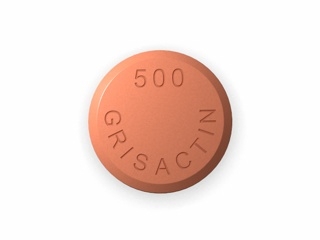

Grisactin (Griseofulvin) – Information for Patients
Grisactin contains griseofulvin, an antifungal medicine used to treat infections caused by certain fungi of the skin, hair, and nails. This page explains how Grisactin works, how it’s taken, key safety considerations, and what to expect while you’re using it.
This information is general and not a substitute for advice from a pharmacist or doctor.
Key Product Information
| Category | Details |
|---|---|
| Medicine name | Grisactin (griseofulvin) |
| Medicinal form | Oral antifungal medicine (tablets or capsules, depending on product strength and availability) |
| How it helps | Stops certain fungi from growing and spreading |
| Common treatment areas | Skin, scalp/hair follicles, and nails (depending on the infection) |
| Typical duration | Often weeks for skin and scalp; months for nail infections |
How Grisactin Works (Mechanism of Action)
Griseofulvin is an antifungal medicine that works primarily by interfering with the fungus’s ability to divide and multiply.
It preferentially affects rapidly growing fungal cells by disrupting the formation of microtubules and the normal process of cell division. Over time, this helps the infection clear as new, healthy skin or nail tissue replaces infected areas.
- Targets certain dermatophytes (fungi that infect skin, hair, and nails).
- Does not work for all fungal types (for example, some yeasts and moulds may require different treatment).
Pharmacokinetics (How the Body Handles It)
Understanding how griseofulvin behaves in the body can help you take it correctly and know when results might start to appear.
- Absorption: Griseofulvin is absorbed through the gastrointestinal tract. Absorption is improved when taken with fatty food.
- Distribution: It concentrates in the skin, hair, and nail tissues—sites where dermatophytes commonly infect.
- Metabolism: It is metabolised mainly in the liver.
- Elimination: Metabolites and unchanged drug are eliminated primarily via bile and urine.
- Half-life: The elimination half-life varies by patient and formulation, but steady therapeutic levels are important for effective treatment.
Why this matters: Because nails and hair grow slowly, even after the fungus is controlled, it can take time for clear, unaffected tissue to appear.
What Grisactin Is Used for (Typical Use and Indications)
Grisactin is used to treat dermatophyte fungal infections, including:
- Ringworm (tinea corporis): fungal infection of the trunk/limbs
- Tinea capitis: fungal infection of the scalp (hair follicles)
- Tinea pedis (athlete’s foot): may be treated with oral medicine in selected cases
- Tinea cruris (jock itch): groin fungal infection
- Tinea unguium (onychomycosis): nail fungal infection, often requiring longer treatment
Your clinician may also recommend additional measures such as topical antifungal creams/shampoos and hygiene steps to reduce spread and reinfection.
Timing: When to Expect Results
Fungal infections clear slowly. The timing depends on the site of infection and severity.
- Skin infections: Some improvement may be seen within 1–2 weeks, though complete clearance can take longer (commonly several weeks).
- Scalp infections: Improvement may take several weeks; treatment is often continued for an extended period to prevent relapse.
- Nail infections: Treatment frequently lasts months because nails grow slowly. Even once the fungus is controlled, the nail may take time to grow out healthy.
Tip: Continue taking Grisactin for the full course recommended. Stopping early increases the risk of recurrence.
Food Interactions and Taking Grisactin
Griseofulvin absorption is better when taken with fatty meals. For many patients, this improves effectiveness.
- Take your dose with food (especially a meal containing some fat).
- Avoid taking it on a completely empty stomach unless your pharmacist/doctor advises otherwise.
Practical approach: Pick a routine that fits your day (e.g., after breakfast or dinner) and take the dose at the same time each day.
Alcohol and Medication Interactions
Alcohol
While there is no universal rule that all alcohol must be avoided, it is strongly recommended to use alcohol cautiously during treatment.
- Griseofulvin can affect the liver and alcohol can also stress the liver.
- Reducing or avoiding alcohol may lower the risk of liver-related side effects.
Seek medical advice promptly if you develop symptoms that could suggest liver problems, such as:
- yellowing of the eyes/skin (jaundice)
- dark urine
- unusual tiredness, nausea, or upper abdominal pain
Medication interactions
Griseofulvin can interact with other medicines. It may also interact with medicines that affect liver enzymes.
Tell your pharmacist or doctor if you take any of the following (or anything not listed):
- Warfarin and other anticoagulants (risk of changing blood clotting control)
- Oral contraceptives (some enzyme effects may reduce effectiveness; additional contraception may be needed)
- Ciclosporin or other immunosuppressants (possible reduced effect)
- Anticonvulsants (e.g., phenytoin, carbamazepine, phenobarbital) — effectiveness may be affected
- Other medicines metabolised by the liver (interaction potential)
Herbal and supplement interactions: Also inform your clinician if you use supplements such as St John’s wort, or other herbal products, as they may affect liver enzyme activity.
Dosing: How Grisactin Is Usually Taken
Dosing depends on the type and site of infection, patient age/weight, and clinical judgment. Common dosing regimens differ between:
- Skin and scalp infections
- Nail infections
- Adults vs children
Important: Always follow the specific dose and frequency given for your product and situation. Do not adjust the dose yourself.
General practical guidance
- Take Grisactin once or twice daily depending on your prescribed regimen.
- Take each dose with food (ideally a meal with fat).
- If you miss a dose, take it when you remember unless it’s close to the next dose. Do not take a double dose.
If you’re unsure, ask your pharmacist for advice tailored to your prescription label directions.
Safety Profile and Side Effects
Most people tolerate griseofulvin reasonably well, but like all medicines it may cause side effects. Some side effects are more common early in treatment; others are uncommon but important.
Common side effects
- Headache
- Nausea, stomach upset, or abdominal discomfort
- Diarrhoea or indigestion
- Rash or itching
- Dizziness
- Feeling tired
Less common but serious risks
Contact a healthcare professional urgently if you experience signs of a severe allergic reaction or major organ effects.
- Allergic reactions (swelling of face/lips, difficulty breathing, widespread rash)
- Liver problems (jaundice, dark urine, persistent upper abdominal pain, severe fatigue)
- Blood disorders (unexplained bruising, infections, sore throat, unusual bleeding)
- Severe skin reactions (blistering, peeling, or painful rash)
Who should take extra care
Discuss risks with a pharmacist/doctor if you have:
- Known liver disease
- A history of significant allergies to medicines
- Any condition requiring multiple long-term medicines
- Concerns about pregnancy or breastfeeding (see below)
Pregnancy and breastfeeding
Because griseofulvin may affect developing tissues, its use during pregnancy should be carefully considered by a healthcare professional. Breastfeeding decisions also require medical advice.
- If you are pregnant, trying to conceive, or breastfeeding, discuss options before starting.
- Medication choices may differ depending on the site of infection and severity.
Practical Use Tips for Better Outcomes
Medication helps control the fungus, but the right routine can significantly improve results and reduce recurrence.
- Keep taking it consistently: Use a daily reminder so you don’t miss doses.
- Take with fatty food: improves absorption for many people.
- Don’t stop early: even if symptoms improve, continue until the full course is completed.
- Use supportive hygiene:
- Keep affected areas clean and dry
- Change socks/underwear regularly
- Avoid sharing towels or clothing
- Nail care: keeping nails trimmed may help topical treatments work better (if recommended).
- Scalp infections: shower after exercise and follow shampoo instructions if prescribed.
- Prevent reinfection: treat close contacts if advised and disinfect shared items (e.g., combs, clippers) when relevant.
Alternative Options
Depending on the type and severity of the fungal infection, other antifungal treatments may be considered. Alternatives often include:
- Topical antifungals (creams, gels, sprays) for limited skin infections
- Oral antifungals such as terbinafine or itraconazole (used for specific indications and depending on availability and suitability)
- Shampoos (for scalp involvement, often as an add-on)
Your pharmacist/doctor can explain which option is most appropriate based on:
- Where the infection is located
- How extensive it is
- Your medical history and current medicines
- Likelihood of relapse and reinfection
Market and Legal Context for Australia
In Australia, access to medicines is regulated through the Australian Register of Therapeutic Goods (ARTG) and related scheduling rules. Antifungal medicines may be:
- available with pharmacist oversight,
- available under specific conditions, or
- restricted to prescriptions depending on the product, formulation, and dose.
For online pharmacies, products are supplied in accordance with Australian regulations and patient safety requirements, including appropriate identification of suitability and guidance on safe use.
Note: Product availability can vary between brands, strengths, and manufacturers.
Recent Guidance and Ongoing Monitoring (What to Watch)
Fungal infections are common, and guidance for treatment continues to emphasise the same core principles:
- Confirm the diagnosis: ringworm and nail conditions can mimic other skin conditions. Accurate diagnosis supports correct treatment.
- Use the right duration: dermatophyte infections often require extended courses for cure.
- Consider liver safety: oral antifungals are associated with potential liver effects, so clinicians may recommend monitoring in higher-risk situations.
- Reduce spread: supportive hygiene and treating household contacts can reduce reinfection.
If you have risk factors (such as liver disease or use of interacting medicines), your healthcare professional may recommend baseline checks or ongoing monitoring.
Delivery and Availability (Australia)
Availability of Grisactin can vary by strength and manufacturer. Many online pharmacies in Australia offer delivery services across metro and regional areas.
- Delivery timeframes: vary depending on your location and stock status.
- Packaging: medicines should arrive sealed and clearly labelled with dosing instructions.
- Cold chain: typically not required for griseofulvin tablets/capsules.
What you can do to avoid delays: ensure your contact details are current and follow instructions in your order confirmation regarding identity checks (where required).
FAQ About Grisactin (Griseofulvin)
1) How long does it take for Grisactin to work?
Many skin symptoms improve within 1–2 weeks, but full clearance often takes longer. Nail infections commonly require months because nails grow slowly.
2) Should I stop Grisactin once I feel better?
No. It’s important to complete the recommended course. Stopping early can lead to relapse.
3) Can I take Grisactin on an empty stomach?
Absorption is usually improved with food, particularly a meal with fat. For best results, take it with food unless your pharmacist advises otherwise.
4) Are there foods I should avoid?
There are no universal “forbidden” foods for everyone, but take Grisactin with meals as directed. If you experience stomach upset, eating with food may help.
5) What alcohol can I drink while on Grisactin?
Alcohol should be used cautiously. Because griseofulvin can affect the liver, reducing alcohol intake during treatment is advisable, especially if you have liver risk factors.
6) What medicines commonly interact with griseofulvin?
Interactions may occur with medicines such as warfarin, certain anticonvulsants, oral contraceptives, and other medicines metabolised in the liver. Always check with a pharmacist if you’re unsure.
7) Can Grisactin be used for every type of fungal infection?
No. Grisactin is most effective against dermatophytes (common fungi affecting skin, hair, and nails). Other fungal types may need different treatment.
8) What side effects should make me seek urgent help?
Seek urgent medical advice for signs of severe allergy, severe rash/blistering, difficulty breathing, or possible liver problems (such as yellow eyes/skin or dark urine).
9) Can I use topical antifungal creams along with Grisactin?
Often yes, and it’s commonly recommended for certain infections (e.g., combining oral therapy with topical agents). Use only as advised by your clinician or pharmacist.
10) When should I contact a pharmacist or doctor during treatment?
Contact them if symptoms worsen, if you develop significant side effects, or if there is no improvement after a reasonable period (your pharmacist can advise what’s typical for your infection type).
Summary
Grisactin (griseofulvin) is an oral antifungal medicine used to treat dermatophyte infections of the skin, scalp, and nails. It works by interfering with fungal cell growth and is absorbed and distributed into the tissues where dermatophytes live. Taking it with food, completing the full course, and following supportive hygiene measures can improve outcomes and reduce recurrence.
If you have questions about how to take Grisactin, possible interactions with your current medicines, or what to expect for your infection type, speak with a pharmacist for personalised guidance.