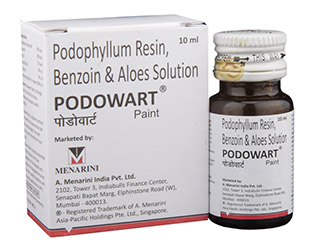
Podowart (Podophyllum resin) — Patient Information
Podowart contains Podophyllum resin, a medicine used on the skin to treat certain types of warts. This guide explains how it works, how to use it safely and effectively, and what to expect. It is written for people in Australia and focuses on practical, patient-friendly information.
| Category | Information |
|---|---|
| Medicine | Podowart (Podophyllum resin) |
| Where it is used | For external warts (as directed). Avoid use on internal or broken skin. |
| Type of treatment | Topical skin application (paint/solution format, depending on product presentation). |
| How it works | Destroys wart tissue by interfering with cell growth and division. |
| Common approach | Short courses with careful application during set days, followed by rest days. |
Basic product information
Podowart is a topical preparation containing podophyllum resin, a plant-derived extract traditionally used for the local treatment of warts. The exact strength and formulation can vary by product packaging, so always read the label and follow the instructions provided with your specific Podowart product.
Important: Podophyllum resin is intended for external use on warts. It must not be used on large areas, inside the vagina/urethra/rectum, or on eyes or mouth. If you are unsure whether your wart is suitable for this treatment, seek professional advice.
How Podowart works (mechanism of action)
Podophyllum resin acts locally on wart tissue. It contains naturally occurring substances (often described as lignans) that can interfere with the way cells replicate.
- Antimitotic effect: It can disrupt cell division, which is needed for wart growth.
- Cell damage and tissue destruction: Over time, the wart tissue breaks down, allowing the lesion to fall off or resolve.
- Local action: When used correctly, most effect is intended to be confined to the wart.
Because warts can vary in type and depth, results may take time and may not be complete after the first course.
Pharmacokinetics (how the body handles it)
When applied to the skin, podophyllum resin is generally intended to have local effects. In practice, a small amount may be absorbed through the skin—especially if applied to larger areas, under occlusion, on broken skin, or more frequently than recommended.
Key points:
- Absorption: Likely increases with larger surface area, higher frequency, impaired/broken skin, and use on mucosal areas (which should generally be avoided unless specifically instructed for that indication).
- Distribution & metabolism: Absorbed components can be metabolised by the body.
- Elimination: Metabolites are cleared from the body, but the exact profile depends on dose, skin integrity, and individual factors.
Safety reminder: Because absorption may occur, it is crucial to use the smallest amount needed, apply only to the wart(s), and never exceed the recommended schedule.
Typical uses and indications
Podowart is used for certain types of external warts. In Australia, availability may vary, and the product label may describe specific indications and application sites. Common examples include:
- Genital warts (external, as per product directions)
- Other external warts where Podophyllum resin is appropriate
Not suitable for everyone:
- Do not use on internal genital surfaces (for example, inside the vagina or urethra).
- Do not use on eyes, mouth, or widespread areas.
- Do not use on suspected cancers, unusual lesions, or sores that are not clearly warts.
When to use it (timing and schedule)
Podowart is usually applied using a specific schedule (for example, applying to the wart(s) on designated days, followed by a rest period). Because products differ, follow the instructions on your specific packaging.
General practical timing guidance:
- Apply at the same time each day within the treatment days, if your label suggests a daily routine.
- Leave the product to work as directed; avoid rinsing off early unless instructed.
- After the treatment cycle, allow the rest days and do not keep reapplying beyond the schedule.
- Warts may take several days to weeks to improve. Avoid stopping early if advised by your product plan, but seek advice if there is no progress after the recommended course.
What you may notice during treatment
- Local redness or irritation
- Skin tenderness
- Gradual change in wart texture
- Possible shedding of wart tissue
If you develop severe burning, blistering, or spreading sores, stop and seek medical advice promptly.
Food interactions
Food interactions are unlikely for a topical skin medicine like Podowart, because the medicine is applied to the affected area and is intended to act locally. However, if any portion is accidentally swallowed (for example, through poor hand hygiene), gastrointestinal effects could occur.
- There are generally no known food restrictions.
- Practice good hygiene: wash hands after applying and before eating.
Alcohol and medicine interactions
Alcohol: There is no well-established direct interaction between topical podophyllum resin and alcohol. However, because irritation and toxicity risk depend on correct use, it is best to avoid behaviours that could increase misuse (for example, applying more than directed).
Medicines: The main safety consideration is local irritation and the chance of systemic absorption if used incorrectly. If you are using other topical products on the same area (e.g., creams, antiseptics, or other wart treatments), you should:
- Wait for the skin to recover before starting another topical product, unless your clinician/pharmacist advises otherwise.
- Avoid combining with irritating products (for example, strong acids or keratolytics) on the same site unless specifically recommended.
- Inform your pharmacist if you are taking other medicines, especially if you have immune system conditions.
Pregnancy and breastfeeding: Podophyllum resin may be harmful if absorbed systemically. Use in pregnancy or breastfeeding requires careful guidance from a healthcare professional. If you are pregnant, trying to conceive, or breastfeeding, discuss alternatives before using Podowart.
Dosing and how to apply (step-by-step)
Dosing depends on the strength, formulation, and body area described on the Podowart label. Always follow the instructions provided with your product. The points below are general application principles for topical wart treatments.
General dosing principles:
- Apply a small amount only to the wart(s).
- Use only as often as directed (do not increase frequency to try to make it work faster).
- Do not apply to large areas.
- Do not reapply after the wart has been treated and the course suggests a rest period.
Practical application tips
- Wash and dry the area before applying.
- If provided, use the applicator included with the product to target the wart precisely.
- Protect surrounding skin: avoid spreading the medicine to nearby normal skin. If the product instructions allow, you may use barrier protection around the wart.
- Apply carefully: paint or dab just enough to cover the wart.
- Allow to remain for the time stated by the label.
- Wash your hands thoroughly after use.
- If accidental contact occurs with non-target skin or eyes, rinse with plenty of water and seek advice if irritation persists.
Do not use on
- Open wounds or severely irritated skin
- Large, widespread body areas
- Inside the urethra, vagina, or rectum
- Eyelids, eyes, or lips
Safety profile and side effects
Like all medicines, Podowart can cause side effects. Many are local and mild when the product is used correctly, but serious harm can occur with misuse or if applied to the wrong area or too frequently.
Common local side effects
- Redness
- Burning or stinging sensation
- Skin irritation or itching
- Swelling around the treated area
- Crusting or peeling
Less common but important reactions
- Blistering
- Severe pain
- Deep ulceration or significant breakdown of surrounding skin
- Signs of allergic reaction (rare), such as widespread rash, facial swelling, or breathing difficulty
When to stop and seek urgent help
Get urgent medical help if you experience:
- Difficulty breathing, wheezing, or swelling of the face/lips (possible allergy)
- Severe skin damage or rapidly spreading sores
- Symptoms of possible poisoning (for example, persistent vomiting, severe weakness, or confusion) after swallowing or large-area exposure
Extra caution groups
- Children: use should be very carefully guided by healthcare professionals; dosing and site selection must be appropriate.
- People with reduced immune function (e.g., certain chronic illnesses or immune-suppressing treatments): warts may be harder to treat and require specialist assessment.
- Pregnancy/breastfeeding: discuss safety and alternatives promptly.
- Sensitive skin areas: genital and other delicate areas require precise application and may respond differently.
Practical use tips for better outcomes
- Confirm the diagnosis: warts can resemble other conditions. If unsure, get assessed before treating.
- Target the wart only: excess medicine on surrounding skin increases irritation and may slow healing.
- Don’t over-apply: more frequent use does not reliably speed cure and increases risk of harm.
- Keep the area clean and dry during treatment cycles, and use gentle hygiene.
- Avoid friction: loose clothing can reduce irritation if warts are on skin folds or genital areas.
- Track progress: note changes (size, colour, pain) across the treatment period. If no improvement, reassess.
- Sexual health considerations: if treating genital warts, avoid sexual contact or use protection as advised. Warts can still be contagious even if partially treated.
Alternative treatment options
There are several ways to treat warts, and the best option depends on wart type, location, size, number of lesions, and your preference.
Common alternatives (discuss with a pharmacist/doctor)
- Cryotherapy (freezing): often used for common warts; can be repeated.
- Other topical treatments: some wart products contain different active ingredients designed to irritate or break down wart tissue.
- Immunotherapy approaches (specialist): may help when warts recur.
- Procedural removal: for larger, persistent, or complicated cases (performed by clinicians).
If Podowart is not suitable, ineffective, or causing significant irritation, asking for alternative management can improve comfort and outcomes.
Recent guidance and clinical context in Australia
In Australia, wart management commonly involves a combination of accurate diagnosis, patient education, and selecting appropriate therapy based on wart location and type. Health authorities and clinical resources generally emphasise:
- Correct identification of lesions before treatment
- Appropriate use of topical wart products to minimise skin damage
- Monitoring response and reassessing if there is no improvement after a recommended course
- Contagion awareness for genital warts and the importance of prevention strategies
If you have concerns about recurrence, severe symptoms, or uncertain diagnosis, seek professional guidance.
Market and legal context for Australia
Podowart is a medicine available through pharmacies in Australia under the relevant scheduling and supply rules that apply to its formulation. Regulations aim to ensure that consumers receive correct instructions for use and safe handling. Availability may vary by brand presentation, strength, and pharmacy stock.
When purchasing online, ensure the product listing clearly states:
- The active ingredient and concentration (podophyllum resin)
- The intended use and application instructions
- Storage guidance and expiry date
- Any warnings about contraindications or misuse
Always follow Australian product labelling and pharmacy advice.
Delivery and availability
Podowart may be supplied through selected pharmacies and online pharmacy services across Australia, subject to product availability and fulfilment capabilities.
- Stock availability: can vary by state and demand.
- Delivery areas: many online pharmacies deliver to most Australian metro and regional locations.
- Packaging: medicines are typically shipped in protective packaging to prevent damage and maintain label readability.
During checkout, delivery estimates will be shown. If your order is urgent for an ongoing treatment plan, consider choosing an option with tracking and quicker dispatch.
Frequently Asked Questions (FAQ)
1) How long does it take for Podowart to work?
Warts may improve over several days to weeks depending on the wart type, size, and how accurately the product is applied. If there is little or no improvement after the recommended course described on the label, stop and seek advice about alternative options.
2) Can I use Podowart on multiple warts at once?
Often, treatment can include more than one wart if they are within the area and dosage limits specified by the product label. The key is to apply only to warts and not exceed the recommended schedule. If you have many lesions or a large area, professional guidance is recommended.
3) What if my skin becomes very sore or blistered?
Stop using Podowart and seek medical or pharmacy advice. Severe irritation may mean the product is being used too frequently, on the wrong site, or that the wart is not suitable for this approach.
4) Can I shower or wash after applying?
Only do so if the product instructions say it is safe. Many topical wart medicines should remain in place for a specified time. Follow the label to avoid reducing effectiveness or increasing irritation.
5) Is it safe to use with other creams or antiseptics?
It is safest to avoid applying other potentially irritating products to the same area unless directed. If you need to use another product (for example, a moisturiser), discuss timing and compatibility with a pharmacist.
6) Will Podowart cure warts permanently?
Many people experience clearance, but warts can recur. Warts are caused by viruses and may require additional treatment if they return. If warts persist or recur frequently, you may need a different treatment strategy.
7) Can I drink alcohol while using Podowart?
There is no commonly recognised direct interaction with alcohol for correctly used topical podophyllum resin. However, misuse increases the risk of irritation or toxicity. If you have concerns, ask your pharmacist.
8) What should I do if I accidentally get it on normal skin?
Rinse the area with plenty of water immediately. Avoid further application until the irritation settles. If irritation is significant, seek advice.
9) Should I avoid sex if treating genital warts?
Genital warts can still be contagious even during treatment. It’s best to follow sexual health guidance from a healthcare professional and consider avoiding sex or using barrier protection as advised until the lesions have resolved.
10) When should I get checked instead of continuing at home?
Get professional advice if:
- You are not sure your lesions are warts
- Warts are spreading rapidly
- You have severe pain, ulceration, or blistering
- No improvement occurs after the recommended treatment course
- You are pregnant, breastfeeding, or have immune system problems
Storage and handling (label guidance)
Store Podowart according to the manufacturer’s instructions. Keep out of sight and reach of children. Keep the container closed and protected from heat or direct sunlight where indicated on the label.
Do not use after expiry. If the product looks damaged or has an unusual appearance, do not use it.
Bottom line: Podowart (podophyllum resin) can be an effective topical option for appropriate external wart types when used carefully and only as directed. If you experience significant irritation, uncertain diagnosis, or lack of improvement, seek advice to protect your skin and choose the best next step.